Trying to organize a trip to Yellowstone National Park can feel like a lot at first. The park is massive, the options are endless, and it’s easy to get stuck figuring out where to begin. If that sounds familiar, this guide will help you move forward with clarity and confidence.
I’ve been to Yellowstone twice, and each visit left a strong impression. The mix of colorful geothermal pools, thundering waterfalls, and wide green valleys filled with wildlife creates an experience that feels almost unreal at times. Every corner offers something different, so no two days ever feel the same.
Because Yellowstone covers such a large area, planning ahead makes a big difference. Ideally, you’d spend at least four days here to take it all in at a relaxed pace. That said, even with limited time, you can still cover the highlights and walk away with lasting memories.
This 3-day Yellowstone itinerary is built for travelers who want a clear structure without overthinking every detail. It focuses on the most rewarding spots while keeping the pace manageable, so you can enjoy the journey instead of rushing through it.
Yellowstone Trip Overview
- PTO/Vacation Days Needed: 1-2
- Nights: 2
- Entrance Fee: $30 per car (If you plan to visit multiple national parks this year, consider getting the annual pass for $80!)
But first, here are a few facts about the park we wish someone had told us before diving into this Yellowstone itinerary:
Best Time to Visit Yellowstone + Helpful Travel Tip for Families
The ideal time to visit Yellowstone National Park is during the summer months, when the weather is warm and the entire road system is accessible. Much of the park shuts down in winter due to heavy snowfall, which can limit how much you’re able to see and do.
July and August draw the biggest crowds, as this is when most travelers plan their trips. While the conditions are great, popular spots can get busy fast. If you prefer a calmer experience, June and September are better options. These shoulder months still offer good weather, with fewer people and a more relaxed pace across the park.
If you’re traveling with a baby, planning becomes a bit different. Carrying all the essentials can feel like too much, especially for a destination like Yellowstone where you’ll be moving around often. That’s where BabyQuip can make things easier.
With BabyQuip, you can rent items like cribs, strollers, and toys from local providers at your destination. It helps you pack lighter while still having what you need for a comfortable trip. For families, this small adjustment can make the overall experience much smoother.
How to Reach Yellowstone National Park
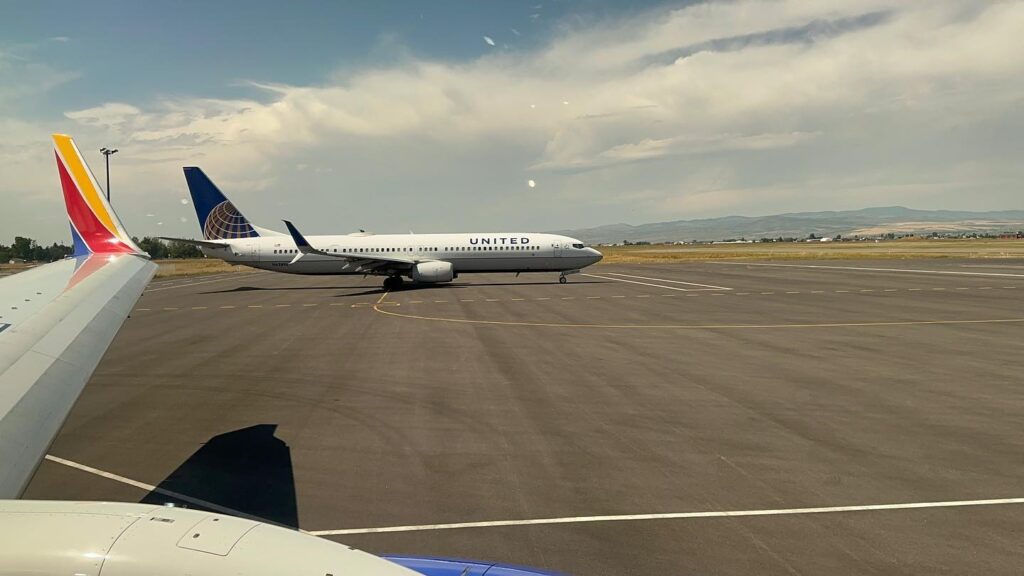
But if you live far out of driving range, then flying to a closer airport and renting the car will be your best bet. There are a lot of choices when it comes to what airport you should fly from.
The closest airport is Yellowstone Airport (WYS) located 3 miles from the West Entrance. But this is an expensive area to fly into and out of because it so small, you have few direct options (and often end up connecting through Salt Lake City).
- Yellowstone Airport (WYS) – Just 3 miles from the West Entrance; closest option but limited flights and higher prices.
- Yellowstone Regional Airport (COD) – About 55 miles from the East Entrance; small airport with fewer flight options.
- Bozeman Yellowstone International Airport (BZN) – Around 1.5 hours to the North Entrance; more flights and better availability.
- Jackson Hole Airport (JAC) – Roughly 1 hour from the South Entrance; good choice if heading south.
- Billings Logan International Airport (BIL) – About 1.5 hours from the Northeast Entrance; another solid alternative.
If you will be visiting both Yellowstone and Grand Teton National Parks, I recommend flying into one airport and out of the other. We flew into Bozeman, visited Yellowstone and then headed south to Grand Teton before flying out of Jackson Hole Airport.
Where to Stay in Yellowstone National Park
Finding a place to stay near Yellowstone National Park depends on how early you plan and how close you want to be to the main sights. You can either stay inside the park for quick access or choose nearby towns for more availability and flexibility.
Staying inside the park is worth it if you want to cut down on driving time and stay close to major attractions. However, these places fill up fast, often close to a year in advance, so timing plays a big role here.
Best Lodging Inside Yellowstone National Park
If you’re planning ahead, these are some of the top options inside the park:
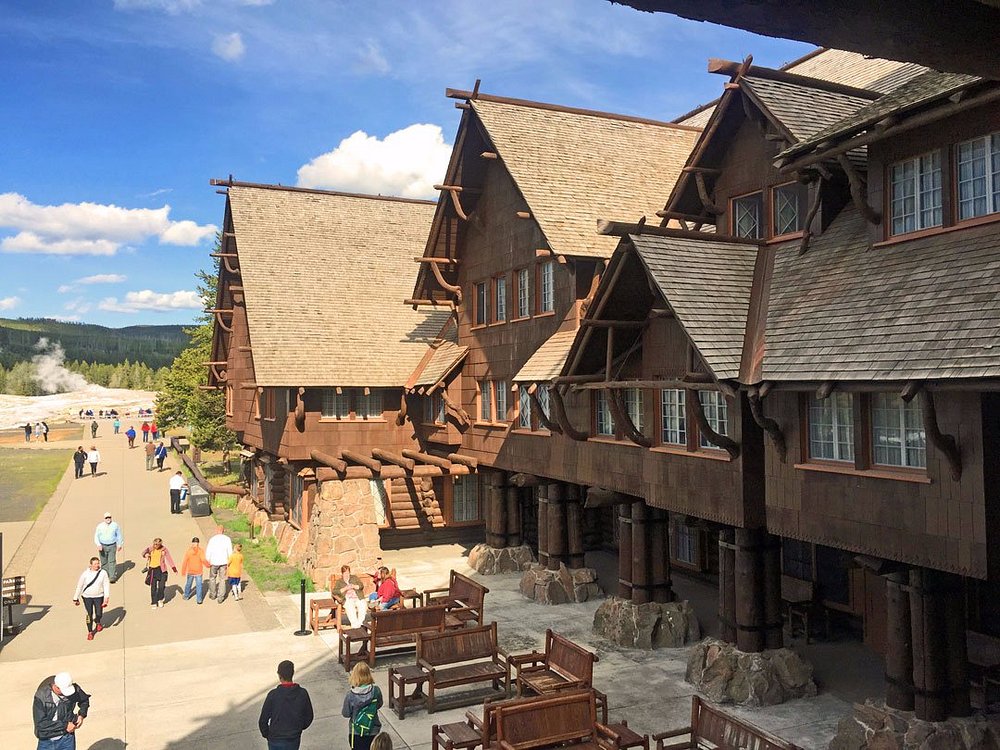
- Old Faithful Inn – The most iconic lodge in the park, built in 1904 using local stone and logs, known for its historic design.
- Old Faithful Lodge Cabins – A good alternative if the main inn is fully booked but you still want to stay in the same area.
- Canyon Lodge – One of the newer accommodations, located near the Grand Canyon of Yellowstone with more modern rooms.
Best Lodging Near Yellowstone National Park
If you’re planning your trip closer to your travel dates, staying outside the park can be a practical option. There are several towns nearby that offer easy access and a wider range of stays.
Best Place to Stay in West Yellowstone
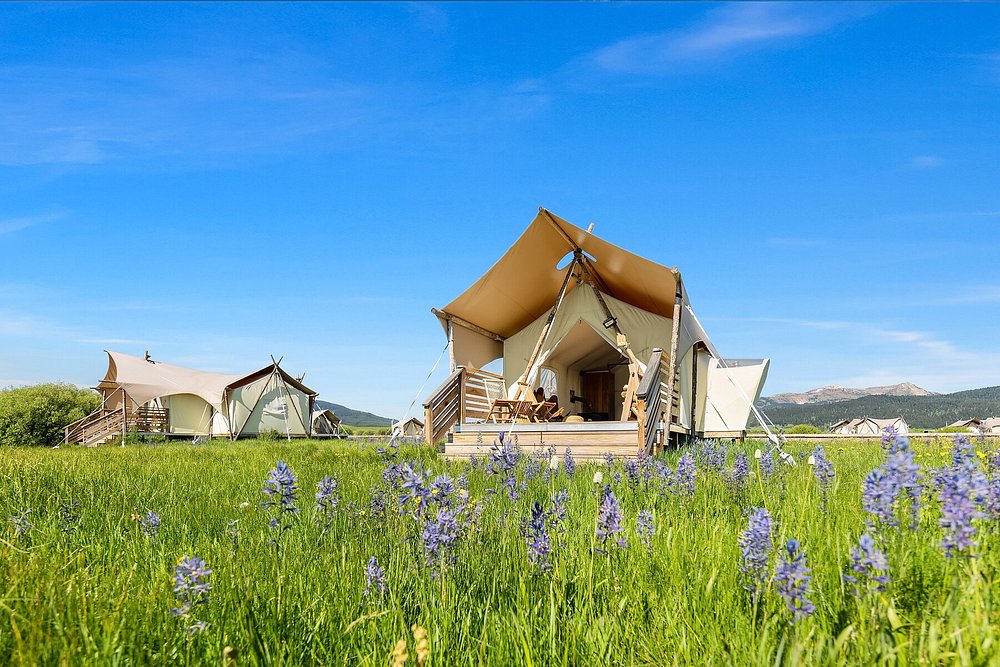
West Yellowstone is one of the most convenient locations, just 3 miles from the West Entrance of Yellowstone.
- Explorer Cabins at Yellowstone – A great choice for groups or families needing extra space and comfort.
- Under Canvas Yellowstone – Ideal if you enjoy glamping, with comfortable beds, scenic surroundings, and on-site dining.
There are also good vacation rental options in this area, including cabins within walking distance of the park entrance.
Best Place to Stay in Gardiner
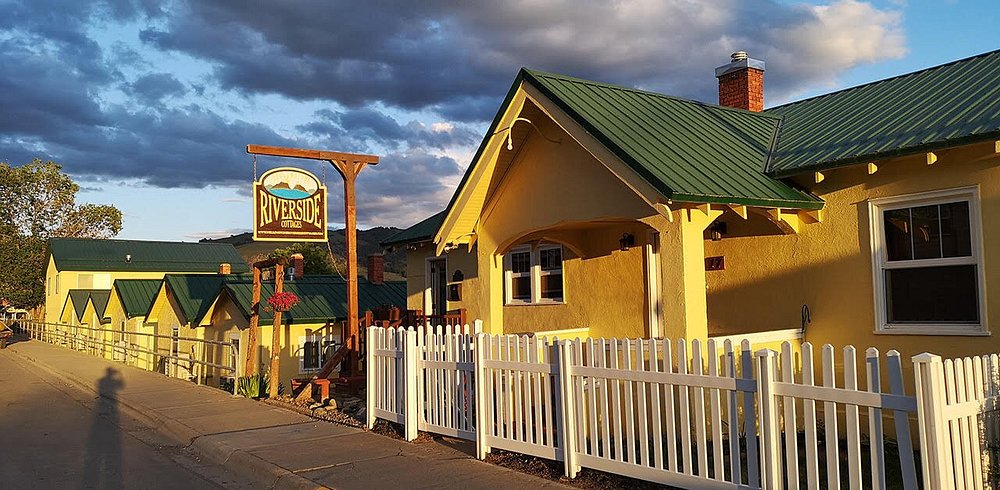
Gardiner is another solid option, located just 1 mile from the North Entrance.
- Yellowstone Riverside Cottages – Cozy cottages with river views and a convenient location near the park.
If you’re staying here and have extra time, you can also try a half-day rafting trip on the Yellowstone River, which adds a different kind of experience to your visit. Launching at an even more remote step of the beautiful upper Yellowstone River.
Camping at Yellowstone National Park
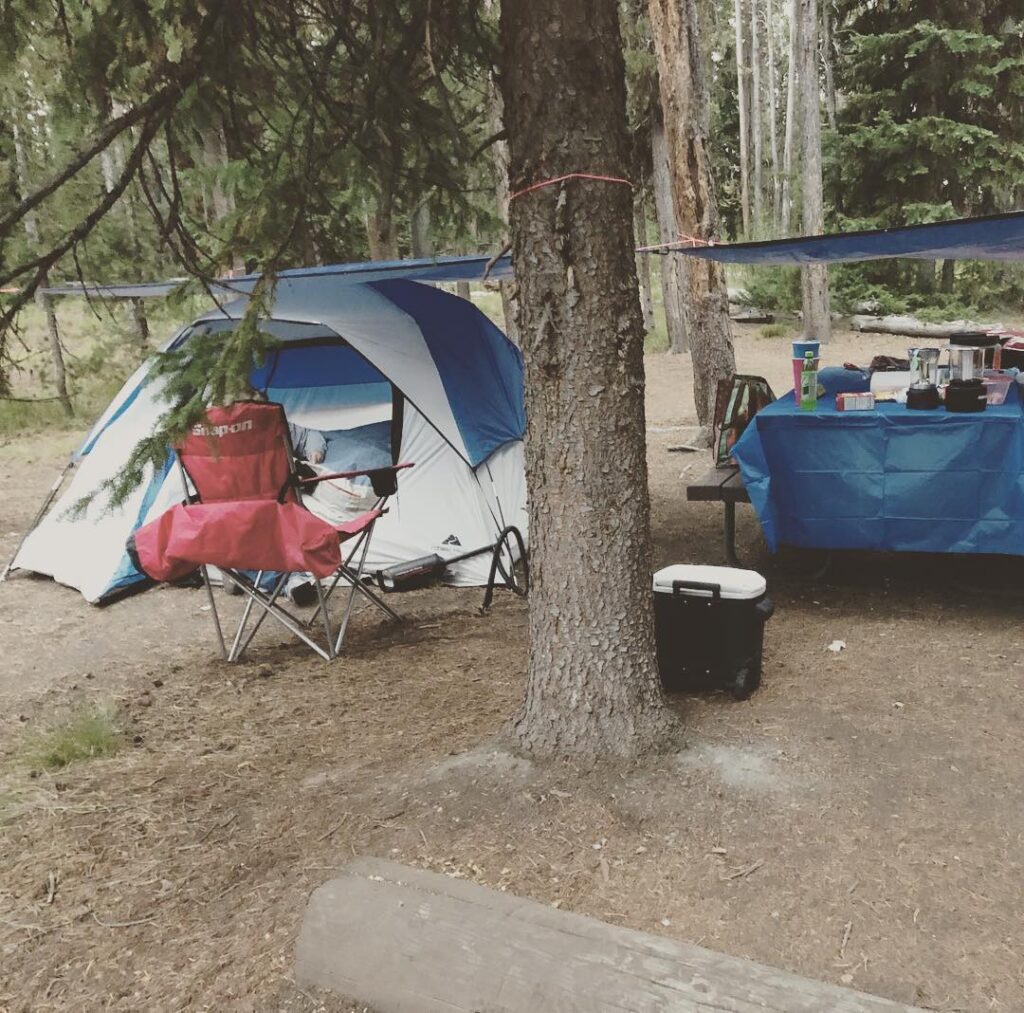
To book a spot if you are going to drive in, of the 12 campgrounds inside Yellowstone only 5 accepts reservations. I definitely suggest booking a site in advance to keep issues at bay last minute.
Find campgrounds nearby, and e-reserve Madison Campground is the firest come option that you can reserve. It may get crowded, but sites on the outer loop have some space. and it’s close to the river where you can dunk for your lunch!
On my trip, I spent two nights at Madison Campground because it is very centrally located within Yellowstone and not far from many of the most popular sights. On the third night, I stayed at Grant Village Campground on the south part of Yellowstone because we wanted to drive down to Grand Teton National Park.
If you value comfort but like the idea of camping, why not rent a camper van. For me it is always Travellers Autobarn. They have a 3 person sleepable van with stove, microwave, fridge and sink. Unlike most other campervan companies, they also provide unlimited miles! You can collect your van from their Los Angeles, San Francisco or Las Vegas locations.
Be sure to check out the Dyrt Pro app if you are not able to get a reservation in the park and would like information about campsites outside of it!
3-Day Yellowstone Itinerary
Yellowstone Itinerary: Day 1
- Lamar Valley
- Undine Falls
- Mammoth Hot Springs
- Boiling River
- Norris Geyser Basin
Yellowstone, on the other hand is wide open country and has an infinity of vast number of highlights which can be easily done with half a mile walks. You will do a lot of driving on your first day to reach the places along this route but they are all worth it.
Expect some unexpected delays by way of wildlife, most likely bison moseying across the road. A row of cars that stops 10 times out of every ten—it is very likely that something lies in the surrounding area.
This day makes for a bit of driving but all done within stunning landscapes and abundant wildlife to keep it interesting. Enjoy time in places like the expansive Lamar Valley and iconic terraces at Mammoth Hot Springs. These are some of the best places to watch and photograph wildlife, so have your camera ready!
Stop 1: Lamar Valley
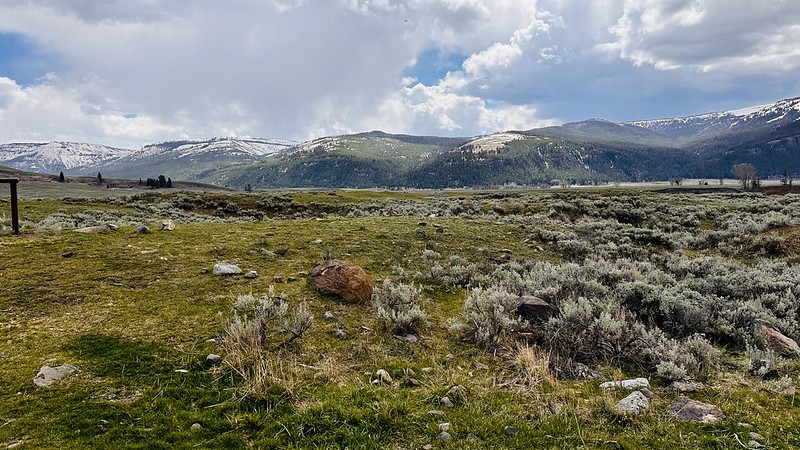
A distant location in the park, but so worth it — get your adventure started with a trip to Lamar Valley. Madison Campground/West Yellowstone is a 2 hour drive away. Lamar Valley is the place to go when looking for wildlife in Yellowstone and a must-visit for anyone hoping to see some of this park’s most iconic animals.
While touring the valley make sure you keep an eye out for bison and their calves, elk as well as pronghorn antelope (limited to North America this is one of its fastest land animals!), and even bears. On our visit we managed to see all of these things in an afternoon.
Make lunch and eat it with this beautiful backdrop in Lamar Valley. The views are unforgettable and it is a perfect way to wind up or down by soaking in the scenery. But also always practice great stewardship in that when wildlife is involved give it a wide berth for your safety and theirs.
Stop 2: Undine Falls
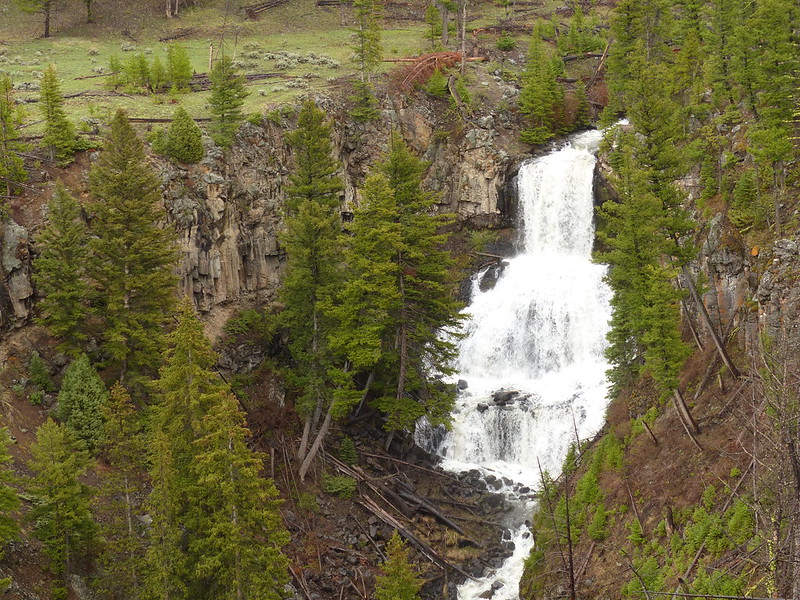
Stop by Undine Falls on the way back from Lamar Valley. An ideal place to pull over and see some falling water incapsulated by the park’s scenery.
My itinerary involved passing by Calcite Springs and Tower Falls between Lamar Valley & Mammoth Hot Spring on the way. Both had tragic news however as the drive-ways were closed for road repair. This are absolutely worth including on your list if the loop is open when you sneak in. He said they offer great scenic rest stops.
Stop 3: Mammoth Hot Springs
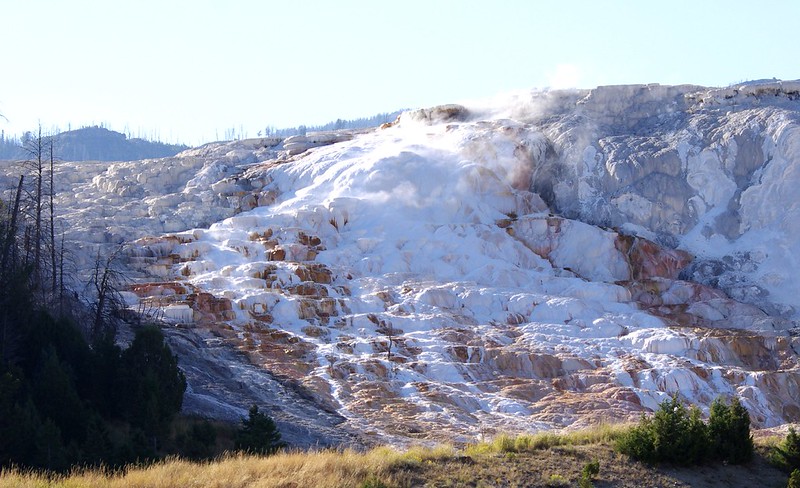
Your following target is Mammoth Hot Springs, well known for it’s incredible limestone travertine balconies. The formattions here looks similar to something you can see in a cave just out of the earth.
Alright, time for a tip- this is not an area to soak as the water was incredibly hot! This is one of the most popular attractions in Yellowstone, so you might want to time your visit for when there are fewer people around (this never actually happened during our stay).
Stop 4: Boiling River
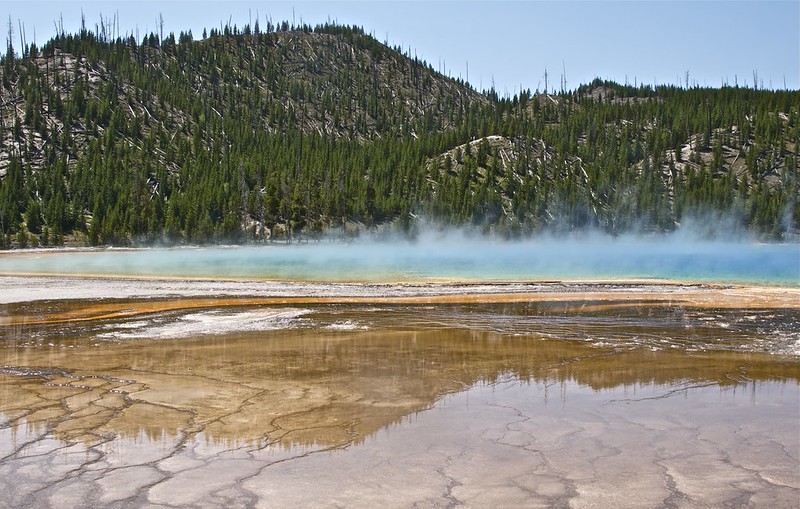
Boiling River is actually a hot spring where you are allowed to swim! It’s a hidden gem, meaning it doesn’t get as crowded here. Only a short 5-minute drive from Mammoth Hot Springs, it is excellent for soaking in natural hot springs.
Boiling River (though, when I went it was closed so unfortunately I couldn’t dip in), but that people have very rave reviews when said rive is open!
Stop 5: Norris Geyser Basin
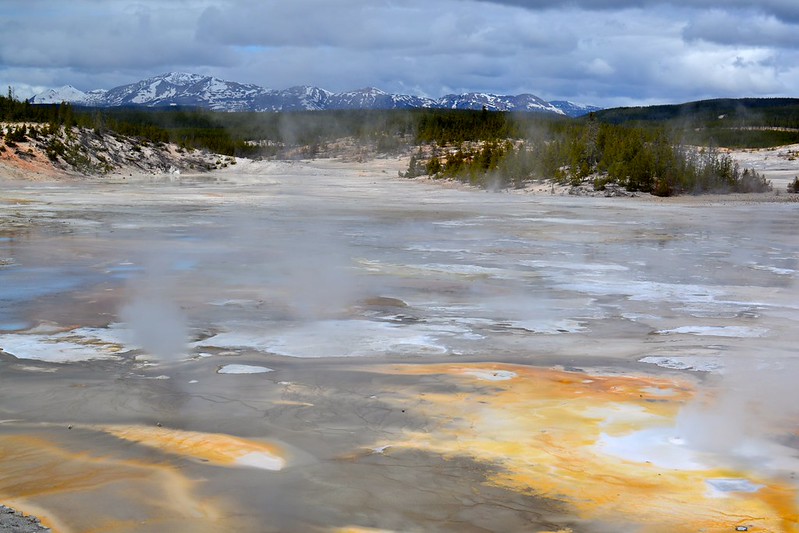
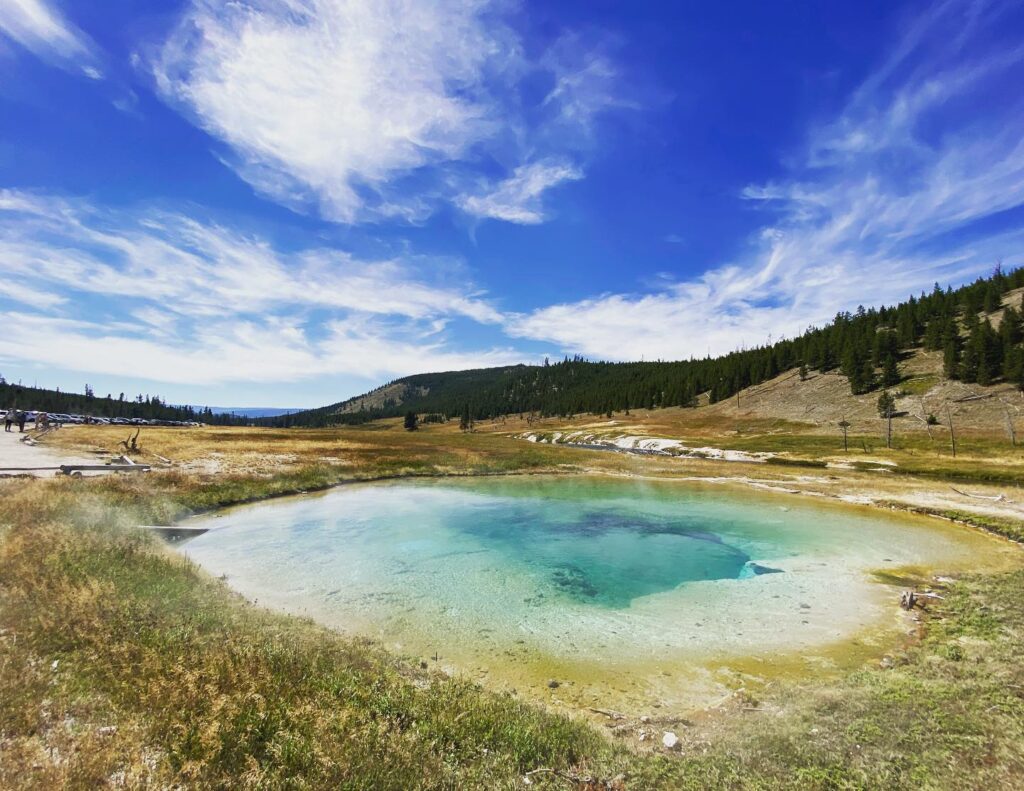
A fun fact: Did you know that 60% of the world’s geysers are inside Yellowstone? The park contains more than 10,000 hydrothermal features such as geysers (pictured above), mudpots and hot springs that produce mineralized water; fumaroles that vent steam from the ground into the air; and travertine terraces formed by calcium carbonate deposits.
Be sure to visit Norris Geyser Basin, one of the most active geyser basins in the park on your return trip westward toward your West Yellowstone area lodging.
The southern part of Norris Geyser Basin is divided into Porcelain Basin and Back Basin. Instead, we hiked the ¾ mile Porcelain Basin trail, a big open area with burst of color and bubbling geothermal features. The Back Basin, on the other hand has a 1.5-mile trail that takes you to thermal spots in amongst trees for more of an woodland experience. The two sections are such a contrasting site that Norris Point is always worth a stop on any itinerary.
Yellowstone Itinerary: Day 2
- Old Faithful
- Upper Geyser Basin
- Grand Prismatic Spring
- Firehole River
First Stop: Old Faithful
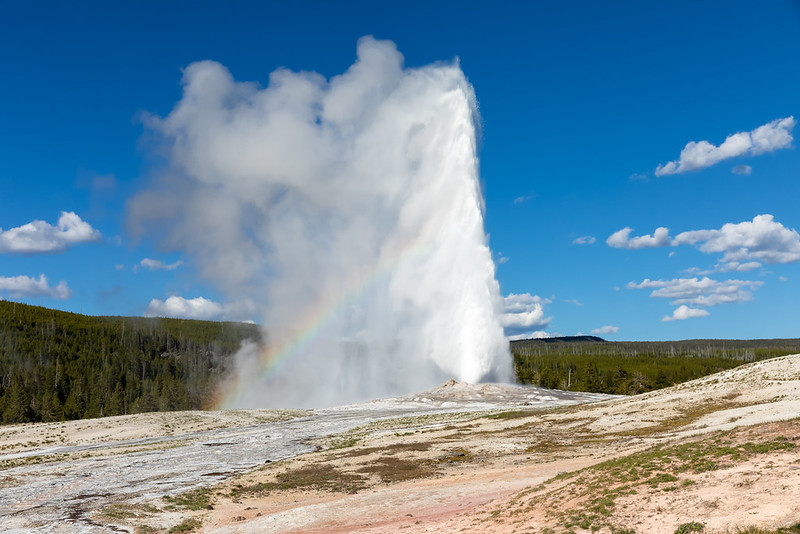
One of the most well known landmarks in Yellowstone, you simply cannot visit without seeing Old Faithful erupt (predictably) roughly every 75 minutes. The boiling waters erupt with 1-minute intervals and the height of each eruption reaches to as high as 140 feet in only a few minutes!
To follow the times of eruptions, download the Yellowstone National Park app. Come about 15 to 20 minutes early for a good spot. They have benches set up right in front of the geyser that you can sit on while waiting for it to erupt.
To avoid crowds, it’s best to arrive by 10:00 a.m —though this area is more crowded than other areas of the park.
Stop 2: Upper Geyser Basin
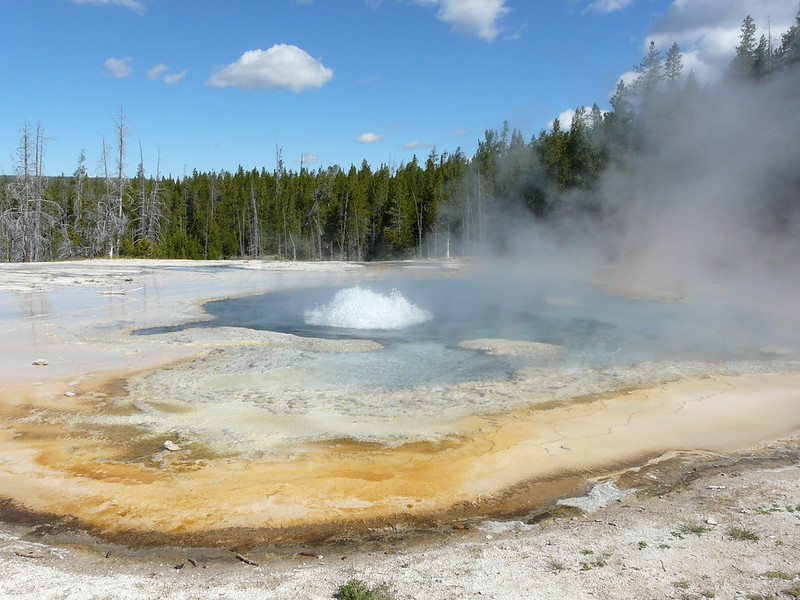
After watching Old Faithful erupt—or before, if you arrive early—take some time to walk through the nearby boardwalks in the Upper Geyser Basin.
This area has one of the highest concentrations of geysers anywhere in the park, and the paths make it easy to move between them at your own pace. As you walk, you’ll come across steaming vents, bubbling pools, and smaller geysers that often go unnoticed by those who rush through.
It’s worth slowing down here. The variety of geothermal features packed into this section makes it feel like a completely different part of the park compared to other stops, and spending a bit of extra time adds more depth to your visit.
Stop 3: Grand Prismatic Spring
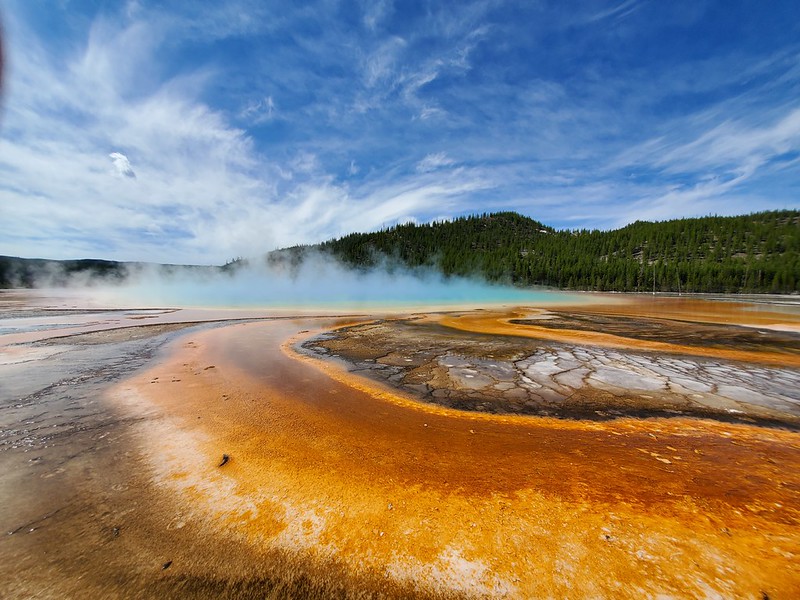
Grand Prismatic Spring is one of those places that truly lives up to expectations. The bold rainbow colors spread across the water create a view that feels almost unreal, and it stands out as one of the most memorable stops in Yellowstone National Park.
You can experience this spring from both above and ground level, and it’s worth doing both if time allows. Each angle gives a completely different perspective, making the stop feel more complete.
Grand Prismatic Spring from Above :
For a higher viewpoint, head to the Fairy Falls Trailhead and walk about 0.75 miles to the overlook. The trail continues further to Fairy Falls for a longer hike, but if you’re short on time, the overlook alone is enough.
From this spot, you’ll see the full shape of the spring and its color patterns stretching across the surface. It’s one of the best ways to take in the scale and contrast of the area.
Grand Prismatic Spring from Ground Level :
After the overlook, drive about a mile to the main parking area for Grand Prismatic Spring. It can get busy, so if the lot is full, roadside parking is usually an option.
Follow the boardwalk through the surrounding geothermal area before reaching the spring itself. Walking right beside it gives you a completely different feel—you’ll notice the heat, the rising steam, and the shifting colors up close. At times, even the steam carries hints of those same bright tones, adding another layer to the experience.
Stop 4: Firehole River
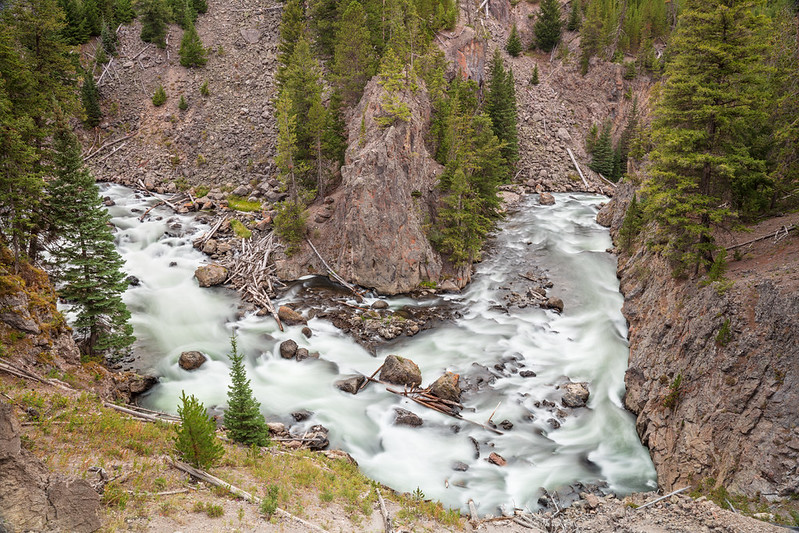
After spending time around Old Faithful and Grand Prismatic Spring, a stop at the Firehole River offers a refreshing break from the day’s heat and walking.
This is one of the few areas in Yellowstone National Park where swimming is allowed, making it a popular spot for visitors looking to cool down. The water here is warmed slightly by nearby geothermal activity, which makes it more comfortable than other rivers in the park.
Take some time to relax, dip your feet, or go for a short swim if conditions allow. It’s a simple way to reset before continuing with the rest of your itinerary.
Yellowstone Itinerary: Day 3
- West Thumb Geyser Basin
- Kayak on Yellowstone Lake
- Grand Canyon of Yellowstone – Artist Point
- Hayden Valley
Stop 1: West Thumb Geyser Basin
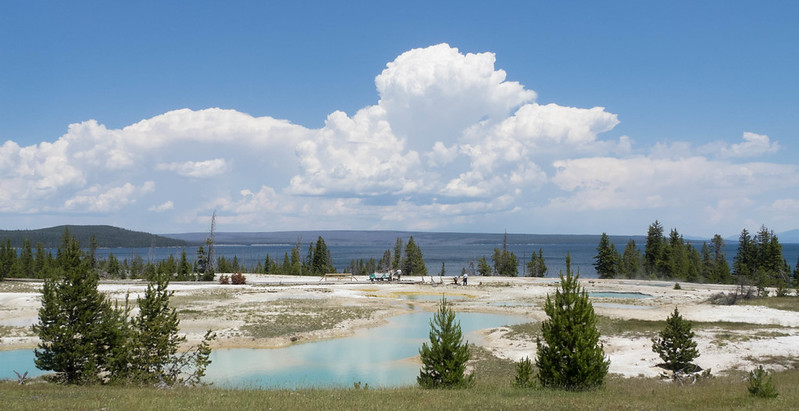
Kick off your final day in Yellowstone National Park with a visit to West Thumb Geyser Basin. This is a great place to begin the morning, especially if you enjoy getting out early for quieter views.
Arriving around sunrise adds a calm feel to the area. The light reflects off the water, and the steam rising from the geothermal features creates a soft, almost dreamlike scene. It’s a slower start compared to busier stops later in the day.
What makes this basin stand out is its setting along Yellowstone Lake. As you walk the boardwalks, you’ll see geysers and hot springs right next to the lake, which creates a striking contrast you won’t find in other parts of the park.
Stop 2: Yellowstone Lake
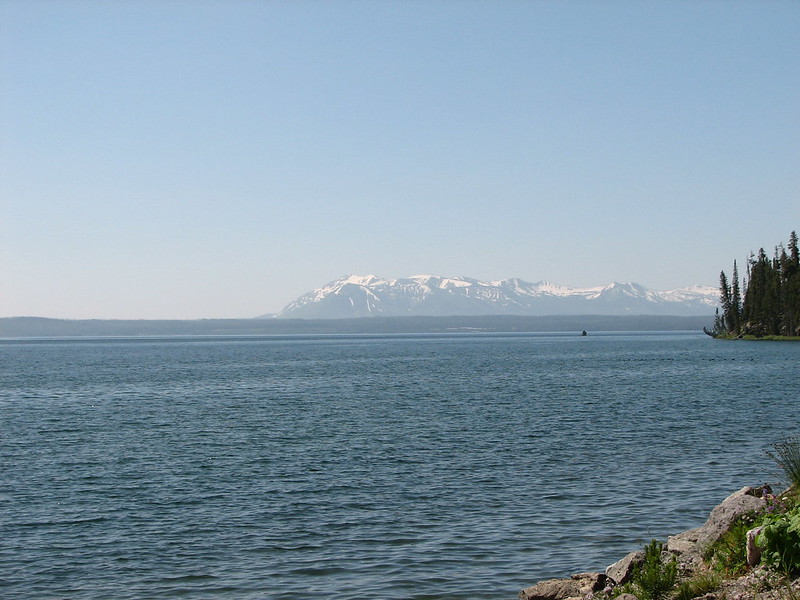
Yellowstone Lake is the largest high-elevation lake in North America, and it adds a different feel to your time in Yellowstone National Park. The wide-open water and surrounding landscape make it a great place to slow down and take a break from the busier geothermal areas.
The water stays cold throughout the year, averaging around 41°F, so swimming isn’t a good idea here. Even on warmer days, the temperature can be risky for most visitors.
If you still want to spend time on the water, kayak rentals are available nearby. Paddling across the lake offers a calm and scenic way to experience this part of the park from a different angle.
Stop 3: Grand Canyon of Yellowstone
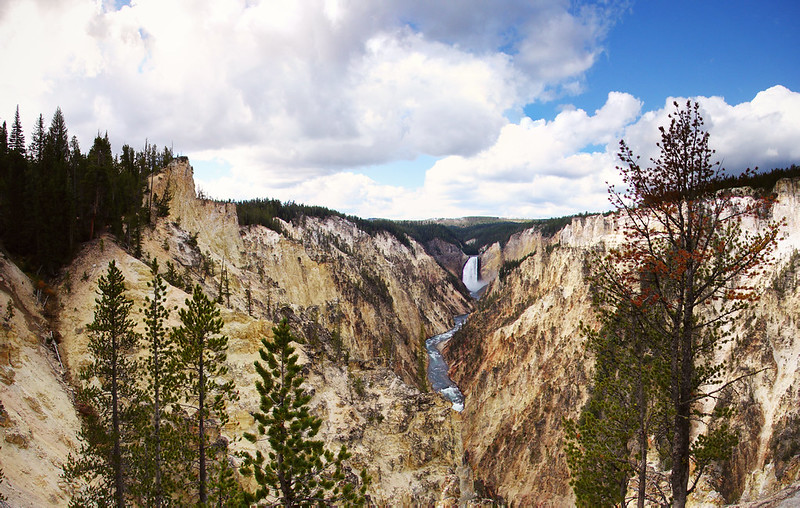
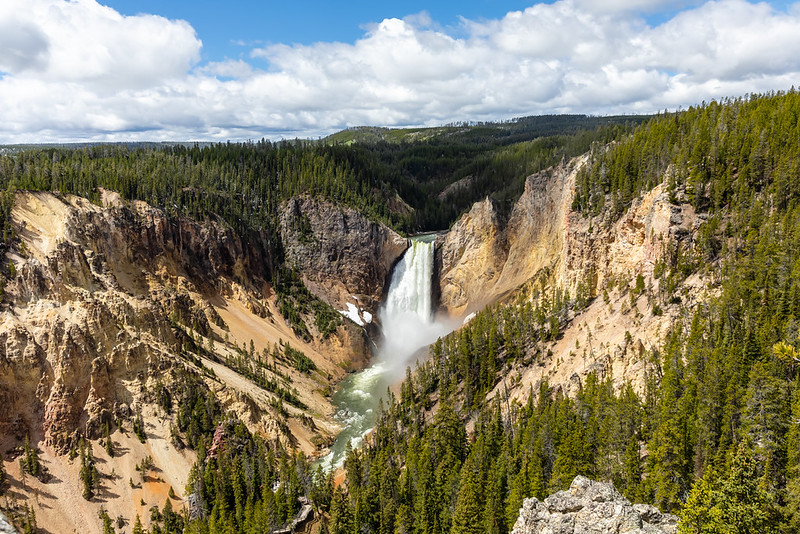
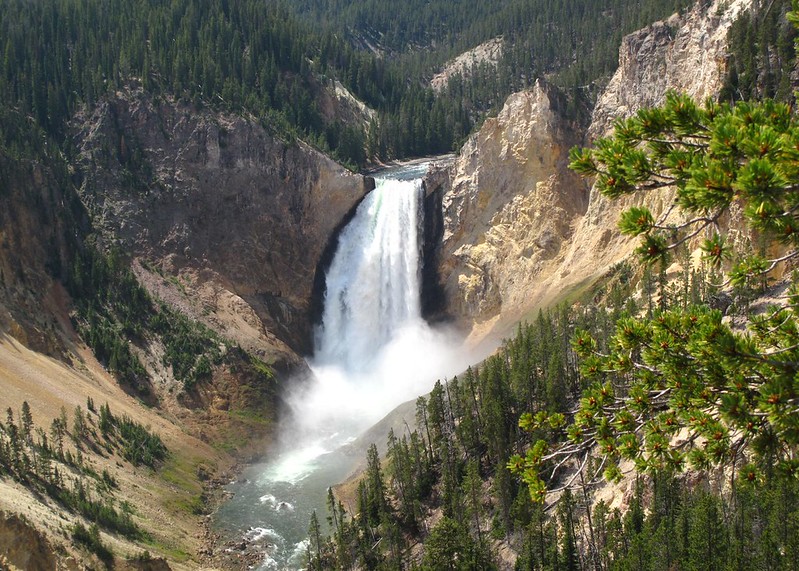
Head north about an hour past West Thumb to reach one of the park’s most beautiful locations, the Grand Canyon of Yellowstone. Start at Artist Point on the South Rim for a dramatic view of Yellowstone Waterfall roaring into the canyon walls.
After that, go to the North Rim’s Lookout Point for a view of them up close. You can go the easy walkway to get fairly high, or you go on the switchback trail up higher. Both rims have incredible overlooks, so spend time running the length of both.
Stop 4: Hayden Valley
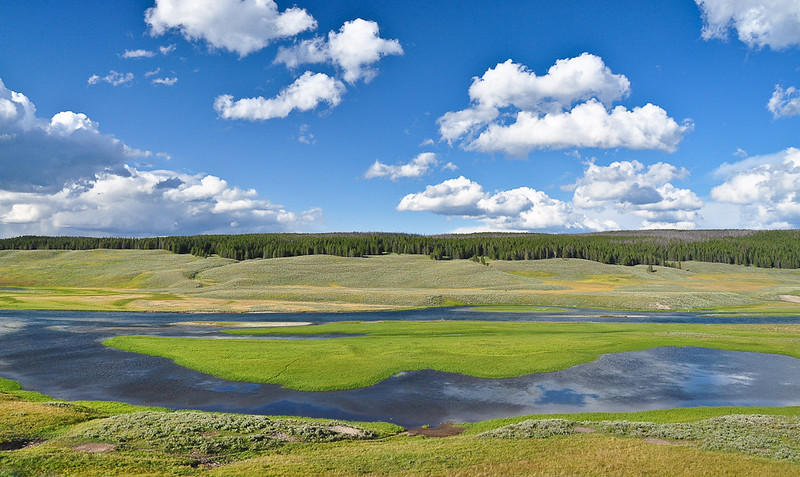
Plan a stop at Hayden Valley in the early evening, ideally between 5–7 PM, for a chance to spot wildlife during one of the park’s more active hours.
This area is known as one of the better places to possibly see wolves in Yellowstone National Park. Sightings aren’t as common as bison in Lamar Valley, but if seeing a wolf is on your list, this is a strong location to try your luck.
Give yourself some time here. Wildlife doesn’t follow a schedule, so patience matters. Even if you don’t spot wolves right away, the open landscape and chance to see other animals still make this stop worth it.
Yellowstone Packing List
- Sleeping Bag – This is the sleeping bag I use, and it’s been a game-changer for my trips.
- Inflatable Sleeping Pad – Comfort on the go! This pad makes camping so much better.
- Portable Rocking Chair – Seriously, this chair is a must-have for relaxing by the campfire.
- Flexlite Chair – A low-profile, space-saving camping chair that’s perfect for compact packing.
- The COLDEST Water Bottle – Keeps drinks colder longer than any other bottle I’ve tried.
- Decathlon 2-Second Tent – This tent is incredibly easy to set up, and the blackout material lets you sleep in a bit longer.
- Hiking Boots – My go-to boots for all my hikes—comfortable and reliable.
- Camping String Lights – These lights add a cozy touch to the campsite, and I love the ones I have!
- Travel Towel – A must for staying fresh on your adventures.
- Puff Jacket – I take this jacket everywhere! Lightweight, packable, and perfect for staying warm.
- Sunski Polarized Glasses – These sunglasses are a lifesaver for sunny days outdoors.
- Camping Cooler – Keeps your food fresh for longer, ideal for extended trips.
- Portable Phone Charger – Essential for keeping your devices powered up.
- Clif Bar Energy Chews – Great for a quick energy boost during hikes!
- Kuhl Softshell Pants – These pants are my favorite for cold-weather hikes or camping.
- Periscoping Roasting Sticks – Perfect for roasting s’mores or hot dogs over the fire.
- Camping Grill – A great addition for cooking up meals; this grill works like a charm!
Pro tip: I pack a bunch of SaladPower pouches and take them with me on my trips! The perfect way to pack in those daily veggies while adventuring through the mountains.
Other Important Notes for Your Yellowstone Trip
- No Cell Service: Much of Yellowstone is a dead zone for cell reception, it’s best to download the maps in your app. Once an invitation is received from on my side ( Wyoming map ) This means you can also use the map offline, a feature that has long been with google maps. I use it for 95% of my rides!
- Binoculars: Must haves for wildlife watching at a safe distance.
- Stay At A Safe Distance: Always ensure to keep a safe distance from wildlife, as this will be beneficial for the safety of both; yourself and them.
- Upgrade Your Rental Car: This is one destination where it definitely pays to splurge a little on that roomier, more comfortable rental. Given that you will spend quite some time inside a park driving around, having an improved ride is worth when traveling through.
- Markets & Supplies: Throughout Old Faithful, Grant Village, Madison and Canyon Here you can find the basics like gas, firewood, ice and snacks.
More Yellowstone National Park Related Articles :