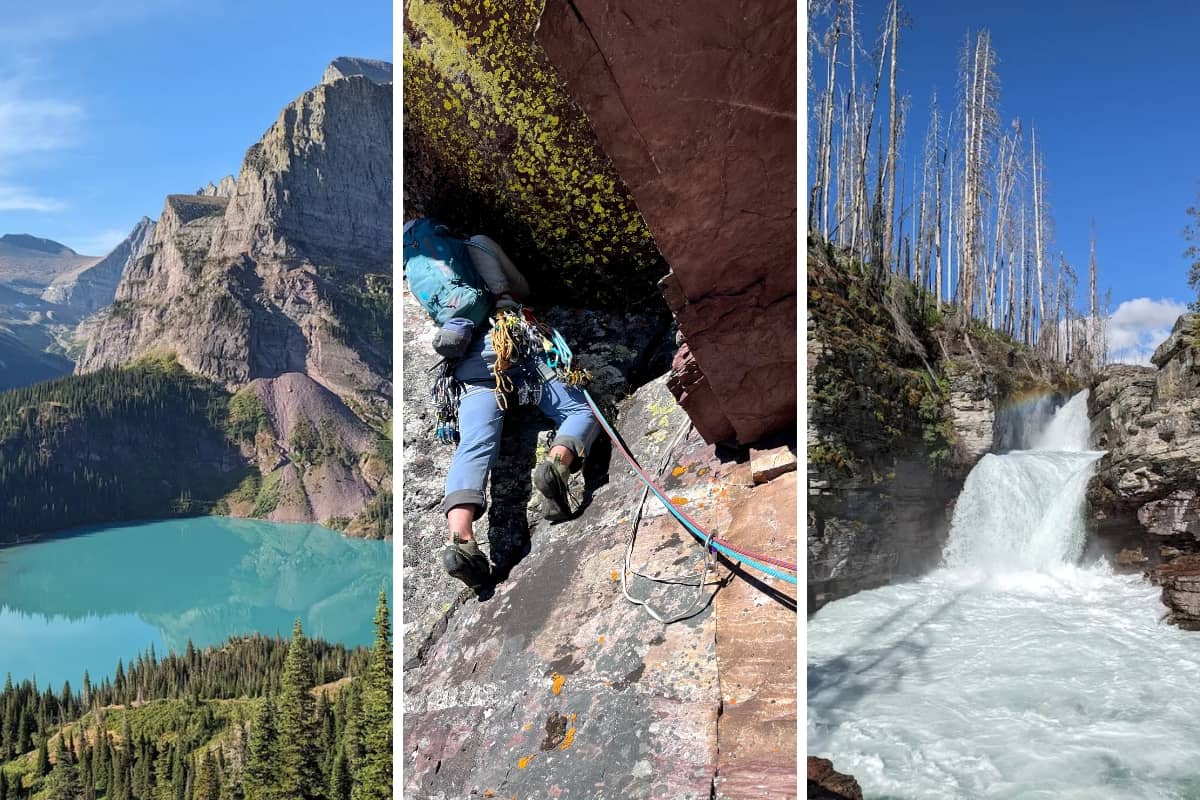
If you’re planning an outdoor escape, Glacier National Park stands out as a place where wild landscapes stretch in every direction. With more than 700 miles of trails, clear alpine lakes, and fields of seasonal wildflowers, it delivers a setting that feels both grand and deeply immersive. Even a short visit can leave a lasting impression.
Hiking may draw most visitors, but the park offers far more than trails. Scenic drives, boat tours, wildlife viewing, and quiet lakeside moments all add to the experience. Each area has its own character, so planning around specific regions can make a short trip far more rewarding.
The park is divided into nine distinct sections, and each one brings a different atmosphere and set of highlights. If time is limited, focusing on one or two regions allows you to go deeper instead of rushing through everything.
- North Fork
- Goat Haunt
- Belly River
- Many Glacier
- Lake McDonald
- St Mary
- Two Medicine
- Walton
- Waterton Lakes (Canada)
1. Journey Along Going-to-the-Sun Road
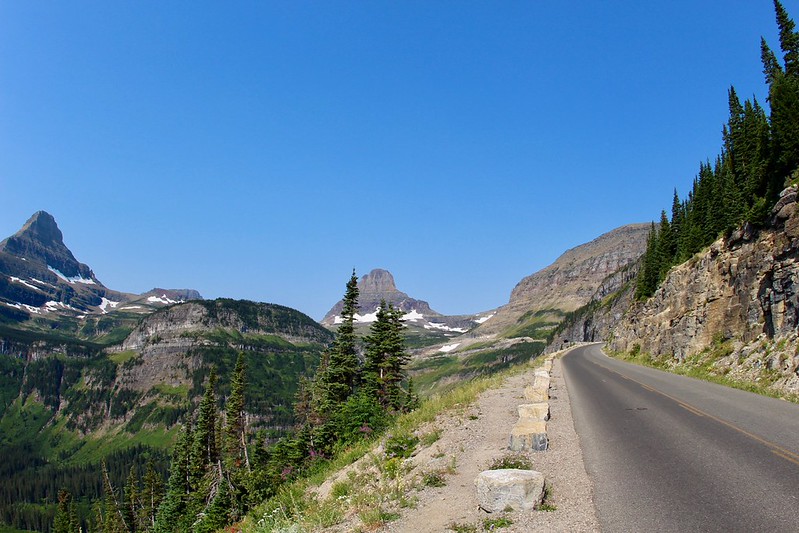
A drive along Going-to-the-Sun Road is often ranked among the most memorable road trips in the United States. This 50-mile route cuts across Glacier National Park, linking the west entrance near Lake McDonald to St. Mary Lake on the eastern side. Along the way, the road climbs high into the mountains, offering sweeping views, sharp turns, and dramatic elevation changes.
The drive itself takes around two hours without stops, but rushing through would miss the point. Pullouts, short trails, and overlooks appear throughout the route, giving you chances to pause and take in glaciers, waterfalls, and deep valleys. Logan Pass, the highest point on the road, is a highlight where alpine scenery opens up in every direction.
This route is one of the easiest ways to experience a wide range of the park in a short time. Instead of committing to long hikes, visitors can still enjoy major sights from the comfort of their vehicle while stopping at key viewpoints along the way.
Keep in mind that access is seasonal. The road usually opens from late June to mid-October, depending on snow conditions. Outside of this window, large sections remain closed due to heavy snowfall, so timing your visit carefully makes a big difference.
2. Discover the Wonders of Logan Pass
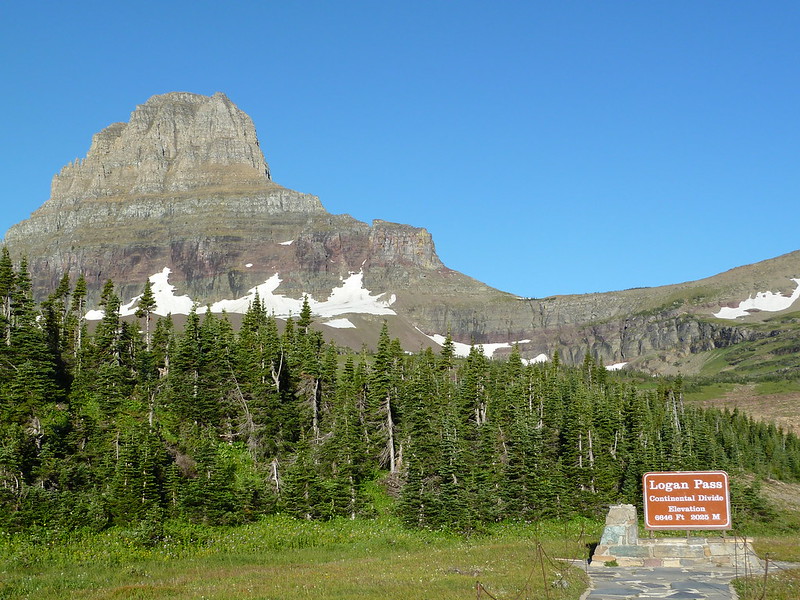
Set along Going-to-the-Sun Road, Logan Pass marks the highest point you can reach by car in Glacier National Park. Sitting above the tree line, this area opens up to wide alpine terrain, where snow can linger well into summer and wildlife often appears close to the trails.
Logan Pass serves as the starting point for two of the park’s most talked-about hikes. The Hidden Lake Overlook trail offers a relatively short walk on a raised boardwalk, leading to sweeping views over a glacial lake and surrounding peaks. It’s a solid option for visitors who want big scenery without a long trek.
For those ready for something more demanding, the Highline Trail begins here and follows a narrow path along the mountainside. The route delivers continuous views and a sense of exposure that makes the experience feel far more intense than the distance alone suggests.
Parking fills quickly during peak season, especially midday, so arriving early or later in the afternoon can make access much easier. Even without hiking far, simply stepping out at Logan Pass gives you a clear sense of the park’s high-altitude landscape.
3. Trekking to Hidden Lake Overlook
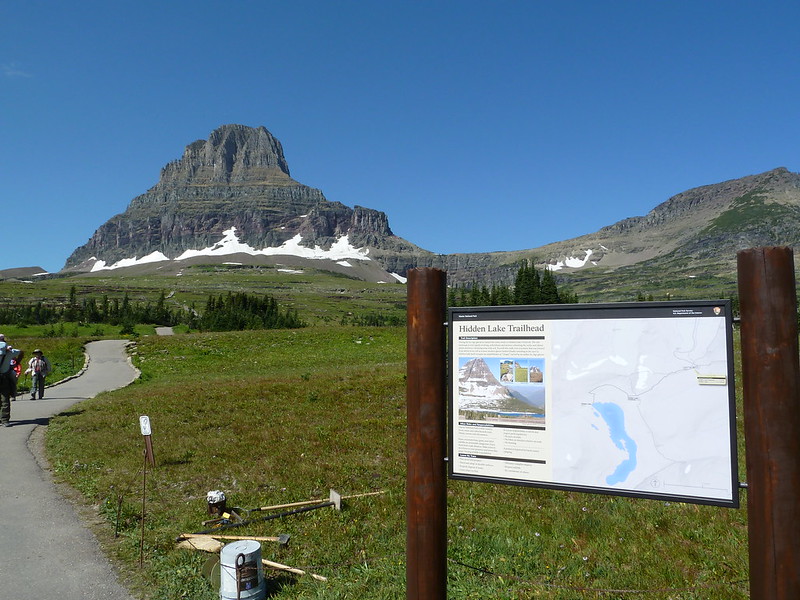
Starting near Logan Pass, the trail to Hidden Lake Overlook is one of the most accessible walks in Glacier National Park. The route covers about 2.8 miles round trip and follows a raised boardwalk for much of the way, making it suitable for families and those looking for a shorter outing.
As you move along the trail, open alpine slopes stretch out on both sides. In summer, the hills are dotted with wildflowers, while the wide views give a clear look at the surrounding peaks. Wildlife is common here—mountain goats and bighorn sheep are often seen grazing close to the path, sometimes within a short distance.
The highlight comes at the overlook itself. From this vantage point, Hidden Lake sits below, framed by steep ridges and distant summits. The view feels expansive and rewarding, especially considering how manageable the hike is. For many visitors, this spot delivers one of the best effort-to-reward experiences in the park.
4. Hiking the Highline Trail
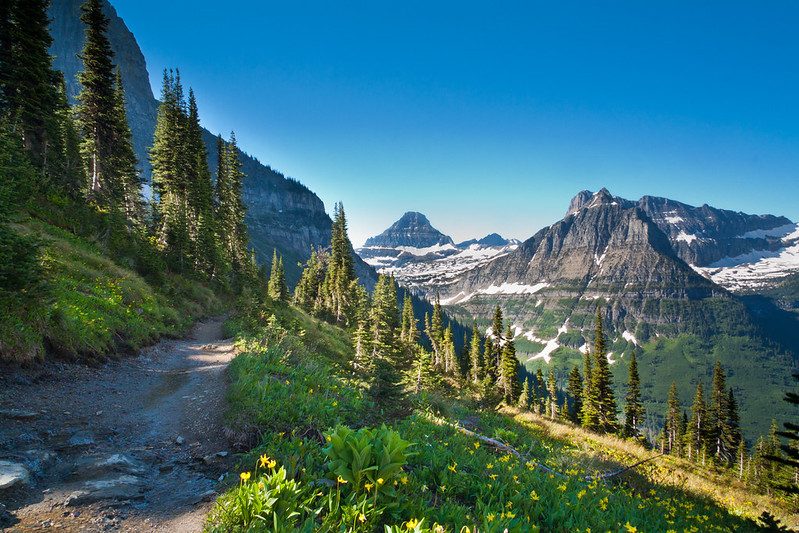
An iconic hike in Glacier National Park, the Highline Trail follows the vertical mark of the Continental Divide. This 12-mile point-to-point journey starts at Logan Pass and ends at “The Loop” along Going-to-the-Sun Road. Many hikers opt to walk one way and then catch the complimentary shuttle back to their starting point.
It’s classified as moderate even though it stretches for several miles and is largely downhill, with sweeping vistas at each curve. The Highline Trail offers stunning views, abundant wildlife and colorful wildflowers to hikers. There is a section called “Garden Wall,” where all along the mountain there are flowers in every color.
The Merrell trail climbs about 800 feet and not for the weak of heart. A mile 1/2 long section, forming “The Ledge” is a mere four to six feet wide until its close with cliffs one hundred and fifty foot down onto the road. The good news is, they fixed handrail cables in place this time.
5. Explore the Waterfalls of St. Mary Valley
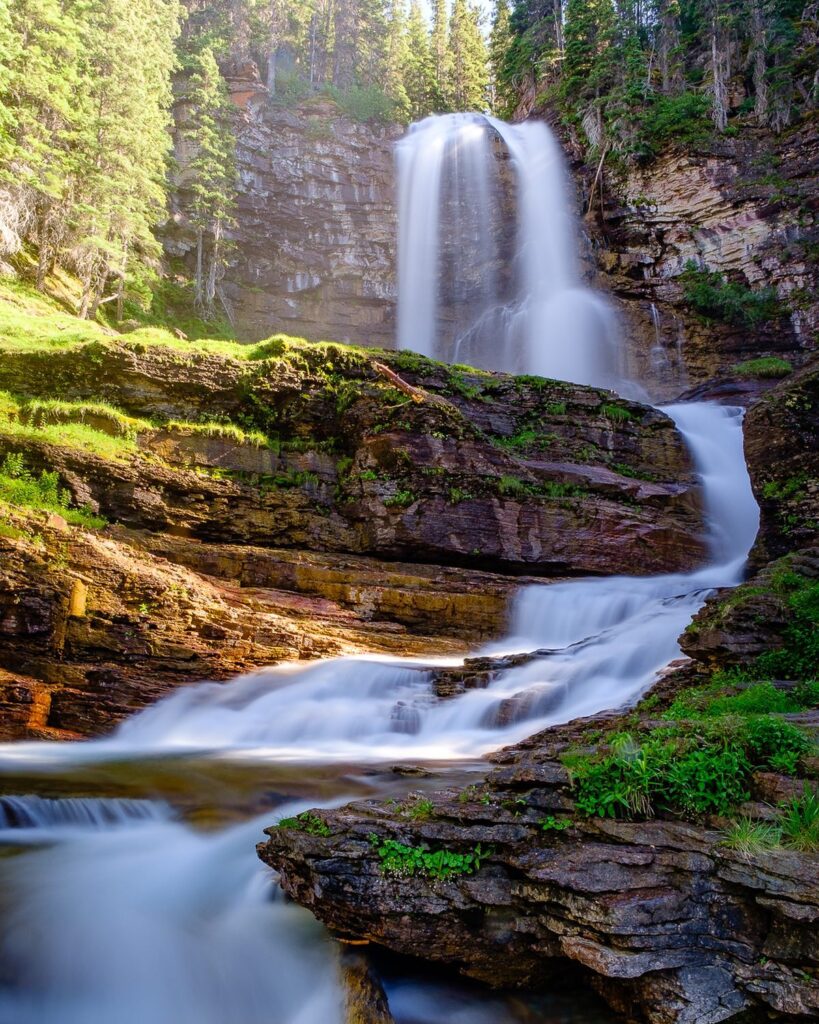
Located near Logan Pass, the St. Mary Valley features some of Glacier’s most impressive waterfalls. Virginia Falls is a highlight with mist from the falls to cool hikers at its base. Slightly farther off the beaten path, it’s also an even more rewarding hike to reach this waterfall and you’ll pass a number of smaller cascades en route.
At first glance this picture seems either staged or taken in some sheltered park, but no. St Mary Falls is a brief walk from the road yet feels completely cut off from the hustle and bustle of everyday life at ground level! The waterfall cascades into three rocky overspills and beneath a quaint wooden footbridge to enchant all who behold it.
While hiking the trails around St. Mary Valley, watch for American Dippers zipping in and out among waterfalls to feed on insects, aquatic larvae or fish eggs rubbing along rock bottoms.
6. Discover the Many Glacier Area
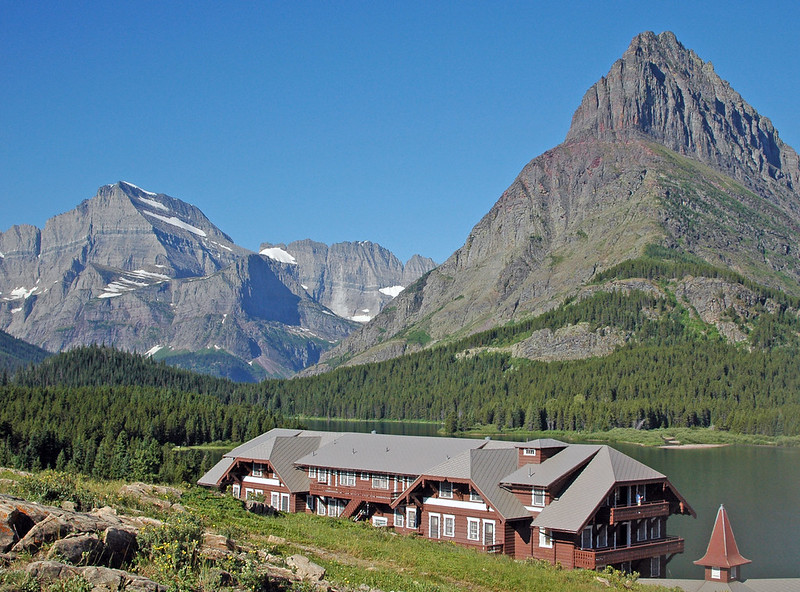
Many Glacier is a lively hub within Glacier National Park, offering a variety of activities and experiences. Visitors can stay in a charming Swiss-inspired hotel, join guided tours, paddle on the serene lakes, or embark on scenic hikes to nearby glaciers.
Lake Josephine and Swiftcurrent Lake are two of the most popular spots in the region, providing picturesque settings for outdoor adventures.
Things to Do in the Many Glacier Area
- Stay at Many Glacier Hotel for easy access to trails and lake views right from your doorstep
- Ride through Many Glacier on a classic Red Bus Tour for a relaxed sightseeing experience
- Go horseback riding along scenic routes that pass through valleys and mountain backdrops
- Paddle across calm waters or rent a kayak on alpine lakes within Glacier National Park
- Take a boat tour on Swiftcurrent Lake for a different view of the surrounding peaks
- Hike to overlooks and waterfalls on some of the most rewarding trails in the park
Hiking Trails in Many Glacier
- Apikuni Falls
- Cracker Lake
- Grinnell Glacier Viewpoint and Grinnell Lake
- Iceberg Lake
- Piegan Pass
- Poia Lake
- Ptarmigan Falls, Ptarmigan Tunnel, and Ptarmigan Lake
- Redrock Falls
- Swiftcurrent Pass and Swiftcurrent Nature Trail
7. Experience a Night at the Many Glacier Hotel
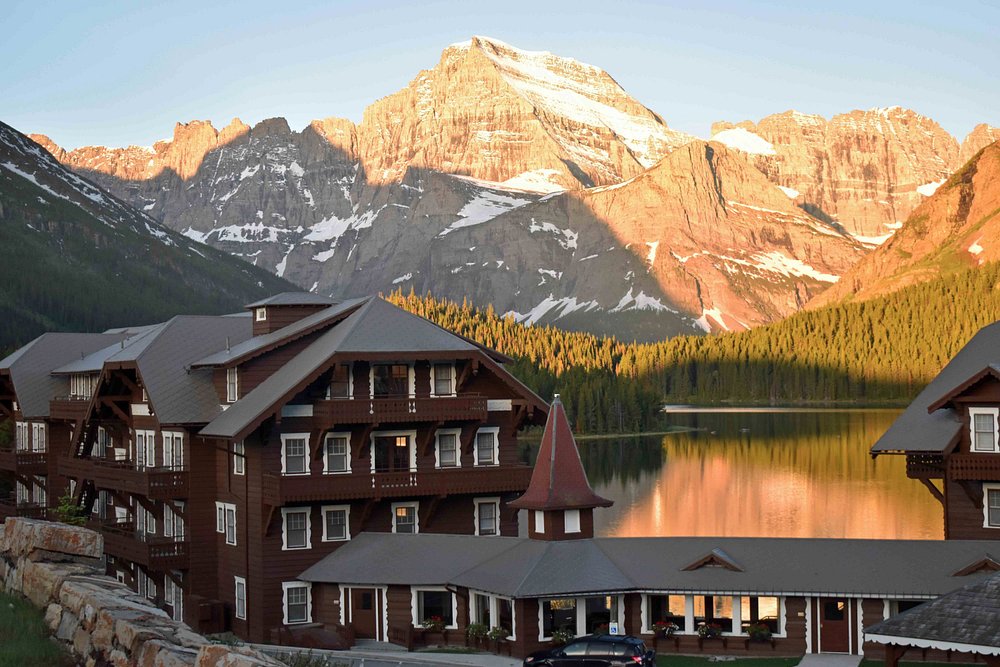
Before starting your hike to Cracker Lake or Grinnell Glacier, make sure you visit the Many Glazier Hotel. If you are not sleeping over, this place is a nice stop and the charm starts as soon as it comes into view.
The picturesque Swiss-style hotel is situated on the edge of Swiftcurrent Lake. The decor is inviting, a mix between neighbors eager to dine and visitors welcome for lunch or shopping in the souvenir alley. It is also a hub of activity for trailheads, and hotel guests can hit the surrounding trails by day.
Many Glacier Hotel , If you need a break from your park respite, Many Glacier has just the spot for sitting down to chow and drink in prime wooded setting while connecting back with The Park.
8. Hop Aboard the Iconic Red Bus Tours
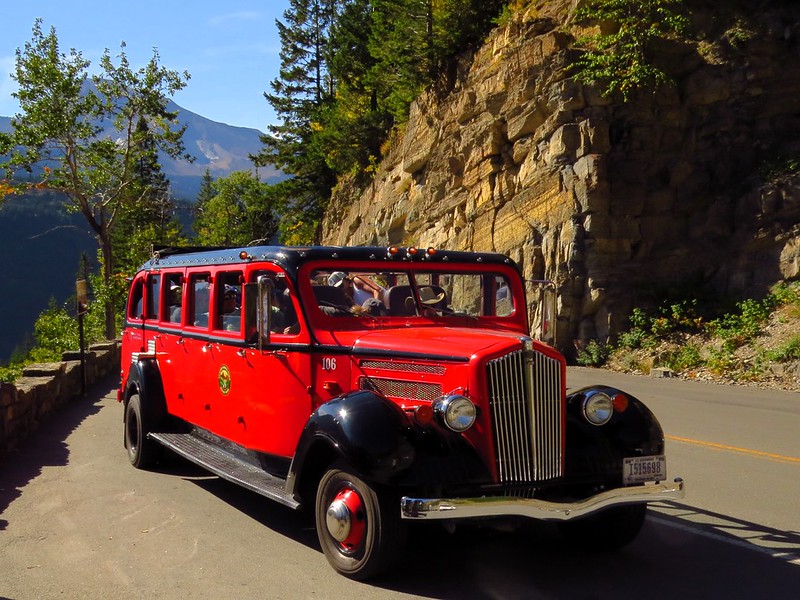
If you are wanting to fill a whole day but yet have no clue what other hikes or activities this park offers, the Red Bus Tours offer an awesome experience in actually getting to see and learn about Glacier National Park while still taking it pretty easy.
These tours have been around since the 1930s, and they use old-timey buses for the rides to give visitors a taste of what it was like to ride in one of Yellowstone’s classic vehicles. Most of the route is on stunning Going-to-the-Sun Road with tours taking as long two and a half hours (starting either at West Glacier or St. Mary) to up to nine in length from East Glacier).
During the journey, there are several points where you can stop for photos shoot and appreciate awe inspiring scenery.
The Red Bus Tour is great to do after completing a hike—or if you just want or are ready for something easy and different!
9. Saddle Up for Horseback Riding in Glacier National Park
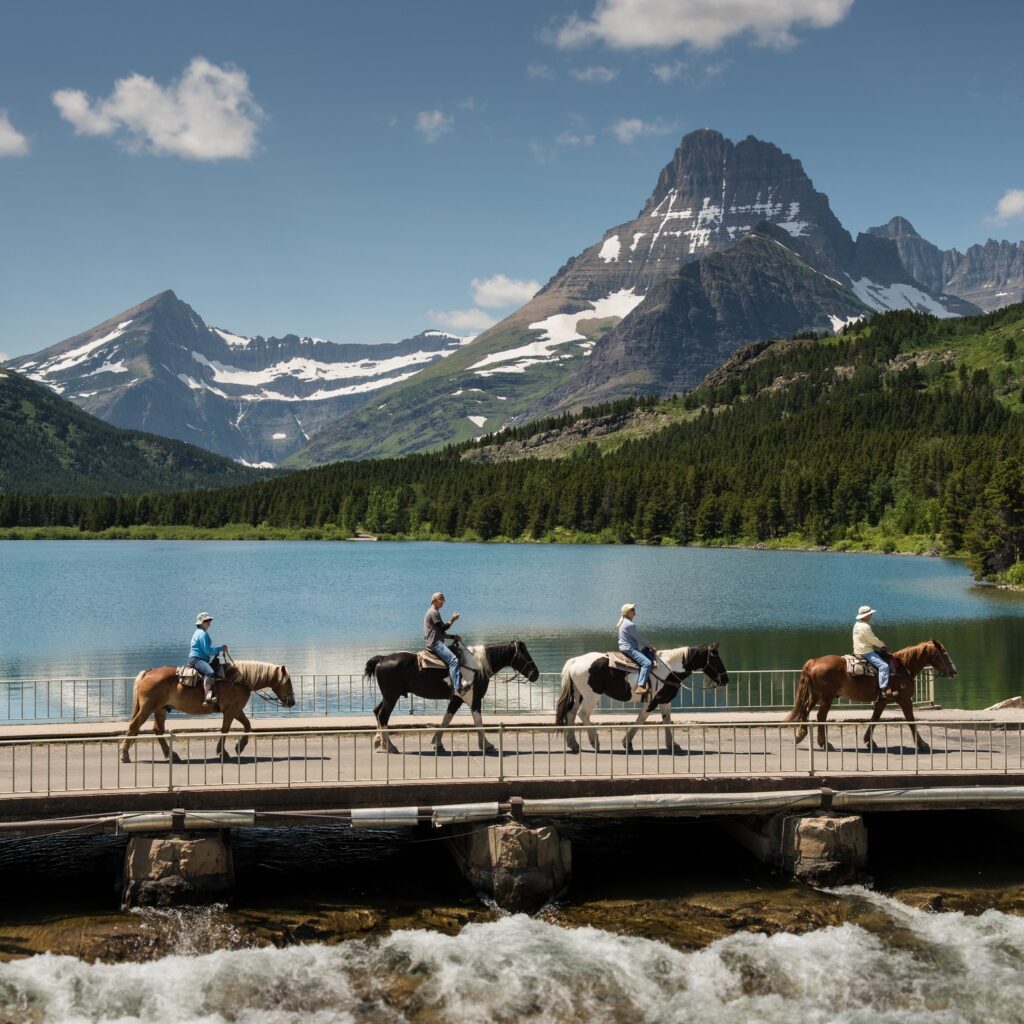
Glacier National ParkHorseback riding is a time honored adventure and tradition in Glacier National Park, where horse travel has been used for more than one hundred years. The departures from Many Glacier, Apgar and Lake McDonald are a one of kind way to experience the parks wild beauty as these guided rides offer come very highly recommended.
Rather than traditional hiking trails, horseback rides carry you down many less-traveled routes that are rarely ventured upon by foot. A great option for a relaxing way to explore that beats the usual National Park activities, which can get tiring.
Through a lens of yesteryears the guides and rangers shared intriguing tales about history in their own experiences tackling your individual trek into an adventure one that will leave you with memories beyond any simple solo experience.
10. Unwind at Lake McDonald
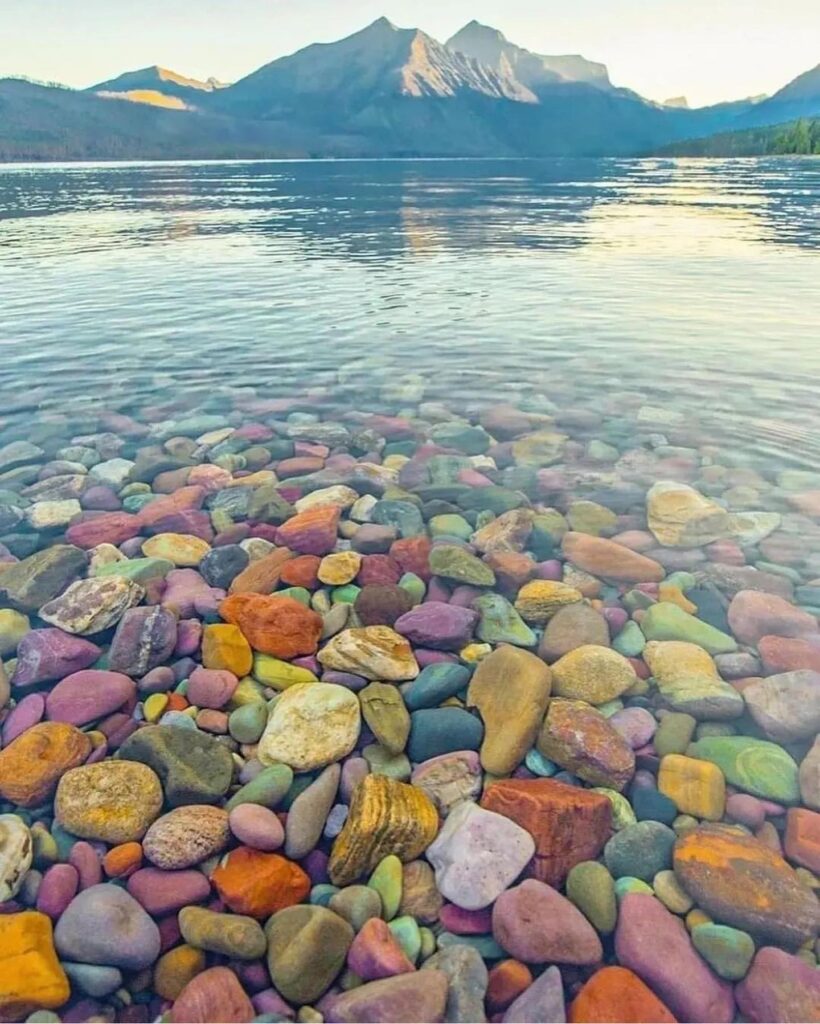
One of the most stunning spots in Glacier National Park, and certain at the top of it’s list foodie landscape sites, Lake McDonald ranks as this park’s longest water body. With it’s pristine surface rippling like a mirror, the lake reflects nearby mountains in shades of blue and gray; colorful rocks edge shore for miles.
It also provides panoramic views of white peaked mountains mirrored spectrally across the water from this great lake to those on it’s western shore.
This ancient glacier lake has a diverse amount of plant and animal species. Visitors often spend the better part of a day in this scenic area, going on quiet picnics, enjoying views across McDonald Lake or stopping by the historic wood and-goose-quill pen Man-made spectacle Lodging.
More adventurous, the area here is sprinkled with walking tracks which then spilt off into bush/walking trails so a great launching spot for an extended adventure.
11. Stroll Along the Trail of the Cedars
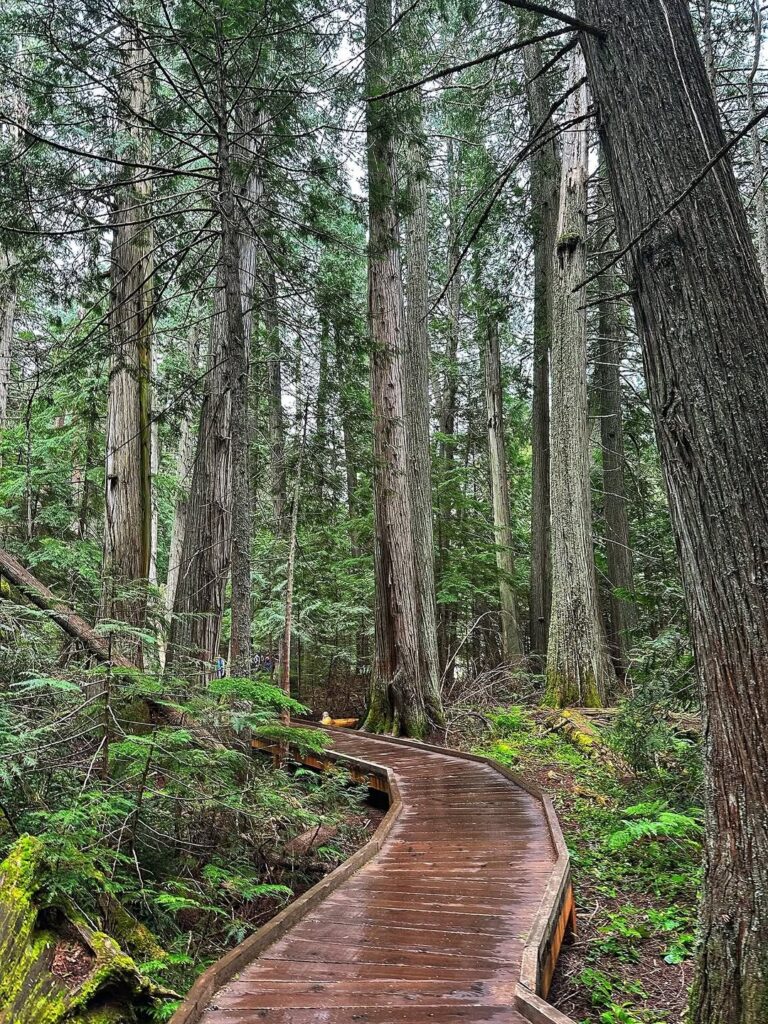
Trail of the Cedars Trail The hike through this ravine is one of our favorite Lake McDonald hikes. This easy and pleasurable walk is on a boardwalk which gives us elevated views of the riverscape, alive with salt water crocodiles.
You are encircled by impressive cedar trees which with the earthy scent of nature around, it completes an unforgettable scene. It is also one of the few wheelchair accessible trails in Glacier National Park, so it is an inclusive destination for those who love nature.
So, this version will maintain sentence diversity while following your wordline and keeping separation between the paragraphs of yours in an entertaining manner.
The forest is a more intimate experience and often one of the best places to see Glacier Park wildlife, if only in quick fleeting glimpses.
You will hike across a footbridge over Avalanche Creek which flows into the headwaters of Crystal Lake providing an aerial view of Avalanche Gorge.
This is the trail to Avalanche Lake where you arrive. You will see other images of the toppling glaciers-the cleaving gorges. The trail ends with views of the Emerald Bay shoreline at 8,600 feet.
12. Paddle Through Two Medicine Lake
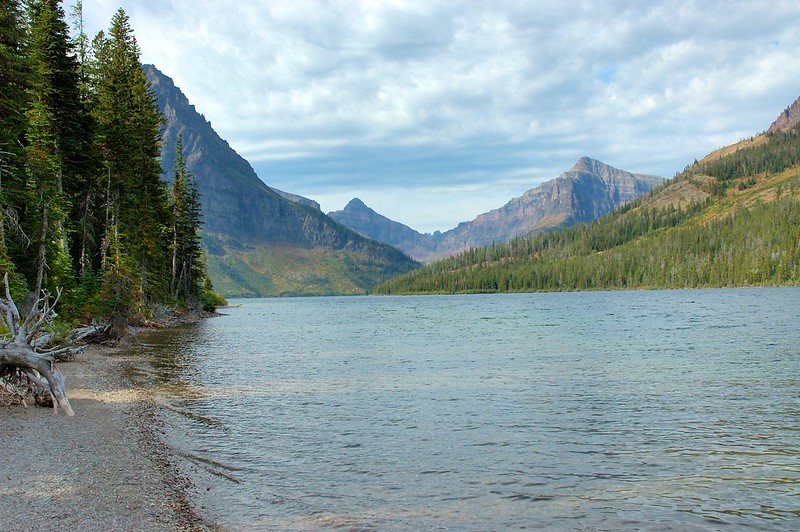
Two Medicine was once a hub for tourists, but since the completion of Going to the Sun Road it has been more peaceful and quiet here—perfect if you want to see some stunning views without having to fight through throngs of people.
Two Medicine Lake shimmering dark blue, bordered by steep cutthroat peaks. The slopes appeared even to be sinking down into the lake, like a volcanic cauldron.
The Two Medicine area is home to several trails leading to cascading waterfalls, looping around cairn-topped peaks and offering elevated views. Two Medicine is a wilderness camping spot within Glacier National Park for the rugged explorers who want to make it more than just a day trip.
If you fancy traveling a bit all around, take the ferry that crosses this lake so it will drop you on one side of the lake without having to go too deep in. Taking the ferry ride is a cool way to enjoy the view and offers an extra fun segment of your trip.
13. Venture into the North Fork and Goat Haunt Areas
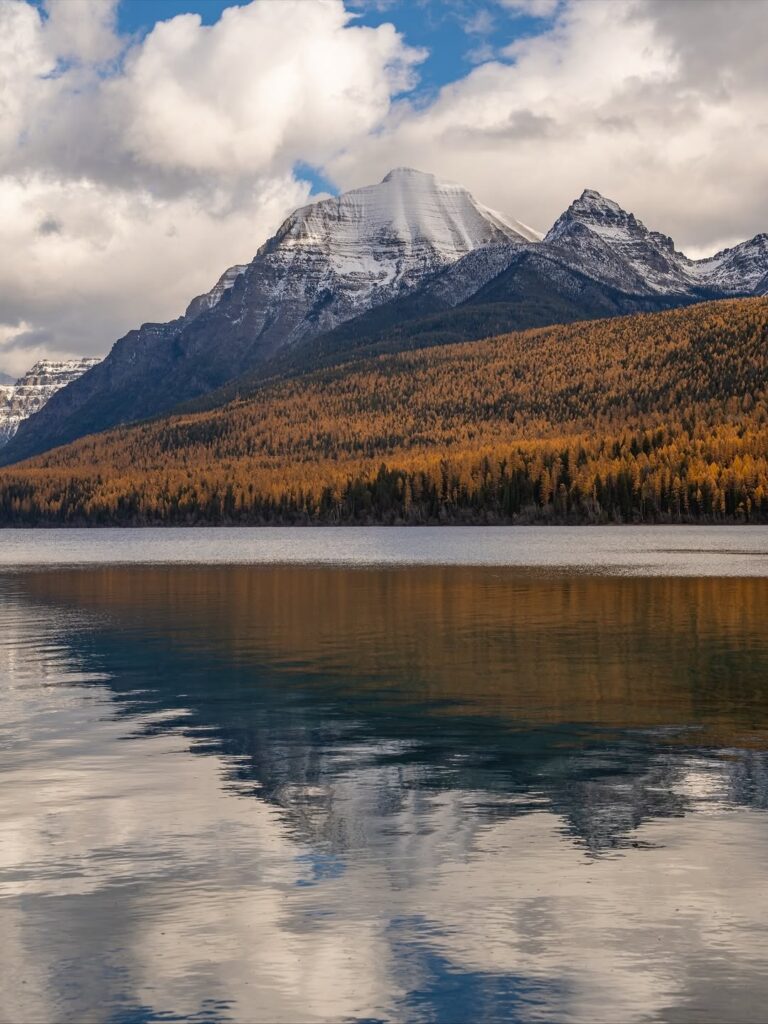
For those who prefer quiet over crowds, the regions of North Fork and Goat Haunt offer a completely different side of Glacier National Park. This is where the park feels raw and distant, far from the busy roads and popular viewpoints found elsewhere.
Reaching these areas takes time and patience. Access is mainly via long stretches of rough dirt roads, and the drive itself can take most of the day. Facilities are minimal, so planning ahead is important. Because of this, far fewer visitors make it out here, leaving wide-open spaces and a quieter atmosphere.
Those willing to take on the journey are rewarded with landscapes that feel untouched. Forests stretch for miles, wildlife sightings are more common, and the overall pace slows down in a noticeable way. It’s a strong pick for travelers who want a deeper connection with nature rather than a quick stop.
If you’re exploring the North Fork area, make time for Bowman Lake and Kintla Lake. Both lakes offer clear water, mountain views, and a sense of isolation that’s hard to find in the more visited sections of the park.
14. Raft the Waters of the Flathead River
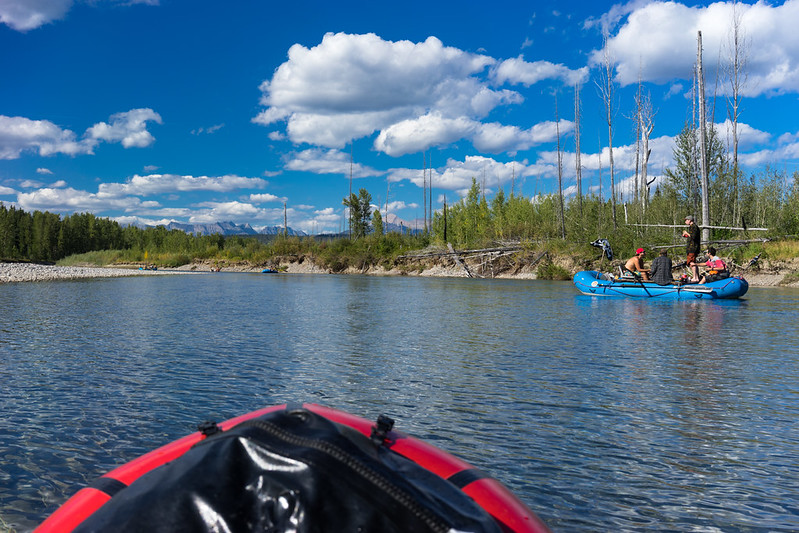
The Middle Fork and North Fork of the Flathead River provide 2 premiere rafting trips on different sections. The places are managed by a joint effort of the National Park Service and the National Forest service making it one of so many water adventure seekers’ top destinations.
The river is quite wide, and on this day only a handful of local rafting companies were out. Adventurists will be tested on half-day Class to and full day class IV levels of pristine waters perfect for those who want a more challenging experience from beginners, run with seasoned or first timers.
Or for a more subdued experience, families can enjoy the slower-paced float tour course where you still get to take in all those magnificent mountain oak trees.
Because every rafter enjoys a front-row seat to the gorgeous scenery of Glacier National Park, along with occasional glimpses of wildlife on shore and refreshing windows for staring at clear water just below.
15. Camping and Backpacking in Glacier National Park
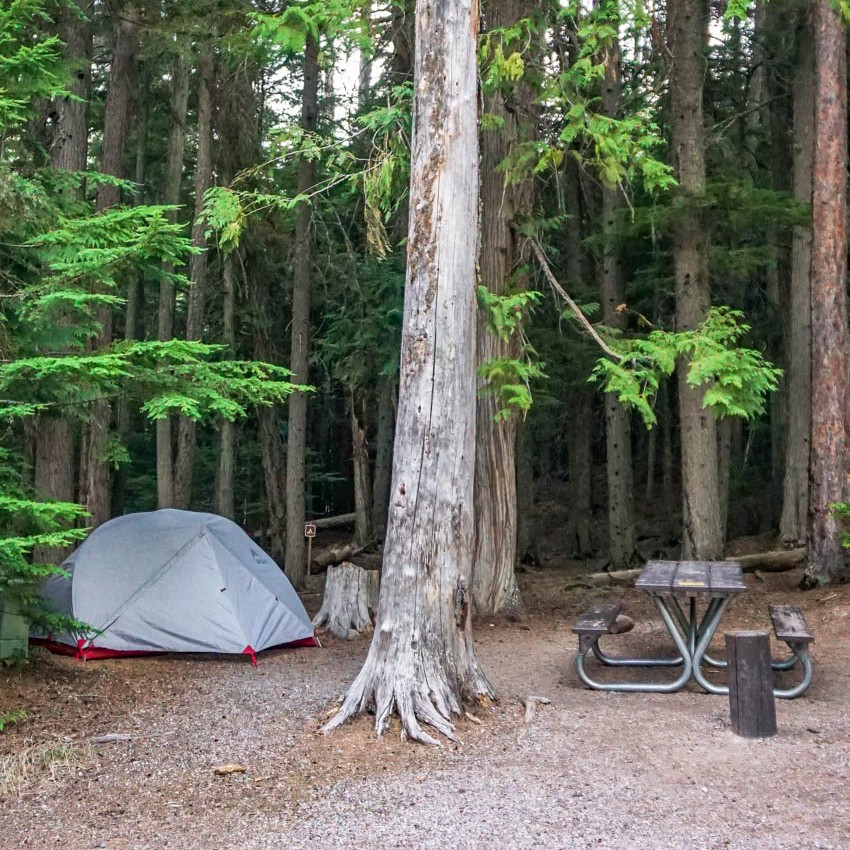
Camping is an amazing way to become fully immersed in the wilderness of Glacier National Park and will give you a deeper understanding about how beautiful this park really is. Adventure lovers can revel in the park, roaming through its expansive forests and hundreds of trails.
Every 13 developed campsites, and countless other undeveloped camping opportunities. Many campgrounds are first-come, first-served which makes it a quick getaway option if you choose not to make reservations. You can sleep in your tent — no need to return back to where you are lodging!
It also allows you to experience the less crowded times in Glacier, when visitor levels are lower. You can surf backcountry trails with very few other humans during early morning or late not night hours.
More Related Articles :