
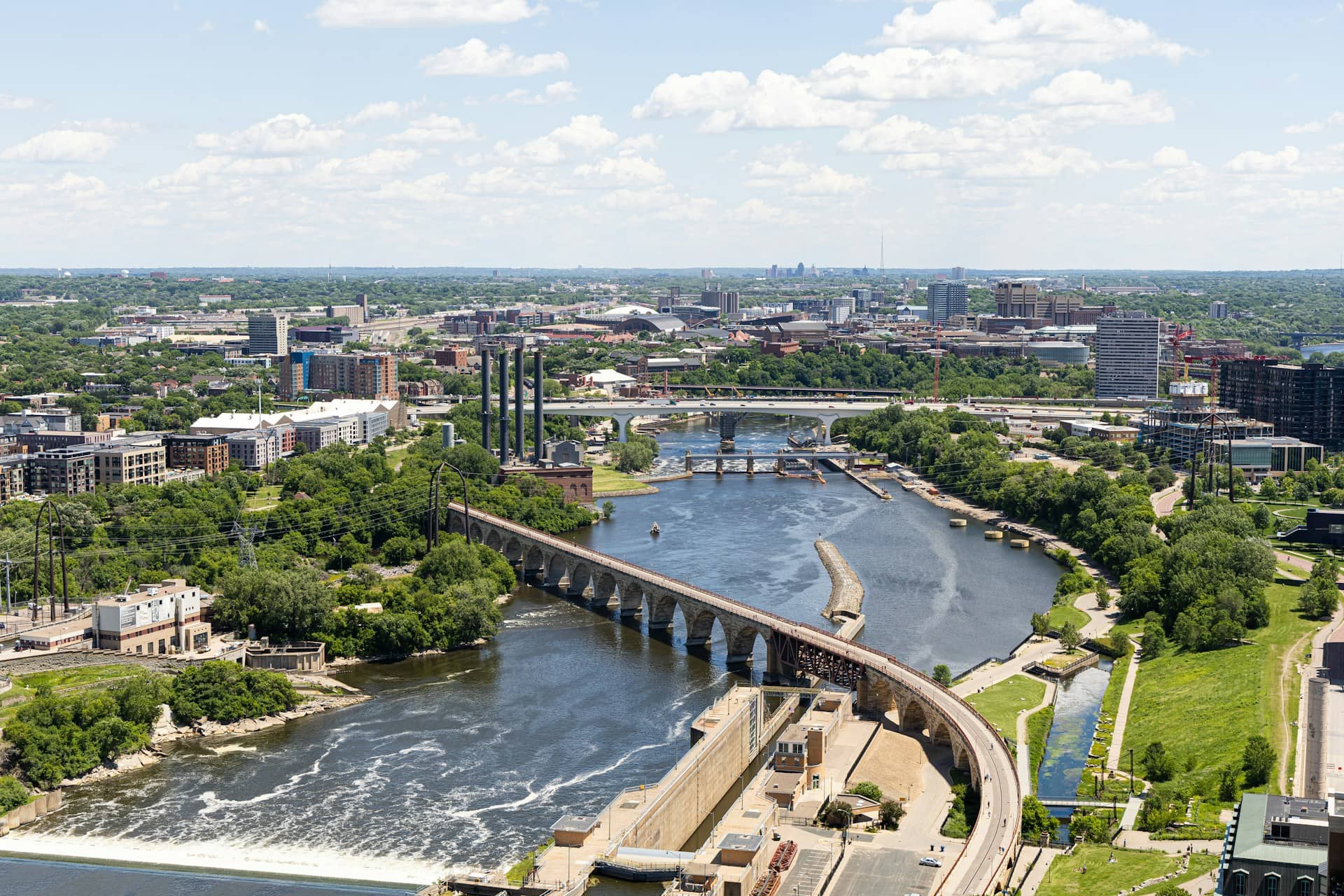
Looking for ideas on what to do in Minneapolis? You’re in the right place. This guide walks through top attractions, local highlights, and a range of activities across the Twin Cities area, with a primary focus on Minneapolis itself rather than Saint Paul.
This major metro area is split by the Mississippi River, giving the city a distinct layout and character. Minneapolis sits on one side, while its neighboring city, Saint Paul, lies on the other. Here, the spotlight stays mostly on Minneapolis and what it brings to the table.
The city blends modern architecture with wide green spaces, creating a setting that feels open yet active. Cultural spots, shopping areas, and lakes all sit within reach, making it easy to shift from one experience to another. Fall, in particular, adds a layer of color that draws many visitors each year.
Getting around is fairly simple thanks to a reliable public transport system, so covering key attractions doesn’t take much effort. From well-known museums to relaxing outdoor areas and destinations like the Mall of America, there’s plenty to fill your time.
With so many options available, planning what to do in Minneapolis often comes down to how much time you have—and how much you want to fit in.
Top Things to Do in Minneapolis
1. Minneapolis Institute of Art

A Must-Visit Place in Minneapolis, Minnesota This city palace is meant to be a major draw and gets its operating expenses from the government. This eight-acre campus which was previously known as Morisson Park is definitely worth wandering around. The museum has more than 80,000 items spanning 5,000 years of global history.
The museum has a vast collection of various art pieces. Asian artefacts, sculptures, and some of the best African, Oceania, and Americas pieces.
Furthermore, the museum rotates temporary shows from other institutions and showcases a multitude of regional artwork. This is of course a place to go for anyone a fan of different types of art. It is open to the public at no charge and hosts supervised tours as well.
2. Dive into Culture at the Walker Art Center
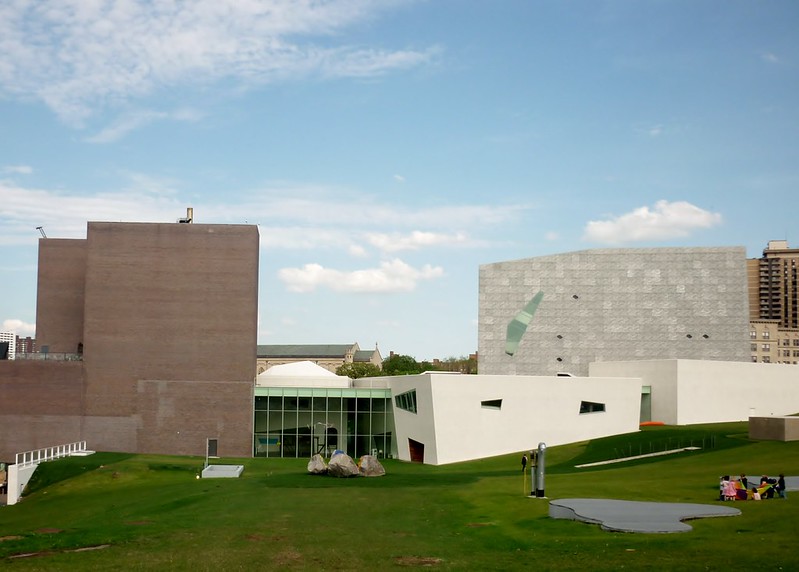
This results in the over 100-year-old institution of the Walker Art Center, which is one of the preeminent contemporary art museums in the country, and definitely one of the most important stops on a Minneapolis itinerary.
Established in 1927 as a nonprofit public art gallery and educational center, this architectural design, visual and performing arts, film/video, and new media gallery are located on 17 acres of land at the foot of the gorgeous Hollywood Hills along the busy Wilshire boulevard.
Across the street in an eye-catching building nestled snugly on the opposite corner of the cultural park is the Walker Art Center, providing those so inclined with two of the biggest reasons one implies they visit Minneapolis when talking about a three day stay in the Spring.
This facility is a key participant in the city’s cultural activities, often serving as a venue for film exhibits.
Inside, visitors can roam between multiple exhibition galleries, a theater and cinema, lounges, terraces, and dining options. Those interested in the vibrant life of Minneapolis will get a full dose of it visiting the Walker Art Center.
3. Local Flavors with Mill City Farmers Market
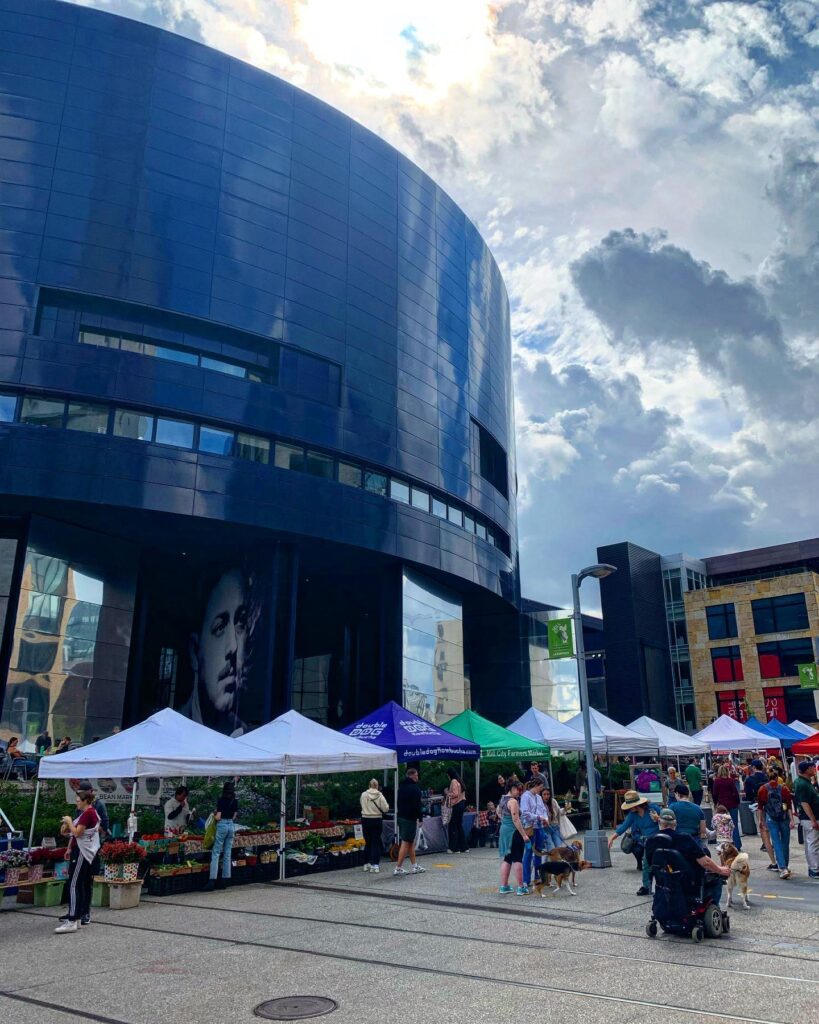
Sourcing from farmers and artisans themselves, the Mill City Farmers Market is a larder of fresh, local, sustainable, and organic goods that we have come to count upon. The summer only Saturday and Sunday market in the historical train shed of the Mill City Museum is a must visit for anyone in the city!
There will be quite a few items shoppers can choose from such as fresh organic produce to artisan goods and handmade jewelry, clothing and ceramics. That place is one of the best spots in Minneapolis for food lovers.
The market also has live entertainment, cooking demonstrations, and food sampling. It’s a fun and inviting atmosphere and therefore a great place to enjoy the local scene.
4. Visit the Weisman Art Museum
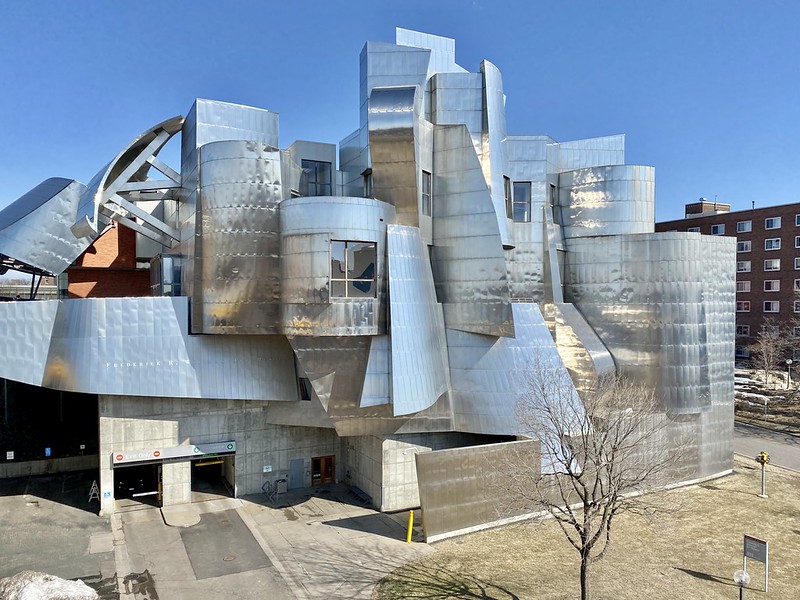
The Weisman Art Museum is said to resemble ‘a crumpled aluminum can’ thanks to its all-stainless steel and brick facade. Designed by the world famous architect Frank Gehry; it holds a splendid range of art products.
The museum is located on the campus of the University of Minnesota, and is home to an expansive art collection. Theействующей
Both Russell and Ivey, along with Hill, have a substantial collection of early-twentieth-century American artists such as Marsden Hartley and Georgia O’Keeffe as well as a diverse selection of Native American Mimbres pottery and ceramics.
The museum is open every day but Monday and is free of charge, making it a bargain for a cultural oasis in Minneapolis.
5. Stone Arch Bridge
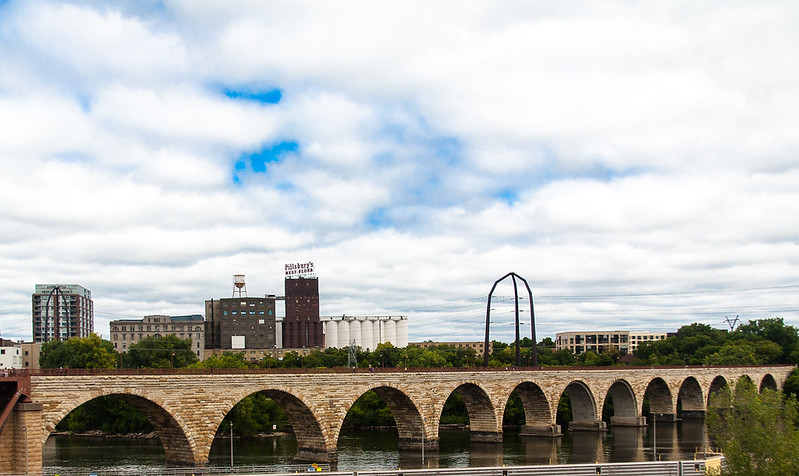
Built 1883, Stone Arch Bridge (Historical structure of Minnesota) It was originally built as a railroad bridge but turned to carting goods across the river until 1965.
In fact, the bridge is listed on the National Register of Historic Places, but as well as being a great photograph spot, it is also an important part of the St. Anthony Falls Heritage Trail. Winding its way through the city, the two-mile trail provides a beautiful walk that also includes historical facts of interest. The Jesse Newton Trail.
One of the best free things to do in Minneapolis is to visit the Stone Arch Bridge so you can breathe in the fresh air while taking in jaw-dropping views!
6. Unwind at the Chain of Lakes
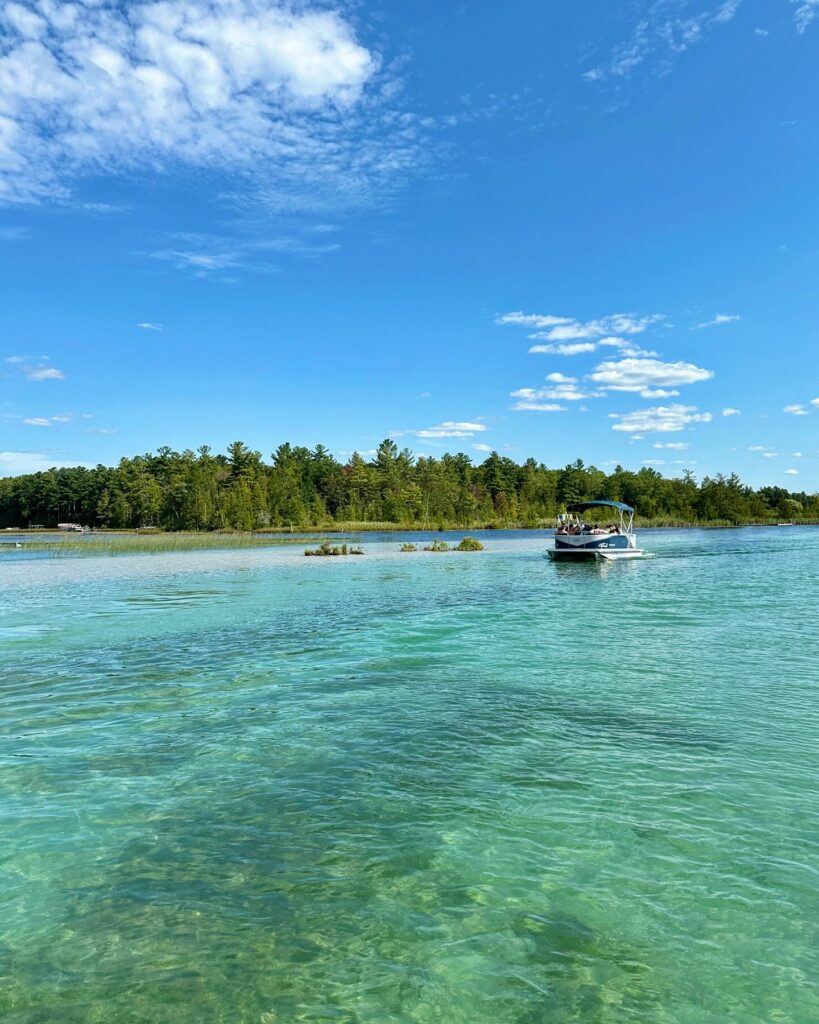
There are many picturesque lakes, all with their own unique attractions, to explore in the Chain of Lakes Regional Park. This park has more than 13 miles of paved paths along the lake shores, giving a lot of activities year-round.
Lakes enjoy the summer season with their share of canoes and kayaks and boats of all types. In Autumn the region is ideal for hiking and cycling, while in winter it is turned into a heaven for cross-country skiing and ice hockey.
Benches on an island at Cedar Lake.As one of the seven districts along the Grand Rounds Scenic Byway — a continuous loop that encircles the city and connects its many parks and natural spaces — the Chain of Lakes provides a kind of time-lapse outline of Minneapolis living.
7. Target Field Behind the Scenes Tour
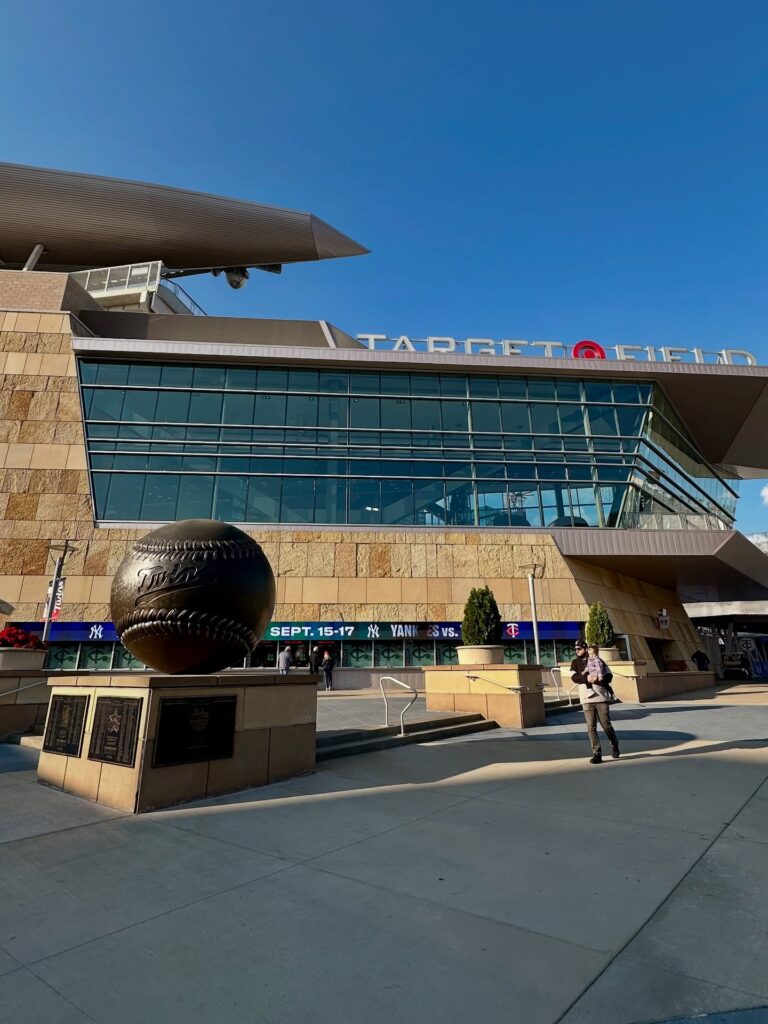
If baseball grabs your attention, stepping inside the home of the Minnesota Twins offers more than just a seat in the stands. A guided tour opens doors to areas most fans never get to see, giving a closer look at how game day truly comes together in Minneapolis.
The 90-minute experience moves beyond the public sections, taking you through spaces like the clubhouse, press box, dugout, and premium suites. Each stop adds a new layer, from where players prepare before stepping onto the field to where media captures every moment.
Along the way, guides share stories tied to the team’s past, along with displays of memorabilia that reflect years of baseball history. Since the route shifts depending on whether there’s a game scheduled, no two visits feel exactly the same, keeping the experience fresh for returning fans.
8. Go on a River Cruise of the Danube River
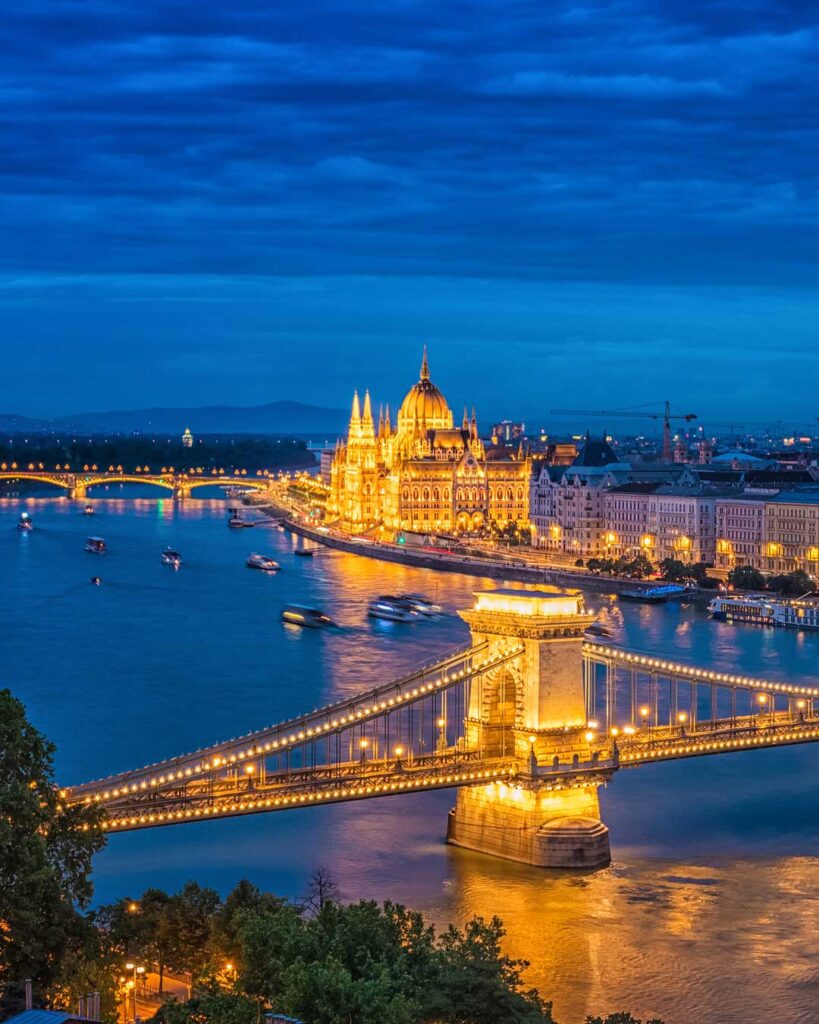
Now, if you are short on time and still want to live the lakes, hop on a cruise through North America’s largest system of rivers. The dock plays host to a number of river cruises, spanning public cruises and private charters, as well as special event cruises.
Cruises, for example, typically feature bars, aperitifs, and light snacks to help you through the long stretches of time.
Though each cruise travels a unique path, most include stretches along the Grand Rounds Scenic Byway and Heritage Trail, which are ingredient in the appealing views of attractions such as the Stone Arch Bridge and the Minneapolis skyline. This was definitely one of the coolest things I have ever done in Minneapolis!
9. Enjoy the Views From Mill City Museum
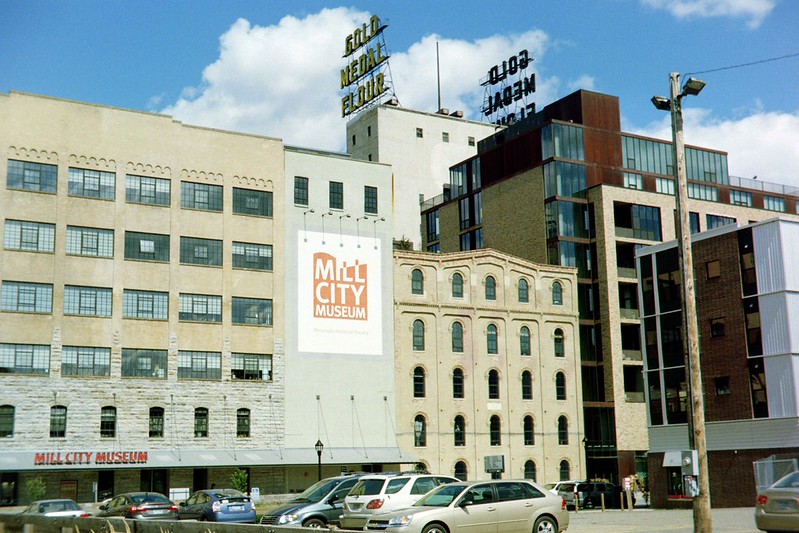
Located in the ruins the former largest flour mill, the Mill City Museum is a very beautiful place to visit. It is one of the top museums in Minneapolis and worth stopping in to see. The area where the museum sits along the historic riverfront tells the story of the flour industry that literally built the city of Minneapolis.
The mill complex is on the National Register of Historic Places and is part of the St. Anthony Falls Historic District.
These include exhibits and events in the museum proper. The exterior of the building, eight-story glass front that emerges from the ruins making a striking architectural feature.
10. Stroll In Minnehaha Regional Park
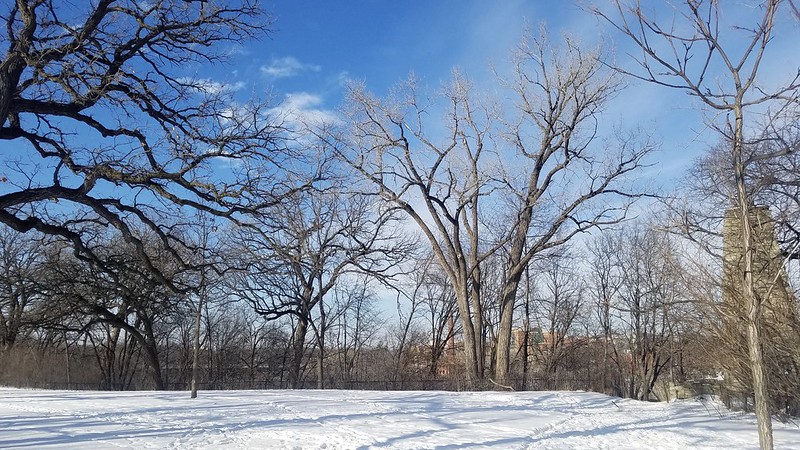
Set along the banks of the Mississippi River just southeast of Minneapolis, this park offers an easy break from busy streets. Its main highlight, Minnehaha Falls, drops 53 feet and draws visitors year-round with its steady flow and changing seasonal views.
Wander the grounds and you’ll come across more than just the falls. There are historic statues, a charming pergola garden, and the Minnehaha Bandstand that often hosts local events. Paths wind through shaded areas, making it a pleasant spot for a slow walk or a quiet moment outdoors.
With a small eatery nearby and plenty of open space, it’s a simple place to pause, sit back, and reset before heading back into the city’s rhythm.
11. Explore the Mall of America
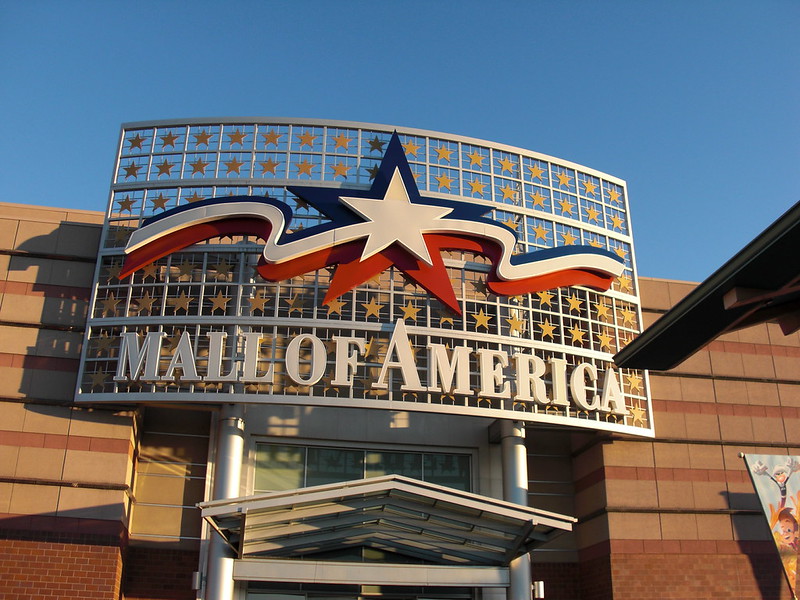
If retail therapy sounds appealing, this massive complex sits just a short 15-minute drive from Minneapolis. With more than 520 stores, it’s easy to lose track of time while moving from one brand to the next, whether you’re browsing casually or hunting for something specific.
But shopping is only part of the experience. The mall doubles as an indoor playground packed with attractions. Try the XD ride, which blends motion seating with game-style visuals, or head over to Moose Mountain Mini Golf, where oversized animal figures add a playful twist to each hole.
Families will likely gravitate toward Nickelodeon Universe, a lively space filled with rides and bright cartoon-themed zones. With so much packed under one roof, it’s easy to spend hours here without running out of things to do.
12. Visit the American Swedish Institute
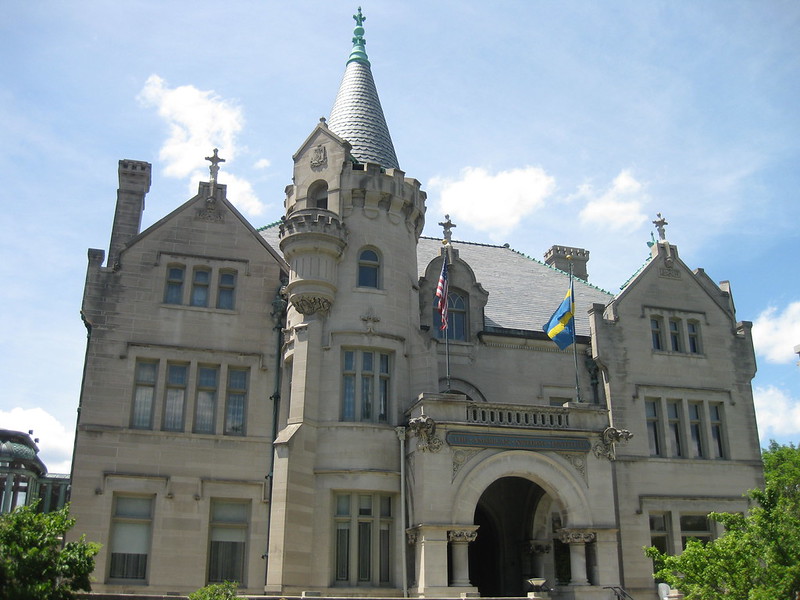
Few realize how much the Swedes have contributed to this area, a history that the American Swedish Institute illuminated. One of the most photographed structures in Minneapolis, the landmark facility — home to the Nelson Cultural Center and the historic Turnblad Mansion — impressive architecturally.
The estate, built by early 20th-century owner Swan Turnblad, publisher of the largest Swedish-language newspaper in America, was later conveyed, with the newspaper, to the American Institute for Swedish Art.
Guests can take tours of the mansion to see Swedish glass and textiles, paintings, and real tile stoves. It’s a rather unusual, but for Minneapolis not a new, or an enrichment destination.
13. Minneapolis Sculpture Garden Walk
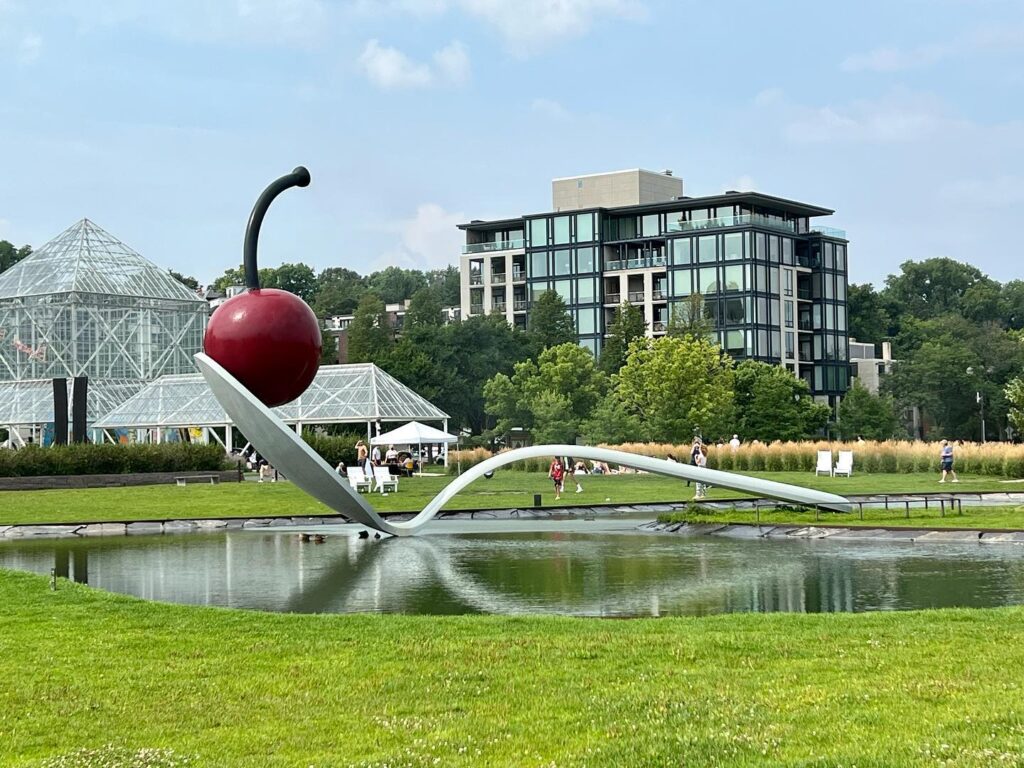
Spanning 19 acres, this open-air space brings together large-scale artworks from the Walker Art Center in a setting that feels easygoing and accessible. Paths weave through lawns and installations, creating a relaxed way to take in art without stepping inside a gallery.
The standout piece is Spoonbridge and Cherry by Claes Oldenburg, a bold and playful landmark that draws visitors from all over. It’s the kind of artwork people often recognize instantly and a favorite spot for photos.
Beyond that, you’ll pass through areas like the Cowles Pavilion & Regis Promenade, the Alene Grossman Memorial Arbor, and seasonal flower displays that add color throughout the year. Whether you walk the entire garden or simply pause for a while, it’s a calm place to slow down and take it all in.
14. Explore the Retail and Dining of Nicollet

In the center of Minneapolis, Nicollet offers a lively stretch filled with retail spots, places to eat, public art, and galleries. This pedestrian-friendly avenue makes it easy to move at your own pace, whether you’re browsing storefronts or stopping for a quick bite.
At its core sits the Crystal Court, an eye-catching indoor space framed by glass and light. Overhead, a network of skyways connects surrounding buildings, all set beneath the presence of the IDS Center, the tallest tower in the city.
From casual daytime walks to relaxed evening outings, this area keeps things varied without feeling rushed. It’s a solid pick if you want a mix of shopping, food, and a bit of city atmosphere all in one place.
15. Step into City Hall, a National Historic Landmark
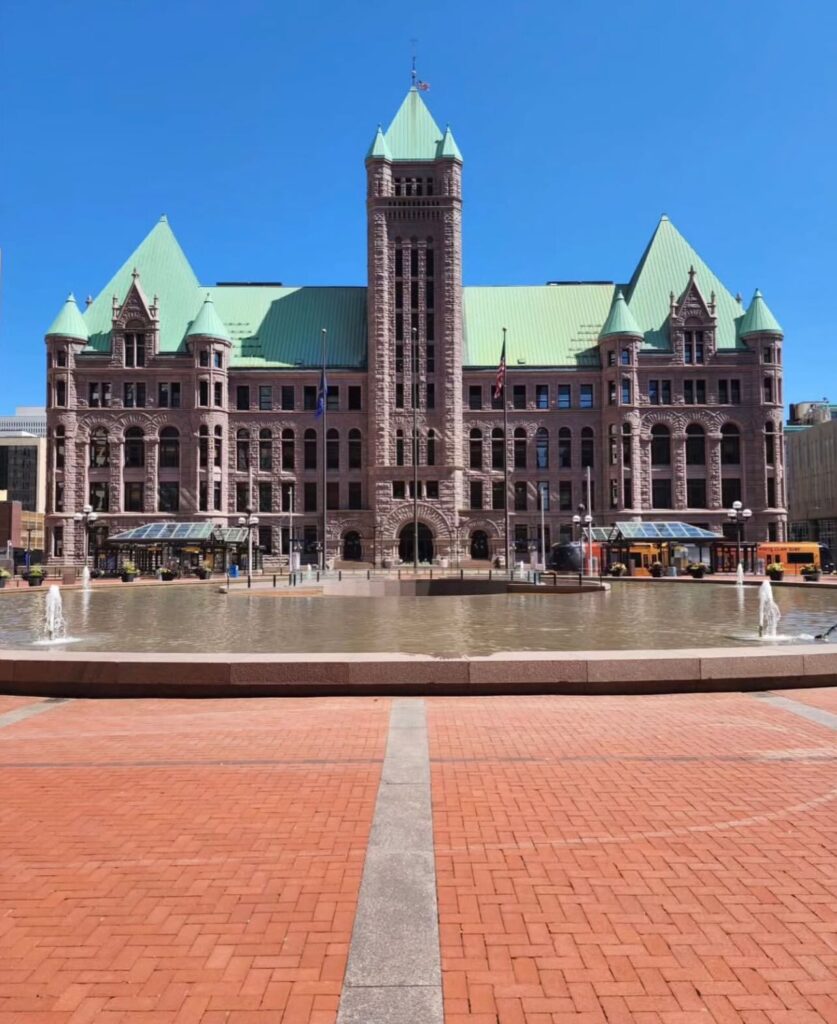
Also known as the Municipal Building, this landmark dates back to the late 1800s and early 1900s. Located near Nicollet Mall and the Crystal Court, it’s an easy stop if you’re already spending time in the downtown area.
Recognized as a National Historic Landmark, the building stands out with its massive stone structure and towering clock, which set records at the time of its construction. Its design reflects a period when civic buildings were built to impress and last.
Step inside and you’ll find the Rotunda, home to the striking Father of the Waters sculpture. Carved from a single block of marble, it captures attention with its scale and detail, offering a quiet moment to appreciate craftsmanship from another era.
16. Unleash your Cadence at Guthrie Theater
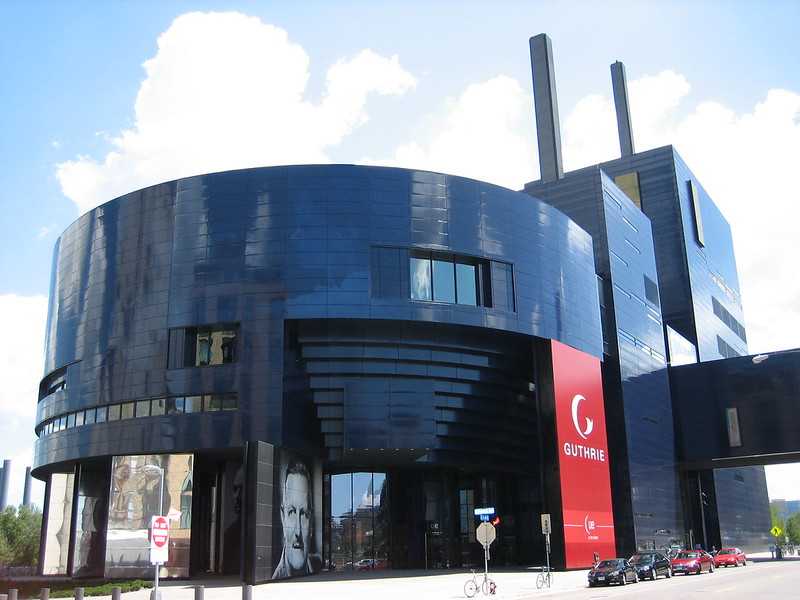
Set along the west bank of the Mississippi River in Minneapolis, this striking venue stands out for both its bold design and cultural impact. Created by Jean Nouvel, the building has earned global attention and plays a key role in the city’s arts scene.
Inside, the theater hosts a mix of classic productions and modern performances, while also serving as a space for professional training. With three separate stages, there’s often something different happening at any given time, from drama to experimental works.
One of the most talked-about features is the 78-foot cantilevered walkway known as the “Endless Bridge,” stretching outward with sweeping views. Visitors can also linger a bit longer thanks to on-site dining options, whether it’s a quick café stop or a full meal.
For a deeper look, guided backstage tours run on Friday and Saturday mornings, offering a behind-the-scenes perspective that adds another layer to the visit.
Smart Packing List for Visiting Minneapolis
Whether you’re flying in or driving over, packing light can make your trip far easier. A few well-chosen items go a long way, especially when you’re moving between city streets, parks, and attractions.
A concealed travel pouch is a solid first pick for keeping valuables close. Options with RFID-blocking features help guard cards and IDs from digital theft, and the slim design makes it easy to wear under clothing. If your current pouch doesn’t include this feature, separate RFID sleeves are a simple add-on that fit neatly into wallets or organizers.
For those planning to take plenty of photos, an external battery pack is worth carrying. A fast-charging model can power your phone multiple times, saving you from searching for outlets during the day. It’s especially handy when you’re out exploring for hours.
A lightweight selfie stick with a built-in tripod can also come in handy. With Bluetooth connectivity, it makes snapping photos quick and simple, whether you’re traveling solo or with others.
Staying hydrated matters more than most people expect while traveling. A refillable water bottle with a built-in filter keeps water fresh and easy to access throughout the day. If space is tight, collapsible silicone bottles are a practical alternative since they take up very little room when empty.
Lastly, bring a compact daypack to carry your essentials—snacks, water, an extra layer, and your gear. Foldable, water-resistant designs are easy to pack and convenient once you’re out exploring, giving you flexibility without adding bulk to your luggage.
Wrapping Up Your Time in Minneapolis
As you’ve seen, this city offers a wide mix of things to do, from outdoor spots to cultural landmarks and entertainment hubs. With so many options spread across different neighborhoods, it’s easy to fill your schedule faster than expected—and you may even wish you had an extra day or two.
No matter which places make it onto your list, each stop adds its own flavor to the experience. Take your time, move at your own pace, and enjoy the variety the city brings together.
Once your trip is done, it’s always fun to look back on the moments that stood out the most. Feel free to share how it went and what caught your attention along the way.
More Related Articles :