
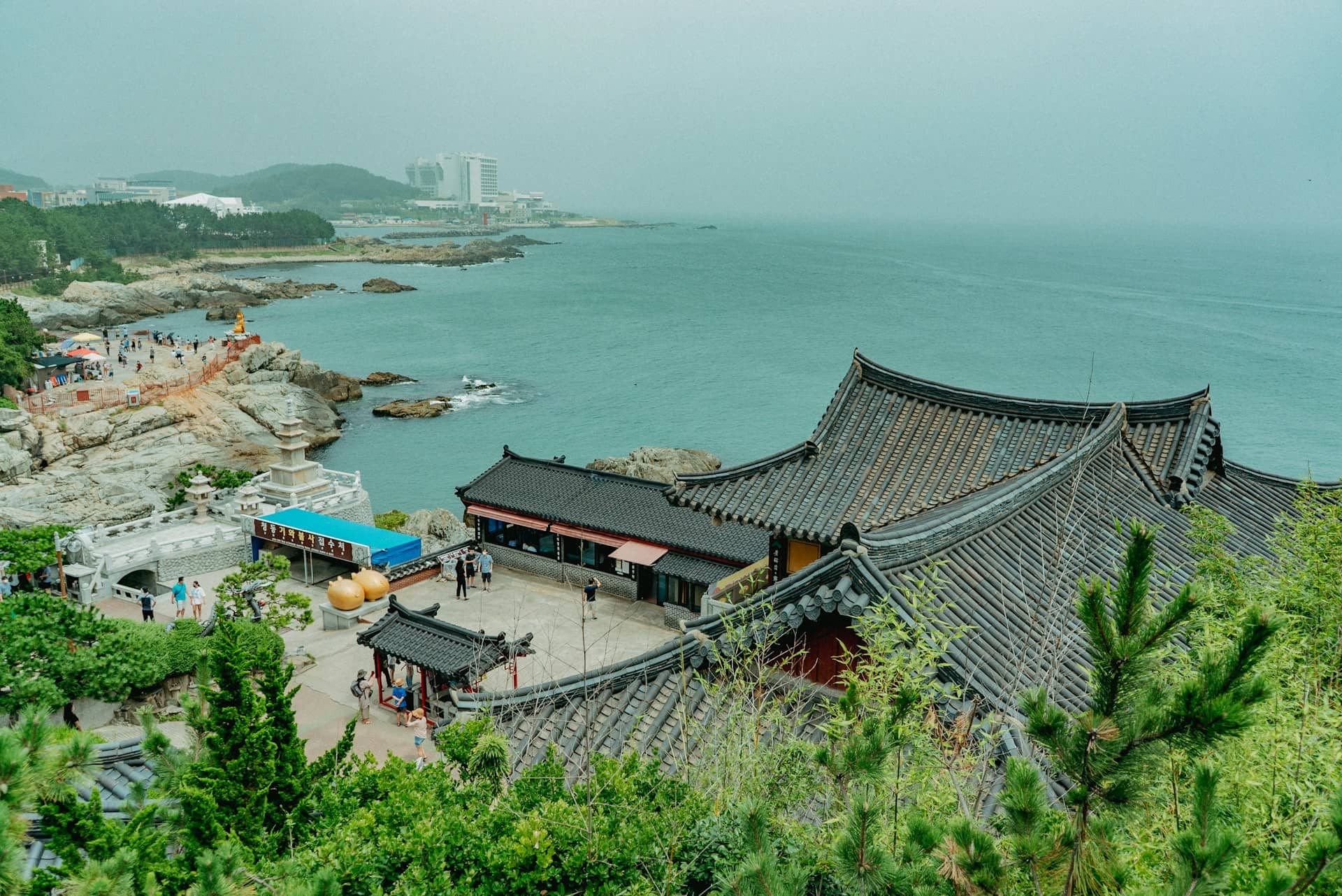
Korea is home to an abundance of remarkable spots, many of which remain hidden from the typical tourist path. While well-known landmarks certainly have their charm, the best experiences often lie in places that guidebooks tend to overlook. During my travels, I stumbled upon places that few others had visited before, and some of them quickly became my favorite spots.
Many of these locations are still relatively undiscovered, with limited or no English information available, making them all the more intriguing for adventurous travelers. What struck me most was how different these places felt compared to the more commercialized sites. Whether tucked away in quiet neighborhoods or nestled in nature, these hidden gems offer a truly authentic Korean experience.
So, let’s dive into a comprehensive list of these less-explored treasures, organized alphabetically. These places may not be featured in typical tourist itineraries, but they promise a glimpse into Korea’s lesser-known beauty and charm.
1. Andong: A Journey into Korea’s Rich History and Culture
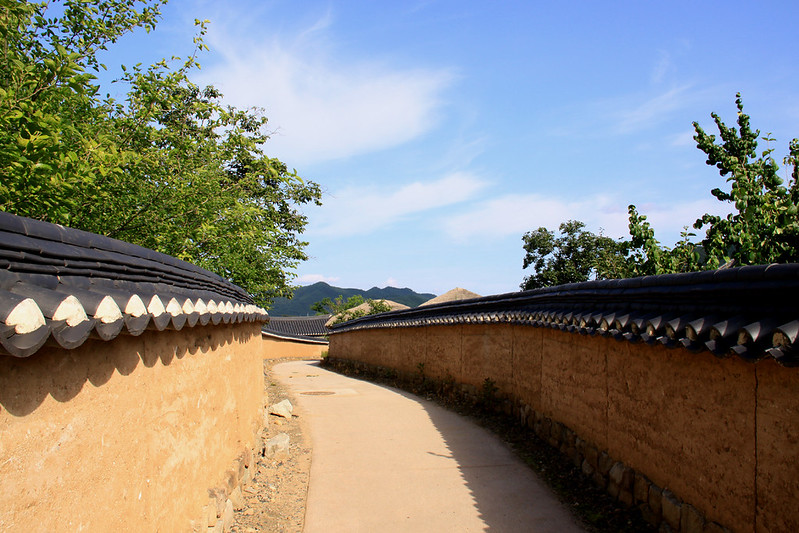
Andong is renowned for its Traditional Masked Dance Festival, held every October. This cultural celebration is a must-see and well worth attending if you happen to visit during that time. However, for the rest of the year, Andong itself can feel somewhat quiet, with limited attractions. To truly experience the area, a trip to Hahoe Village is a must. Located about an hour and a half away by bus, it’s a short journey well worth the effort. Buses are infrequent, so be sure to check the schedule in advance.
Hahoe Village is like an open-air museum, offering a glimpse into Korea’s past. With its thatched-roof houses, scenic cliffs, and river views, the village feels timeless. Regular masked dance performances bring history to life, creating a vivid atmosphere. As the village that best represents Korea’s historical culture, it’s a place where every corner has a story to tell.
While staying in Hahoe offers a deeper immersion in its atmosphere, it can be pricier. If you opt to stay in Andong, Kim’s Hostel is a budget-friendly choice, conveniently located near the festival grounds.
A visit to Hahoe may require some effort to navigate the bus schedules, especially if you’re unfamiliar with reading them in Korean. But with a bit of patience, you’ll find your way. Don’t miss out on my guide to 8 Eye-Opening Things to Do in Andong to make the most of your time in this charming region!
2. Boseong: A Tea Field Adventure Amidst Scenic Landscapes
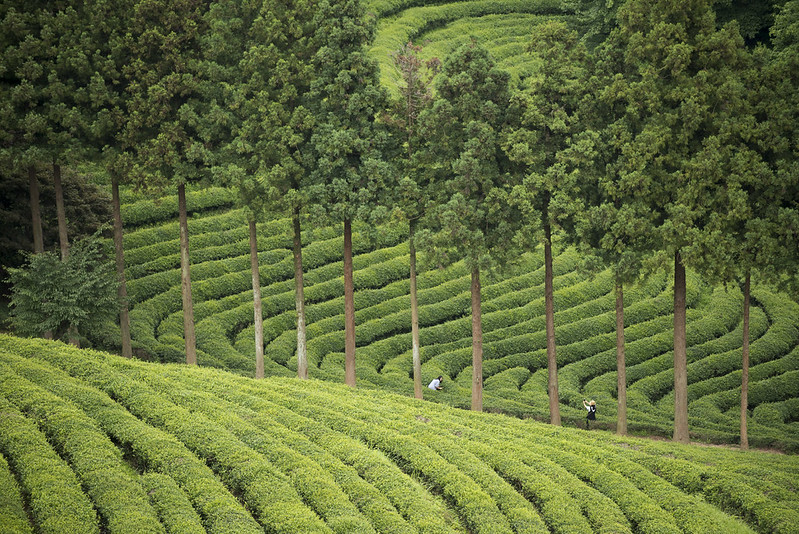
Boseong might not be the first place that comes to mind when you think of tea, especially if you’ve visited tea fields in China or Japan. However, Korea has a knack for taking everything to a grand scale, and the tea fields here are no exception. The lush green fields stretch across the landscape, inviting visitors to take in the sheer beauty of their design. This is what brings many travelers here — the vast, rolling fields of tea are breathtaking.
As you explore the area, you’ll encounter flowering trees that dot the rows of tea plants, leading you up the side of a hill. At the base, towering pine trees offer a dramatic contrast to the delicate tea bushes. If you venture to the top, you’ll be rewarded with panoramic views of islands scattered across the blue waters, creating a picturesque and serene scene.
Though the tea itself might not live up to the expectations of dedicated tea enthusiasts, Boseong still offers a range of tea-based treats that are hard to resist. The local green tea noodles, ice cream, and chocolate are just some of the delectable items you can try. For true tea lovers, however, Hadong is the place to find the best quality Korean tea.
While Boseong is easy to reach, accommodation options are limited, with the pricey tea resort being the main choice. It tends to book up quickly, so plan ahead. Fortunately, the area is compact, making it easy to explore everything within a short walk or drive. Don’t miss my detailed Guide to Boseong for more insights on what to do!
3. Busan: A Dynamic City Full of Surprises
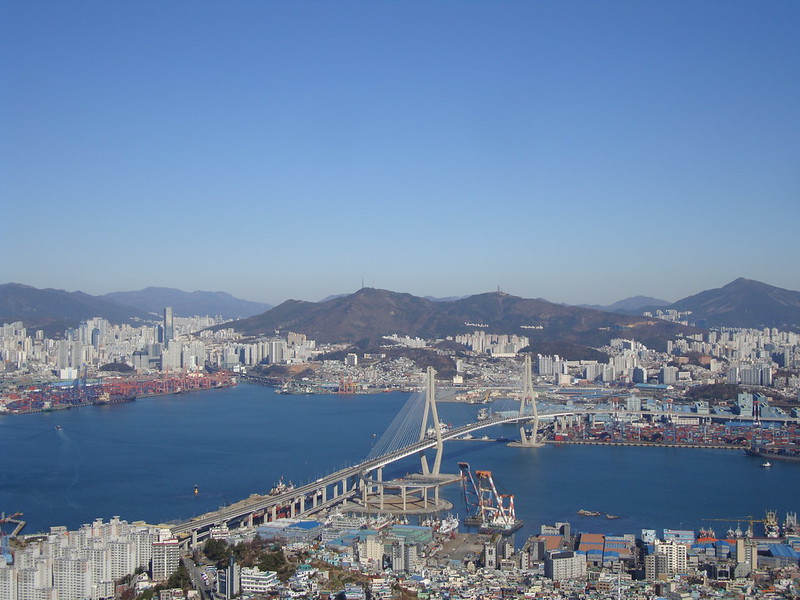
Busan, Korea’s second-largest city, is never short of excitement. Whether it’s art exhibits, drag shows, or lively street performances, there’s always something happening here. Located in the southern part of the country, it also serves as a great starting point for exploring the surrounding areas.
Busan offers an array of experiences for all kinds of travelers. You can unwind at the city’s beaches, enjoy a coffee at one of its many trendy cafes like Bibibidang, or wander through quirky book alleys. The Gamcheon Cultural Village adds a splash of color and creativity to the mix. Busan is a city that doesn’t need much selling—its charm is evident, and it’s waiting for you to experience it. For a deeper dive, check out my guide to the Top 10 Free Things to Do in Busan.
Getting around is straightforward, and accessing the city is easy for most visitors. However, keep in mind that Busan proper and Haeundae are essentially two distinct areas, and it can take around an hour to travel between them by public transport. If you’re staying for a few days, it’s a good idea to dedicate one day to each side to make the most of your time.
4. Buyeo: A Journey Through Korea’s Ancient Baekje Kingdom
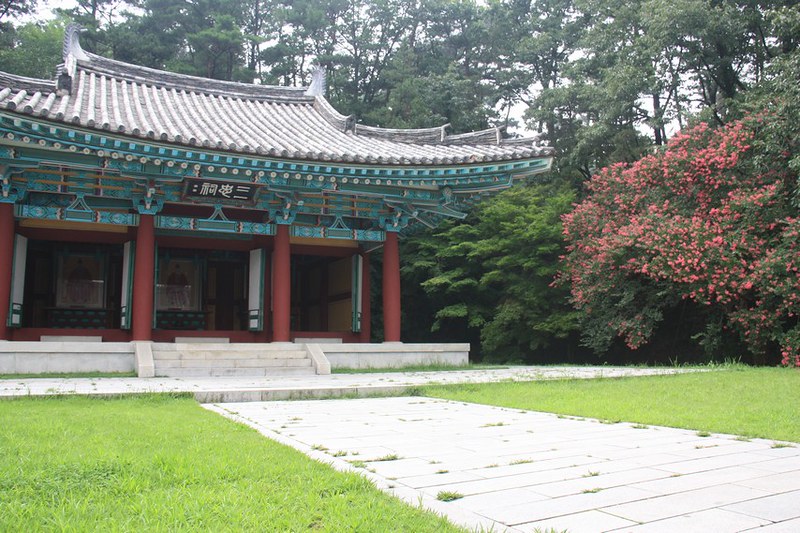
Located near Daejeon, Buyeo is an ideal destination for a day trip, especially if you’re interested in Korean history. It’s an excellent place to explore the Baekje Kingdom, one of the Three Kingdoms of Korea, and offers insight into this significant period of Korean culture. If you have the time, combining your visit with a short trip to Gongju, just half an hour away, adds even more historical depth to your experience.
Buyeo is home to several fascinating historical sites. You can visit ancient tomb mounds, wander around the tranquil Gumgnamji Pond surrounded by blooming lotus flowers, and explore the Buyeo National Museum, which is a fantastic (and free) experience. For something a little more modern, head over to Baekje Cultural Land, an amusement park with a historical theme. While Buyeo is about three hours from Seoul, it’s a rewarding weekend getaway for those interested in Korea’s past. For more ideas, check out what to do in Buyeo.
Getting there isn’t difficult, but it does require some time. It’s best to base yourself in Daejeon, which is worth exploring in its own right.
5. Changwon: A Quiet City with Hidden Charms
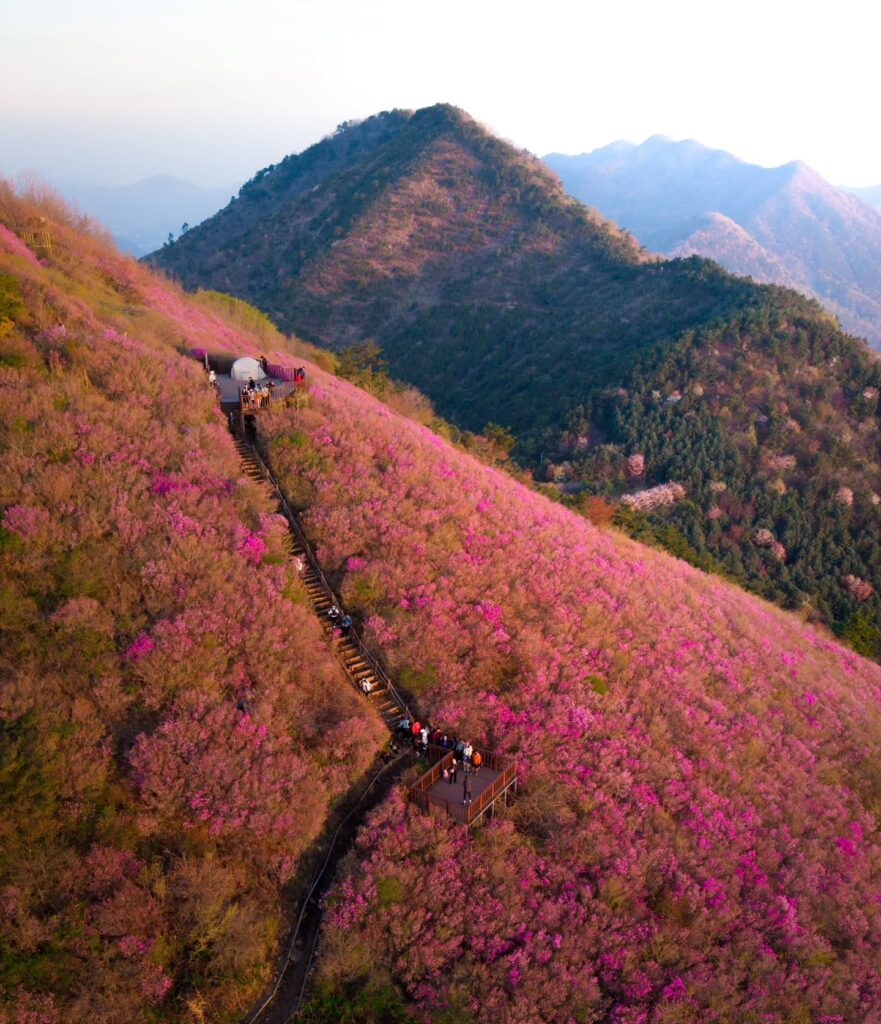
Changwon, the capital of Gyeongsangnam-do province, is a city that often serves as a backup to Seoul for business or administrative purposes. While the city itself may not offer a plethora of attractions, it’s still a place worth spending time in, especially if you find yourself here for work or as a stopover.
For those with an interest in history, The Changwon House is one of the few historical sites worth visiting. Located near Masan, a neighboring area with a bit more to offer, Changwon can also be your base for exploring Jinhae, which is famous for hosting the Cherry Blossom Festival every spring.
Though the city might not have a long list of tourist spots, Changwon does excel when it comes to nightlife. Its selection of foreigner-friendly bars rivals that of Seoul and Busan, with favorites like Next Bar, O’Brians, and KOB offering a lively atmosphere any night of the week. If you’re planning a visit, be sure to check out my Changwon guide to help you get around and make the most of your stay.
Getting to Changwon is straightforward, but the city’s laid-back vibe means there aren’t many must-see spots. Still, it’s a great place to relax, enjoy some fun nightlife, and explore nearby areas.
6. Cheongju: A Hidden Gem with Rich History and Flavor
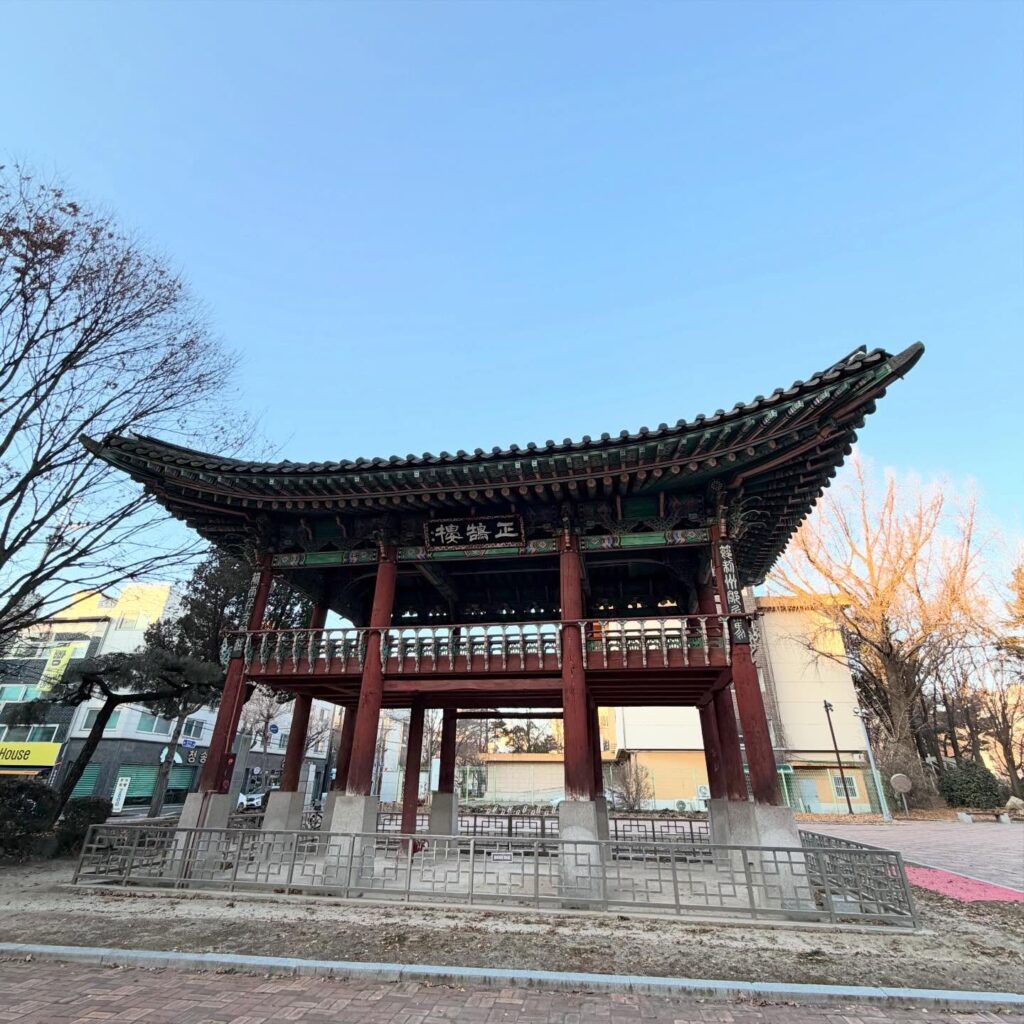
Cheongju may not be at the top of every travel list, but it’s worth a stop if you’re passing through. Located in the central and northeastern regions of Korea, these areas often get overlooked by tourists, making them feel like a final destination for many. Cheongju is particularly well-known for its delicious soy-marinated pork BBQ, a treat you shouldn’t miss if you’re a fan of Korean cuisine.
One of the standout attractions in Cheongju is Suamgol Village, renowned for its impressive murals. The village offers an excellent vantage point with stunning views of the city from the observatory area. Another highlight is the early printing museum, a nod to the region’s rich historical heritage. Seongan Road is a must-see, offering a great blend of history, shopping, and food, all within a scenic walking course that allows you to immerse yourself in the local culture.
Cheongju isn’t hard to reach, but getting the most out of your visit requires a bit of research. While the city might not be a major tourist hub, it has its own charm and offers enough to fill a few enjoyable days.
7. Chuncheon: A Quick Stop for Easy Day Trips
Chuncheon is best known for its tourist-oriented towns, much like Paju. Nami Island and the Garden of Morning Calm are popular day trips from Seoul, often included in group tours. Personally, I find neither of these spots to be particularly captivating. While the Garden of Morning Calm is beautiful, Nami Island feels like a tourist-only attraction, lacking authenticity and charm.
If you’re seeking truly breathtaking Korean gardens, I would recommend Suncheon instead. However, if you’re pressed for time and want something easily accessible from Seoul, these spots offer a simple getaway. The area can be visited in a day, making it a good option if you’re looking for a brief escape without the hassle of long travel.
Although getting around Chuncheon and seeing everything on your own might be a bit tricky, a tour is an easy solution. I suggest staying at Bunk Hostel in Seoul, where the owner offers reasonably priced tours to places like Nami Island, and the experience is always fun and relaxed.
8. Daegu: An Overlooked Gem with Much to Offer
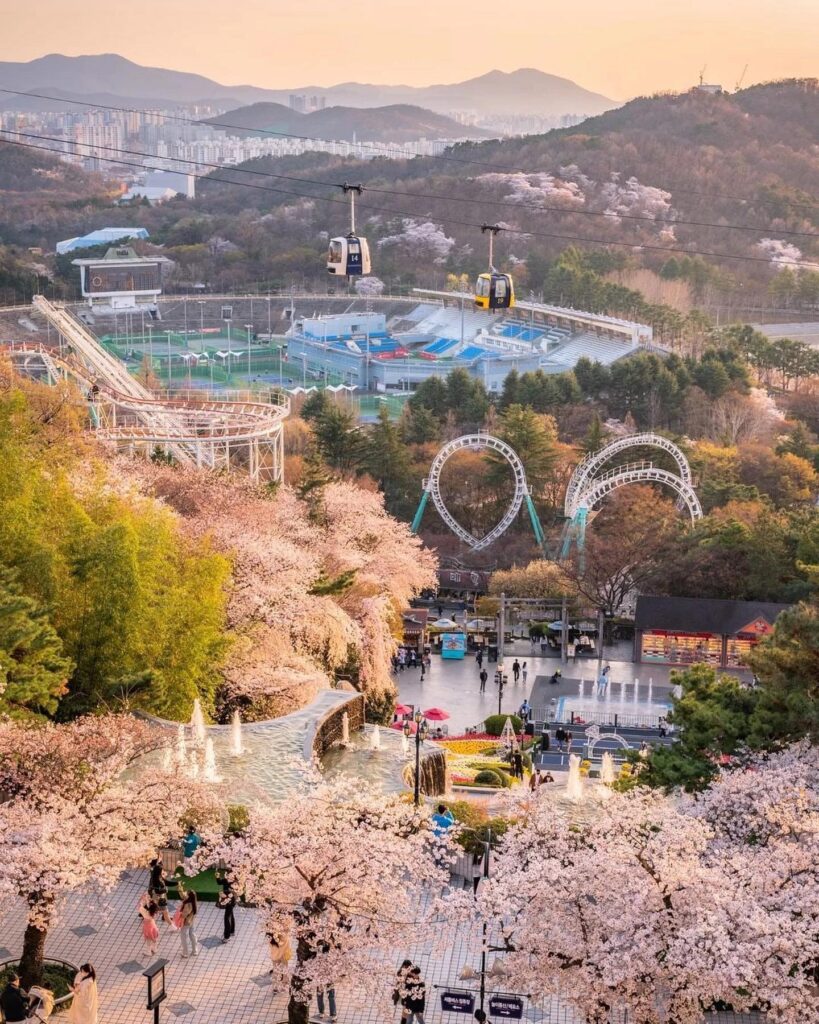
Daegu is a highly underrated city in Korea that often gets overshadowed by Seoul and Busan. However, for those outside the capital or in the southern regions, Daegu offers a much more lively nightlife scene than Busan. Interestingly, many of my friends have remarked that the people here are notably attractive, which adds an extra layer to the city’s appeal.
But Daegu isn’t just about nightlife. The city offers a mix of historical and modern attractions, including ancient tomb mounds, one of my favorite cafes in Korea, and scenic cable car rides. E-World amusement park provides a fun escape for those seeking thrills. Architecturally, Daegu stands out with its striking Christian influence, evident in the massive churches that add an interesting contrast to the city’s landscape. For more ideas on what to explore, check out all the best things to do in Daegu!
Daegu is easily accessible from virtually anywhere in Korea, with a variety of dining and accommodation options, making it a great spot to visit no matter your budget. Daegu offers a dynamic mix of culture, history, and modernity, ensuring that visitors are never short of things to do. Whether you’re enjoying a relaxed day at a cafe or wandering through historical sites, this city is a true hidden gem.
9. Daejeon: A City Full of Surprises
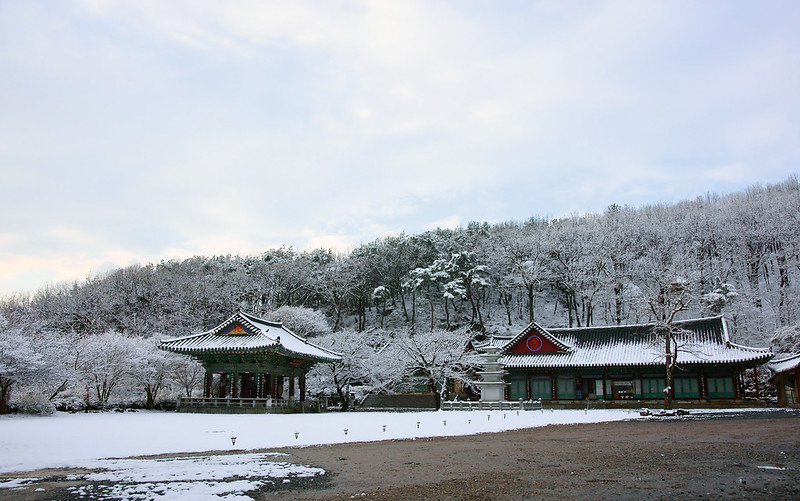
Getting to Daejeon is simple, yet you’ll often hear the question, “But why?” from locals when you mention it. The city tends to get overlooked by many, as it’s believed to have little to offer. However, I’d argue that it’s a hidden gem with plenty of things to enjoy, if you know where to look.
Daejeon features a great variety of attractions, including some fantastic museums and historical parks that are worth your time. The city also stands out for its diverse selection of international food, which includes delicious Shabu Shabu located just minutes from the train station. Beyond that, Daejeon has an exciting nightlife scene that brings a different energy, with plenty of spots to unwind and enjoy after a day of sightseeing.
If you have some free time, consider taking day trips to nearby Buyeo and Gongju, both filled with rich historical and cultural significance. These cities, while smaller, offer fascinating insights into Korea’s ancient past and can be easily reached from Daejeon. These excursions make Daejeon an ideal base for exploring the surrounding region without the hustle and bustle of the major tourist spots.
10. Damyang: A Tranquil Escape in Nature
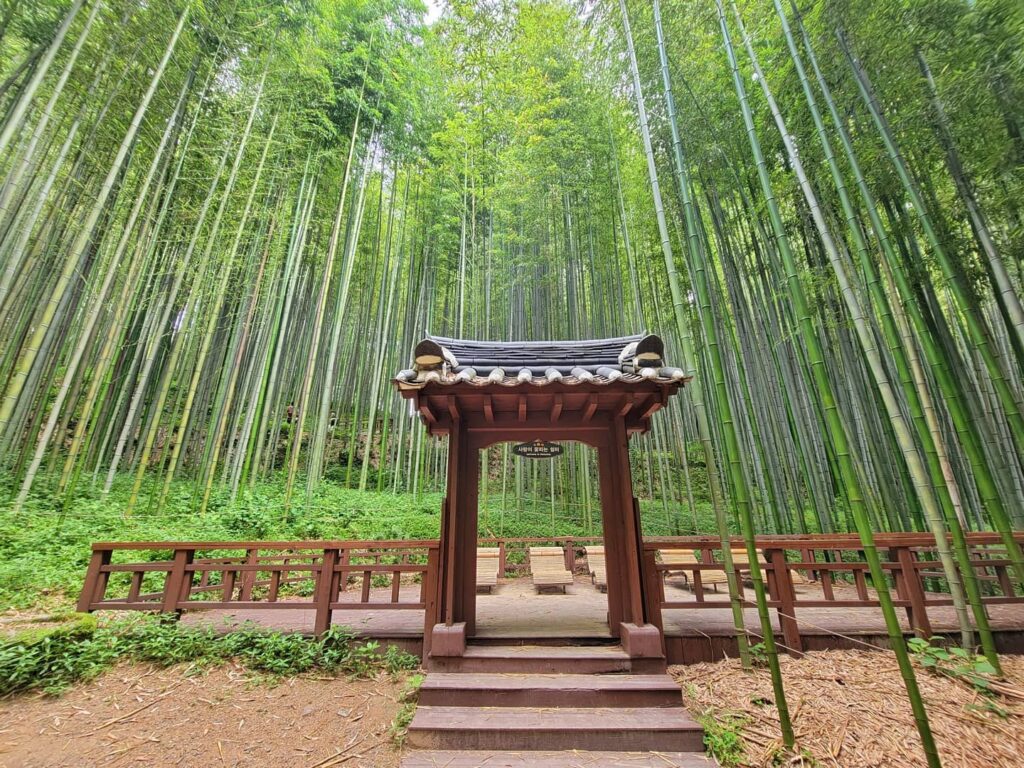
Damyang is renowned for its bamboo forest, arguably the best in Korea and much less crowded than Kyoto’s famous Arashiyama. The bamboo grove offers a peaceful atmosphere, making it an ideal spot for a relaxing walk. If you love nature, this serene environment is definitely worth a visit. It’s one of the standout features of the city.
Food lovers will also find something special in Damyang, with deokgalbi restaurants offering multi-course meals. The grilled marinated meat served here is delicious and filling, providing a true taste of traditional Korean cuisine. Just be prepared for a full meal, as you’ll be served several courses. It’s a great place to enjoy hearty, authentic food after exploring the forest.
Damyang has a few additional attractions like the village and the meta sequoia tree walk, but they’re not essential on their own. The city makes for a great day trip from Gwangju, but I wouldn’t recommend spending too much time here. It’s best visited as part of a Gwangju itinerary, where it serves as a relaxing addition to the journey.
11. Danyang: A Hidden Gem of Adventure and Relaxation
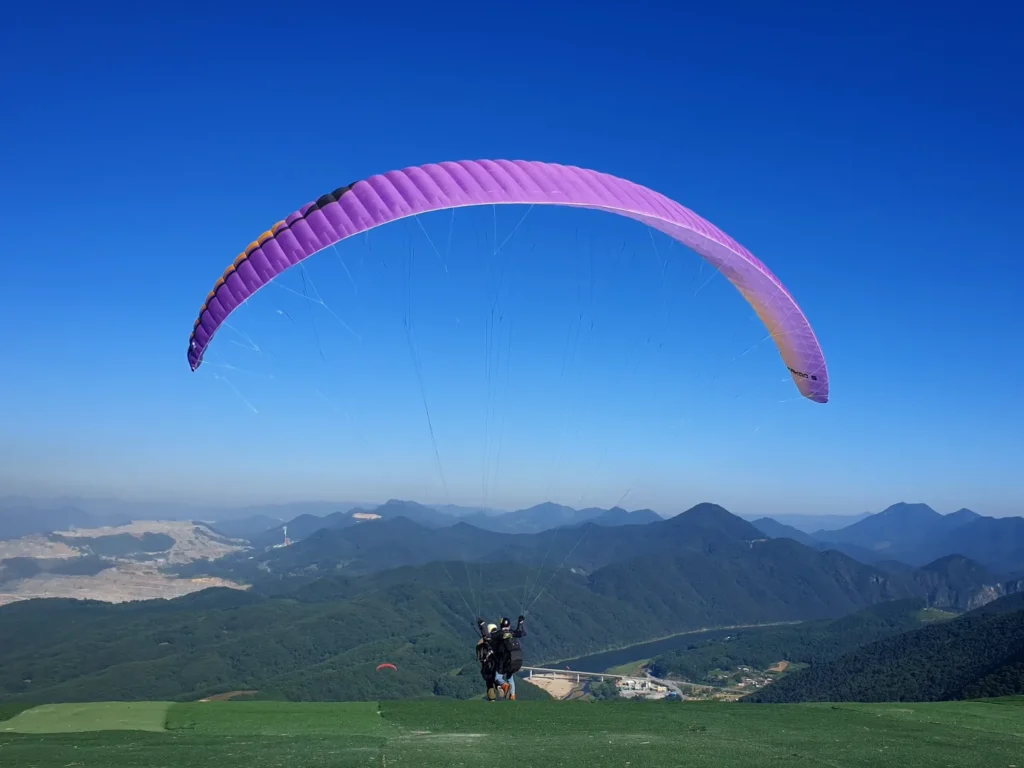
At first, I thought Danyang lacked activities and was hard to get to, but I couldn’t have been more wrong! This city offers a wide range of exciting experiences. It’s particularly known for paragliding, which, surprisingly, is a relaxing and enjoyable activity, far from the scary experience I had imagined.
One of the must-see spots in Danyang is Gosu Cave, where you can walk through echoing, dripping caverns and, if you’re lucky, spot a bat or two. The cave provides a fun and slightly eerie experience for nature enthusiasts. If you’re planning to explore the V-Train, Danyang is a great place to base yourself. The V-Train is a scenic tourist route that passes through valleys and small villages, offering an opportunity to enjoy the fresh mountain air with windows wide open.
Danyang also has a lovely local market, full of friendly vendors and delicious food options, making it a fantastic spot for food lovers. While the city itself has a lot to offer, you’ll need a car to explore beyond the area, as buses are infrequent and not listed on common maps like Kakao or Naver. Additionally, there’s limited English information on what to do, making it a bit of a challenge for first-time visitors.
12. Dokdo: A Symbolic and Remote Destination
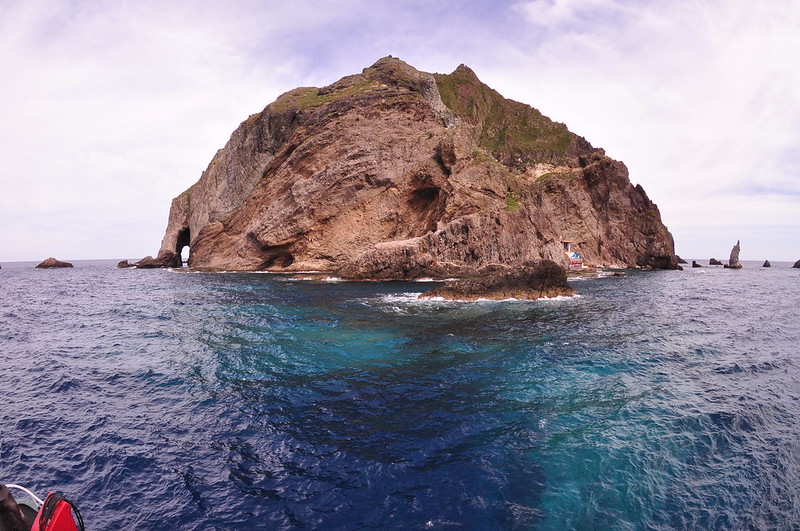
For anyone with an interest in Korea, visiting Dokdo is a significant achievement. For many Koreans, a trip to these disputed islands represents a lifetime goal and a deeply personal journey. The islands are seen not just as a destination, but as a symbol of the ongoing Korea-Japan conflict, making it a powerful place for those invested in the country’s history and identity.
Dokdo holds strong symbolic value for Koreans, often tied to national pride. The islands are widely regarded as belonging to Korea, both by historical records and modern reasoning. While Japan disputes this claim, it’s Korea that controls access to the islands, selling tickets for the ferry ride to visit. The deep emotional connection Koreans have with Dokdo is evident in the everyday items they wear, such as sunglasses, shirts, and masks emblazoned with the island’s name. Exhibits in subway stations and elementary school essays further emphasize the importance of these islands to the nation’s collective consciousness.
To visit Dokdo, you’ll need to book a tour, as ferries to the islands are notoriously difficult to navigate. The journey is remote and the ferry schedules can be confusing, making it more challenging to organize without help. However, the excitement and pride among Koreans on the ferry will give you a strong sense of just how significant Dokdo is to the people of Korea. For all the details on how to visit, check out my Ulleungdo Guide!
13. Gangneung: A Seaside Escape Full of Surprises
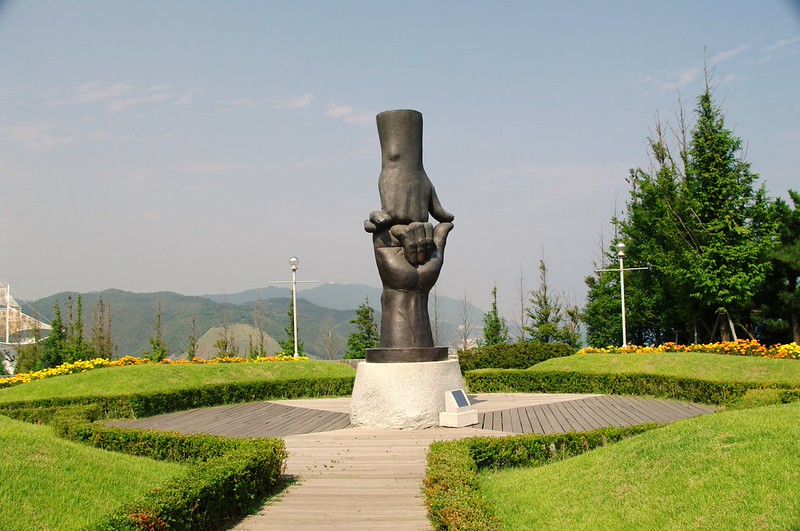
Gangneung is a charming coastal town known for its scenic beauty. While it can be a bit pricey in terms of accommodation, if you’re primarily looking to relax, Sokcho might be a better choice. However, Gangneung offers much more than just its beautiful beaches, making it worth the visit if you’re after a bit of adventure along with your relaxation.
A must-visit in Gangneung is the Tofu Village, where you can try some of the best tofu gelato you’ll ever taste. Just outside the city, there’s a delightful sheep farm that provides a fun and distinctly Korean experience. For those interested in history, the city’s historical areas also offer an intriguing look into the past, adding even more reasons to explore beyond the coastline.
Gangneung is easily accessible from Seoul, with direct bus and train routes making the journey straightforward. However, if you’re traveling from southern cities, the trip can be more complicated, requiring additional planning. Despite this, Gangneung remains a top destination that blends relaxation with cultural exploration, and it’s a place I would love to return to.
14. Geoje: An Island Full of Scenic Delights
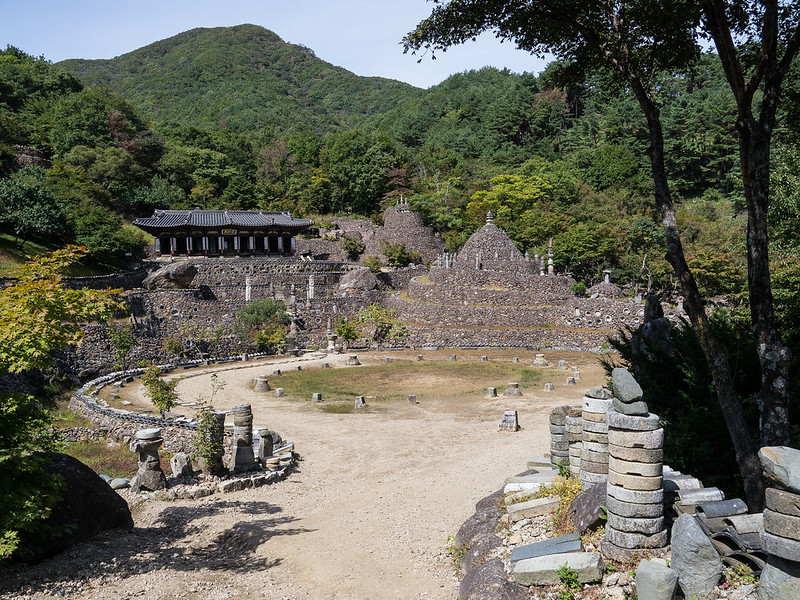
Geoje is an island with a mix of scattered attractions, offering a peaceful retreat for those looking to escape. One of the most popular spots is Windy Hill, famous for its panoramic views. However, I personally think the views from the nearby rocky cliffs just across the street are even more impressive, offering a quieter and equally stunning perspective of the island.
A standout experience on Geoje is a visit to Oedo Island, which is entirely dedicated to being a botanical garden. The beauty of the gardens, combined with the incredible views, makes it a must-see. Beyond that, Geoje also offers some charming beaches and cozy cafes, perfect for unwinding while soaking in the island’s serene atmosphere.
Getting to Geoje can be tricky, as the island has two bus terminals, neither labeled as “Geoje,” which can make navigation confusing. Local buses are infrequent and often don’t show up on apps like Kakao or Naver Maps. To get around, you’ll likely need to ask locals for directions, as many of the bus stops have changed over time and aren’t marked clearly anymore.
15. Gimhae: A Historical and Culinary Stop in Southern Korea
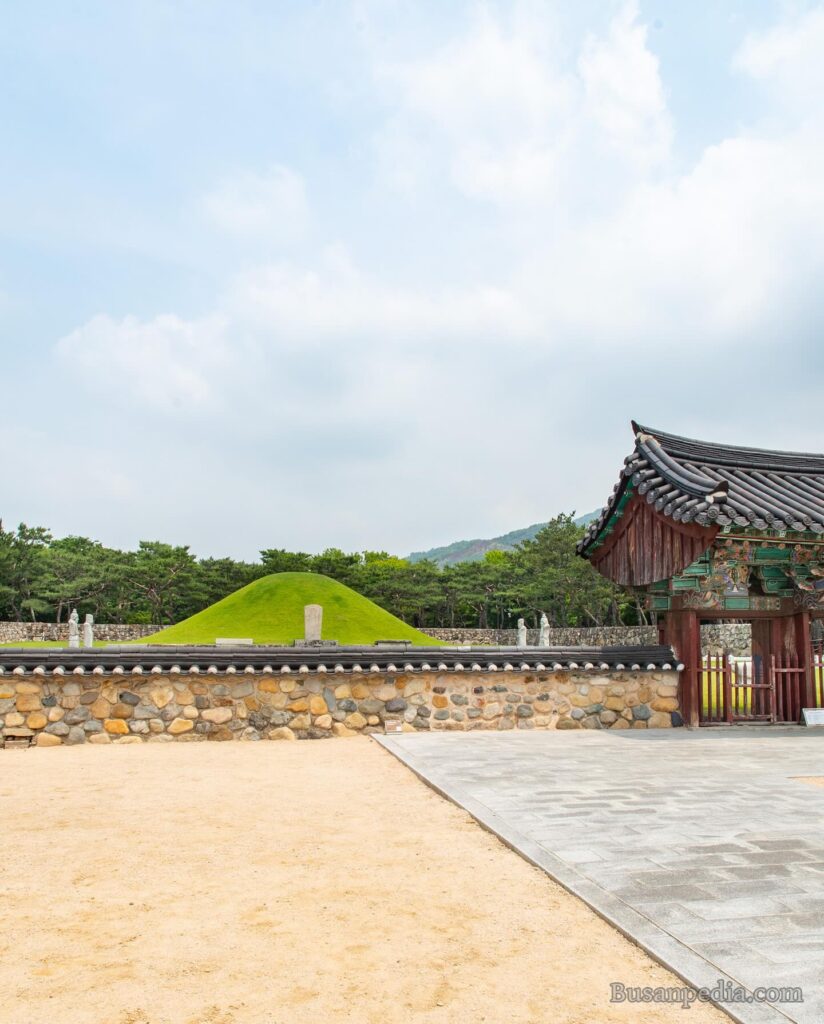
Gimhae is an unexpected but enjoyable stop when traveling through the southern part of South Korea. The city is home to several hidden historical gems, including King Suro’s tomb, which is located within one of the most peaceful parks I’ve encountered in Korea. The serene setting makes it a perfect spot for reflection and a bit of quiet exploration.
What’s even more striking about Gimhae is its diverse food scene. The city is home to what may be the highest concentration of foreigners outside of Seoul, offering a wide range of international cuisine. Whether you’re craving Indian, Chinese, or something else entirely, you’ll find delicious options at every corner.
In addition to its food and tranquil spots, Gimhae is steeped in Gaya history, an ancient kingdom that is often overshadowed by the more famous Shilla kingdom in Gyeongju. Despite being largely forgotten, the Gaya history offers fascinating insights into Korea’s past, making Gimhae an intriguing stop for anyone interested in lesser-known historical sites.
Gimhae is easy to navigate, with most of the attractions well concentrated in one area. While there’s limited information available online, a simple walk around the city will lead you to all the key spots, making it a simple and worthwhile destination for any traveler.
16. Gochang: A Hidden Gem of History and Nature
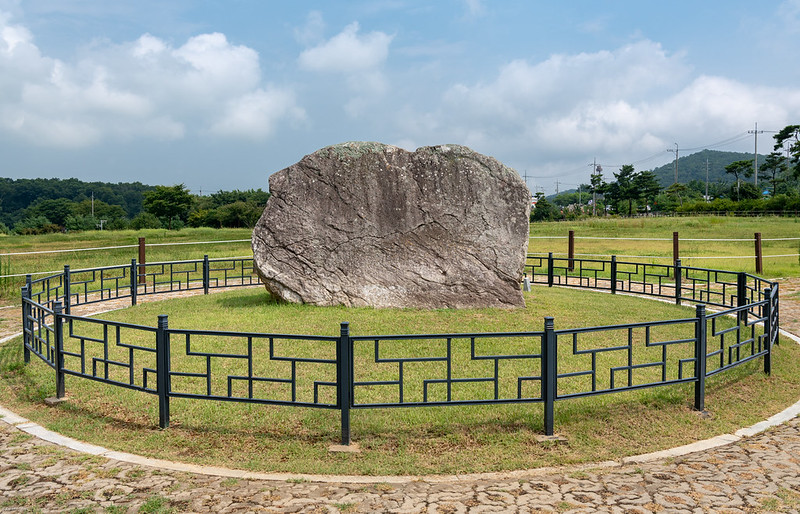
Gochang is, without a doubt, one of the most overlooked destinations in Korea—second only to Ulleungdo, which is incredibly difficult to access. This quiet town offers a mix of ancient history, nature, and adventure that most visitors miss. It’s a place where you can truly immerse yourself in Korea’s past without the crowds.
For history buffs, Gochang is a must-see. If you’re a fan of Stonehenge or ancient monuments, you’ll be in awe of the hundreds of dolmens scattered across a gently sloped hill. These massive stone grave sites, much like Stonehenge, overlook a valley and offer a striking view into Korea’s ancient past. The sheer number of these dolmens is incredible, and the site feels almost untouched by modern tourism.
The museum in Gochang offers a deep dive into the fascinating history of the area, explaining the significance of these ancient sites. If you’re up for a bit more exploration, there’s a short hike that leads to a reservoir, famous for its wildlife, on the other side of the hill. This combination of nature and history makes Gochang one of the coolest places I’ve visited. It’s a perfect destination if you enjoy wildlife, hiking, or UNESCO sites.
Gochang is relatively easy to reach by bus, though the major attractions are a bit further out, and you’ll likely need to take a taxi to get to them. There aren’t many accommodations in the area, but if you’re up for an adventure, it can make for an exhausting but rewarding day trip from Seoul. If you’re like me, it’s well worth the effort!
17. Golgulsa: Martial Arts, Temples, and Tranquil Retreats
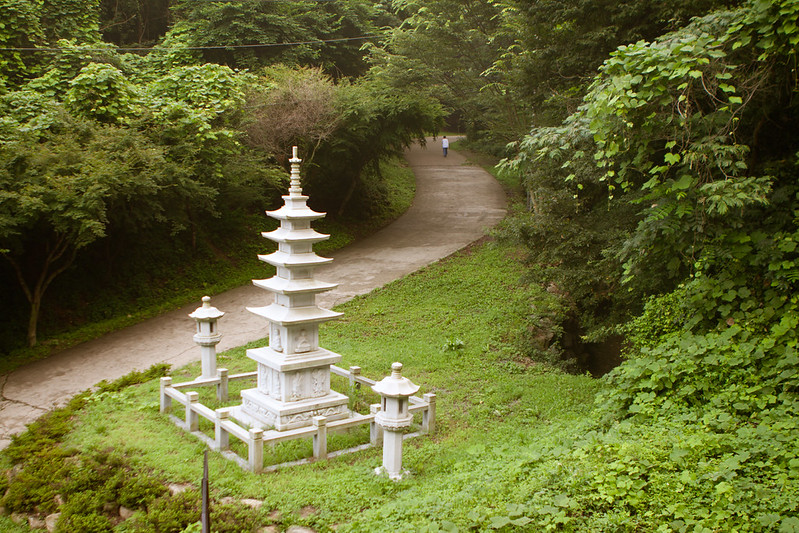
Golgulsa is a standout among Korean temples due to its connection to Sunmundo, a form of martial arts developed here. Visitors have the opportunity to learn basic forms and get a real workout while engaging with the temple’s spiritual practices. While it might not be the most grand or well-known temple in Korea, its charm and distinct experience make it worth the visit, especially if you plan to stay overnight.
A narrow valley path leads up to the main temple building, where martial arts demonstrations are held regularly. Golgulsa also offers additional activities like horseback riding and archery, giving visitors the chance to engage with the temple’s rich cultural heritage. It’s a peaceful spot where you can experience the beauty of nature while learning something new.
As with many temples in Korea, Golgulsa is isolated from major towns and cities, creating a self-contained atmosphere. These temples often have their own cafes, nearby restaurants, and accommodation options. If you choose to stay, you can either relax in the temple with provided meals or opt for a deeper experience by signing up for a temple stay, where you can live like a monk for a while and immerse yourself fully in the monastic lifestyle.
While booking a stay at Golgulsa is easy through templestay.com, getting there can be tricky. The bus routes are not posted, and they arrive every 15-25 minutes, so it’s important to call the temple directly to get the schedule. Luckily, English-speaking staff can assist you with this. To get there, you’ll first need to head to Gyeongju, making it a Level 3 destination, but it’s worth the effort for the peaceful retreat and unique experience.
18. Gongju: A City of Rich History and Stunning Heritage Sites
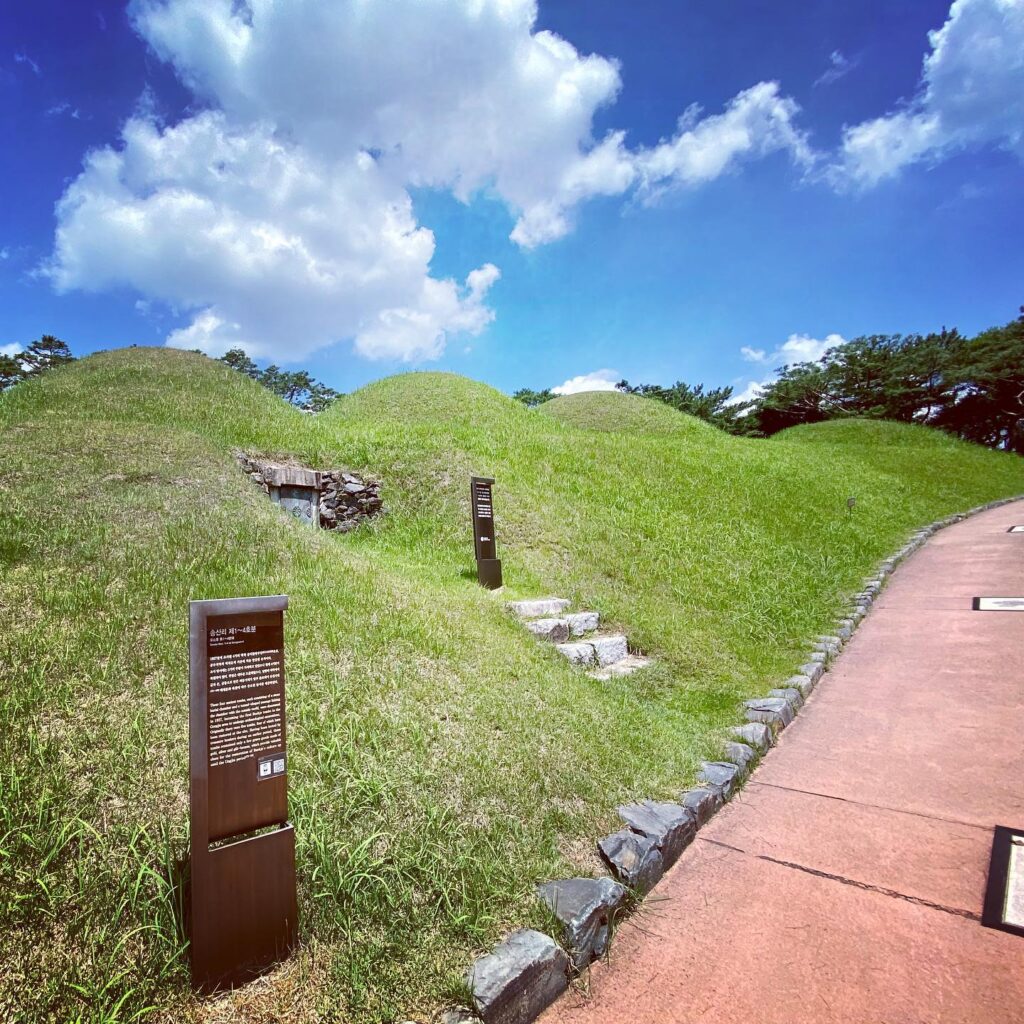
Gongju is often seen as a complement to Buyeo, and personally, I found it a bit more appealing. Both cities are rich in Baekje history, featuring UNESCO World Heritage sites and remarkable temples and tombs. However, Gongju has a certain charm that sets it apart, with its picturesque fortress offering a perfect place to roam and soak in the historical surroundings.
One of the standout attractions in Gongju is its fascinating tomb museum, which I found more impressive than the tombs in Buyeo. The exhibits provide a detailed look at the ancient burial practices of the Baekje kingdom, allowing visitors to step back in time. If you’re a history enthusiast, this museum is a must-see. Additionally, the fortress itself is a great spot to explore, offering views of the surrounding landscape and a glimpse into the city’s past.
I recommend basing yourself in Daejeon, which is centrally located for easy day trips to both Gongju and Buyeo. While it is possible to visit both cities in one day, as I did, you might prefer to take your time and delve deeper into the history of each place. Gongju offers plenty to explore, and the surrounding area adds to its appeal.
Gongju is fairly easy to get to, though there isn’t a lot of clear information available on how to visit all the sites. Accommodation can also be more expensive than staying in Daejeon, so if you’re on a budget, consider using it as a base for your visits.
19. Gunsan: A Blend of Japanese Influence and Korean Charm
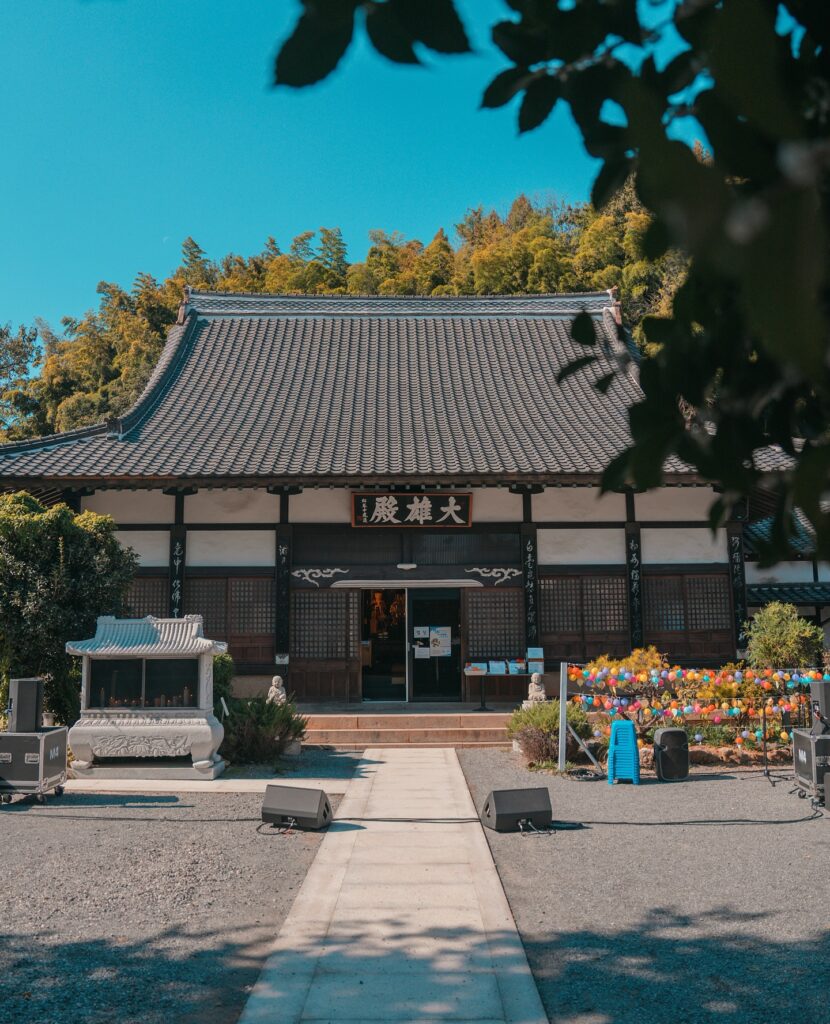
Gunsan offers a rare glimpse into Japan’s influence in Korea, making it a fascinating destination for those interested in the country’s historical interactions. The city is home to a Japanese restaurant, a traditional Japanese house, and even a Japanese temple, all of which provide insight into how Japanese culture has integrated into the Korean environment. It’s intriguing to see these elements in a Korean context, offering a different perspective compared to other parts of the country.
Walking through Gunsan feels slightly different from other cities in Korea, with lantern-lined streets and compact parks scattered throughout. The city’s pace is more relaxed, and its charm lies in the small, quiet spaces that invite visitors to pause and take in the surroundings. Most of the main attractions can be explored in just a few hours, but it’s important to plan your visit carefully since many restaurants close between 2 and 5 PM, limiting dining options during those hours.
Gunsan is relatively easy to visit, although there wasn’t much information available in English until recently. Fortunately, Cari Cakes on YouTube has a highly informative video detailing the city’s attractions, making it easier for non-Korean speakers to navigate. Whether you’re interested in history, culture, or simply strolling through quiet streets, Gunsan offers a unique and peaceful experience.
20. Gwangju: A City Rich in History and Reflection
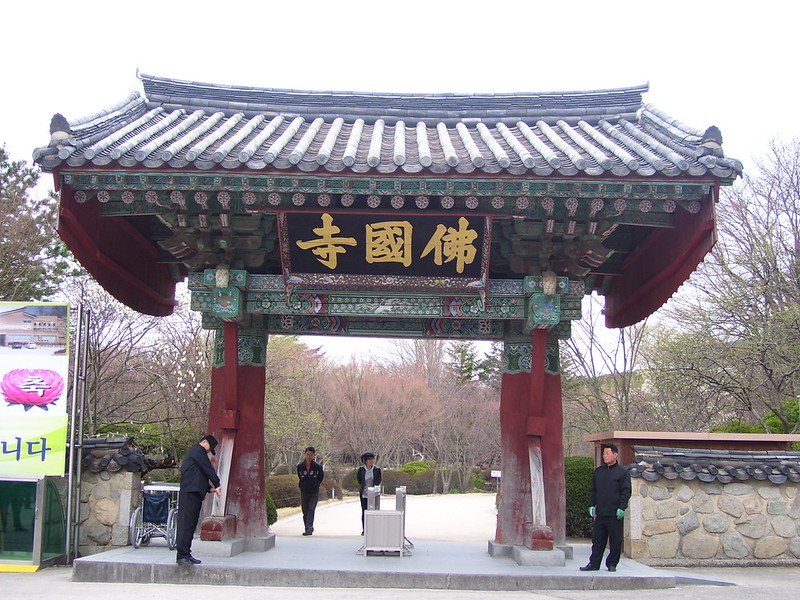
Gwangju, located in the southern part of Korea, is often remembered for its pivotal role in the 1980s Independence Movement massacre. Visiting the city and the museum dedicated to this tragic event was an eye-opening experience for me. It was a reminder of how deeply the scars of history remain in the collective memory of the city, and the museum offers a powerful glimpse into the pain and resilience of its people.
What struck me most during my visit was the complexity of Korea’s transition from authoritarian rule to democracy, a topic often simplified in history classes. Gwangju’s role in this transformation is vital, revealing the struggle that led to the country’s shift to democracy. It showed me that the path to freedom and political change wasn’t easy or straightforward, as many people had to fight for their rights and future.
While Gwangju may have a reputation from past political struggles, often fueled by negative propaganda from the past regime, the city today is peaceful, with quiet cafes and a deep dedication to its historical narrative. Though it doesn’t offer as much in terms of entertainment and bustling attractions, its calm atmosphere and rich history make it a fascinating destination for anyone looking to learn more about Korea’s turbulent journey toward democracy.
21. Gwangyang: A Blossoming Tradition and Beautiful Myths
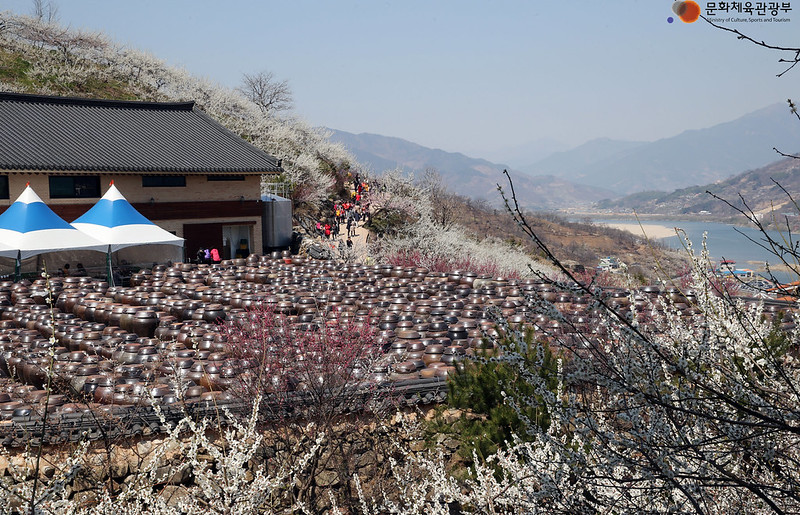
Gwangyang is best known for its stunning Plum Blossom festival, which offers some of the most breathtaking photos you can capture in Korea. As you walk through the area, you can’t help but feel connected to the rich mythology that surrounds the region. The festival draws countless visitors every year, eager to witness the beauty of the blossoms and the stories behind them.
The fascinating part about Gwangyang’s plum trees is that the people who helped create its myth are still alive today. The story goes that a young woman, newly married, moved to the remote countryside of Gwangyang. Feeling lonely in such isolation, she decided to plant 5,000 plum trees in hopes of attracting visitors. Over time, her efforts paid off, and now, 50 years later, there are over 10,000 plum trees, making the festival one of the most famous in Korea.
Getting to Gwangyang can be challenging, especially since it’s located in the countryside. You’ll need a bit of experience or a car to reach the area, but it’s certainly possible to make the journey if you’re up for the adventure. The combination of its beautiful scenery and the mythological story behind the plum trees makes Gwangyang a memorable and worth-while destination.
Related Post:
- Explore the Breathtaking Natural Event in South Korea That Mirrors Moses’ Story.
- Check Out 21 Beautiful Locations in England for Your Dream Vacation.
- Find 21 Beautiful Places Across Italy That Are Straight Out of a Dream.
- Uncover 21 Beautiful Locations in Brazil for Your Perfect Getaway.
The Things I Didn’t See: A Few Missed Gems in Korea
I’m confident that I saw nearly everything worth visiting in Korea, but there are still a few places that eluded me. The most notable omission is the Namhansanseong fortress and its surrounding walls, located just south of Seoul. As Korea’s final UNESCO Heritage Site, it’s a significant historical landmark that I wish I had experienced firsthand.
Another place I missed was Songgwangsa, the third of Korea’s three Jewel Temples, which hold immense importance in Korean Buddhism. It’s considered a spiritual center and an essential site for those interested in the country’s religious history. Additionally, I didn’t make it to the Upo Wetland, which is currently on the tentative list to become a UNESCO Natural Site. It’s known for its beautiful natural landscapes and wildlife, making it a place I regret overlooking.
If you happen to get through my full list of must-see spots, these places are certainly worth adding to your itinerary. I’d love to hear what you think of them if you decide to visit!