
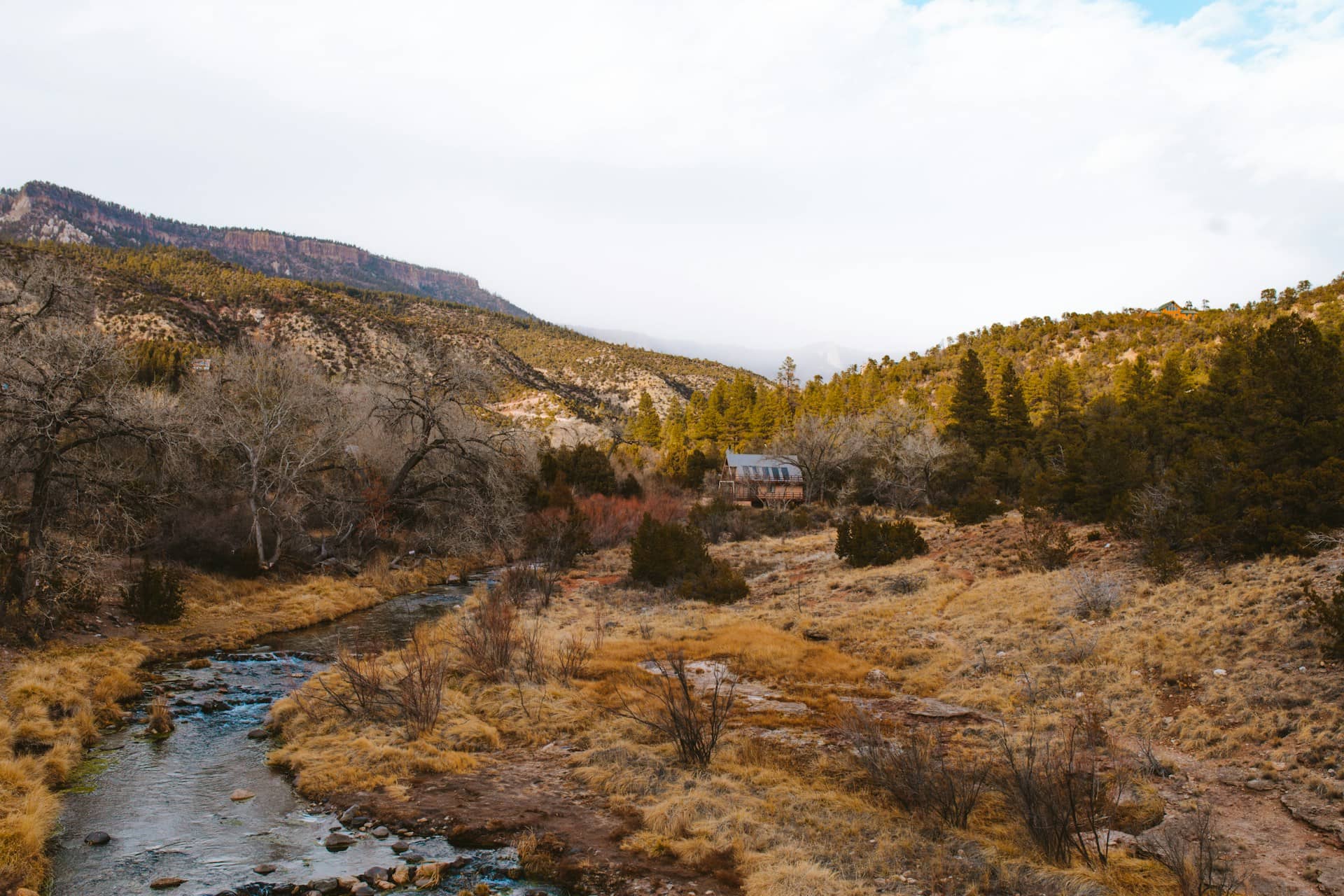
Looking for a short break that feels different from the usual Western road trip? New Mexico often flies under the radar, yet it delivers small towns filled with character and depth. Open landscapes, layered history, and strong local identity make this state an easy pick for a refreshing weekend away.
I’ve long felt New Mexico doesn’t receive the attention it deserves—much like West Virginia on the eastern side of the country. While other destinations dominate travel conversations, New Mexico quietly offers villages shaped by art communities, Indigenous heritage, and generations of lived tradition. These places feel grounded rather than staged, shaped by time instead of trends.
This guide shares a selection of the state’s most appealing small towns—places where culture, scenery, and daily life come together naturally. Some lean creative, others feel rugged and historic, and a few surprise visitors with how active they feel after dark. Together, they reveal how much variety exists beyond the bigger cities.
Did I miss any charming small towns in New Mexico? Share your favorites in the comments—I’d love to hear which places left a strong impression on you.
Top Small Towns to Visit Across New Mexico
This guide highlights a diverse mix of small towns spread across New Mexico, making it easier to plan short detours or connect several stops into one road trip. A map is often included so you can quickly judge distance, driving time, and how these towns fit together geographically.
Some of these places are shaped by art communities and long histories, while others grew around rail lines, mining routes, or mountain passes. Elevation, scenery, and local culture shift quickly from town to town, which keeps travel through the state interesting without feeling repetitive.
Towns covered in this guide:
- Taos
- Silver City
- Aztec
- Gallup
- Red River
- Tucumcari
- Galisteo
- Santa Rosa
- Jemez Springs
- Cloudcroft
- Raton
- Madrid
- Ruidoso
- Las Vegas
- Chimayo
Whether you’re after mountain air, desert highways, or towns built on deep tradition, this list gives you a flexible starting point for exploring New Mexico beyond its major cities.
How This Map Works : Zoom in or out using your fingers or mouse. Tap or click the icons to see more details about each location. To save the map for later, select the star next to the map title. It will be added to your Google Maps account under Saved > Maps or “Your Places.”
1. Taos, New Mexico
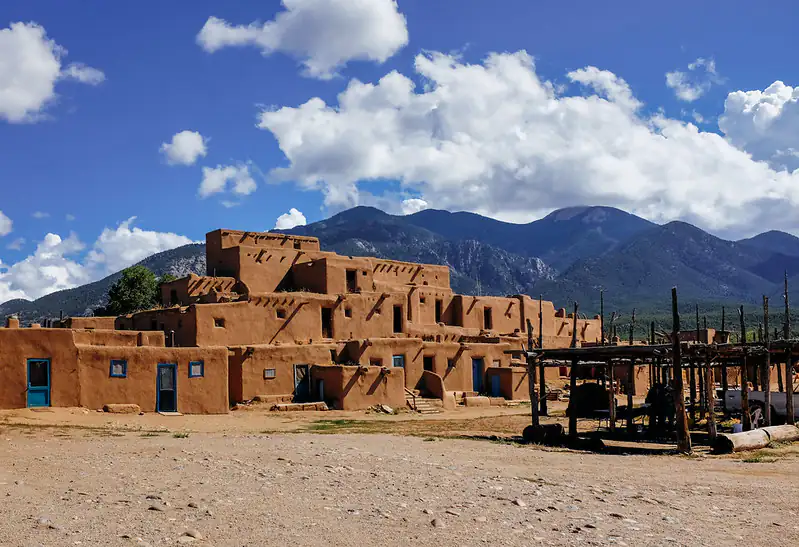
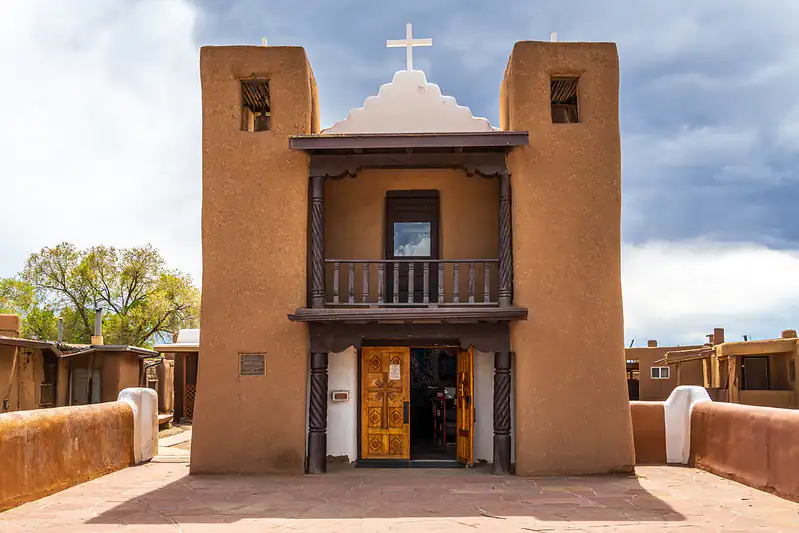
One of the most striking stops in New Mexico is Taos, best known for Taos Pueblo. This Native American community has been continuously inhabited for over 1,000 years and holds recognition as both a UNESCO World Heritage Site and a U.S. National Historic Landmark. Walking through the pueblo offers a rare look at living history that still shapes daily life today.
Beyond the pueblo, Taos rewards slow exploration. Taos Plaza acts as a central gathering point, surrounded by galleries, shops, and cafés. Nearby stops such as Saint Francis de Assisi Catholic Church and the Rio Grande Gorge reveal how faith, landscape, and settlement patterns intersect in this part of the state. A short drive brings dramatic canyon views that feel worlds away from town.
History continues at the Kit Carson Home and Museum, where preserved Spanish-style architecture frames stories of frontier-era life. The museum hosts tours and talks that give context to Taos’s complicated past and its role in regional expansion.
For a broader sense of place, visitors often spend time at the Millicent Rogers Museum, follow the Enchanted Circle Scenic Byway, stop by the Taos Art Museum at Fechin House, sample local brews at Taos Mesa Brewing, or head north to the Wild Rivers Recreation Area. With art, history, and landscape woven closely together, it’s easy to see why Taos draws visitors year after year.
2. Silver City, New Mexico
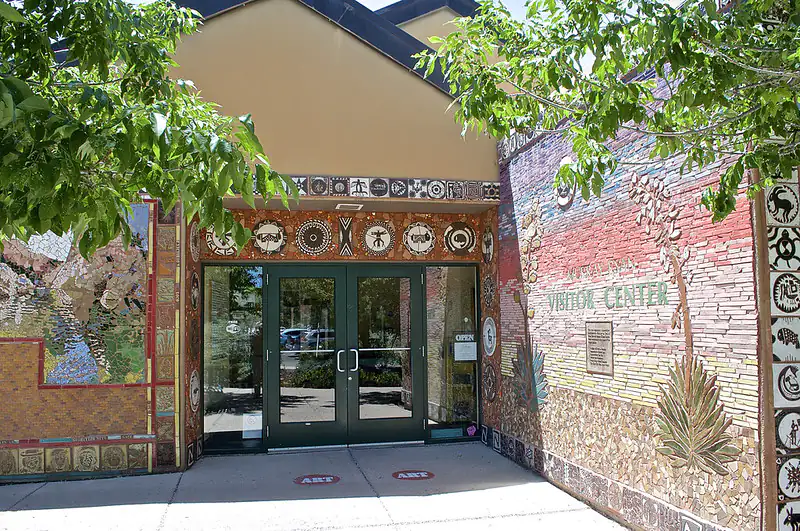
A good way to get oriented in Silver City is by starting at the Silver City Visitor Center. Staff and displays there outline local routes, historic stops, and nearby attractions, giving context before you head out on foot.
Just a short walk away sits the Billy the Kid Homesite, a reconstructed log cabin marking where Billy the Kid once lived with his family. It’s a brief stop, but it adds texture to the town’s frontier-era stories.
West Broadway Street leads to the Silver City Museum, where exhibits trace mining roots, cultural shifts, and everyday life across generations. From there, North Bullard Street offers a casual walk past restored buildings that hint at different chapters of the town’s growth.
Silver City also leans heavily into outdoor space. Big Ditch Riverwalk Park runs through town, while farther out the Gila Mountains, Gila Cliff Dwellings National Monument, Catwalk Recreation Area, Fort Bayard Historic District, and Lake Roberts offer plenty of reasons to linger longer than planned.
3. Aztec, New Mexico
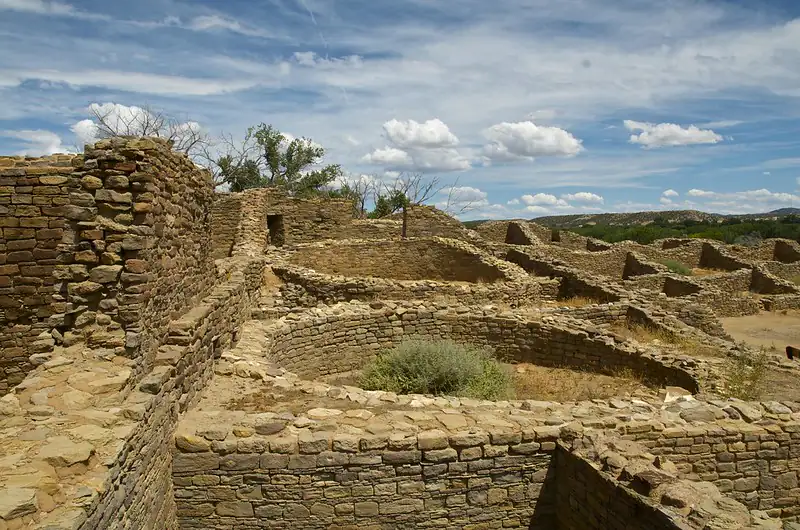
The best-known site in Aztec is Aztec Ruins National Monument, a place that anchors the town’s long human timeline. Begin at the visitor center and museum, then follow the path toward the ancestral Puebloan Great House. Built roughly 900 years ago, it features hundreds of masonry rooms, original wooden beams, preserved stone walls, and a reconstructed ceremonial great kiva that anchors the complex.
To continue the historical thread, stop by the Aztec Museum. Its collections range from early mining tools to dairy equipment and period clothing. Nearby, Pioneer Village recreates everyday life with a carpentry shop, log cabin, farmhouse, church, and schoolhouse arranged as a small settlement.
Downtown Aztec adds another layer. A short walk brings you past long-standing landmarks like the Jarvis Hotel site, the Randall Building on South Main Avenue, and Odd Fellows Hall, each tied to a different phase of the town’s growth.
Outdoor stops round out the visit. Trails such as Alien Run Trail and the Animas River Trail follow open terrain and water corridors, while natural formations like Cox Canyon Arch and Arch Rock add a geological counterpoint to Aztec’s deep history.
4. Gallup, New Mexico
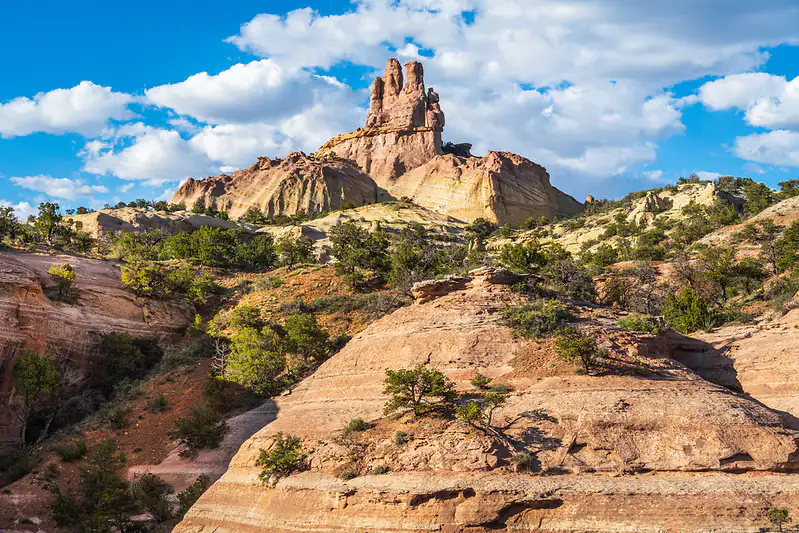
A visit to Gallup often begins along Route 66 and Coal Avenue, where long-established trading posts, galleries, and cafés line the street. This area reflects the town’s role as a crossroads between cultures, shaped by railroads, highway travel, and Native communities.
History and performance intersect at places like the Rex Museum, exhibits honoring the Navajo Code Talkers, and the El Morro Theatre. These stops add context to Gallup’s past while keeping its stories accessible.
Downtown offers plenty to fill an afternoon. Courthouse Square Plaza regularly hosts Native tribal dance performances, murals stretch across building walls for self-guided walking routes, and long-running trading posts sell handmade Native American jewelry and crafts with deep regional roots.
Food breaks come easy here. Local favorites such as Sandra’s Place, Coal Street Pub, and Ancient Way Cafe offer relaxed settings and reliable meals between stops.
Just beyond town, sites like Zuni Pueblo, El Malpais National Monument, Chaco Culture National Historical Park, and Red Rock Park expand the experience into archaeology and wide-open terrain. Gallup works well as a stop on the way to Arizona or as a day trip from Albuquerque—just don’t skip a coffee from Gallup Coffee Company before you head out.
5. Red River, New Mexico
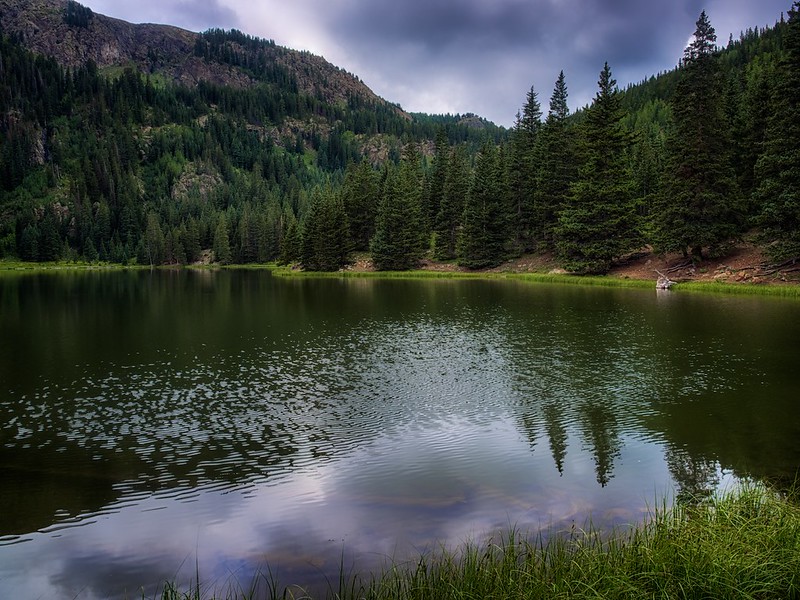
Set high in the mountains of New Mexico, Red River draws visitors throughout the year thanks to its steady mix of outdoor activity and small-town rhythm. Seasonal changes bring entirely different reasons to visit, making the town feel refreshed with each return.
Cold months turn Red River into a snow-focused hub. Alpine runs and winter trails dominate the landscape, with popular stops like Red River Ski Area, Red River Sled Shed, and Enchanted Forest Cross Country Ski Area offering plenty of ways to stay active once the snow settles in.
Warmer seasons shift attention to dirt roads, open meadows, and higher elevations. Horseback rides and off-road routes through Red River Stables and Red River Offroad lead toward views of Greenie Peak and stops near Goose Lake, where the scenery changes quickly with elevation.
Hiking also plays a big role here. Trails like the Red River Nature Trail, Sawmill Park Trail, and Gold Hill range from relaxed walks to steeper climbs, giving visitors plenty of choice without needing to travel far.
Food options punch above the town’s size. Longtime favorites such as Old Tymer’s Café, Sundance Mexican Restaurant, Red River Brewing Company & Distillery, and Texas Reds Steakhouse give evenings a satisfying close.
After dark, many visitors head toward Bobcat Pass Wilderness Adventures for Moreno Valley Cowboy Evenings. Live music, open skies, and a relaxed Western atmosphere make it an easy way to wind down after a full day outdoors.
6. Tucumcari, New Mexico
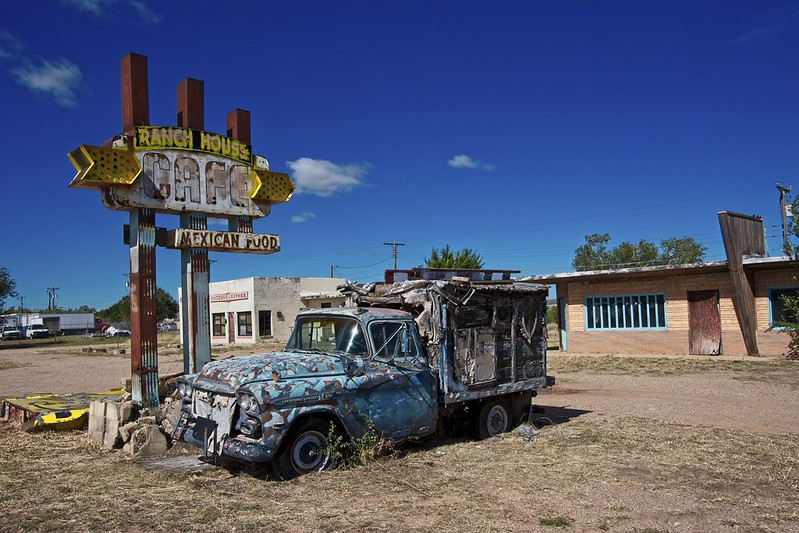
If you’re drawn to road trips layered with history and local character, Tucumcari makes a strong case for a short escape. This eastern New Mexico stop carries deep ties to railroads, Route 66 travel, and roadside culture that still shapes the town today.
Begin with the area’s museums, starting at the Mesalands Community College’s Dinosaur Museum and Natural Sciences Laboratory. Inside, real fossils sit alongside life-sized bronze dinosaur sculptures, creating an unexpected contrast between science and large-scale art. It’s an easy place to spend more time than planned.
For a broader look at the past, the Tucumcari Historical Museum houses artifacts and memorabilia that trace daily life across decades. Nearby stops like the New Mexico Route 66 Museum and the Tucumcari Railroad Museum round out the story, tying travel and industry together.
Away from exhibit halls, Tucumcari’s outdoor art scene adds color to a walking route through town. Painted murals appear across buildings, offering an informal way to explore on foot. A quick stop at the Route 66 Townhouse Welcome Center and Gift Shop makes for an easy souvenir break.
Other points worth time include Tee Pee Curios, the Route 66 Monument, the Odeon Theatre, and a relaxed round at the Tucumcari Municipal Golf Course. Together, these stops show why Tucumcari remains a memorable pause along New Mexico’s open roads.
7. Galisteo, New Mexico
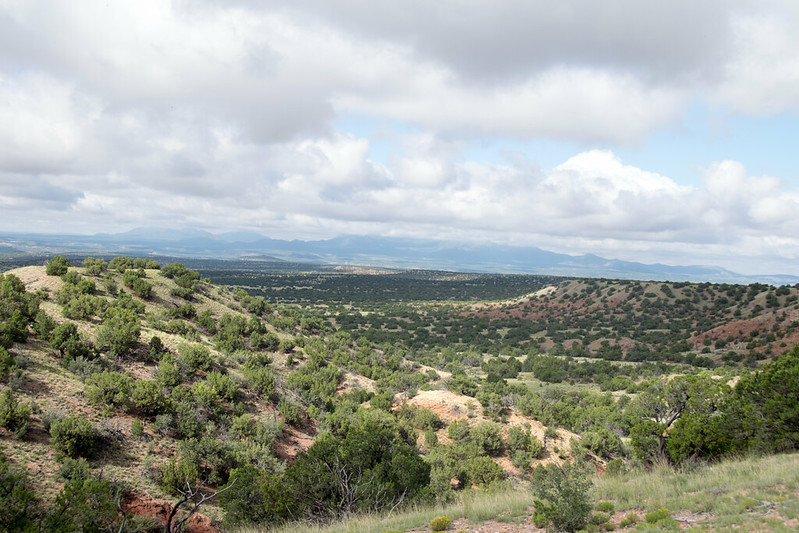
If you’ve ever wanted to step into a classic Western film set, the streets of Galisteo come surprisingly close. Weathered buildings, open space, and a slow pace give the town a cinematic feel without any need for special effects.
Art plays a central role here. The Encaustic Art Institute draws creatives and visitors alike, with exhibitions centered on wax-based techniques and experimental forms. Its galleries add depth to the town’s cultural life and reward anyone curious about less conventional art practices.
No visit feels complete without a stop at the Casa Grande Trading Post, a long-standing fixture filled with regional crafts and character. When the town itself feels quiet enough to pause, nearby open land offers a shift in scenery. Cerrillos Hills State Park sits just outside town, with trails cutting through rolling terrain shaped by mining history and wide skies.
For those who prefer time in the saddle, Creek Stables Trail Riding provides guided horseback outings across surrounding land. Another expansive option is the Galisteo Basin Preserve, where a network of riding, hiking, and biking routes stretches across the basin, offering long views and room to roam.
8. Santa Rosa & the Blue Hole, New Mexico
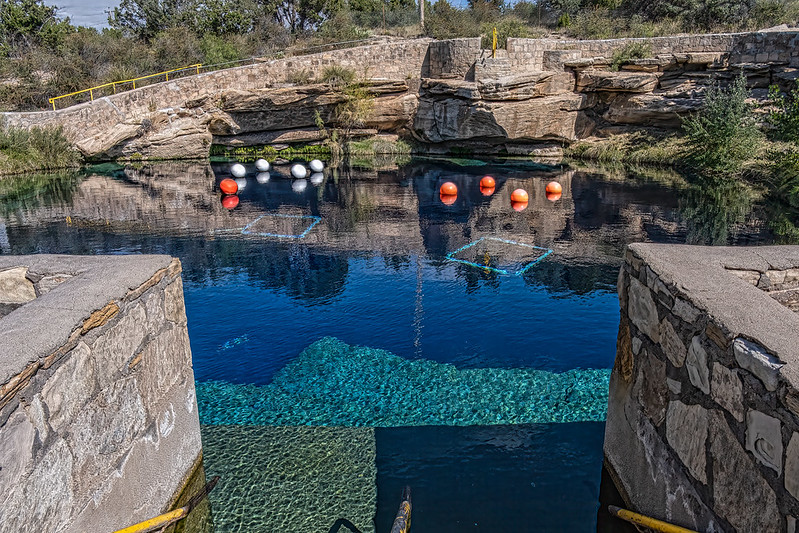
New Mexico offers plenty of offbeat stops, and Santa Rosa stands out for one reason above all: the Blue Hole. This deep, spring-fed pool is known for clear water and a steady temperature, making it a popular spot for swimming, free diving, and scuba practice. Many visitors linger here longer than planned, watching the color shift as light moves across the surface.
After time at the Blue Hole, head over to Santa Rosa Lake State Park. The area supports boating, paddle sports, shoreline picnics, and a floating water play zone that keeps younger visitors busy. It’s an easy transition from a single landmark to a broader outdoor setting.
Water-based stops continue around town. Park Lake, WIBIT Park Lake, and the Santa Rosa Dive Center give travelers more ways to stay active without leaving the area.
To round out the day, step indoors at the Route 66 Auto Museum, where vintage vehicles line the exhibits. A short walk past the Guadalupe County Courthouse adds a civic note, and dinner at Joseph’s Bar and Grill brings the visit to a relaxed close with local flavors.
9. Jemez Springs, New Mexico
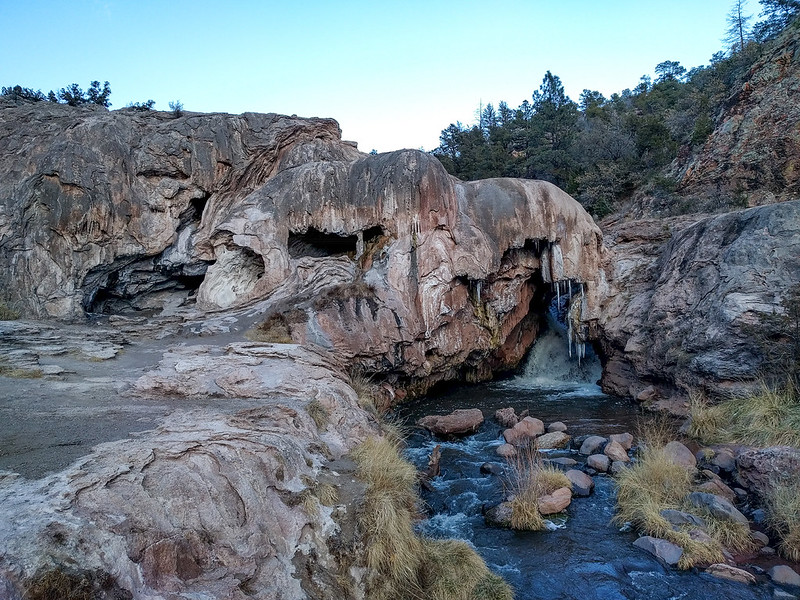
A trip to Jemez Springs appeals strongly to travelers who prefer open land, mineral water, and slower movement through a place. The town has a calm rhythm shaped by surrounding canyons, forests, and geothermal features rather than busy streets.
Within the community, natural hot springs and small cascades draw visitors who want time outdoors without long drives. Trails branch out in several directions, offering short walks and longer routes through pine-covered terrain. A short drive leads to Valles Caldera National Preserve, a massive extinct volcanic caldera measuring more than thirteen miles across, with wide grasslands and sweeping views.
Recreation here stays grounded in the land itself. Horseback routes follow ranch roads, and grazing areas hint at the region’s long agricultural use. Cultural history comes into focus at the Jemez State Monument, an important ancestral location connected to the Jémez Pueblo, offering insight into centuries of settlement.
For art and local expression, the Jemez Fine Art Gallery provides a quieter counterpoint to outdoor exploration. Additional natural stops such as the Jemez National Recreation Area, Battleship Rock, and the Jemez Mountain Trail National Scenic Byway round out a visit that stays closely tied to landscape and history.
10. Cloudcroft, New Mexico
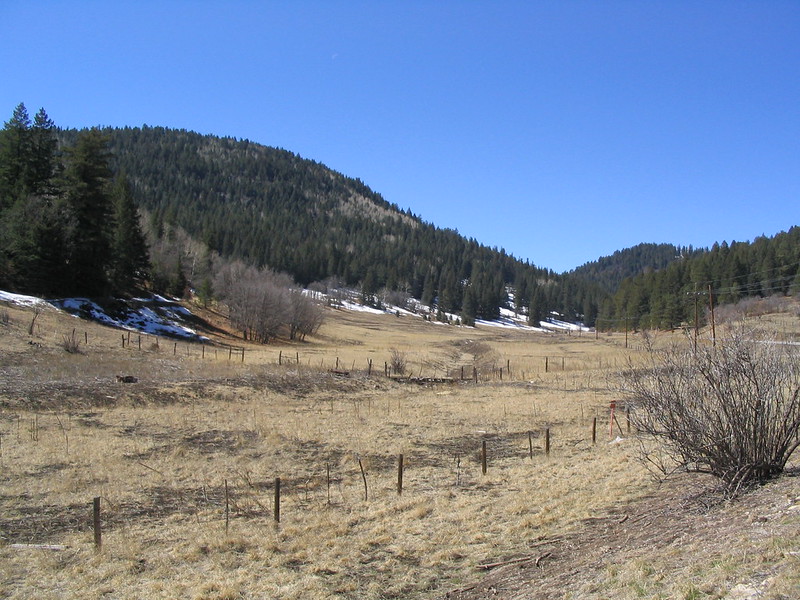
Set high in the Sacramento Mountains, Cloudcroft offers a cooler climate and a steady connection to forested terrain. Summer months invite long walks beneath tall pines, time on historic pathways, and wide views that stretch across southern New Mexico.
Outdoor options are plentiful and spread out. Popular routes include the Trestle Recreation Area, Cloud-Climbing Trestle Trail, Rim Trail, Osha Trail, and Bluff Springs. Each provides a different perspective on the surrounding forest and canyon edges.
Camping and recreation pair easily here. Golfers can choose between the Cloudcroft Disc Golf Course and the The Lodge Golf Course, both known for elevated fairways and long mountain views rather than flat greens.
Winter changes the rhythm without slowing things down. The Cloudcroft Ice Rink and Ski Cloudcroft keep visitors active with cross-country skiing, snow play, and cold-weather outings.
Weather-independent stops round out the visit. Local flavors appear at Noisy Water Winery, Pistachio Land, Heart of the Desert, and Cloudcroft Brewing Company. Cultural and casual stops like the Cloudcroft Light Opera Company, Sacramento Mountains Museum & Pioneer Village, Silver Springs Fishing Pond, and Coco Blu add variety beyond the trails.
11. Raton, New Mexico
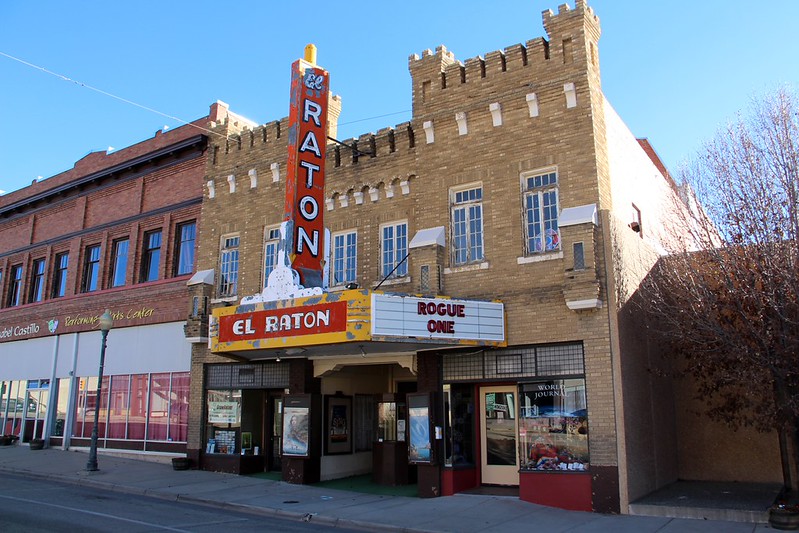
Often passed by without a second glance, Raton rewards those who choose to slow down. The surrounding landscape opens quickly into outdoor spaces like Climax Canyon Park and Sugarite Canyon State Park, where canyon walls, lakes, and quiet trails shape the experience.
One landmark stands apart from the rest: Capulin Volcano National Monument. The drive to the rim reveals sweeping views and exposed volcanic formations, offering a close look at geological forces that shaped the region nearly ten million years ago.
Beyond town limits, large working landscapes define another side of Raton. Visits near Philmont Scout Ranch and Vermejo Park Ranch highlight ranching heritage and open terrain before attention shifts back to town streets.
Local shopping leans traditional rather than trendy. Stops like Solano’s Boot and Western Wear, Flat Mountain Trading Company, and Dulces Encantados offer western wear, regional goods, and handmade sweets that feel tied to place rather than passing fads.
Raton also keeps its cultural anchors close. The Raton Museum, El Raton Theatre, and Shuler Theater add depth, while lighter options like the Raton Golf Course and Raton Regional Aquatic Center round out a stay that feels fuller than expected.
12. Madrid, New Mexico
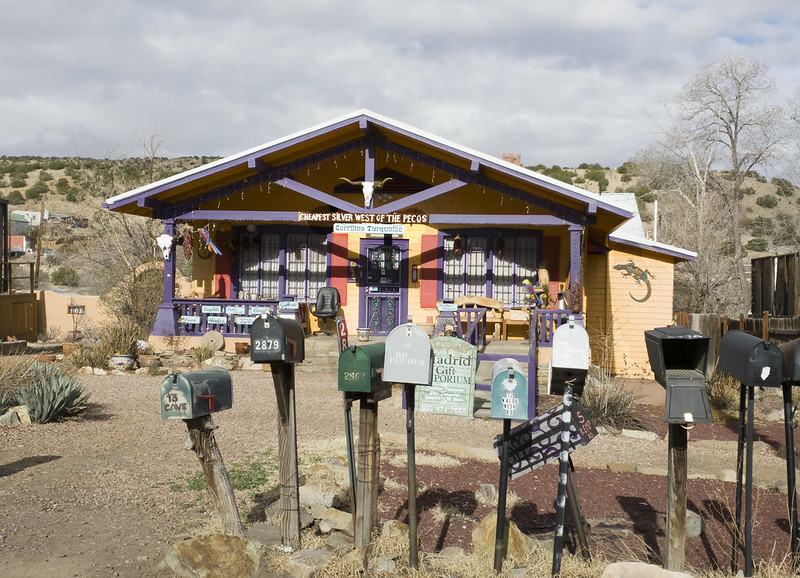
Set between Albuquerque and Santa Fe, the former mining town of Madrid has taken a creative turn. With a population hovering around two hundred, it packs an unexpected concentration of galleries, studios, and offbeat storefronts into a short stretch of road.
Jewelry and craft shops are a major draw. Stops like Crystal Dragon, Ghost Town Trading & Boarding, and 10 pm Steampunk specialize in handmade silver, turquoise, and gemstone pieces that reflect the area’s artistic leanings.
Gallery hopping fills the rest of the afternoon. Gifted Hands Gallery and Indigo Gallery focus on regional artists, while Starshine Gallery blends artwork with intuitive readings and spiritual services, adding another layer to the town’s creative identity.
Food options follow the same unconventional path. The Mine Shaft Tavern and Cantina serves as a long-running social hub, while Java Junction Coffee and Gifts and Shugarman’s Little Chocolate Shop offer easy stops between galleries.
For those who want a change of scenery, Madrid sits just off the Turquoise Trail, one of the state’s most memorable drives, linking art towns, open hills, and long desert views in a single route.
13. Ruidoso, New Mexico
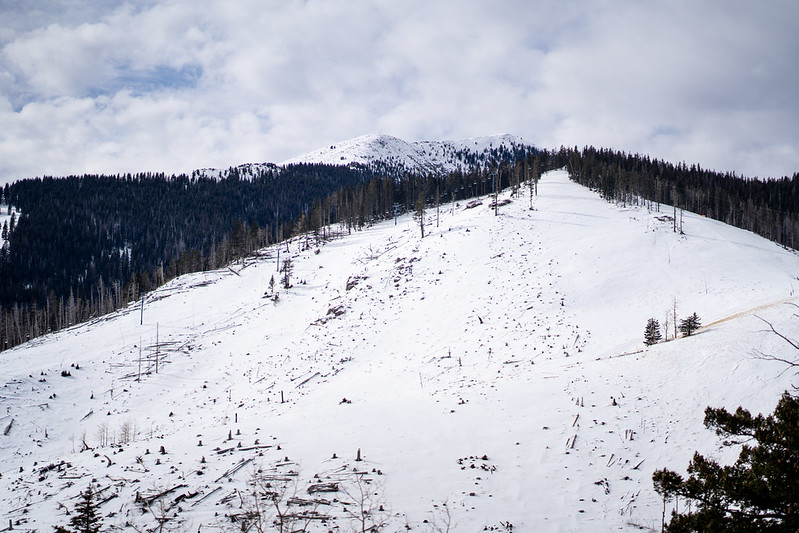
Each year, Ruidoso pulls in travelers from across the U.S. thanks to its broad mix of outdoor options and mountain-town energy. The appeal lies in variety—activities shift with the seasons, yet the town never feels locked into a single identity.
Warm-weather days often revolve around water and trails. Bonito Lake offers camping areas, shoreline fishing, and walking routes through pine forest. Cyclists and riders branch out toward Fort Stanton, the Snowy River Cave National Conservation Area, or loop the paths around Grindstone Lake, where the terrain stays varied without long drives.
Once snow settles in, attention shifts uphill. Ruidoso Winter Park and Ski Apache anchor winter recreation with skiing, tubing, and cold-weather play that draws both first-timers and repeat visitors.
Dining in town keeps things relaxed. A stop at The Village Buttery is a local favorite for soups and stacked sandwiches, while Noisy Water Winery offers wine flights paired with cheese for a slower afternoon break.
History remains close by for those curious about the past. Fort Stanton appears again as a cultural landmark, and views from Monjeau Lookout add perspective on the surrounding landscape.
Families often round out their visit at Pillow’s Funtrackers, where go-karts, bumper boats, and arcade games shift the focus from nature to play. With so many directions to choose from, Ruidoso easily fills a weekend—or justifies coming back again.
14. Las Vegas, New Mexico
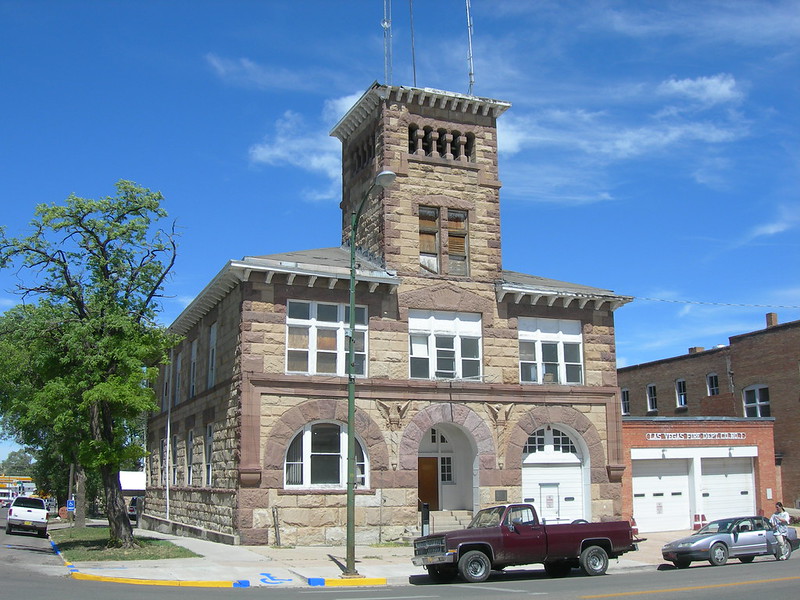
Often mistaken for its flashier namesake in Nevada, Las Vegas sits roughly an hour east of Santa Fe and carries a very different character. Here, history outweighs spectacle, and streets tell stories shaped by railroads, trade, and territorial life.
A good starting point is the Old Plaza, the town’s historic square and longtime gathering place. Nearby stands the Demarais House – Our Lady of Sorrows Parish Hall, built in 1882 and still active today. Its walls reflect decades of community life rather than quiet preservation.
From there, head to the Historic Plaza Hotel, an Italian-style landmark known for hosting events and travelers since the railroad era. Often called the “Belle of the Southwest,” it anchors the town with presence rather than polish.
Several historic sites sit within easy reach. These include Our Lady of Sorrows Church, the Carnegie Library, the City of Las Vegas Museum and Rough Rider Memorial Collection, the Old City Hall, and the La Castañeda Hotel, each tied to a different chapter of the city’s past.
Time outdoors balances the architecture-heavy itinerary. Storrie Lake State Park, Villanueva State Park, and Montezuma Springs sit close enough for relaxed detours, rounding out a visit that blends history with open space rather than rushing between stops.
15. Chimayo, New Mexico
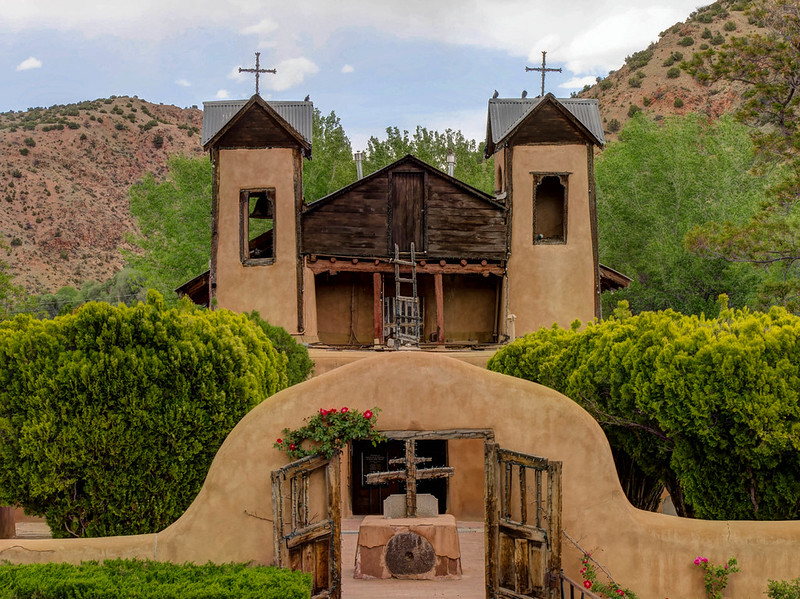
Begin your time in Chimayo with a visit to El Santuario de Chimayo, a Roman Catholic church that draws roughly 300,000 pilgrims each year. The site carries deep spiritual weight and long-standing traditions that continue to shape the surrounding community.
For locally made keepsakes, stop by Ortega’s Weaving Shop, operated by nine generations of weavers, or visit El Potrero Trading Post, known for regional produce and goods tied closely to northern New Mexico life.
Another religious landmark worth time is the Chapel of Santo Niño. Built in 1856, its structure reflects early territorial craftsmanship and offers a quieter contrast to the larger sanctuary nearby.
Outdoor space adds balance to the visit. Santa Cruz Lake Recreation Area supports camping, fishing, swimming, and water-based activities, making it an easy stop for those who want fresh air between cultural sites.
End the day with a meal at Rancho de Chimayo, a family-run restaurant that has served traditional dishes for more than fifty years.
New Mexico is filled with small towns worth time and attention, and Chimayo stands firmly among them.
Did I miss any places? Share your favorite New Mexico small towns in the comments.
Related Posts:


You forgot Cloudcroft