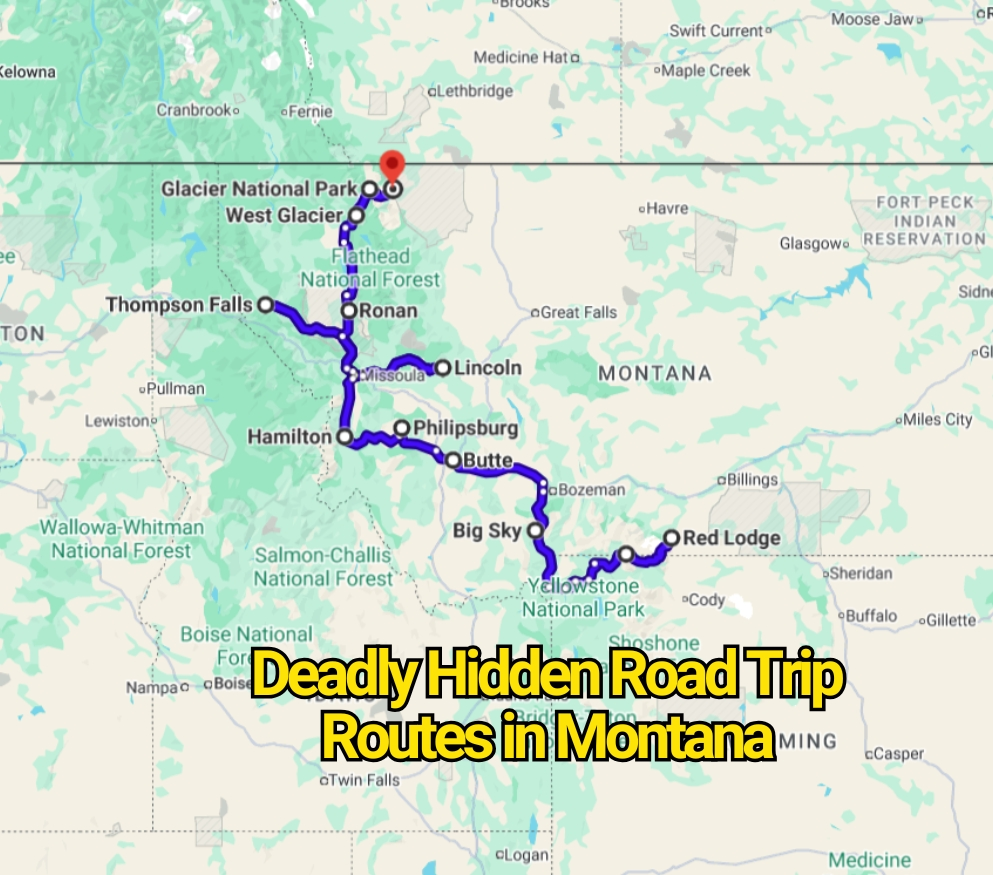
Montana sells itself with wide skies, glacier-cut valleys, empty highways, and road trip views that feel almost too clean for real life. That is the pretty version. Locals know the other side. Some of the state’s most scenic drives also come with sudden weather, loose gravel, blind curves, wildlife crossings, cliffside lanes, and long stretches where help is not exactly around the corner.
That does not mean these roads should be avoided forever. It means they deserve more respect than a quick glance at a map. The risky part is rarely one single dramatic bend. It is the slow stack of Montana problems: distance, speed, weather, animals, elevation, and drivers who think a beautiful road must be an easy road.
This is where the contrarian part begins. The most concerning Montana drives are not always the ones with the scariest names. Some look harmless, even famous. Others are quiet backroads that tourists barely notice until the pavement gets rough or the fog drops low. These are the routes locals warn about because they have seen how fast a calm drive can turn serious.
Beartooth Highway
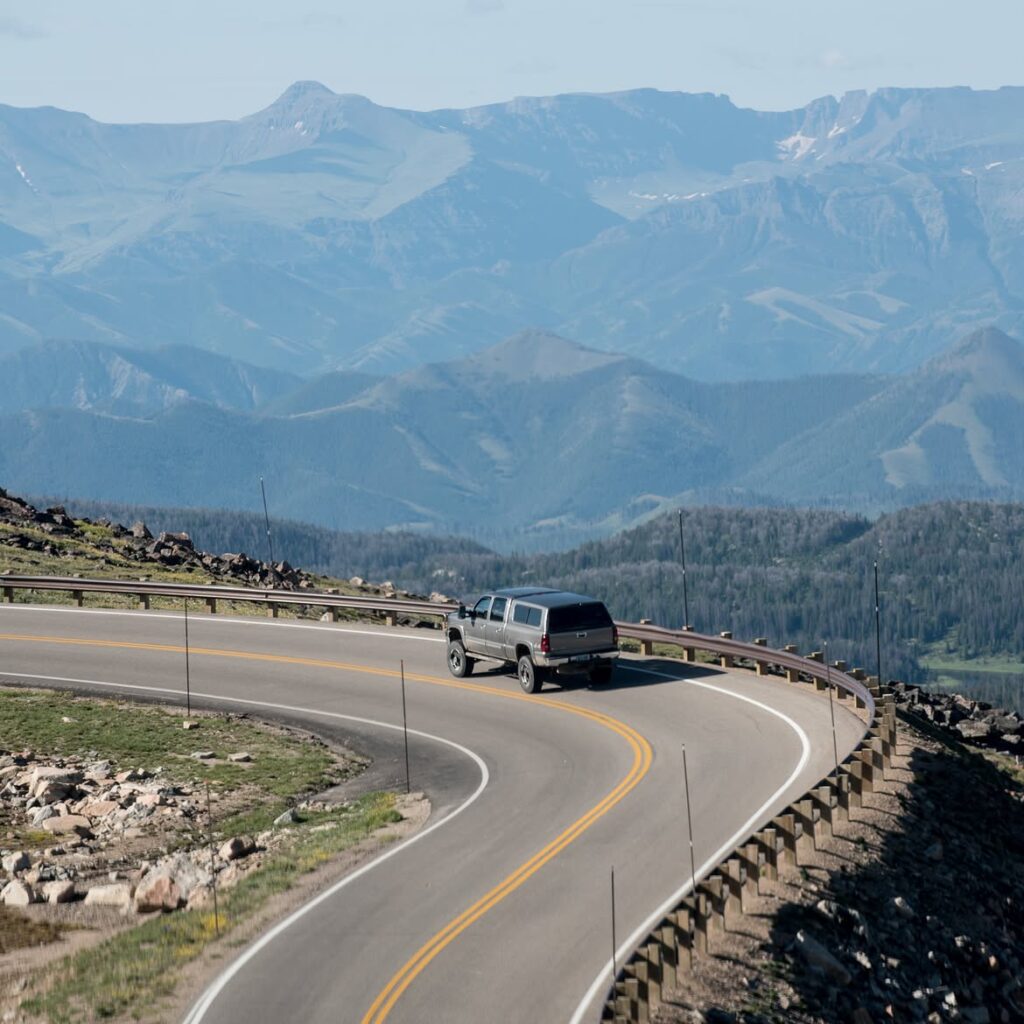
Beartooth Highway looks like a reward at first. The road climbs from Red Lodge into high mountain country, curling through alpine views, rocky slopes, and sweeping pullouts that make every mile feel cinematic. Many travelers treat it like a bucket-list drive, and for good reason. It is one of the most dramatic routes near Yellowstone.
The problem is that beauty does not make it gentle. This road sits at high elevation, and the weather can shift without much warning. A sunny morning near Red Lodge can feel completely different once the route climbs higher. Snow, fog, wind, and wet pavement can appear during seasons when visitors expect smooth summer driving.
Locals know Beartooth Highway requires patience. It is not a road for speeding, distracted photo stops, or careless passing. The switchbacks, drop-offs, and changing conditions make it a route where confidence can become a mistake. The smart move is simple: check conditions before going, drive slower than your excitement tells you to, and never assume the whole route is open just because the town below feels warm.
Going-to-the-Sun Road
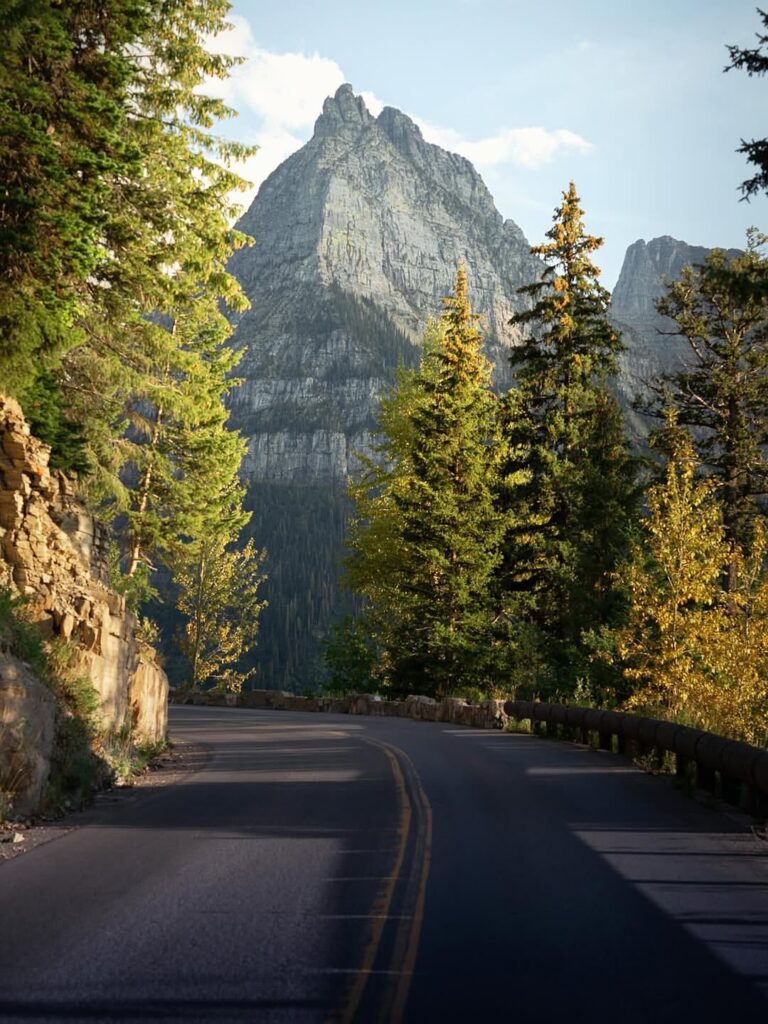
Going-to-the-Sun Road is one of Montana’s greatest travel magnets. It cuts through Glacier National Park with mountain walls, tight bends, waterfall views, and some of the most photographed scenery in the northern Rockies. For many visitors, this road is the reason they came.
That fame can hide how demanding the drive feels in person. The lanes are narrow in places. Traffic can be heavy. Drivers slow down suddenly for views, wildlife, cyclists, construction, or fear of the edge. Larger vehicles face strict limits because the road was not built like a broad modern highway.
The danger here is crowd pressure. People get boxed in by long lines of traffic and start making rushed decisions. Others become distracted by the views. Locals often warn visitors to treat this road like a mountain passage, not a sightseeing lane with a steering wheel. The view will still be there if you pull over safely. It may not forgive a careless glance at the wrong second.
Skalkaho Highway
Skalkaho Highway between Hamilton and Philipsburg is the kind of road that makes Montana feel raw. It has forest, open stretches, mountain air, and a slower pace that appeals to road trippers who want something less polished than the famous park roads. That rougher feel is also the warning sign.
Parts of this route are gravel, and the pass is seasonal. That changes the whole character of the drive. Gravel can hide washboards, soft shoulders, potholes, and loose stones that reduce control, especially for drivers used to city pavement. Add rain or lingering snowmelt, and the road can feel far less friendly.
This is not a route to treat like a shortcut. Locals know Skalkaho can punish poor timing and weak preparation. A full tank, decent tires, daylight, and a calm pace matter here. The road is beautiful, but it asks for attention in return.
Looking Glass Highway
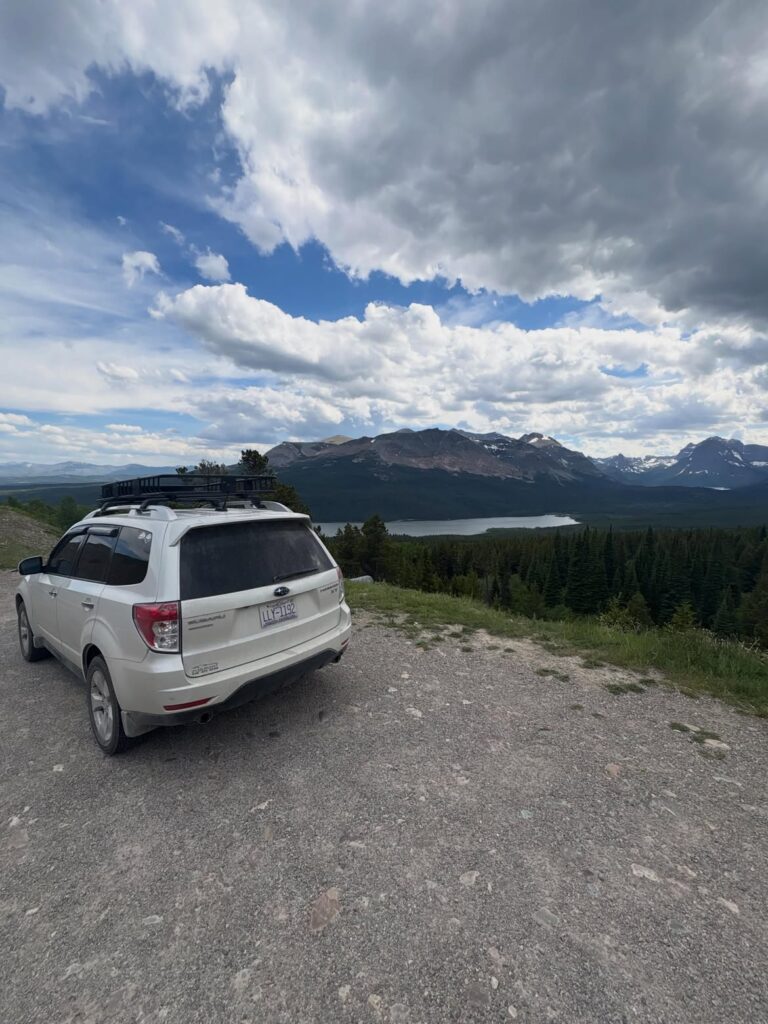
Looking Glass Highway, also known as Montana Highway 49, is not long, but it has the kind of reputation that makes locals pause. It runs near Glacier National Park and gives travelers a quieter way through mountain scenery, with grand views that can make the drive feel almost peaceful.
That calm feeling can be misleading. Looking Glass is a seasonal road with tight sections, elevation changes, and weather exposure. In poor conditions, it can become stressful quickly. Its shorter length may tempt visitors to underestimate it, but Montana roads do not need many miles to become risky.
The route is best handled with steady focus. Drivers should avoid rushing it, especially after rain, during shoulder seasons, or when visibility drops. The road’s appeal is its raw mountain character. That same character is why locals do not treat it casually.
Thompson Pass Road
Thompson Pass Road near the Montana-Idaho border feels far from the busy travel corridors. It is the type of route that draws people who want forested slopes, mountain silence, and a sense of being away from the usual tourist pull. That remote mood is exactly what makes it a serious drive.
A road can feel peaceful and still be risky. Thompson Pass has seasonal concerns, remote stretches, and mountain conditions that can change faster than many visitors expect. Cell service may be limited in areas, and traffic can be light enough that help is not immediate if something goes wrong.
Locals warn about roads like this because they remove the safety net people take for granted. There may be no quick gas station, no constant stream of passing cars, and no easy backup plan. A calm road becomes a hard lesson when weather, tire trouble, or poor timing enters the picture.
US 191 Through Gallatin Canyon
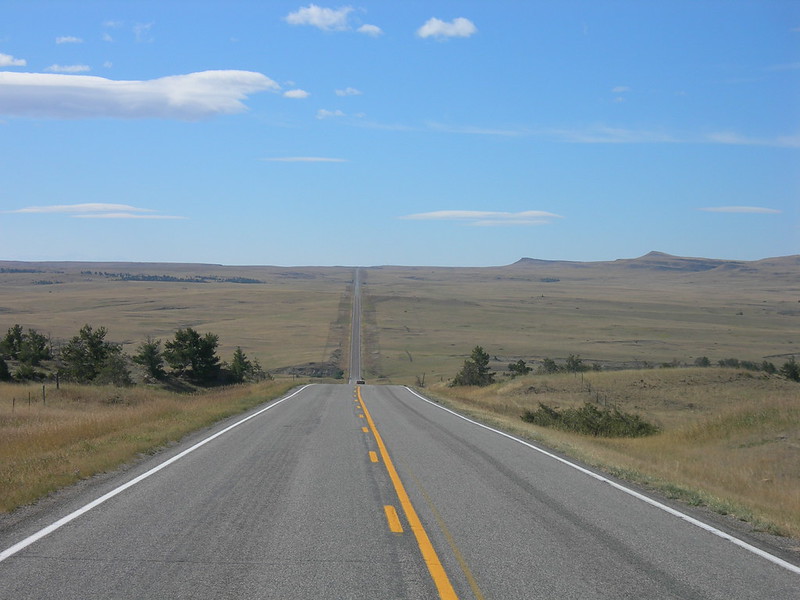
US 191 through Gallatin Canyon is not exactly hidden to locals, but many visitors underestimate it. This road connects Bozeman, Big Sky, and routes near Yellowstone, so it carries commuters, tourists, service vehicles, trucks, and impatient drivers sharing the same canyon corridor.
The scenery is strong, but the driving space can feel tight. Curves, canyon walls, river sections, wildlife, winter weather, and speed differences all add pressure. One driver may be heading to work, another may be staring at cliffs, and another may be nervous behind the wheel of a rental car.
That mix is what makes the road tense. It is not just the shape of the pavement. It is the behavior happening on it. Locals know US 191 can be unforgiving during bad weather, heavy traffic, or wildlife movement. Staying alert matters more here than chasing the fastest arrival time.
US 93 Bitterroot Corridor
US 93 through the Bitterroot area has long been more than a pretty drive. It moves people between towns, trailheads, homes, and Missoula-area traffic, which means it carries both everyday pressure and road trip curiosity. That mix can make it more dangerous than it appears.
The Bitterroot Valley can lull drivers into comfort. The views open wide, the road feels familiar, and the landscape can make speed feel less noticeable. Yet corridors like this often carry turning traffic, changing speed zones, wildlife movement, and drivers with very different goals.
This is the kind of road where locals want visitors to stay humble. It may not look terrifying, but familiar-looking highways can be where mistakes happen. Watch for sudden slowdowns, give space, avoid risky passing, and remember that a scenic valley road is still a working highway.
US 93 Near Ninepipe
The US 93 stretch near Ninepipe has a different kind of risk. The road passes open land and wetland habitat, where wildlife movement is part of the driving reality. It can look simple in daylight, then feel far more uncertain near dusk, dawn, or during poor weather.
Wildlife crossings are one of Montana’s most serious road trip hazards. Animals do not follow traffic logic. A driver may see one animal and miss another just behind it. Braking hard on a highway also creates danger for vehicles behind you, especially when visibility is low.
Locals understand that this area asks for slower eyes. Scan the shoulders, ease off the speed after dark, and avoid treating long open stretches as permission to zone out. The land may look calm, but it is active in ways a windshield does not always reveal early enough.
Homestake Pass
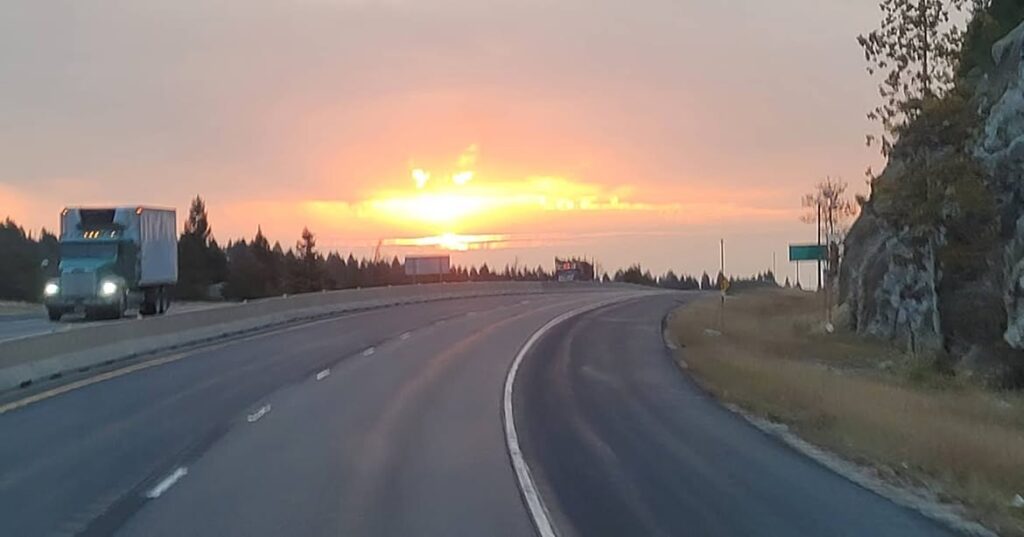
Some travelers think interstates are automatically safer because they are wider and more engineered. Homestake Pass east of Butte challenges that idea. Yes, it is part of I-90, but it is still a high-elevation mountain crossing with weather that can change the mood of the road.
Snow, wind, ice, fog, and fast-moving traffic can turn Homestake into a stressful stretch. The danger often comes from overconfidence. Drivers assume the interstate will behave like a flat highway, then meet mountain weather at highway speed.
Locals know this pass deserves a condition check, especially outside warm dry months. It is not enough to trust the blue sky behind you. On Montana passes, the next few miles can tell a different story.
Rogers Pass
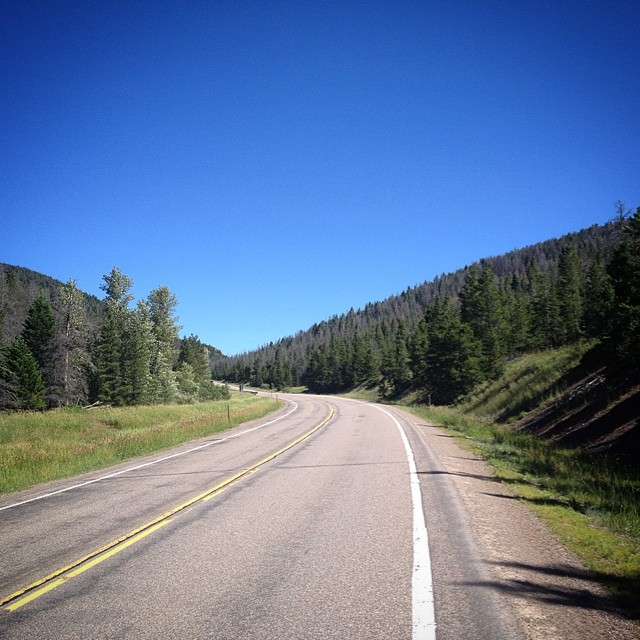
Rogers Pass on Montana Highway 200 is another route where elevation and weather matter. The drive can be beautiful, quiet, and deeply Montana, but it can also become icy, windy, or low-visibility depending on the season. For travelers who are not used to mountain roads, that can be a sharp adjustment.
This route has a colder, more exposed feel than many visitors expect. Winter and shoulder-season driving can bring slick patches, blowing snow, and long stretches where mistakes are harder to fix. Even in better weather, wildlife and remote conditions can raise the risk.
Locals warn about Rogers Pass because it rewards caution and punishes haste. Good tires, extra time, and current road information can make the difference between a memorable drive and a tense one.
Why Montana’s Hidden Road Risks Are So Easy to Miss
The real issue with Montana road trips is that danger often wears a beautiful mask. A road can have mountain views, quiet forests, open valleys, and still demand serious driving. In fact, the scenery can be part of the risk because it pulls attention away from the road.
Visitors also tend to think of danger as something obvious. A cliff road feels dangerous. A remote pass feels dangerous. But a broad valley highway with wildlife, speed, and turning traffic can be just as concerning. The roads locals warn about are often the ones that look easier than they are.
The better way to drive Montana is with respect, not fear. Check current road reports. Watch the weather. Slow down before curves, passes, gravel, and wildlife zones. Keep fuel in the tank. Give yourself daylight when possible. The state’s best drives are worth taking, but they should never be treated like casual background scenery.
Final Thoughts
Montana road trips can feel like freedom in its purest form, but freedom on the road still comes with responsibility. Beartooth Highway, Going-to-the-Sun Road, Skalkaho Highway, Looking Glass Highway, Thompson Pass Road, US 191, US 93, Homestake Pass, and Rogers Pass all offer powerful scenery with real risks attached.
The smartest travelers do not avoid every hard road. They read the conditions, respect local warnings, and understand that Montana does not always give second chances to careless driving. The reward is still there: huge skies, mountain air, wild views, and roads that stay in your memory long after the trip ends. Just make sure the story you bring home is the good kind.
You may also like :