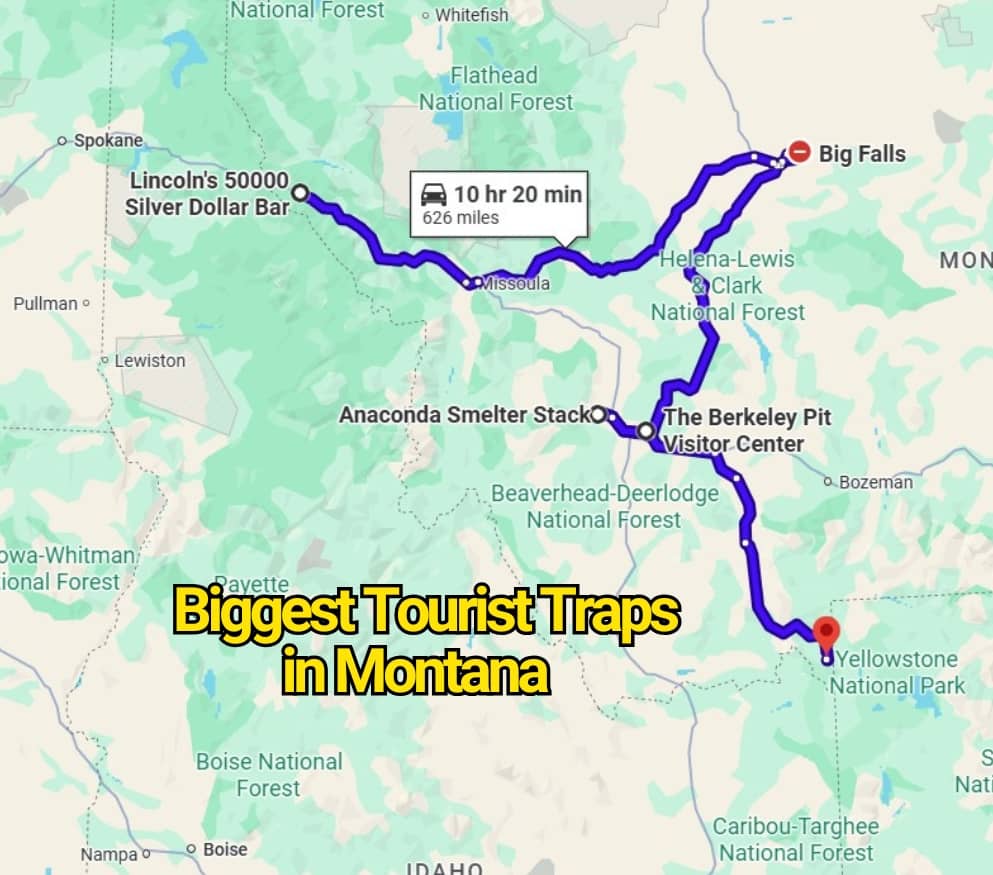
Montana has plenty of places worth the long drive, muddy boots, and early alarm. These five, though, can leave travelers wondering if the photos did a little too much heavy lifting.
The state has always carried a wild, wide-open reputation. Glacier peaks, ranch country, blue rivers, and lonely highways make Montana feel larger than the map suggests. Still, its fame has grown faster in recent years, helped by TV dramas, road-trip reels, and glossy travel posts that turn almost every overlook into a must-see stop.
That attention can be useful, but it can also blur expectations. Some places look cinematic online, then feel crowded, overpriced, underwhelming, or oddly flat once you arrive. A pretty photo does not always tell you about parking stress, tourist traffic, thin amenities, or the strange letdown that happens when a hyped-up stop feels more like a backdrop than a real experience.
Montana is still incredible. But these five spots may not deserve the top slot on your itinerary.
1. The 50,000 Silver Dollar Bar: A Roadside Gimmick That Runs Out of Shine
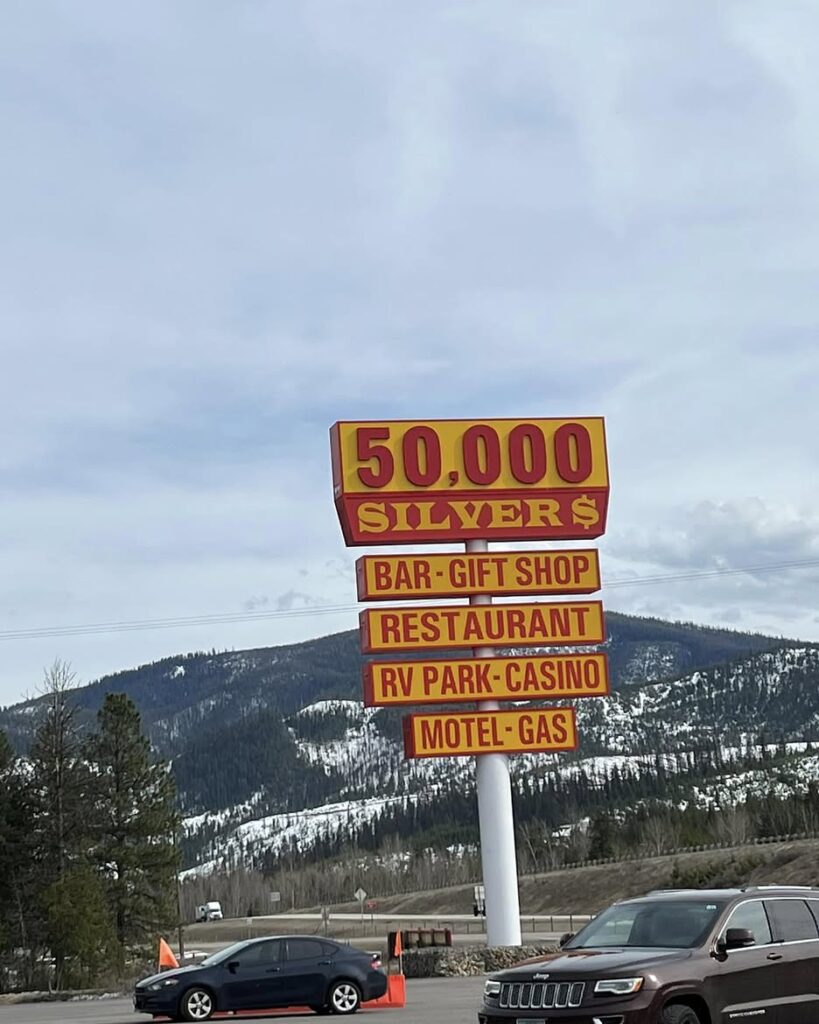
The 50,000 Silver Dollar Bar in Haugan sounds like the kind of Montana stop that should be weird, fun, and worth pulling off the freeway for. Its main claim is hard to miss: more than 50,000 silver dollars are set into the bar top and walls, turning the place into a shiny roadside attraction with a big personality.
The problem is that the novelty does most of the work. Once the silver dollars have been seen, the rest of the stop can feel scattered. Part bar, part restaurant, part gift shop, part tourist pit stop, it does not always land as one clear experience. Instead, it can feel like several ideas packed into one building beside the interstate.
The food is often described as average, the drinks can be hit or miss, and the souvenirs do not always feel tied to Montana in a meaningful way. Many items look like the kind of gifts travelers could find at countless roadside shops across the West.
That does not mean it is a terrible stop. For a quick stretch, a photo, or a curious look around, it has some charm. But as a must-see Montana attraction, the 50,000 Silver Dollar Bar may shine brighter on highway signs than it does in person.
2. The Berkeley Pit: A Toxic View That Feels Hard to Celebrate
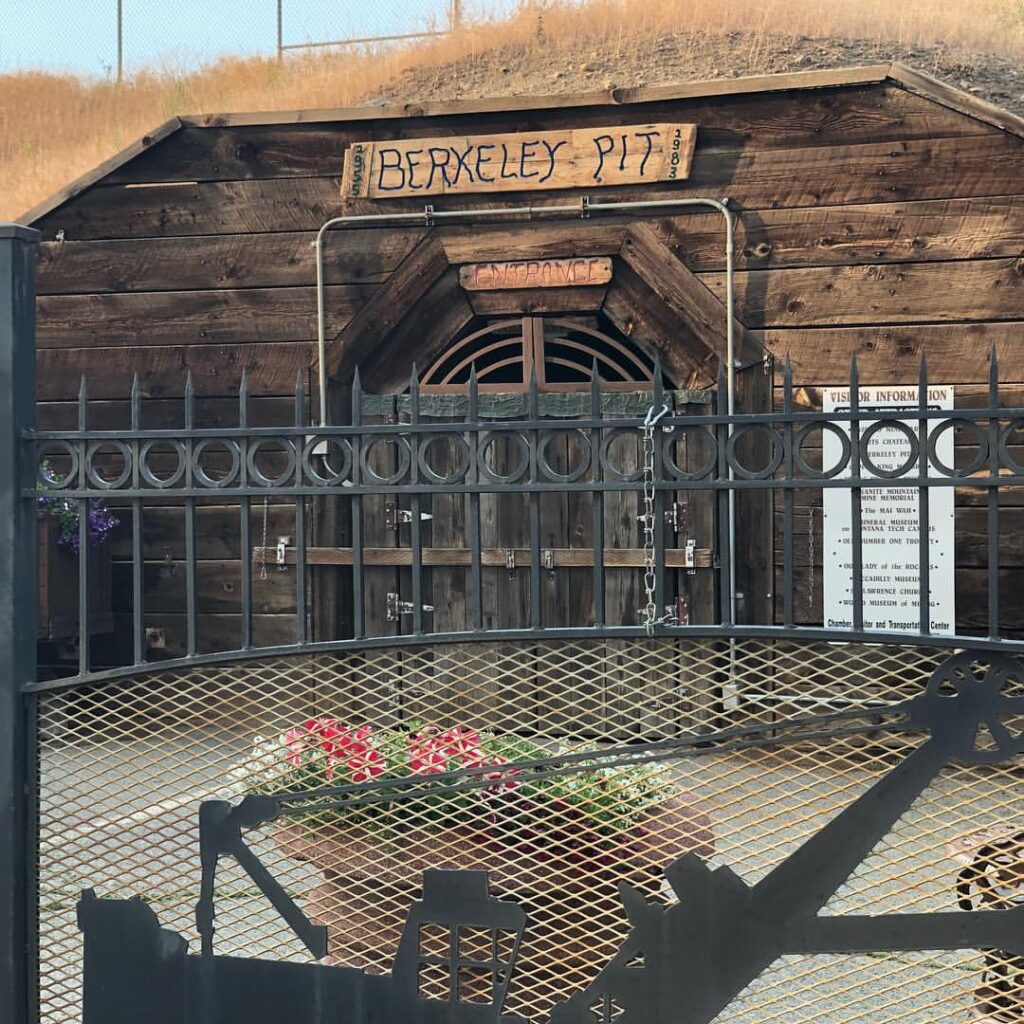
The Berkeley Pit in Butte is one of Montana’s strangest tourist stops. Once part of a massive open-pit copper mine, it has since filled with highly acidic, contaminated water, creating a toxic lake with a dark industrial past.
There is no denying that the place has history. But the experience can feel uncomfortable rather than fascinating. Paying to look at polluted water turns the visit into something that sits somewhere between education, disaster tourism, and roadside curiosity.
For some travelers, the viewing platform may offer a quick lesson in mining, environmental damage, and Butte’s complicated past. For others, it may feel bleak, especially when compared with Montana’s mountains, rivers, and wide-open landscapes.
The Berkeley Pit is worth knowing about, but that does not mean it belongs high on every Montana travel list. As an attraction, it feels more grim than memorable.
3. West Yellowstone: The Gateway Town That Feels Too Built Around Tourists
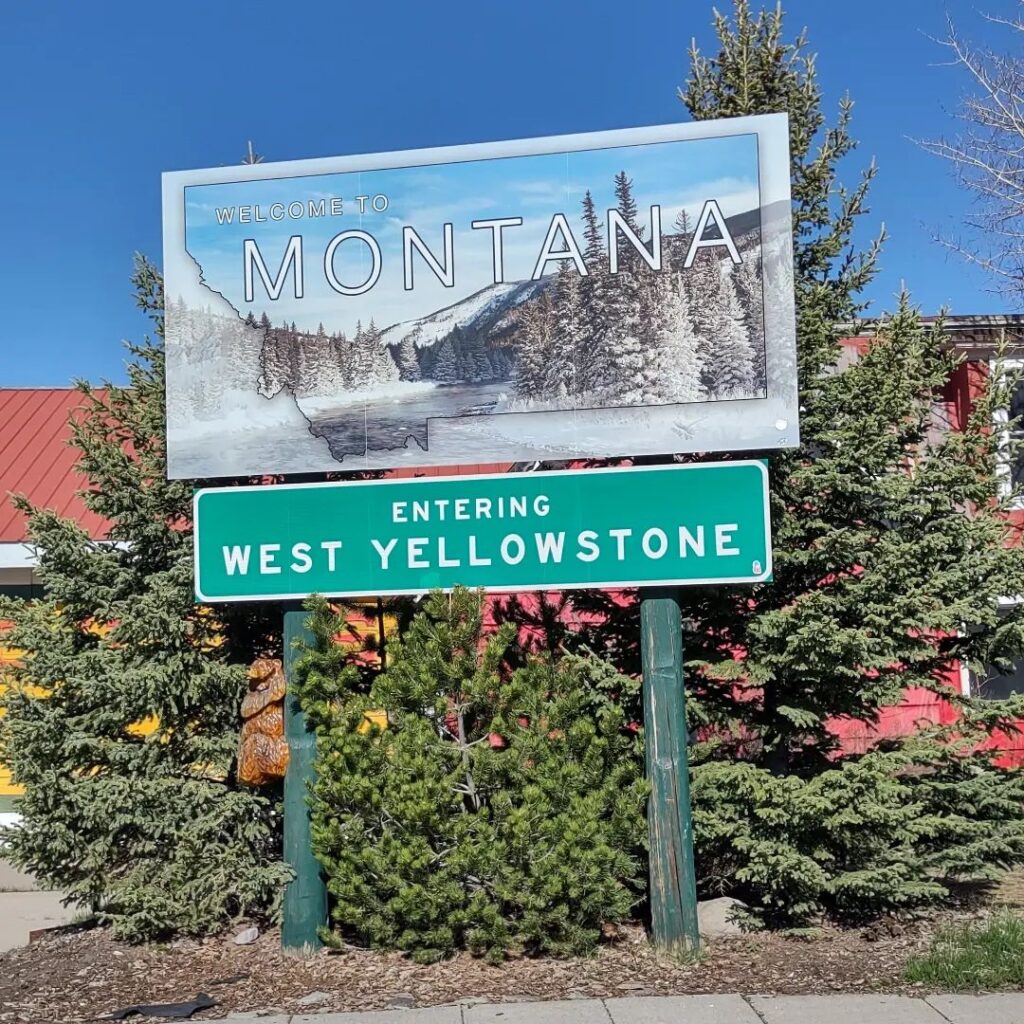
West Yellowstone has a useful location, and that is the main reason so many travelers end up there. Sitting near the park’s west entrance, it works well for visitors who want quick access to geysers, wildlife drives, and long days inside Yellowstone National Park.
The park itself can still justify the attention. Even with crowds, Yellowstone has enough space, strange geothermal features, wide valleys, and animal sightings to make the trip feel worthwhile. The town outside the gate, however, can feel far less rewarding.
West Yellowstone often comes across like a place shaped almost entirely by park traffic. Gift shops, souvenir racks, busy restaurants, and inflated prices dominate the main drag. Instead of feeling like a Montana town with its own personality, it can feel like a waiting room for the national park.
For convenience, West Yellowstone does its job. For charm, value, or a deeper local feel, it may disappoint. Many visitors would be better off treating it as a basecamp, not the highlight.
4. The Anaconda Smelter Stack: A Famous Landmark With Very Little to Do
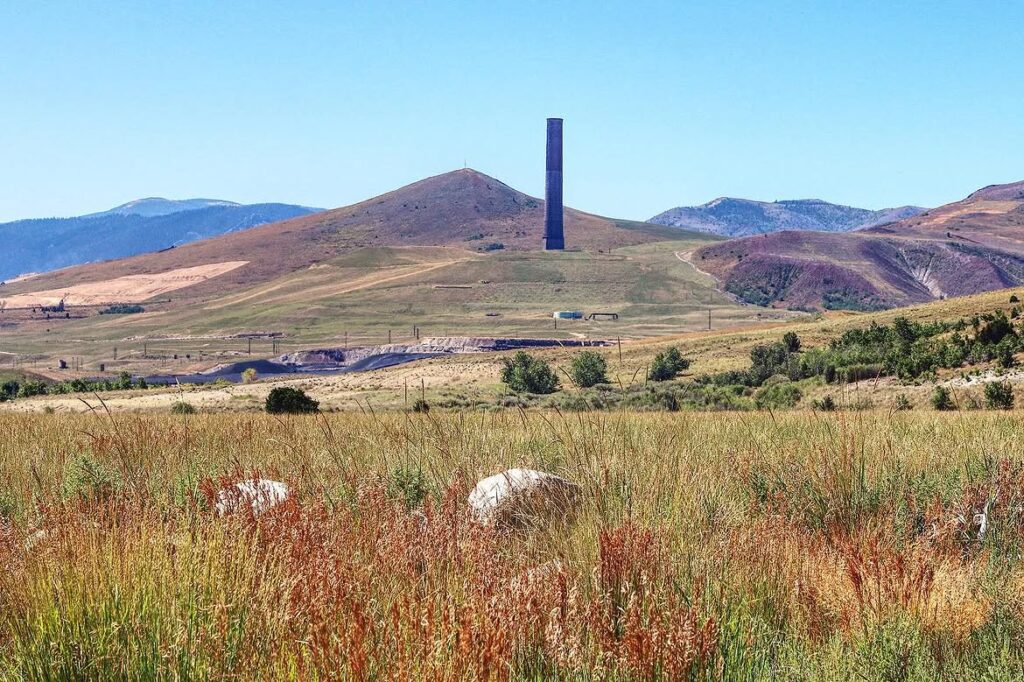
The Anaconda Smelter Stack has an impressive claim attached to its name. Rising above Anaconda, it is considered one of the tallest free-standing brick structures on Earth, which gives it a strange kind of industrial fame.
Still, that fact may sound more exciting than the actual visit feels. The stack is tied to Montana’s mining past, but also to pollution and cleanup concerns, which makes the site feel less like a proud landmark and more like a warning sign from another era.
Another drawback is access. Visitors cannot get very close to the stack, so the experience is mostly limited to viewing it from a distance. For a structure built around scale, that separation takes away much of the impact.
Anaconda Smoke Stack State Park also does not offer much to stretch the stop into a full outing. Amenities are limited, activities are thin, and most travelers will be done looking around quickly. It may be worth a passing glance, but it rarely feels like a Montana must-see.
5. The Great Falls: A Famous Name With a Smaller Payoff
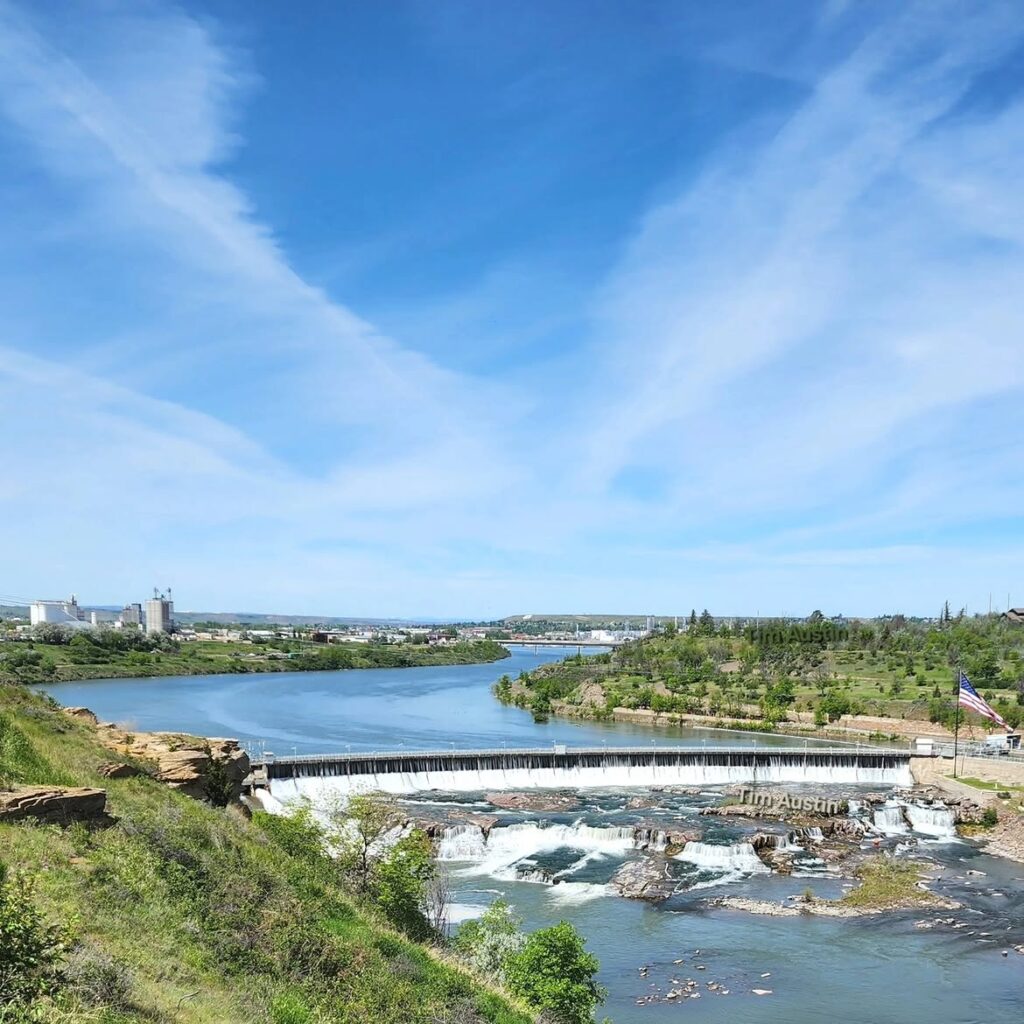
The Great Falls in Great Falls carries a name that sets expectations sky-high. Travelers hear it and may picture a roaring wall of water, something huge, wild, and dramatic enough to build an entire trip around.
The reality feels quieter. This area is tied to the Lewis and Clark Expedition and includes five waterfalls, so it does have historical weight. But the falls themselves are more like a chain of smaller drops, broken up by rapids and altered views.
The biggest issue is the dam. Without it, the water might feel more natural and graceful. With it, the scene loses some of the raw power people often hope to see when they visit a landmark with such a bold name.
That does not make the Great Falls worthless. History lovers may still enjoy the stop, and the river setting has its moments. But as a waterfall destination, it can feel more interesting on paper than it does in person.
You may also like :