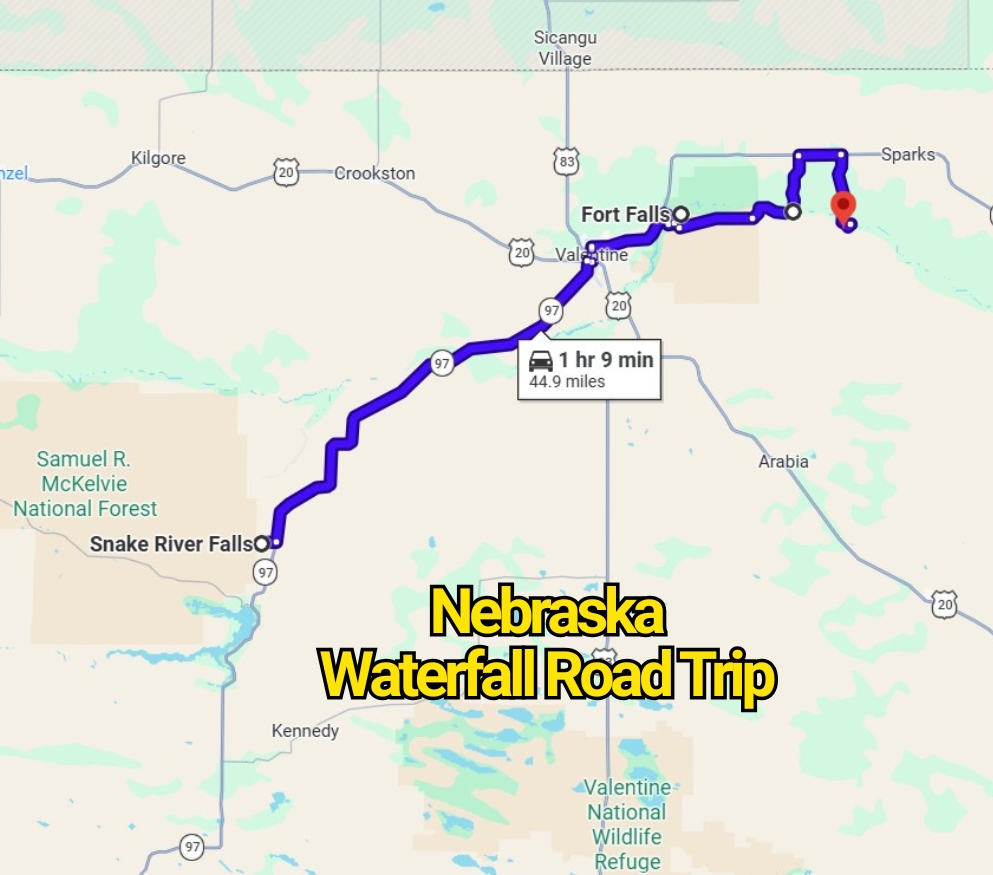
Nebraska may be famous for wide prairies and open farmland, but its landscape holds a few surprises. Along the Niobrara River, flowing water spills over rocky ledges and steep canyon walls, forming graceful falls in places many travelers would never expect.
Most rivers across the state move through fairly level ground, so large drops are uncommon. The scenery changes in northern and western Nebraska, where springs, cliffs, and narrow ravines create ideal conditions for waterfalls and smaller cascades.
Some falls tumble directly into the Niobrara, while others sit inside wooded parks, wildlife refuges, and quiet hiking areas. These beautiful Nebraska waterfalls prove that the Cornhusker State has far more natural variety than its flat reputation suggests.
1. Smith Falls: Nebraska’s Tallest Waterfall
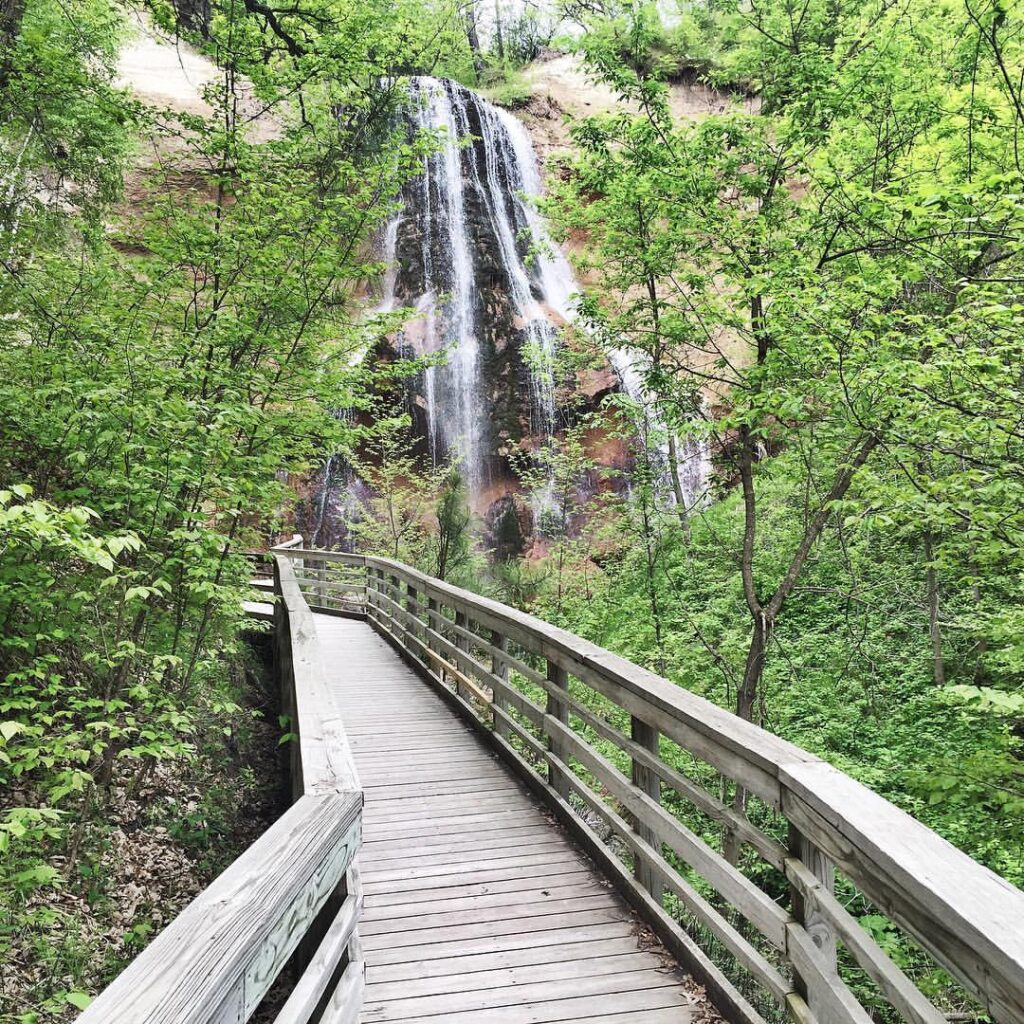
Smith Falls drops nearly 70 feet, making it the tallest waterfall in Nebraska. Its slender stream pours over a rocky cliff before reaching the shaded canyon floor below.
The waterfall sits inside Smith Falls State Park near the small community of Sparks. Visitors can follow an easy walking path and cross a footbridge over the Niobrara River to reach the viewing area.
Cool spray, leafy surroundings, and the steady rush of water make this a refreshing stop during a summer road trip. Check the Nebraska Game and Parks website for current park hours, fees, and visitor details before setting out.
2. Fort Falls: A Scenic Cascade Near Valentine
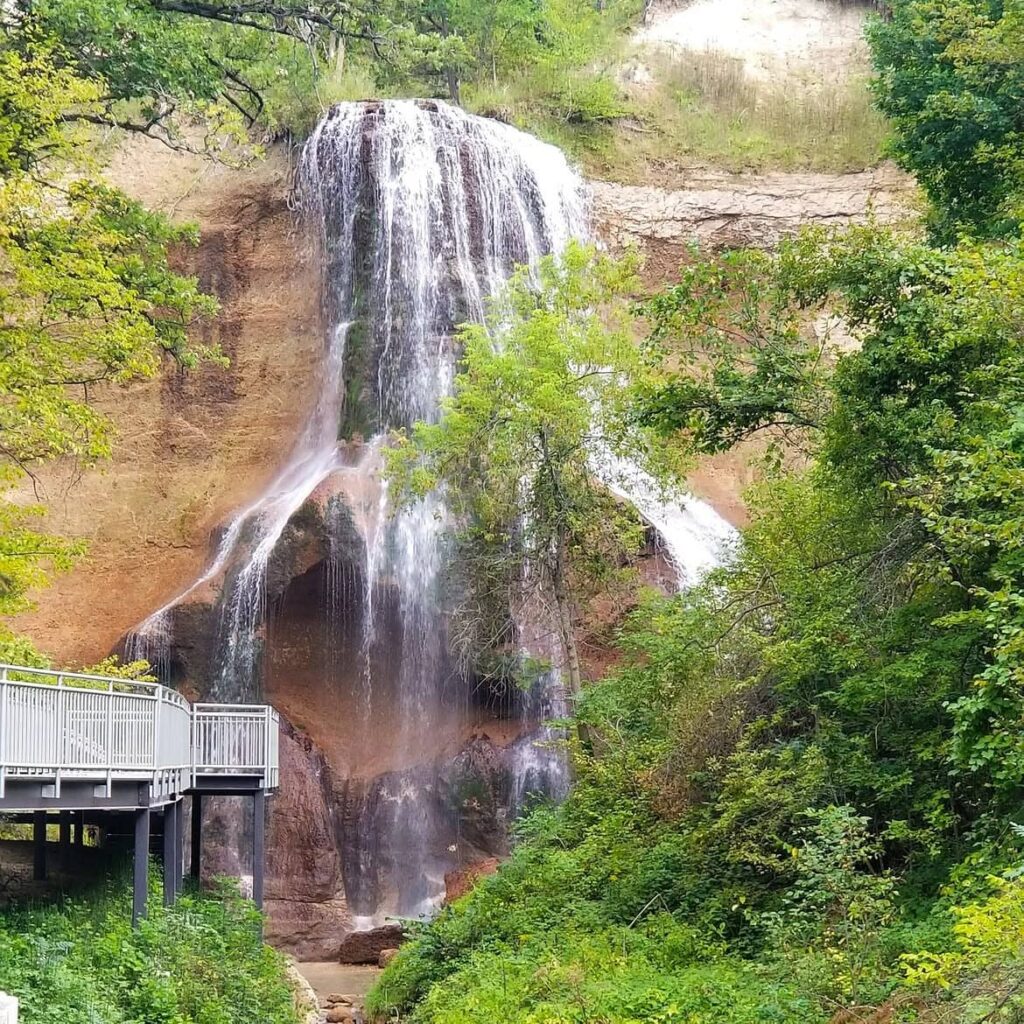
Fort Falls flows through the striking landscape of Fort Niobrara National Wildlife Refuge near Valentine. Water tumbles over a rocky ledge into a shaded ravine framed by trees and native vegetation.
Reaching the falls requires a short hike with stairs and sloping sections. The route rewards visitors with peaceful woodland scenery and close views of the flowing cascade.
This stop pairs well with a drive through the wildlife refuge, where bison, elk, and prairie dogs may also be spotted. Check the National Park Service website for trail conditions and visitor information before your trip.
3. Snake River Falls: Nebraska’s Most Powerful Waterfall
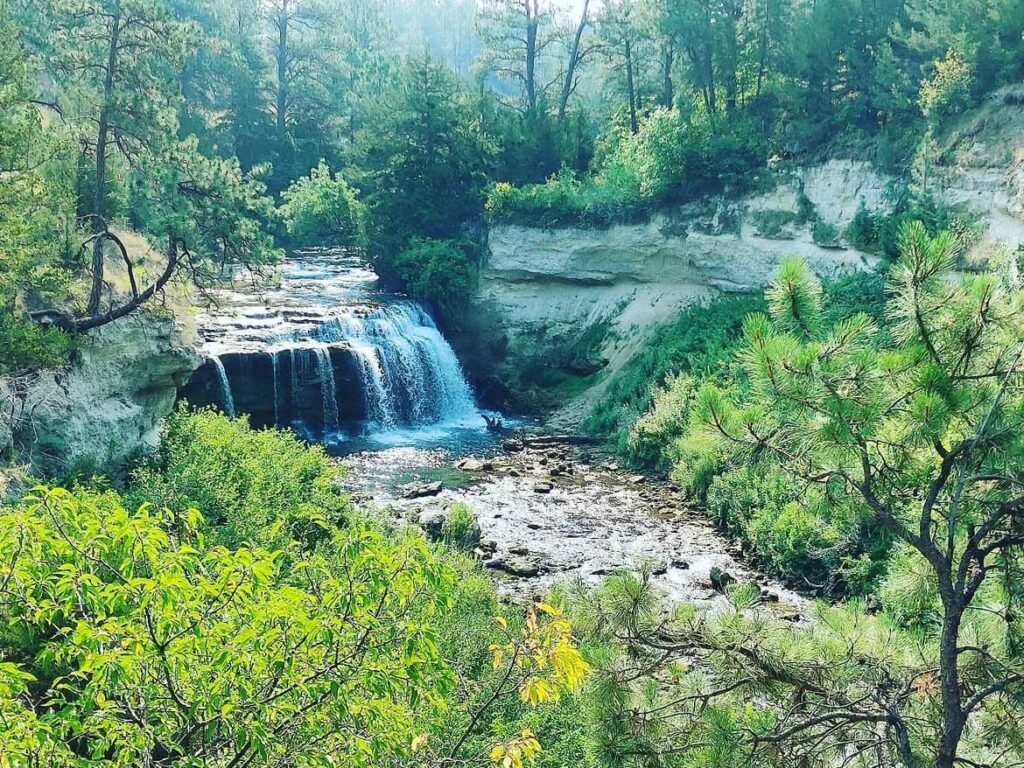
Snake River Falls sits about 20 miles south of Valentine, where the river surges over a broad rocky ledge. Rather than forming a narrow drop, the water spreads across the channel in a forceful curtain.
Considered Nebraska’s largest waterfall by volume, it becomes especially impressive when river levels are high. The rushing current, rugged banks, and surrounding grasslands give the area a wild character.
Fishing and outdoor recreation have long drawn visitors to this part of the state. Since access may depend on current property rules and seasonal conditions, check the Visit Nebraska website for updated details before making the drive.
4. Stair Step Falls: A Tiered Cascade Along the Niobrara
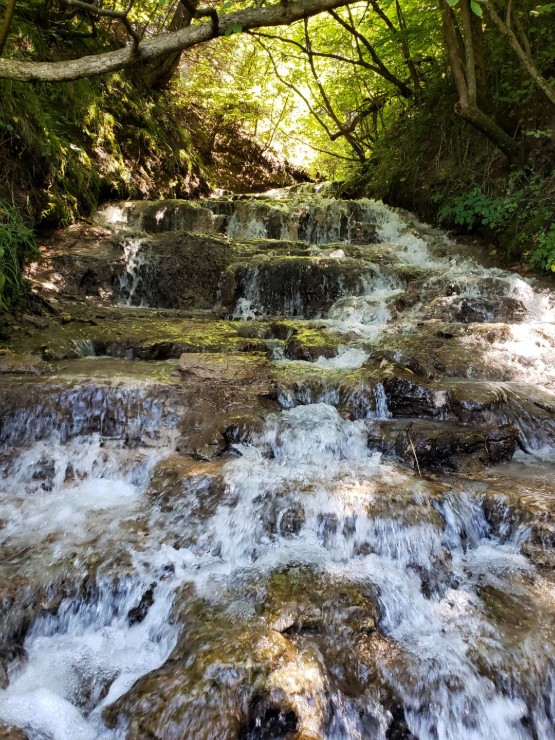
Stair Step Falls tumbles down a series of rocky shelves, creating several small drops rather than one dramatic plunge. Its layered shape makes it one of Nebraska’s most memorable cascades.
The falls sit on private property within the Niobrara Valley Preserve. Travelers may catch a brief view shortly after passing Sharp’s Landing while floating, tubing, or kayaking along the Niobrara River.
Because there is no public land access to the site, visitors should remain on the river and respect all property boundaries. The fleeting riverside glimpse adds an unexpected highlight to a day on the water.
5. Berry Falls: A Quiet Niobrara River Cascade
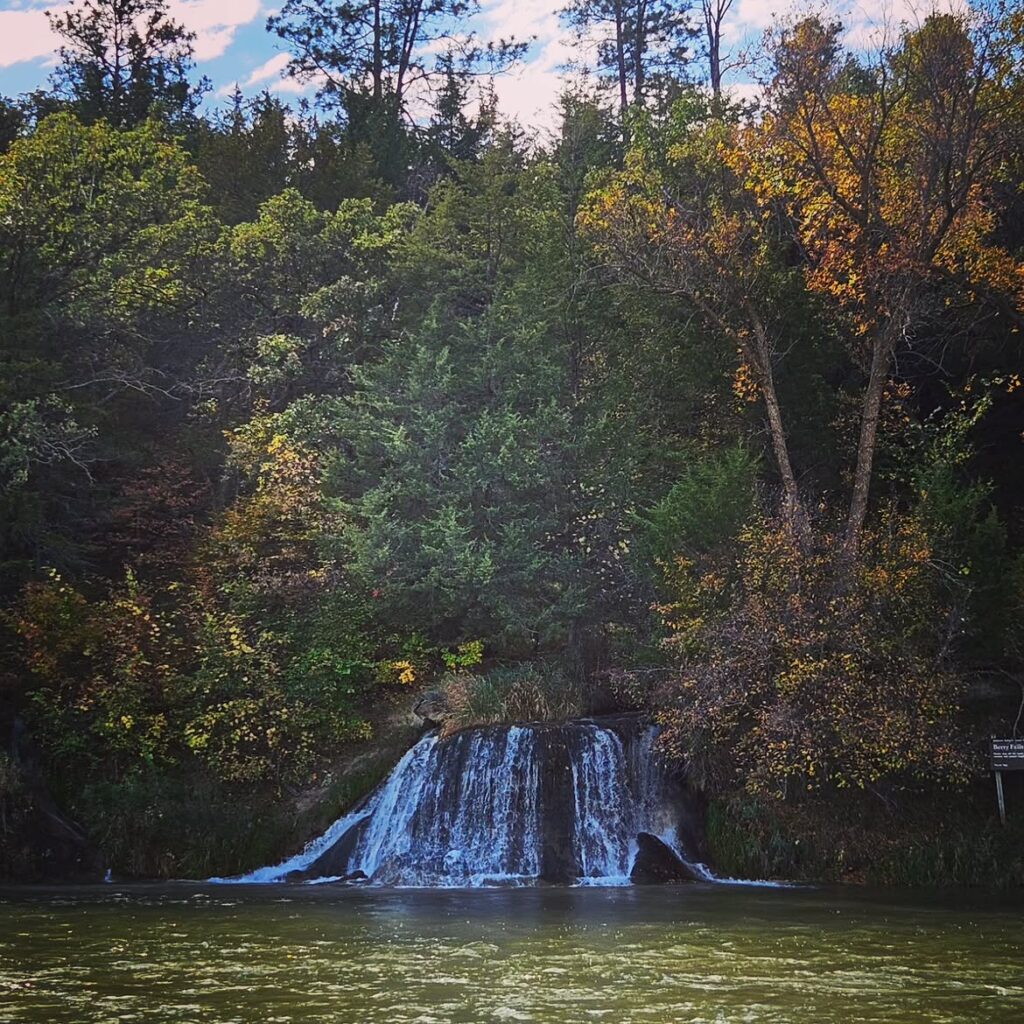
Berry Falls is a smaller waterfall along the Niobrara River east of Valentine. Its modest drop gives the site a softer appearance than some of Nebraska’s taller, more forceful falls.
The cascade slips over a rocky edge and blends naturally into the river corridor. Travelers floating this section of the Niobrara may spot it from the water while passing wooded banks and rugged bluffs.
Because access details can change, review current information on the National Park Service website before visiting the area.
You may also like :