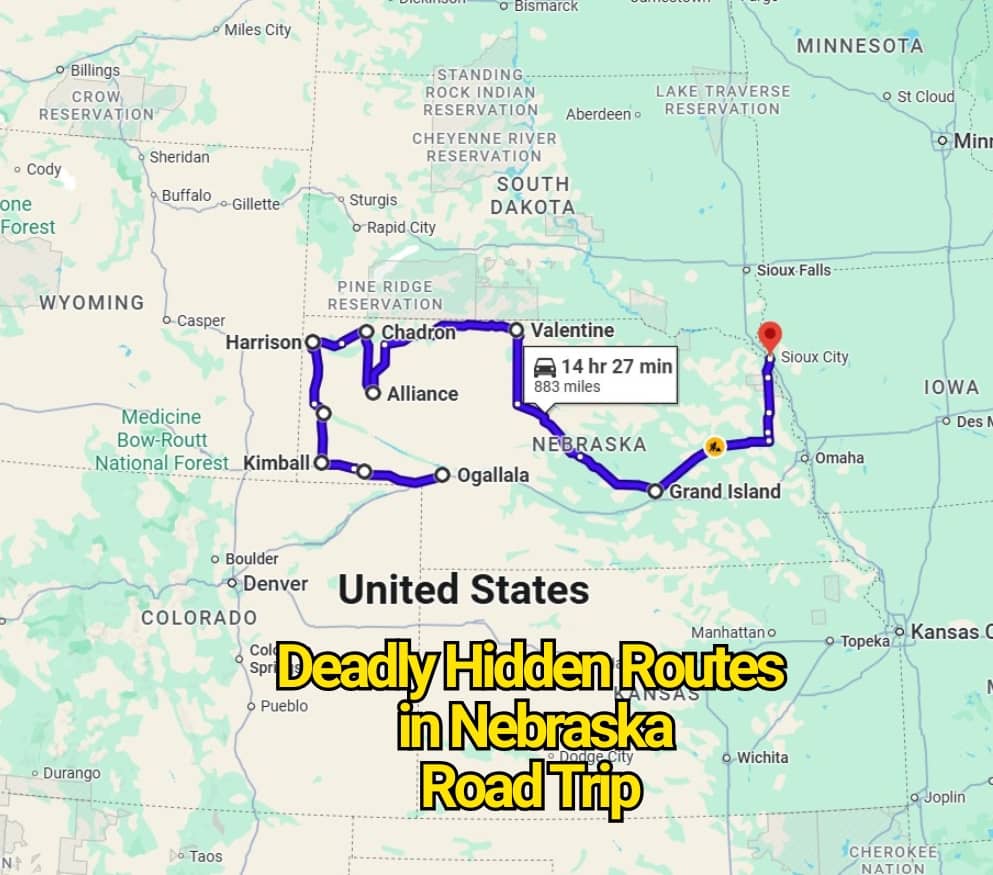
Nebraska does not scare drivers with cliff edges or tight mountain switchbacks. That is what makes its risky road trips easier to underestimate. The state’s danger often hides in plain sight: flat horizons, long rural miles, sudden wind, deer at dusk, winter ice, and a false sense that nothing can go wrong on a straight road.
That is the trap. Nebraska roads can feel calm until the weather changes, the light drops, or a driver gets too comfortable with speed. NDOT’s Highway Safety Office reported 252 roadway fatalities in Nebraska in 2024, an 11 percent increase from the year before, which is a serious reminder that the state’s open roads deserve respect.
This is not a scare piece about avoiding Nebraska. It is the opposite. These are real routes worth knowing before you drive them, especially if your road trip takes you far from the main cities.
Nebraska Highway 2: Grand Island to Alliance
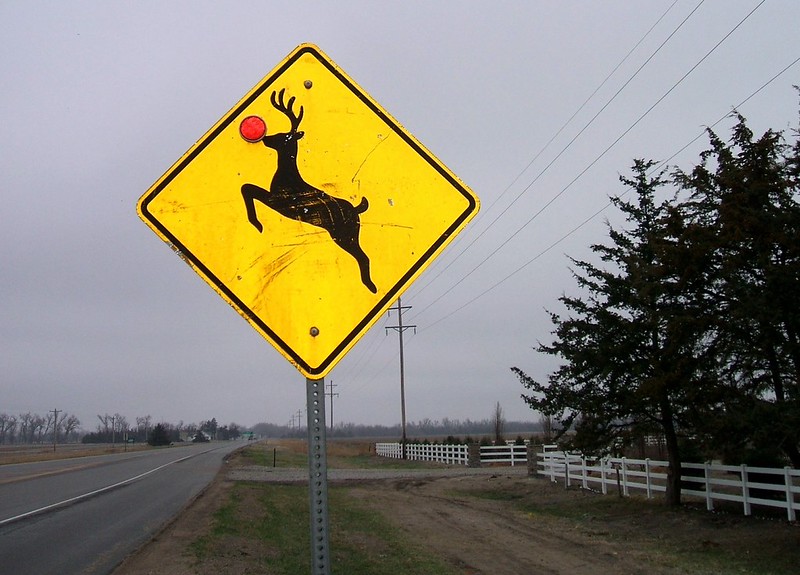
Nebraska Highway 2 may be one of the most beautiful drives in the state, but that does not make it easy. The Sandhills Journey Scenic Byway runs 272 miles from Grand Island to Alliance, crossing wide grassland, small towns, and long stretches where the road seems to roll forever.
Locals know the risk is not drama. It is distance. A driver can go for miles with few visual changes, and that can lead to fatigue or speeding without much warning. Add night driving, wildlife movement, high wind, or winter snow, and this peaceful route starts to feel less forgiving.
The strange part is that Highway 2 feels almost too open to be dangerous. That is exactly why it belongs on this list.
Nebraska Highway 12: South Sioux City to Valentine
Nebraska Highway 12 follows the northern edge of the state as part of the Outlaw Trail Scenic Byway. It is a real road-trip route with river country, small communities, and rural scenery that feels far away from the busier Nebraska corridors.
The risk here comes from isolation and rhythm. Curves, wildlife, farm access roads, and limited services can make this drive harder than it looks. It is the kind of route where locals tend to plan fuel stops instead of assuming the next town will have everything.
For visitors, the mistake is treating Highway 12 like a casual backroad cruise. It is better driven with daylight, patience, and a full tank.
U.S. Highway 20: Valentine to the Wyoming Border
U.S. Highway 20 cuts across northern Nebraska through the Bridges to Buttes Byway, one of the state’s official scenic drives. Nebraska promotes its byways as routes that head far beyond the usual interstate path, and this one does exactly that.
The route can feel lonely in the best and worst ways. Open land gives the trip its charm, but it also means long gaps between help, fewer quick services, and more exposure to weather. Wind can push across the road with little cover, and winter conditions can change the mood of the drive fast.
This is the kind of Nebraska road where confidence should stay lower than your speedometer.
U.S. Highway 385 Through the Panhandle
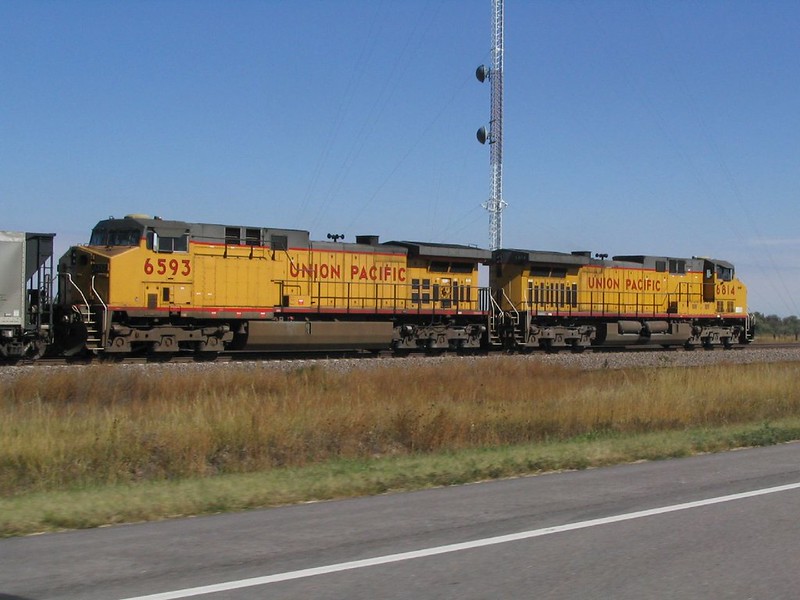
U.S. Highway 385 is tied to the Gold Rush Byway, a western Nebraska route running through the Panhandle. This part of the state has a different feel from eastern Nebraska, with more space, stronger weather shifts, and long drives between major stops.
The road itself is not the villain. The setting is what makes it serious. High wind, snow, blowing dust, and rural distance can all make the drive more demanding than expected. Around Chadron, Alliance, and the surrounding Panhandle country, locals know the sky can change the road before a visitor has time to react.
It is a route that rewards careful drivers, not rushed ones.
U.S. 26 and Nebraska Highway 92: Ogallala to Scottsbluff Country
The Western Trails Scenic and Historic Byway runs through western Nebraska along a corridor tied to pioneer history, Chimney Rock, Scotts Bluff, and the North Platte River Valley. NDOT lists this as one of Nebraska’s official scenic byways.
This is one of those drives that feels made for a slow road trip. That does not mean it is harmless. Open Panhandle roads can become rough during high winds, winter weather, or low-visibility conditions. Rural intersections and long sightlines can also tempt drivers into taking chances they would avoid in heavier traffic.
The best way to drive this area is to stop treating “quiet” as the same thing as “safe.”
U.S. Highway 30 Across Nebraska
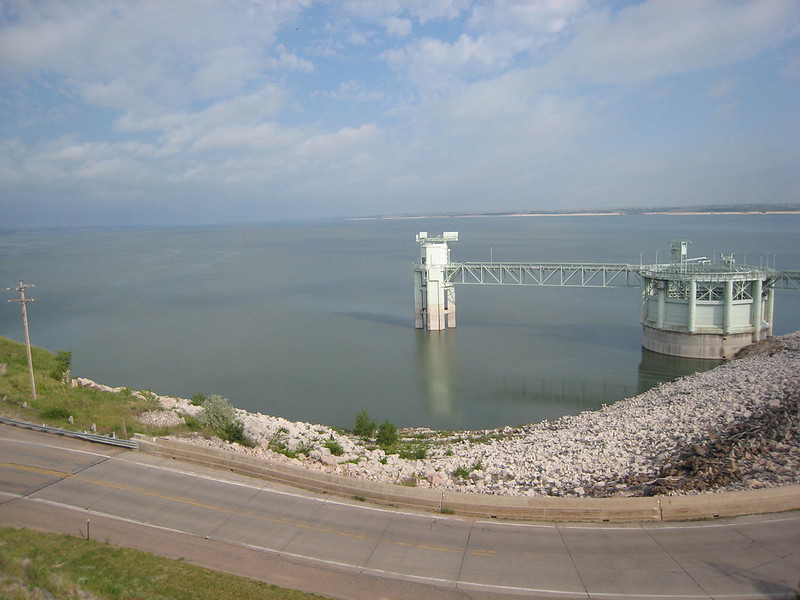
U.S. Highway 30 follows the Lincoln Highway Scenic and Historic Byway across much of Nebraska. It connects a chain of towns and gives travelers an older, slower look at the state compared with Interstate 80.
That slower pace can be misleading. Highway 30 includes small-town traffic, rural intersections, farm vehicles, rail crossings, turning vehicles, and drivers moving at different speeds. It is not as empty as some Sandhills routes, but that creates another kind of risk.
Locals often respect Highway 30 because it asks for constant attention. One minute you are in open country. The next, you are near a business entrance, a town edge, or a farm vehicle that changes the flow of traffic.
U.S. Highway 136: Brownville to Edison
U.S. Highway 136 carries Heritage Highway across southern Nebraska, a route connected with river towns, prairie landscapes, and older communities. Scenic America notes Heritage Highway as a 238-mile Nebraska byway route.
The danger is subtle. Southern Nebraska roads can be calm for long stretches, but rural intersections, wildlife, and dark night driving can catch people off guard. The road does not need sharp cliffs to be risky. It only needs a tired driver, poor visibility, or one bad decision at speed.
This route is best handled as a true rural drive, not a shortcut.
Nebraska Highways 11 and 91 Through the Loup Rivers Region
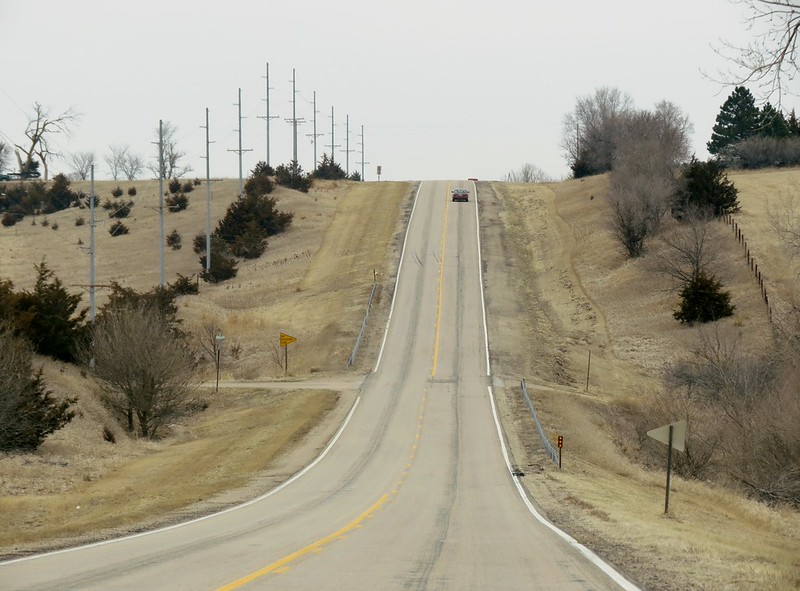
The Loup Rivers Scenic Byway follows a quieter central Nebraska path, with highways 11 and 91 forming part of the route through small towns and river country. Nebraska’s scenic byway program includes this route among the state’s recognized drives.
This road is not famous in the same way as Highway 2 or the Panhandle routes, and that is part of its hidden danger. Fewer visitors talk about it, so travelers may not expect the same rural driving challenges. Wildlife, curves, low-light stretches, and limited late-night services can all matter here.
A Nebraska road does not have to be famous to punish careless driving.
U.S. Highway 75 North of Omaha
U.S. Highway 75 north of Omaha is part of the Lewis & Clark Scenic Byway, a real route tied to the Missouri River side of the state. It can feel familiar at first because it begins near a major metro area, but the road changes once drivers move farther north.
That shift matters. Traffic can still move quickly, but the surroundings become more rural. River-valley weather, wildlife, side roads, and fast-moving vehicles can turn a routine drive into a tense one, especially after dark.
This route is easy to underestimate because it starts close to Omaha. Locals know the drive does not stay urban for long.
Interstate 80 Across Nebraska
Interstate 80 is not hidden, but its danger is often hidden by habit. Many travelers see it as the simple way across Nebraska, a straight shot through Omaha, Lincoln, York, Kearney, North Platte, and beyond.
That thinking can be risky. Nebraska 511 tracks winter road conditions, traffic incidents, roadwork, traffic cameras, and travel reports across the state, including major routes like I-80. During bad weather, this interstate can become a high-speed corridor with wind, blowing snow, ice, and sudden backups.
I-80 is proof that the most familiar road is not always the safest one.
Why Nebraska Roads Feel Safer Than They Really Are
The most dangerous thing about these Nebraska routes is not always the pavement. It is the mood they create. Long straight roads can make drivers relax too much. Empty views can make speed feel lower than it really is. Rural silence can make a route feel harmless until something changes.
That is why locals warn people about these drives. They are not saying Nebraska is a bad place for a road trip. They are saying the state asks for a different kind of attention.
Before driving these routes, check Nebraska 511, watch the weather, keep fuel in the tank, and avoid pushing through fatigue. NDOT’s travel resources include real-time road conditions, road reports, cameras, snow plow information, and detour updates for drivers.
Nebraska rewards slow, aware road-trippers. It punishes the ones who think flat roads cannot fight back.