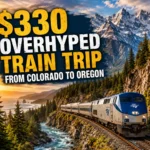
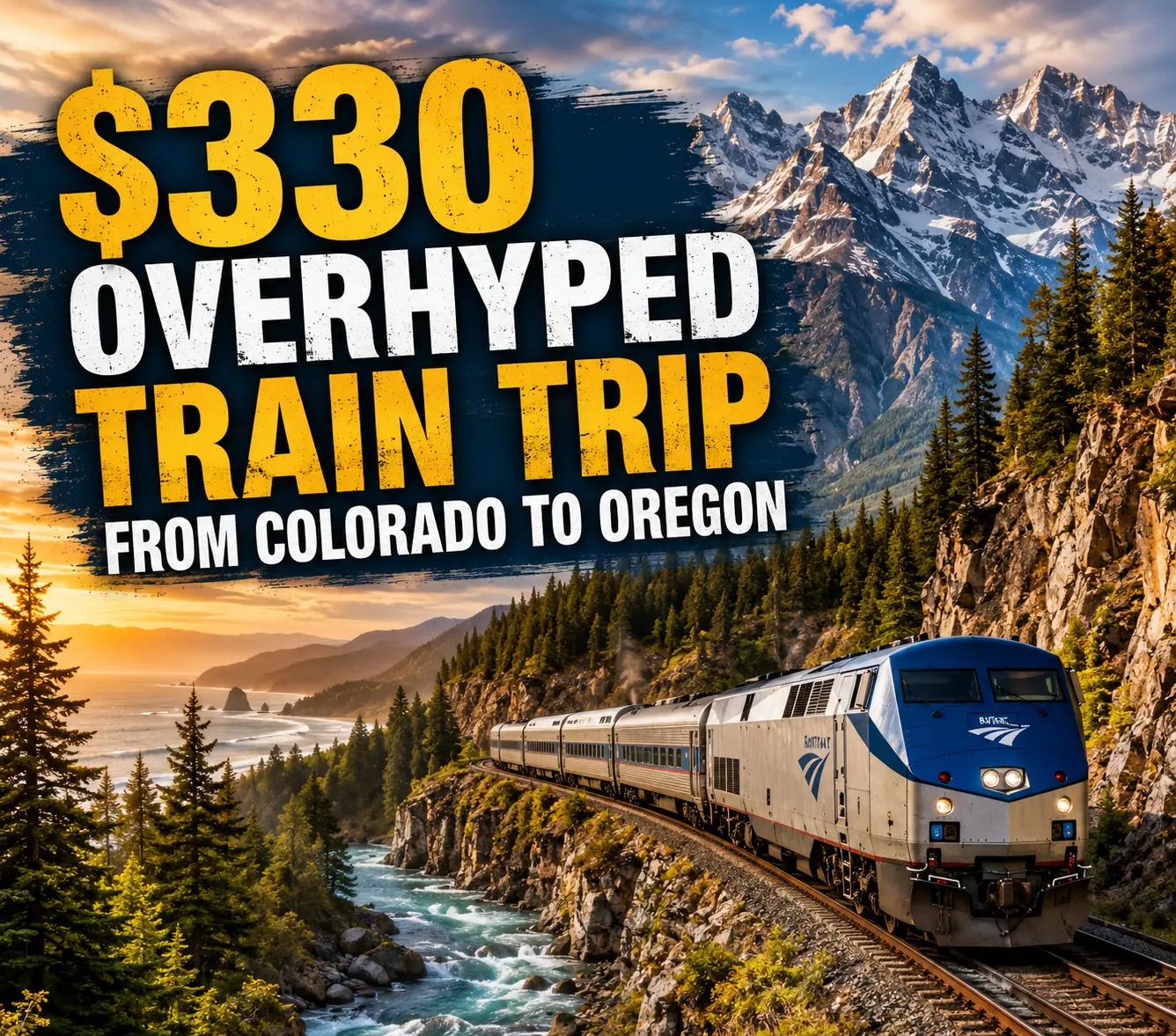
A train journey from Colorado to Oregon sounds like the perfect Western adventure. You board beneath Denver’s skyline, climb into the Rocky Mountains, cross Nevada’s open desert, and roll north beneath Oregon’s forests. All of this happens while someone else handles the driving.
Social media would probably describe it as a relaxing escape through America’s most impressive landscapes. That description is partly true. The part usually left out is that the journey can take well over two days, requires a long transfer in Sacramento, and may involve two uncomfortable nights in a coach seat.
The advertised $330 price also needs context. It may be possible when lower coach fares are available, but Amtrak prices change with travel dates, demand, and seat availability. The trip can be a bargain, yet it is far less effortless than the dreamy window photographs suggest.
What the Colorado to Oregon train trip actually involves
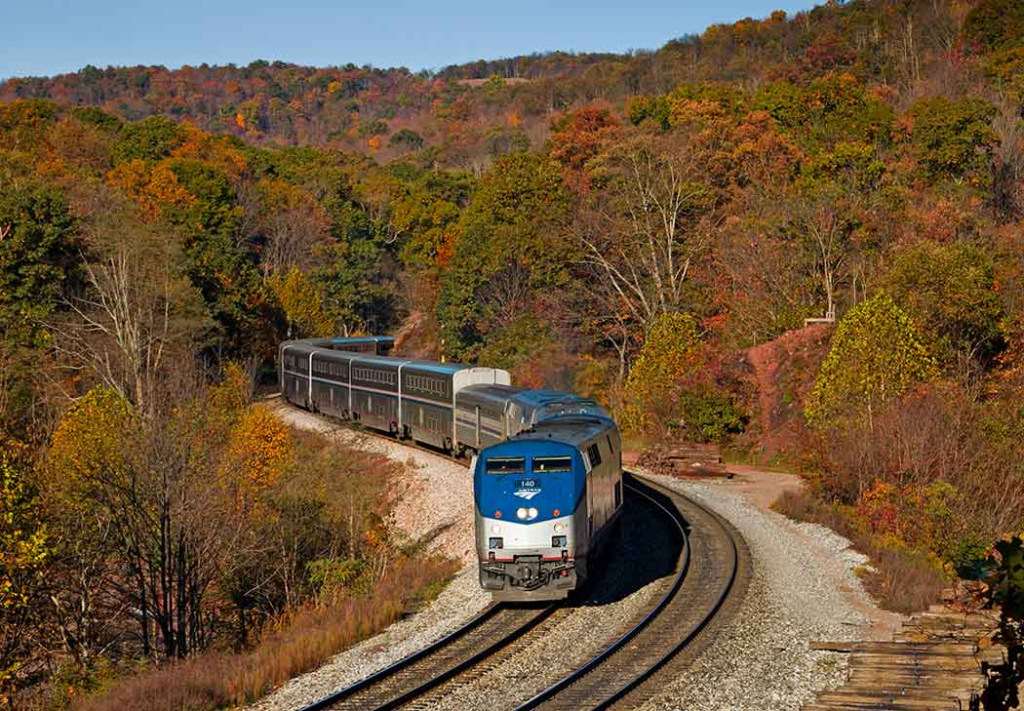
There is no single direct Amtrak train running from Denver to Portland. The practical rail route begins at Denver Union Station aboard the California Zephyr. Passengers ride west through Colorado, Utah, Nevada, and Northern California before leaving the train in Sacramento.
The second part uses the Coast Starlight from Sacramento to Portland. This train travels north through the Sacramento Valley, passes near Mount Shasta, crosses the southern Cascades, and continues through several Oregon communities before reaching Portland Union Station.
Under a current timetable, the California Zephyr leaves Denver in the morning and reaches Sacramento the following afternoon. The northbound Coast Starlight departs Sacramento late that night and arrives in Portland the next afternoon. Including the connection, the complete journey can take roughly 56 hours.
That is the first reality hidden behind the headline. This is not a quick overnight ride. It is a rolling endurance test mixed with several hours of remarkable scenery.
Why the $330 price sounds better than it really is
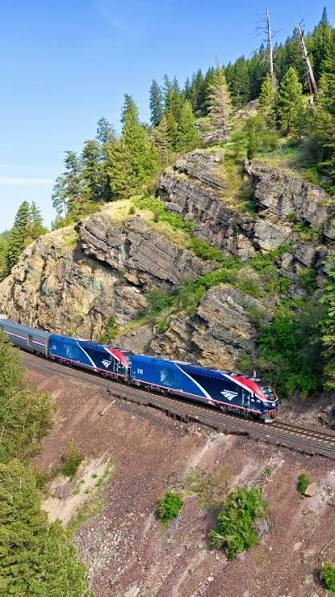
A $330 coach ticket sounds astonishing when compared with the distance covered. You are crossing much of the western United States, riding two famous trains, and passing through five states before reaching Oregon.
However, the fare normally covers transportation and a coach seat. It does not automatically provide a bed, private room, hotel-style shower, or included meals for coach passengers. Food purchased aboard the trains can raise the total, while a Sacramento layover may add another meal or transportation expense.
The price is also unstable. Amtrak fares vary by departure date, available inventory, holidays, and demand. A traveler may find both segments near the advertised amount on one date and see a much higher total a few days later.
The smarter way to interpret the headline is to treat $330 as an advance-booking target. It is possible enough to attract attention, but it should never be treated as a permanent fare available on every departure.
Denver begins the trip with the best scenery
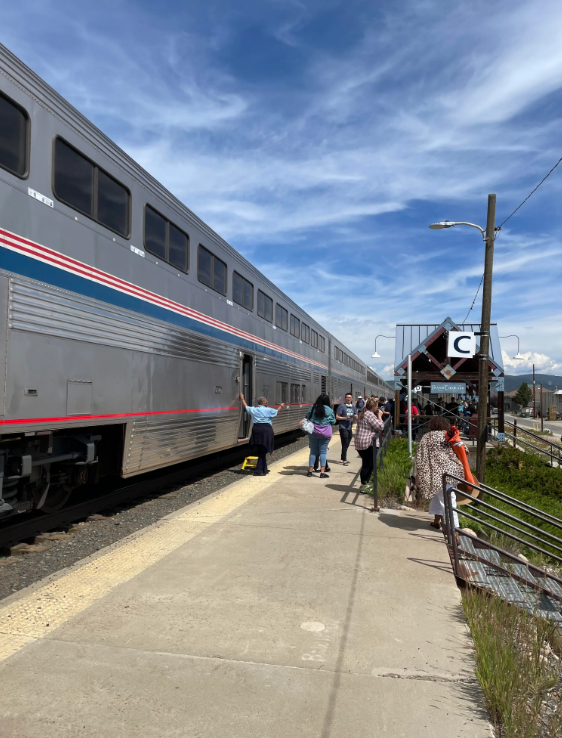
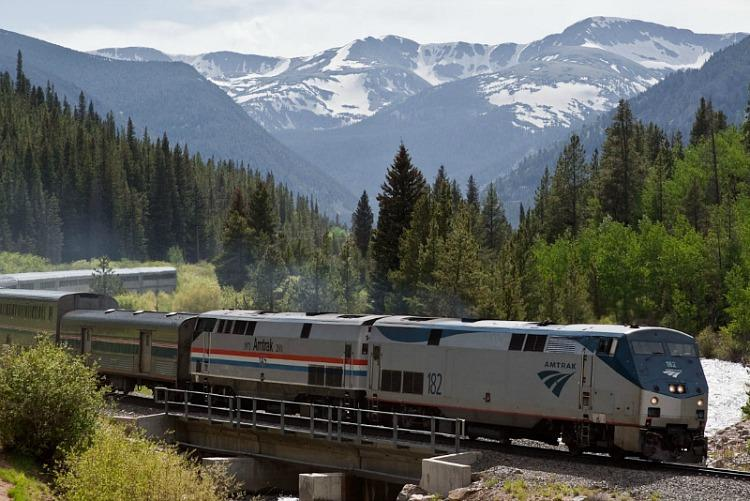
The California Zephyr leaves Denver and begins climbing into the Rocky Mountains almost immediately. This is the section that earns the journey most of its praise.
The train follows mountain valleys, passes through tunnels, and travels beside sections of the Colorado River. Roads occasionally appear beside the tracks, but much of the experience feels separated from the usual interstate journey. Instead of watching traffic, passengers see steep slopes, narrow canyons, rocky cliffs, and distant peaks.
The Sightseer Lounge becomes one of the most popular places on the train during this section. Its large windows provide a broader view than a standard coach seat, although seats may fill quickly when the scenery becomes dramatic.
Granby, Glenwood Springs, and Grand Junction appear along the route before the train enters Utah. The landscape gradually changes from high mountain terrain to drier cliffs, broad valleys, and desert formations.
This is the part people remember. It is also the reason many passengers forgive the delays, limited sleep, and long hours that come later.
Utah and Nevada reveal the slower side of the journey
After western Colorado, the California Zephyr continues across Utah and Nevada. The scenery remains impressive, but the journey begins to feel much longer.
Salt Lake City is generally reached late at night on the westbound schedule. Large stretches of Nevada may also pass during darkness or early morning, depending on seasonal daylight and train delays. That means some of the landscape shown in promotional photographs may be difficult to see from your particular departure.
This is one reason the trip can feel overhyped. A railway route may cross an extraordinary location, but that does not mean every passenger sees it in clear daylight. Timetables, weather, season, and delays all influence what appears outside the window.
By the time the train reaches Reno and crosses the Sierra Nevada, many coach passengers have spent more than a full day onboard. The mountains remain rewarding, but the excitement may now compete with tiredness, stiff legs, and the desire for a proper shower.
The coach seat becomes your bedroom
Amtrak coach seats are wider and roomier than most airline economy seats. They recline, provide more legroom, and avoid the dreaded middle-seat arrangement. Power outlets, tray tables, and reading lights also make the space more useful during the day.
None of that turns the seat into a bed.
Sleeping in coach is possible, but it depends heavily on personal comfort. The lights are dimmed overnight, yet passengers still hear station announcements, doors opening, people moving through the car, and the constant motion of the train. A neck pillow, light blanket, eye mask, and headphones can make a noticeable difference.
The first night may feel adventurous. The second can feel like a test of patience. Travelers who sleep easily while sitting upright may handle it well. Anyone who struggles to rest without lying flat should think carefully before booking two consecutive nights in coach.
A roomette offers privacy and a real sleeping surface, but it can change the economics of the trip. The affordable rail adventure described in the headline can quickly become a premium vacation once sleeping accommodations are added.
Sacramento is the transfer nobody talks about
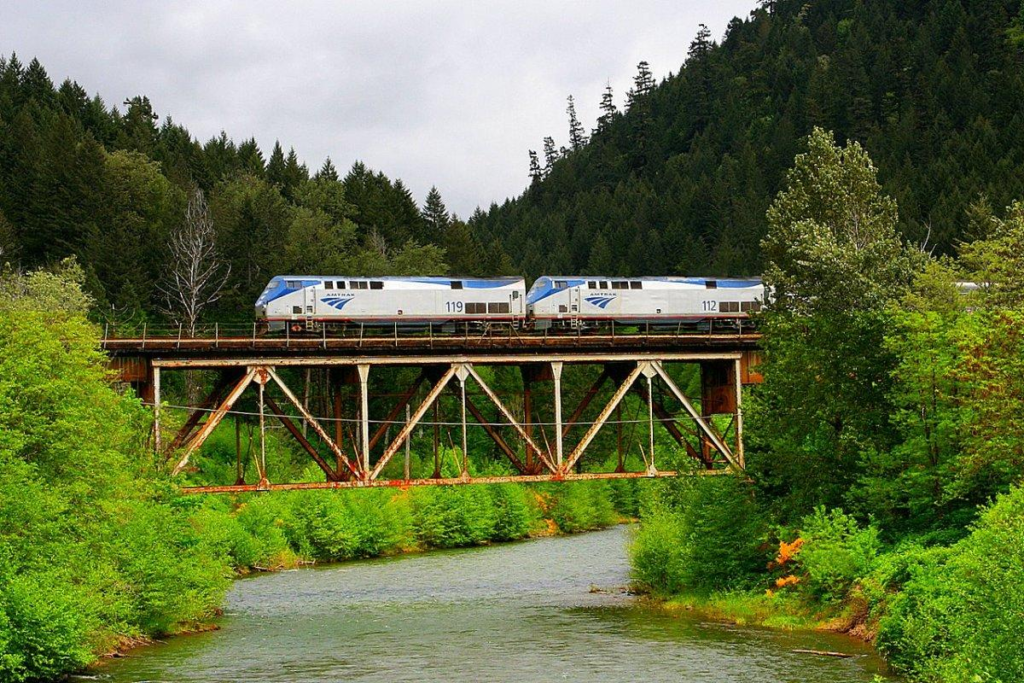
The California Zephyr does not continue north to Oregon. Passengers must leave it in Sacramento and wait for the Coast Starlight.
Under the current scheduled connection, the Zephyr reaches Sacramento during the afternoon, while the northbound Coast Starlight leaves close to midnight. That can create a layover approaching nine hours.
The long gap has one advantage. It offers more protection if the California Zephyr arrives late. Long-distance trains can lose time because they share tracks with freight services, weather problems, mechanical issues, or congestion elsewhere on the route.
The disadvantage is obvious. After more than a day aboard the train, passengers must spend much of the evening waiting for another one. Carrying luggage around Sacramento may feel less exciting than the simple transfer suggested by an online itinerary.
Travelers can remain near Sacramento Valley Station or use the break to find dinner. Those who explore farther should leave a generous margin before boarding. Missing the Coast Starlight could turn an inconvenient layover into an unplanned overnight stay.
The Coast Starlight changes the mood
Boarding the Coast Starlight feels like beginning a second journey. The California Zephyr is defined by the Rockies and Sierra Nevada, while the northern section of the Coast Starlight moves through agricultural valleys, volcanic country, forests, and the Cascade Range.
The train leaves Sacramento late at night. Chico, Redding, and parts of far Northern California may pass while most passengers are sleeping. By morning, the route approaches the Oregon border and the landscape becomes greener.
One of the most anticipated areas is the region around Mount Shasta and Klamath Falls. Visibility depends on weather, daylight, and which side of the train offers the better angle. Clouds can hide distant peaks completely, so promotional images should never be treated as a guarantee.
The train then continues through central Oregon, serving communities such as Chemult, Eugene, Albany, and Salem. Portland arrives in the afternoon under the normal schedule, ending a journey that began more than two days earlier in Denver.
Why this train trip is called overhyped
The scenery is not the problem. The Colorado section of the California Zephyr deserves its reputation, and the Coast Starlight offers a memorable approach through Oregon.
The hype comes from how the trip is presented. A short video can compress 56 hours into 30 seconds. It shows snowy mountains, wide lounge windows, peaceful meals, and a graceful arrival in Portland. It rarely shows the midnight boarding, the Sacramento waiting time, the interrupted sleep, or the second morning without a private shower.
The $330 headline creates a similar illusion. The fare may be achievable, but food and other expenses can push the real cost higher. A sleeper can make the journey much more comfortable, though it may remove the budget advantage that made the trip appealing.
Calling the ride overhyped does not mean it is bad. It means the online version often leaves out the conditions required to enjoy it.
Food aboard the trains requires a plan
Both the California Zephyr and Coast Starlight provide onboard food service, but coach travelers should not assume every meal is included. Café purchases can add up during a journey lasting more than two days.
Bringing snacks helps control spending and gives you something familiar when the café selection does not appeal. Food should be easy to store and eat without preparation. A refillable water bottle is useful, although passengers should avoid packing so much food that their seat area becomes crowded.
Traditional dining operates on both routes, but access, pricing, reservations, and service arrangements can differ by accommodation and train. Travelers should check the conditions attached to their ticket before departure rather than relying on an older travel video.
The Sacramento break also provides a chance to eat a full meal away from the train. That pause can feel surprisingly refreshing after hours of packaged snacks and café food.
Delays can reshape the entire experience
Long-distance Amtrak travel works best for people who accept that the timetable is a plan rather than a promise. The California Zephyr travels across several host railroads and may encounter freight interference or other disruptions.
A delay of an hour may have little effect because the Sacramento connection is long. A larger delay could reduce the layover considerably or place the connection at risk.
Passengers should avoid scheduling an important event immediately after the planned arrival in Portland. A tightly timed flight, tour, meeting, or hotel arrangement can turn a relaxing rail trip into a stressful race.
The slower pace is part of the appeal, but only when the traveler has allowed room for it. Flexibility is not an optional extra on this route. It is part of the ticket.
How to improve the chance of finding the $330 fare
The best approach is to search several dates rather than building the trip around one fixed departure. Coach inventory tends to become more expensive as lower-priced seats sell.
Comparing the complete Denver-to-Portland booking with separately priced Denver-to-Sacramento and Sacramento-to-Portland tickets may reveal different totals. Separate reservations, however, can create added complications if a delay causes a missed connection. Travelers should understand how their itinerary is protected before splitting the booking.
Amtrak permits reservations many months in advance, making early searches useful for popular summer and holiday dates. Midweek departures may show better availability, although no day is guaranteed to be cheapest.
The goal should not be to force the trip to cost exactly $330. A slightly higher fare on a better date may provide more daylight, easier accommodation, or a less stressful schedule.
Who will actually enjoy this journey
This trip suits travelers who value movement, scenery, and the experience of crossing large distances by rail. It works particularly well for patient travelers who can sleep in a reclining seat, enjoy quiet hours, and accept changes without becoming frustrated.
It also suits photographers and train enthusiasts who see the long travel time as the main event. For them, Portland is the ending, but the mountains, stations, dining car conversations, and changing landscapes are the real destination.
The journey is less suitable for anyone with limited vacation time, strict arrival plans, or difficulty sleeping upright. Families with small children may also find two nights and a long evening transfer challenging unless they book private accommodations.
A flight is faster. Driving gives more control. The train wins only when the journey itself matters more than efficiency.
Is the Colorado to Oregon train trip worth $330?
For the right passenger, yes. Few forms of transportation offer this much changing scenery without requiring someone to drive. The Rocky Mountain portion alone can make the ticket feel worthwhile.
For the wrong passenger, it may feel like paying $330 to remain tired for nearly three days. The same slow pace that one traveler finds peaceful may feel confining to someone else.
The trip becomes worthwhile when expectations match reality. It is not a luxury rail vacation at a bargain price. It is a long coach journey with several exceptional windows, an awkward transfer, uncertain timing, and a final arrival that feels earned.
Final thoughts
The $330 train trip from Colorado to Oregon is both better and worse than the headline suggests.
It is better because the landscape changes on a scale that air travel cannot provide. Colorado’s mountain corridors, Utah’s dry valleys, the Sierra Nevada, Northern California, and Oregon’s forests become connected scenes rather than isolated destinations.
It is worse because the journey is tiring, indirect, and dependent on timing. The Sacramento layover is long, coach sleep can be difficult, meals cost extra, and delays remain possible.
That tension is what makes the trip meaningful. It is neither the flawless adventure promoted online nor the pointless ordeal critics might imagine. It is a slow crossing of the American West that rewards preparation, patience, and an honest understanding of what $330 actually buys.