
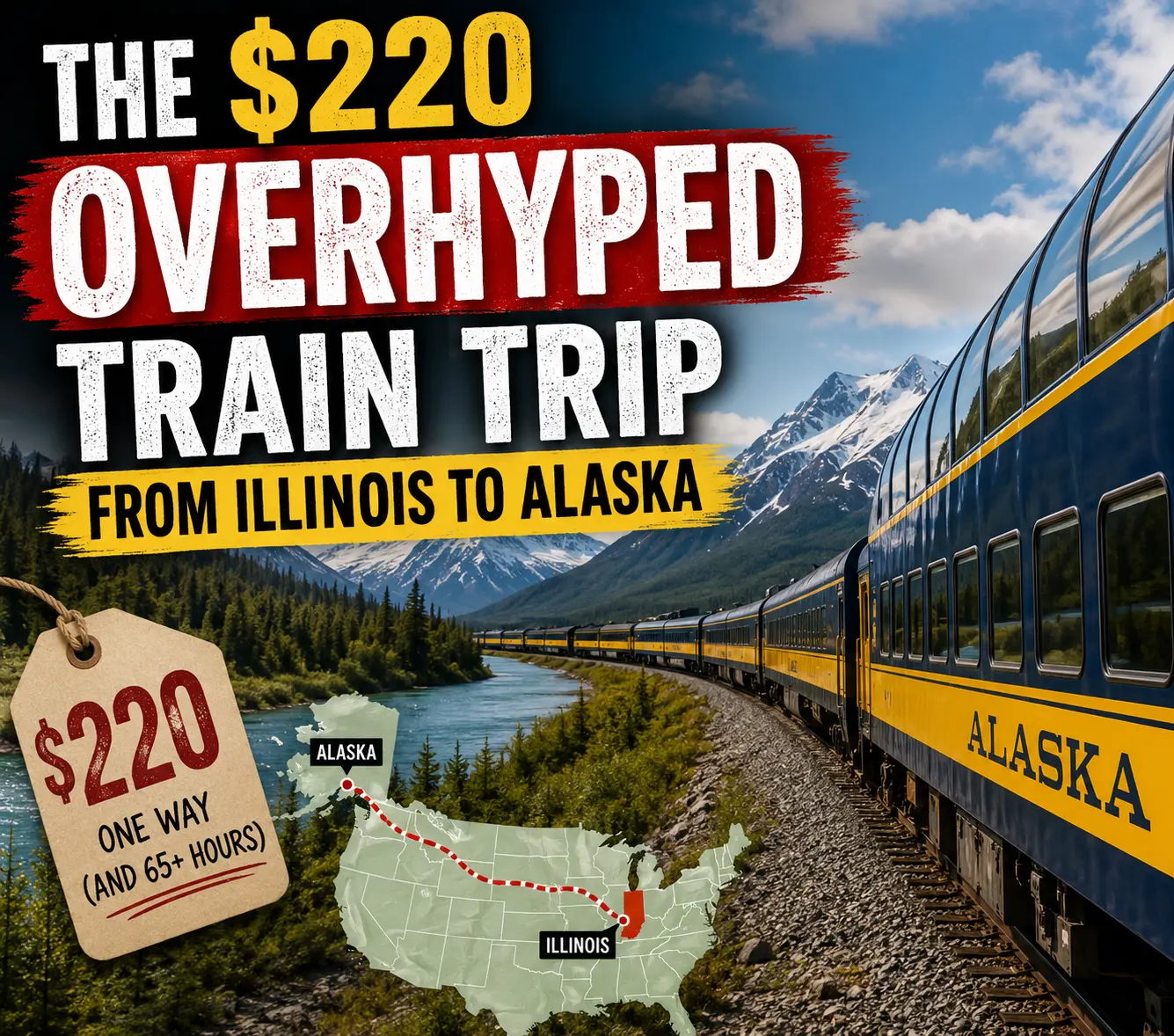
A $220 train trip from Illinois to Alaska sounds like one of those rare travel deals that changes how you see America. Board in Chicago, settle into a wide seat, cross the northern plains, watch mountains rise outside the window, and eventually step off beneath Alaska’s enormous sky.
There is only one problem. That train does not exist.
You can begin an unforgettable rail adventure in Illinois for around $220 on selected dates. You can also finish your vacation aboard the Alaska Railroad. What you cannot do is remain on one connected passenger train from Chicago to Alaska.
The viral version skips the ferry, flight, transfers, overnight stays, food expenses, and second set of train tickets. That does not make the journey a bad idea. It simply means the real trip is more complicated, more expensive, and arguably more interesting than the headline suggests.
Why the $220 Illinois to Alaska Train Trip Sounds Believable
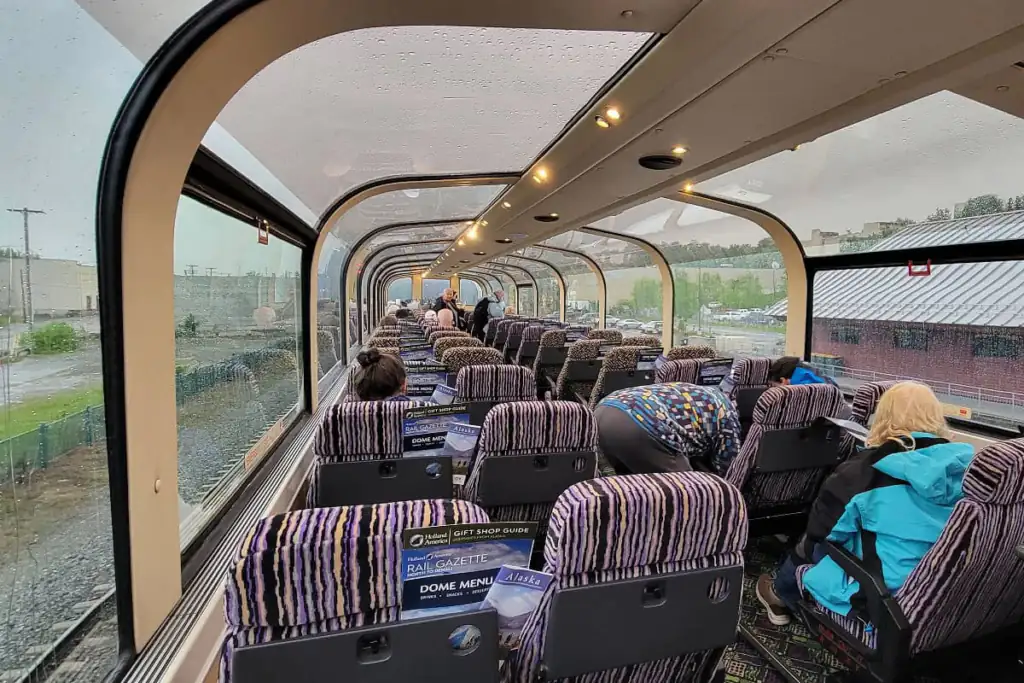
The claim works because its first half is surprisingly realistic. Amtrak’s Empire Builder travels from Chicago to the Pacific Northwest, covering a huge section of the northern United States in roughly 46 hours.
Cheap coach fares sometimes appear near the $220 mark when travelers book early and choose less popular dates. Amtrak’s fare pages have shown similar prices between Chicago and Seattle, although those fares change with demand and may disappear quickly.
That means the headline contains just enough truth to feel convincing. A traveler can board a long-distance train in Illinois, cross several states, sleep in a reclining coach seat, and arrive near the Pacific coast for little more than the cost of some domestic flights.
The trouble begins when “near the Pacific coast” quietly becomes “Alaska.”
The First Part of the Journey Is the Real Bargain
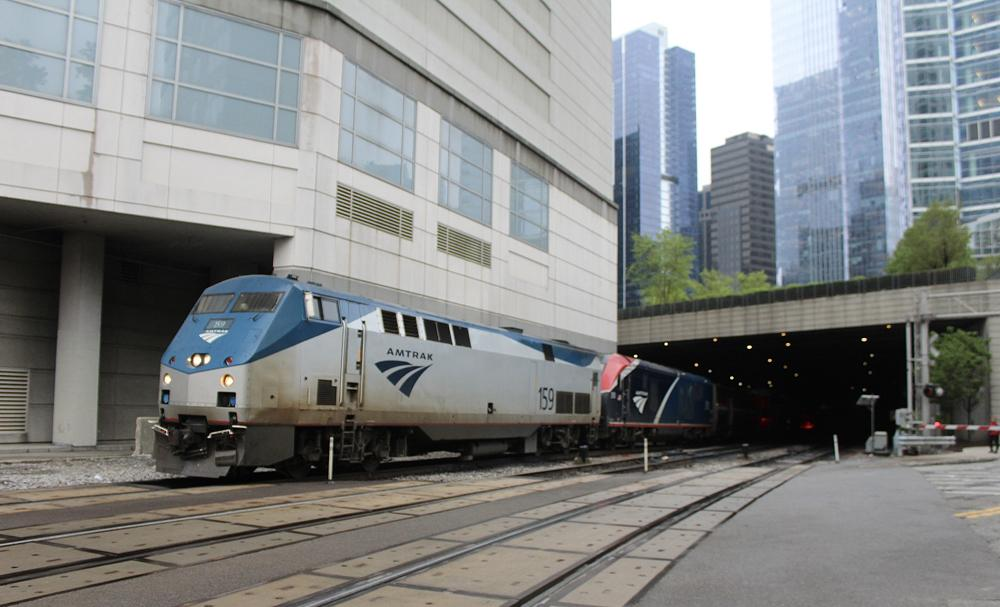
The Empire Builder begins at Chicago Union Station and heads north through Wisconsin before reaching Minnesota. It then pushes across North Dakota and Montana, passing broad farmland, river valleys, small towns, and stretches of open country that feel almost endless.
West of Montana, the scenery becomes more dramatic. The train approaches Glacier country, crosses the northern Rockies, and reaches Spokane, where the route divides. One section continues toward Portland, while the other heads for Seattle.
For a traveler chasing an Illinois-to-Alaska adventure, Seattle is the more practical choice. It places you closer to Bellingham, the Washington departure point for Alaska Marine Highway ferries.
The Empire Builder portion is also where the $220 story feels strongest. You receive nearly two days of transportation, shifting landscapes, wide coach seats, access to observation areas, and the ability to move around during the ride.
Compared with paying for hotels, fuel, and meals during a long road trip, a low coach fare can look impressive. Yet that fare buys transportation to Washington, not Alaska.
Why This Is Not a Continuous Train Journey
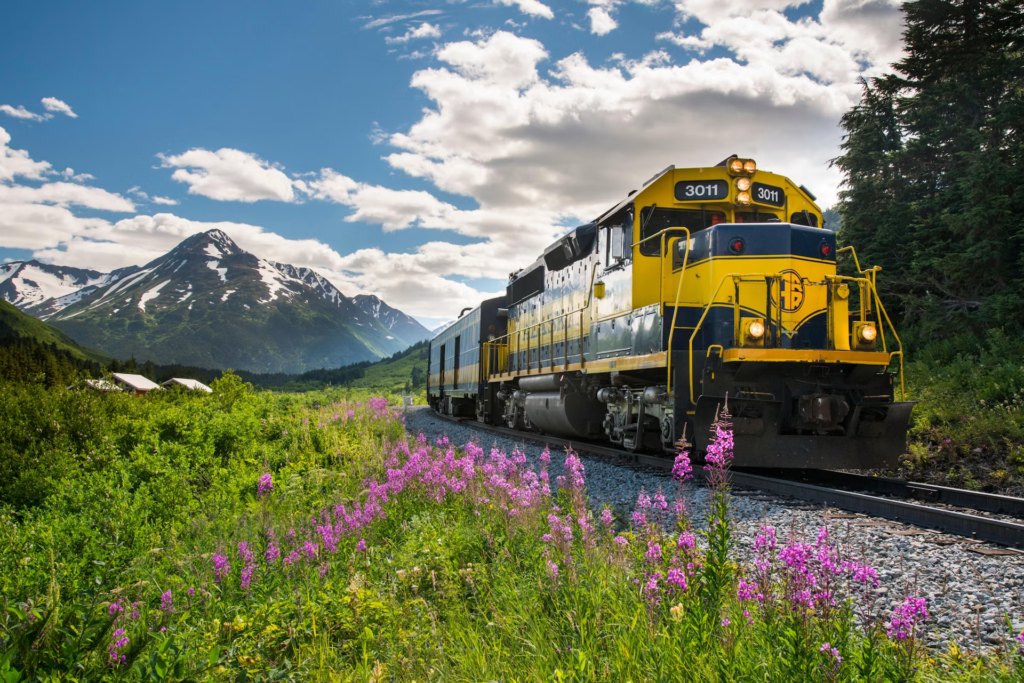
Alaska’s passenger railway is physically separated from Amtrak’s national passenger network. The rails used by the Alaska Railroad do not continue south through Canada and connect with Seattle or Chicago.
Freight equipment can reach Alaska through marine shipping arrangements, but passengers cannot remain inside a train car and sail north with it. Anyone planning this journey must leave Amtrak and switch to another form of transportation.
This break is the detail that overhyped travel posts tend to bury. Calling the experience a train trip from Illinois to Alaska makes it sound like a single booking. In reality, it is a multi-stage expedition built from separate reservations.
That difference affects far more than the wording. It changes the total cost, travel time, baggage planning, connection risks, and places you can reasonably visit.
Chicago to Seattle on the Empire Builder
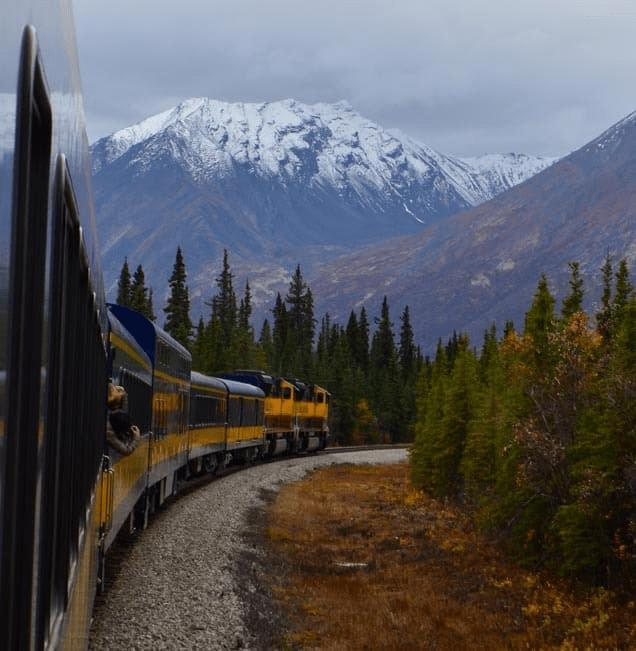
The Chicago-to-Seattle ride is the longest uninterrupted rail section. The train usually takes close to 46 hours, although delays can extend the journey.
From Chicago, the route passes Milwaukee before continuing toward the Twin Cities. After Minnesota, the scenery opens across North Dakota, where towns become smaller and the horizon appears wider.
Montana provides some of the trip’s most memorable views. Depending on daylight and the season, passengers may see rugged ridges, forests, rivers, and distant mountain walls. The train follows a route near Glacier National Park before crossing into Idaho and Washington.
This is slow travel in its most honest form. There are no dramatic hourly attractions and no carefully staged sightseeing stops. Much of the appeal comes from sitting still while the geography changes around you.
For some passengers, that rhythm feels peaceful. For others, the second night in coach becomes a test of patience.
What a $220 Coach Ticket Really Includes
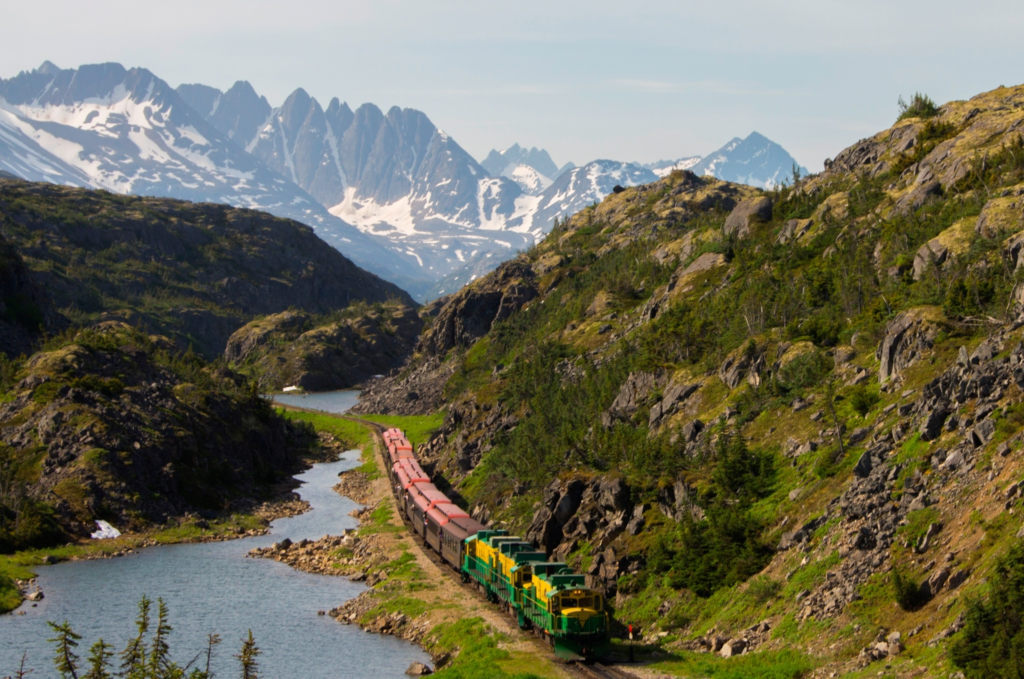
A discounted coach ticket provides a reclining seat with more legroom than a typical airline seat. Long-distance cars normally include power outlets, tray tables, overhead storage, restrooms, and space to walk around.
Passengers can visit the café or dining areas, though meals are not automatically included with a standard coach fare. Food purchases over two days can add a noticeable amount to the budget.
Sleeping is another matter. Coach seats recline, but they do not turn into private beds. Lights, announcements, station stops, and the movement of other passengers can interrupt the night.
A roomette makes the ride far more comfortable, but it can cost several times more than the headline fare. Once a private room is added, the idea of crossing the country for $220 disappears.
The low price works because it assumes the traveler will remain in coach, bring personal comfort items, and accept limited privacy for almost two full days.
Seattle Is Where the Simple Story Ends
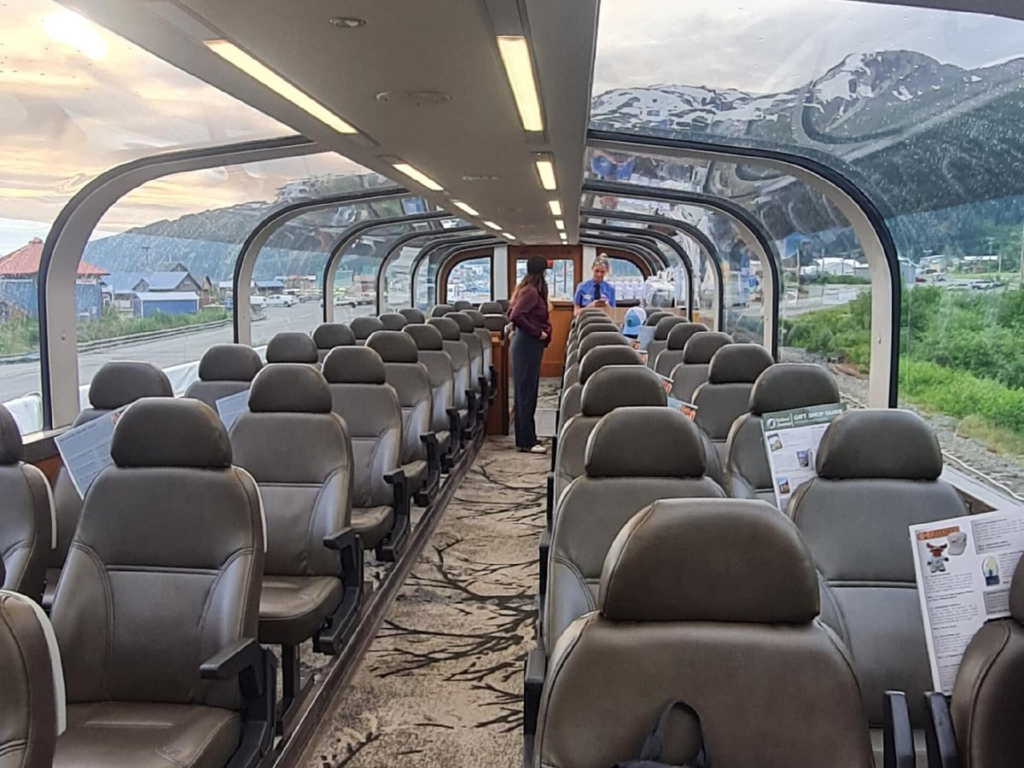
Arriving in Seattle feels like progress, but Alaska is still far away. Travelers hoping to continue without flying must travel north to Bellingham, Washington.
Bellingham has a multimodal transportation center serving trains, buses, and ferries. That makes the transfer look easy on a map, but schedules do not always line up neatly.
A late Empire Builder arrival could cause a missed connection. Amtrak long-distance trains sometimes experience delays because much of their route operates on tracks controlled by freight railroads.
Missing an ordinary regional train might mean waiting a few hours. Missing an Alaska ferry can create a much larger problem because sailings may not operate every day.
A sensible itinerary therefore needs extra time in Washington. That may mean paying for a hotel, meals, local transportation, and another ticket before the Alaska portion even begins.
The Alaska Ferry Is Beautiful but It Is Not a Train
The Alaska Marine Highway connects Bellingham with communities in Southeast Alaska through the Inside Passage. Depending on the schedule, passengers can travel to places such as Ketchikan, Wrangell, Petersburg, Juneau, Haines, or Skagway.
The ferry ride from Bellingham to Ketchikan alone takes about 38 hours. Continuing farther into Southeast Alaska adds more time.
This section may become the emotional high point of the entire trip. Forested islands, narrow channels, coastal mountains, misty shorelines, and possible wildlife sightings create a journey unlike an ordinary highway drive.
Still, it is a ferry journey. It requires a separate fare, a separate reservation, and a completely different timetable.
Basic passenger tickets do not automatically include private cabins. Travelers trying to control costs may sleep in public areas permitted by the vessel’s rules, while those wanting a cabin must pay more.
By this stage, the $220 train trip has become a train-and-ferry vacation with several additional expenses.
Reaching Alaska Does Not Mean Reaching the Alaska Railroad
The ferry can place you in Alaska, but most Bellingham sailings serve Southeast Alaska. The primary Alaska Railroad passenger network runs farther northwest between Seward, Anchorage, Denali, and Fairbanks.
Juneau, Ketchikan, and other Southeast Alaska ferry destinations are not connected to Anchorage by road or passenger rail. Travelers usually need a flight to continue to the Alaska Railroad.
That creates another major break in the itinerary. You might spend days avoiding air travel, only to discover that a flight is still the most practical link between Southeast Alaska and Anchorage.
Cross-gulf ferry service may operate during certain schedules, but it is limited and should never be assumed. Seasonal changes, vessel availability, and service revisions can reshape an itinerary.
The safest way to describe the trip is not “Illinois to Alaska by train.” It is “Illinois to Washington by train, Washington to Southeast Alaska by ferry, and onward by air or another seasonal connection.”
The Alaska Railroad Begins a Second Rail Adventure

Once you reach Anchorage, the trip changes again. The Alaska Railroad operates its own passenger services through Southcentral and Interior Alaska.
One of its best-known summer routes is the Denali Star, which links Anchorage with Wasilla, Talkeetna, Denali, and Fairbanks. The full journey takes most of a day and passes forests, rivers, remote settlements, and mountain scenery.
Another popular route is the Coastal Classic between Anchorage and Seward. It follows Turnagain Arm before moving through mountain country toward the Kenai Peninsula.
These trains can deliver the Alaska experience that the original headline promises. Large windows, long daylight hours, mountain views, and distant stretches of wilderness make the railway feel entirely different from the Chicago departure.
Yet Alaska Railroad tickets are not included with Amtrak. Published 2026 Adventure Class fares include $133 between Anchorage and Seward and $294 between Anchorage and Fairbanks. Those tickets alone can equal or exceed the supposed cost of the entire Illinois-to-Alaska trip.
How the Real Cost Grows Beyond $220
The first Amtrak ticket is only the starting point. After that comes transportation from Seattle to Bellingham, meals during the journey, possible hotel stays, an Alaska ferry ticket, cabin costs if desired, local transfers, and possibly a flight to Anchorage.
Then there is the Alaska Railroad fare. Travelers may also need lodging in Anchorage, Seward, Denali, or Fairbanks because many Alaska train schedules are built around daytime sightseeing rather than overnight transportation.
A carefully planned traveler may reduce some expenses by carrying food, traveling in coach, skipping private cabins, and choosing shoulder-season dates. Even then, the total will be far above $220.
A more honest budget could easily reach several hundred dollars before accommodations in Alaska are counted. Add private rooms, ferry cabins, checked baggage, meals, and popular summer travel dates, and the total may climb beyond $1,000.
The headline price is therefore a starting fare, not the final cost of reaching and exploring Alaska.
The Landscapes Are Worth More Than the Viral Claim
The disappointing part is not the trip itself. The disappointment comes from presenting a complicated adventure as a cheap, simple ride.
The actual journey crosses several distinct regions. Illinois and Wisconsin provide city views and farmland. Minnesota and North Dakota open into prairie. Montana brings rivers, forests, and mountain country. Washington adds the Cascades and Pacific Northwest atmosphere.
The ferry then replaces railway scenery with the waterways of the Inside Passage. In Alaska, another train carries passengers through immense valleys and mountain corridors.
Treating these separate experiences as one continuous train ride almost makes the journey sound less impressive. Its real appeal comes from changing transportation systems as the landscape becomes more remote.
The trip is not one straight line. It is a patchwork of rail, road, sea, and possibly air travel across a vast section of North America.
What Makes the Journey Feel Overrated
The trip becomes overrated when the price receives more attention than the experience. Travelers may imagine a relaxing ride but spend much of the journey checking schedules, managing luggage, waiting for connections, and worrying about delays.
Two nights in coach can also be harder than expected. The scenery may be excellent, but sleep quality depends on noise tolerance, seat comfort, and how crowded the train feels.
The ferry adds another long stretch of shared-space travel. Without a cabin, the journey demands another round of compromise.
Summer demand in Alaska can create higher fares and limited availability. Hotels, rental cars, tours, and train tickets often require early reservations.
None of these problems ruins the trip. They simply expose the gap between a viral headline and a workable itinerary.
Why the Trip May Still Be Worth Taking
For travelers who enjoy the journey as much as the destination, this route can become a major personal adventure. It offers days of changing scenery and a sense of distance that air travel erases.
Flying from Chicago to Anchorage compresses the continent into a few hours. Traveling by train and ferry reveals how far apart those cities truly are.
The slower pace also gives the journey a stronger narrative. You leave a dense urban center, cross the plains, reach the Pacific Northwest, sail through coastal islands, and finally enter Alaska’s rail corridor.
That progression creates memories that a direct flight cannot copy. The value comes from the accumulated experience, not from pretending the entire trip costs $220.
Who Will Enjoy This Illinois to Alaska Journey
This route suits travelers who can tolerate long travel days, shifting schedules, shared spaces, and uncertain connections. It rewards patience more than luxury.
Rail enthusiasts will appreciate experiencing two separate passenger systems. Landscape photographers may enjoy the gradual changes across the northern states and the coastal scenery of the Inside Passage.
Budget travelers can still find value, but they need a realistic budget. Someone focused only on reaching Alaska cheaply will often find flying faster and less expensive after all costs are included.
The journey makes the most sense for someone who wants the train, ferry, and Alaska Railroad to be major parts of the vacation rather than transportation that must be endured.
Who Should Skip the Overhyped Route
Travelers with limited vacation time may find the schedule exhausting. The journey can consume several days before meaningful exploration in Alaska begins.
Families with young children should think carefully about consecutive nights in coach and long ferry crossings. The experience can be rewarding, but it requires more preparation than a typical domestic trip.
Anyone who needs reliable arrival times should also be cautious. A delayed train, changed ferry schedule, or limited seasonal connection can reshape the entire plan.
Those expecting a seamless Amtrak vacation will be disappointed. This is an independently assembled itinerary with several transportation providers.
How to Plan It Without Falling for the Headline
Begin by treating each section as its own journey. Check the Empire Builder fare and schedule first, but do not buy it until you understand the available ferry dates.
Build extra time between arriving in Seattle and boarding in Bellingham. A buffer protects the itinerary if the long-distance train runs late.
Decide what “Alaska” means for your trip. Reaching Ketchikan is very different from reaching Anchorage, Denali, or Fairbanks. Southeast Alaska works naturally with the ferry, while Alaska Railroad destinations may require an added flight.
Check seasonal Alaska Railroad schedules before choosing travel dates. Summer services offer the broadest selection, but they also attract the largest crowds.
Most importantly, calculate the entire trip rather than celebrating the first cheap ticket. Include meals, lodging, transfers, ferry passage, cabins, flights, and Alaska rail fares.
Is the $220 Illinois to Alaska Train Trip Real?
The $220 fare may be real for part of the route. The Illinois-to-Alaska train trip is not.
You can ride Amtrak from Chicago to Seattle for a low coach fare on selected dates. You can continue north by train or bus to Bellingham. You can board the Alaska Marine Highway and sail into Southeast Alaska. You can later reach Anchorage and ride the Alaska Railroad.
Those stages create a remarkable northern journey, but they do not create one continuous train ticket.
The overhyped version sells a bargain. The truthful version offers something better: a demanding, scenic, multi-stage adventure that crosses the country, reaches the Pacific, enters Alaska by sea, and finishes on one of America’s most memorable railways.
Final Thoughts
The $220 train trip from Illinois to Alaska is the kind of story that spreads because people want it to be true. It promises huge scenery, low prices, and simple transportation wrapped into one irresistible headline.
The real journey refuses to be that neat.
Around $220 might carry you from Chicago to Seattle in coach if the dates and fares align. Alaska remains another ferry ride, transfer, flight, or separate train ticket away.
That added complication does not destroy the adventure. It gives the trip its meaning. You are not buying one cheap ride. You are building a route across plains, mountains, coastal waters, and Alaska’s railbelt.
Take it for the changing landscapes, the slower pace, and the story you will bring home. Just do not take it because someone claimed $220 would carry you all the way from Illinois to Alaska.