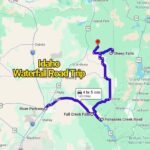
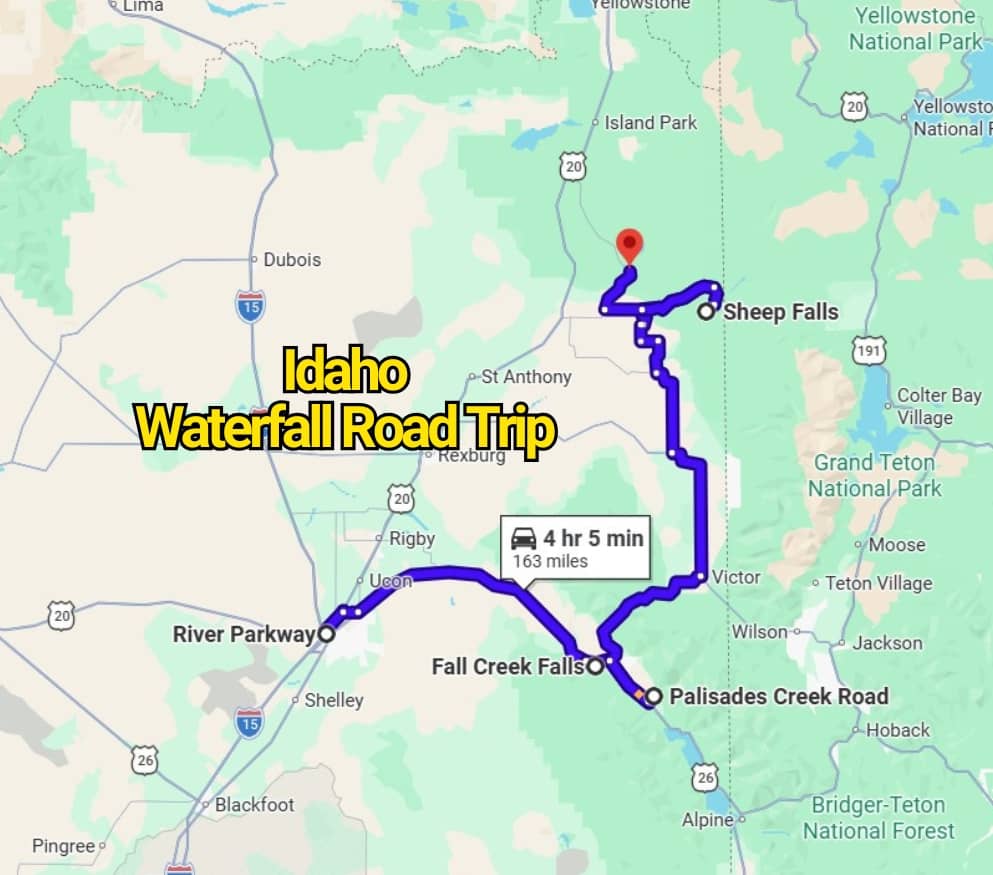
Eastern Idaho holds a surprising collection of waterfalls, rushing rivers, and quiet natural corners that are easy to miss during a hurried drive. This scenic route brings several of those places together, creating an exciting journey through one of the state’s less-traveled regions.
The full drive takes a little more than five hours, but spreading the trip across a weekend gives you more time to hike, take photos, and enjoy each stop without watching the clock. Along the way, you will pass near Yellowstone’s outer landscapes, follow winding waterways, and visit refreshing cascades hidden beyond the main highways. Some stops are easy to reach, while others require a short walk across rough or uneven ground.
Pack sturdy hiking shoes, drinking water, snacks, and a camera before setting out. You may even want to bring a towel for spots where dipping your feet is allowed. Use the Google Map to follow the stops in order, then prepare for a waterfall-filled drive across Eastern Idaho’s wild and beautiful countryside.
1. Idaho Falls: A Wide Cascade Along the Snake River
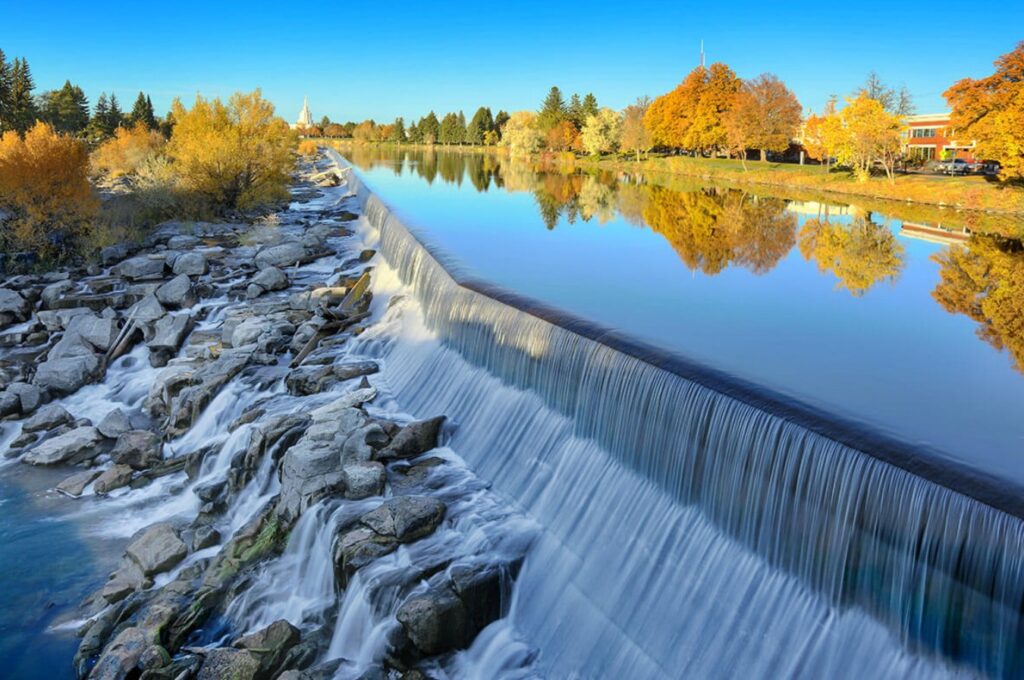
Idaho Falls begins this road trip with a broad curtain of water stretching roughly 1,200 feet across the Snake River. Formed by a man-made diversion dam, the falls drop about 20 feet and remain one of the city’s best-known sights.
The nearby River Walk offers an easy way to admire the rushing water from several angles. Follow the paved pathway beside the river, watch for local birds, or pause on one of the benches while the sound of the cascade fills the background.
After spending time beside the falls, continue into downtown Idaho Falls for cafés, restaurants, and locally owned shops. The mix of river scenery and city attractions makes this an inviting first stop before the route carries you deeper into Eastern Idaho.
2. Fall Creek Falls: A 60-Foot Cascade Above the Snake River
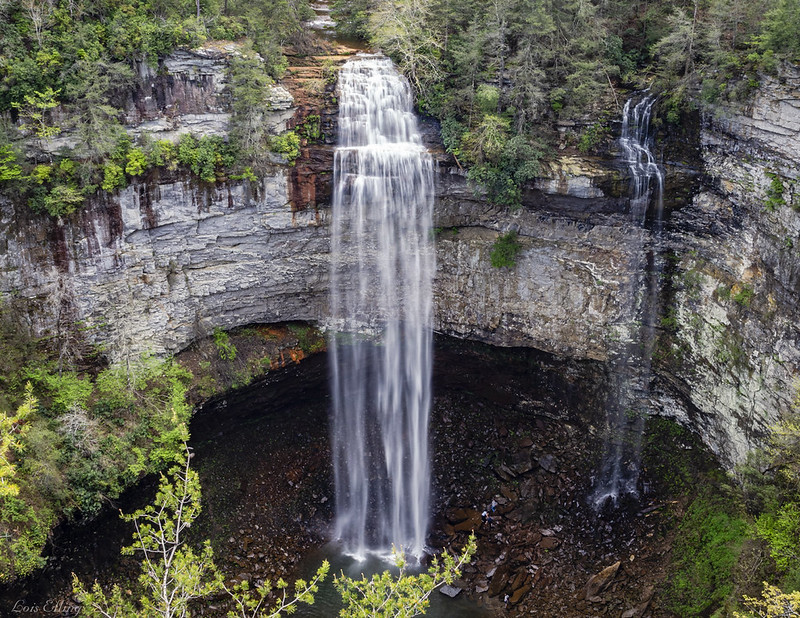
Fall Creek Falls tumbles about 60 feet before meeting the Snake River, spreading outward as it drops and forming a broad, fountain-like shape. The strong flow and unusual formation make it one of Eastern Idaho’s most memorable roadside waterfalls.
Reaching the viewpoint requires little effort because the falls can be seen from near the road. Visitors can stop for photographs, listen to the rushing water, and take in the surrounding canyon scenery without committing to a long hike. Nearby camping areas also make this a convenient overnight stop during a weekend drive.
During warmer months, some locals enter the water around the falls, but currents, slippery rocks, and changing river levels can create serious hazards. Check posted signs, follow local rules, and enjoy the cascade from a safe viewing area when conditions are uncertain.
3. Waterfall Canyon: A Remote Seasonal Cascade Near Palisades
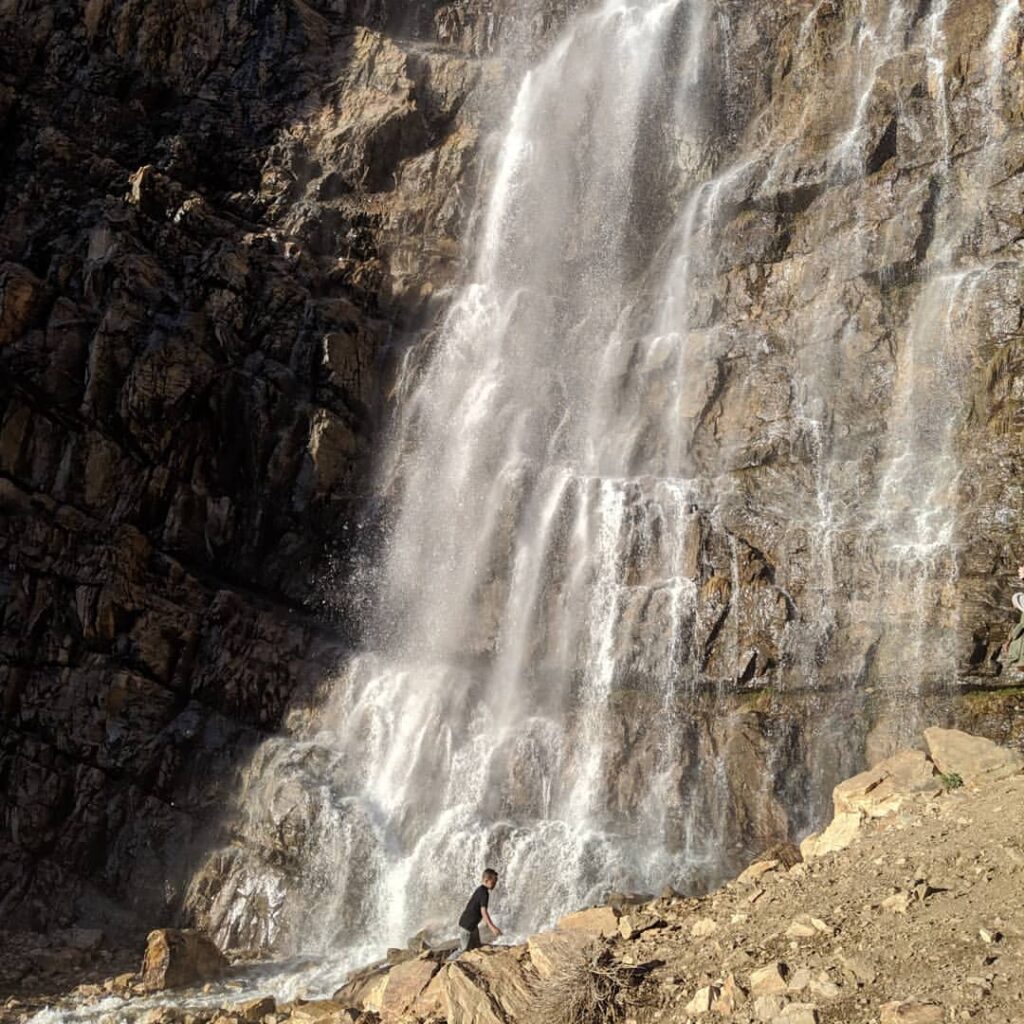
Waterfall Canyon is the name commonly used for West Rainbow Falls, a seasonal cascade that should not be confused with another Rainbow Falls in northern Idaho. Its flow depends heavily on recent rain and snowmelt, so the waterfall appears far more impressive during wetter periods.
Reaching the falls involves a rugged round-trip hike of roughly 12 miles from the Palisades trail entrance. The route passes through remote country, and completing it may require an overnight stay depending on hiking speed, trail conditions, and daylight. Carry enough food and water, pack reliable lighting, check the forecast, and arrange suitable backcountry sleeping gear before leaving.
Wildlife may be present along the trail, so travel with a companion, make your presence known, and follow current land-management guidance. The demanding trek rewards prepared hikers with a secluded canyon setting and a tall ribbon of water spilling down the rock after substantial rainfall.
4. Sheep Falls: A Split Cascade Near Yellowstone
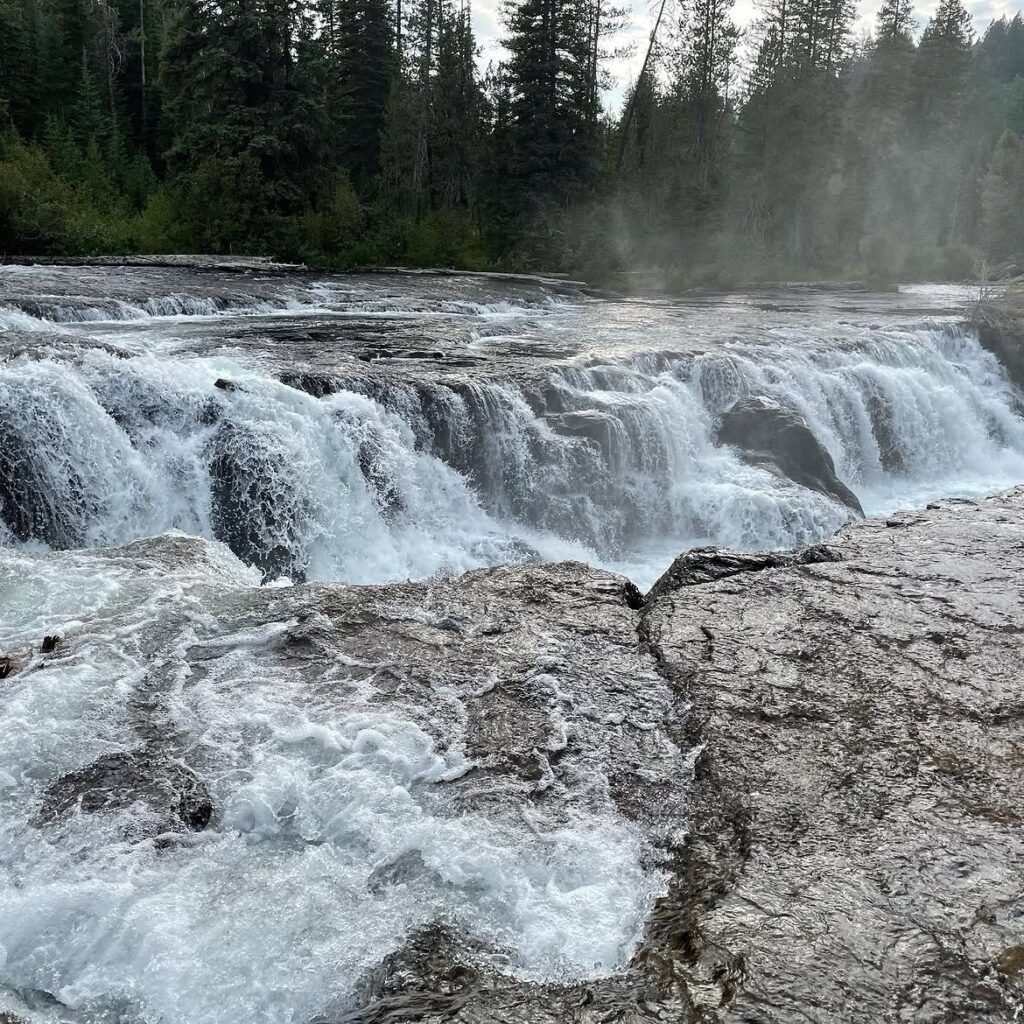
Sheep Falls drops roughly 35 feet where the Falls River divides into two powerful channels. Located near Yellowstone National Park’s southwest entrance, this broad cascade offers a striking sight as the water pours over dark rock and rejoins below.
A moderate hike leads visitors through forested terrain to the falls. The main route is manageable for many hikers, though muddy ground, exposed roots, and loose stones may appear depending on recent weather. Sturdy footwear and drinking water make the outing more comfortable.
Some unofficial viewing spots require climbing across steep or slippery ground, so remain on marked paths and obey posted warnings. The safer viewpoints still provide rewarding views of the twin streams, rushing river, and surrounding woodland.
5. Mesa Falls: A Towering Finale Along the Henrys Fork
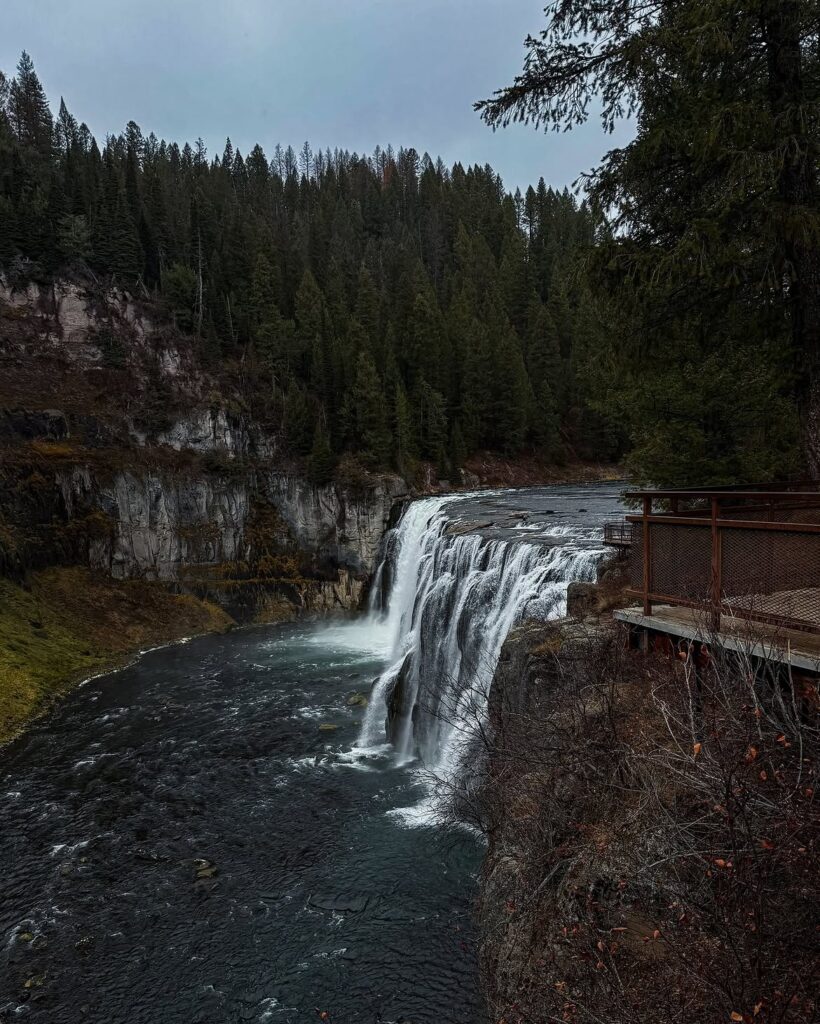
Mesa Falls provides a dramatic final stop on this Eastern Idaho waterfall drive. Upper Mesa Falls plunges about 114 feet over a steep volcanic rock wall as the Henrys Fork rushes through a deep forested canyon. Because the river remains undiverted here, the waterfall retains its powerful natural flow and thunderous character.
Separate turnoffs along the Mesa Falls Scenic Byway lead to Upper and Lower Mesa Falls. Upper Mesa Falls has developed walkways and viewing platforms that offer clear angles of the drop, while Lower Mesa Falls can be admired from a more distant overlook. At roughly 5,600 feet above sea level, the area may feel cooler than the surrounding lowlands, even during summer.
The drive itself adds plenty to the experience, passing pine forests, river corridors, and broad mountain scenery. Island Park sits nearby and makes a practical place to spend the night before heading home. Ending the journey here allows travelers to enjoy one of Idaho’s grandest cascades without adding a difficult hike to the day.
You may also like :