
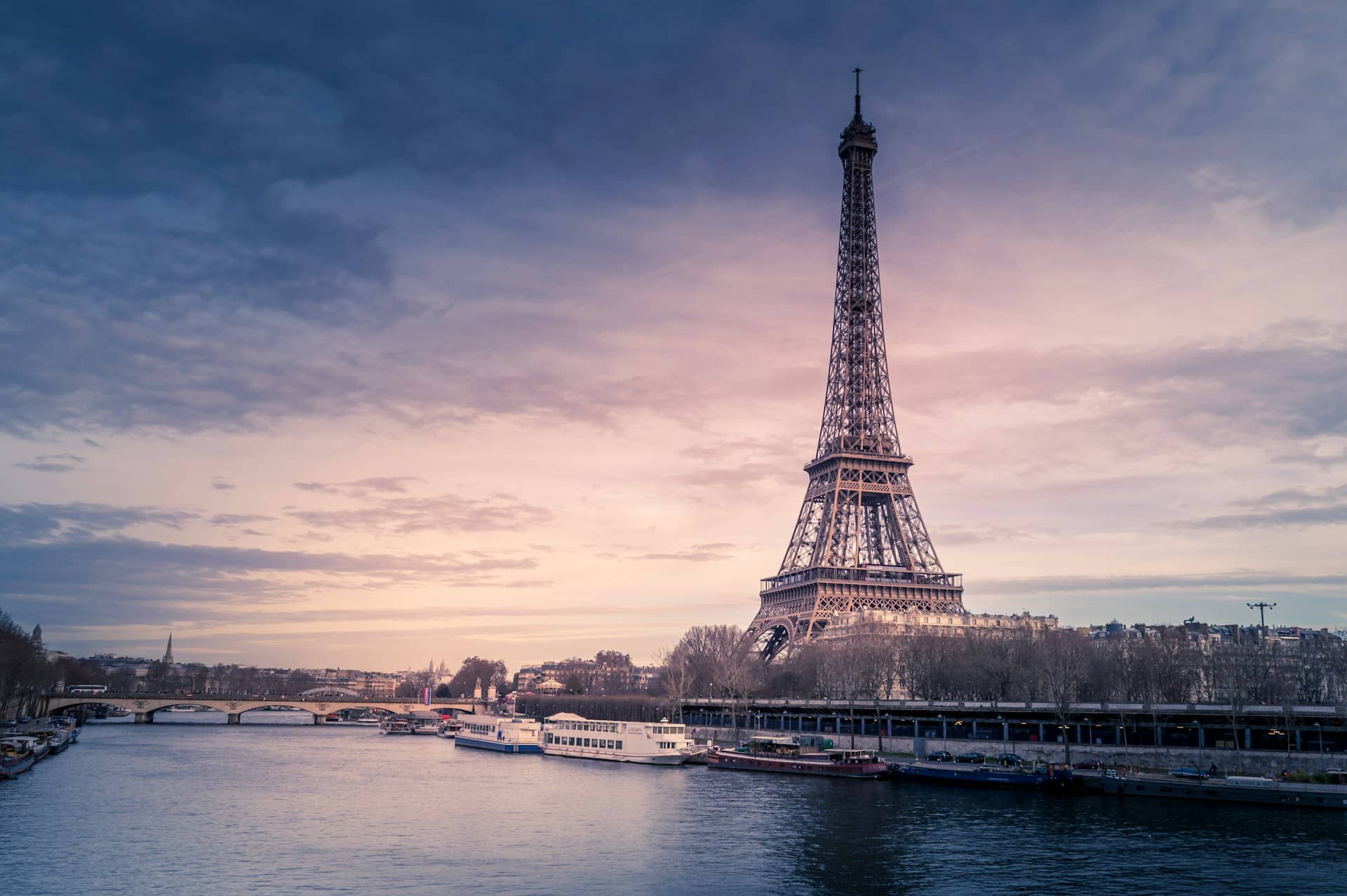
From the lavender plains of Provence to the flowing ironwork and curved facades of Paris, France offers a wide mix of scenery and historic settings. The country moves easily between grand cities, old towns with centuries of stories, and stretches of coast and countryside that feel far removed from busy streets. Some towns trace their roots back over a thousand years, while other areas draw visitors with beaches, cliffs, and alpine peaks.
Travelers can move from the blue shoreline of the Riviera to the chalk cliffs of Normandy, then continue inland to castle-dotted valleys and vineyard-covered hills. Each region carries its own mood, architecture, and local rhythm. This collection of France’s most beautiful places can spark ideas for a trip filled with color, history, and striking landscapes — perfect for anyone planning their next memorable journey.
1. Lake Annecy
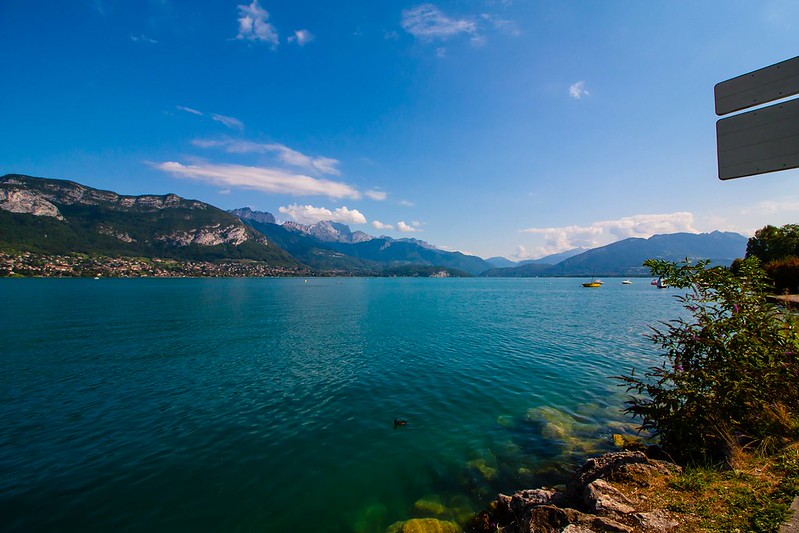
Lake Annecy sits about 30 miles from the Swiss city of Geneva and is fed by cold Alpine streams plus a deep natural spring near the town of Annecy. The water is famously clear, with shades of blue and green that shift through the day. Mountain walls rise around the shoreline, and small harbors, walking paths, and quiet docks give the lake a calm, open feel.
The area works well for long hikes, relaxed bike rides, and brave summer swims, even though the temperature stays on the cool side. After time outdoors, local Alpine dishes and warm café meals feel especially welcome in the evening. Between the crisp air, clean water, and mountain backdrop, this lake stop easily becomes a highlight of any France itinerary.
2. Lyon
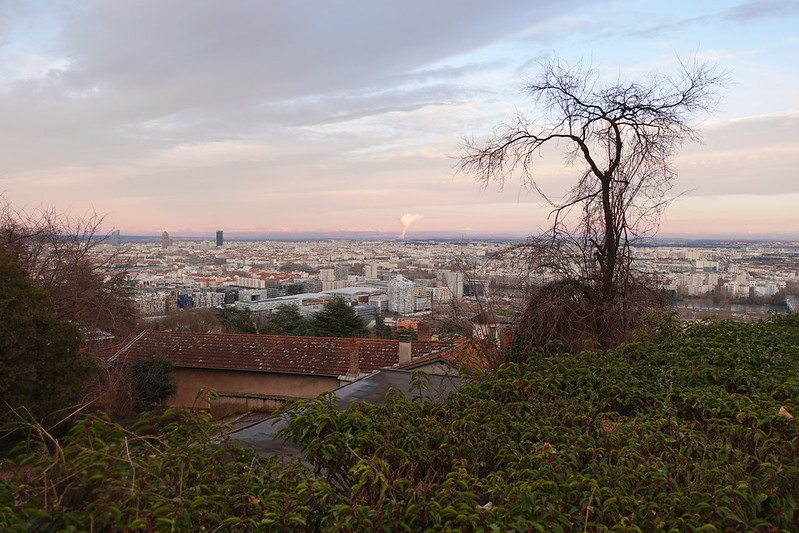
Lyon lies about an hour west of Geneva and ranks as Lyon’s third-largest city, yet it often feels more relaxed than the capital. Two rivers cut through the city, dividing districts that range from Renaissance lanes to wide modern boulevards. Walking here means passing painted facades, hidden passageways, and long waterfront paths that change mood from morning to night.
Food is a major draw. Lyon has a strong dining culture, with creative kitchens and casual bouchons serving rich regional plates. Spots like La Bijouterie bring playful twists to French flavors, including dim sum-style small bites. Add UNESCO-listed quarters, old stone churches on the hills, small hotels, and open-air markets by the river, and the city easily earns a higher place on any France travel plan. To make the most of your visit, take a look at the best things to do in Lyon and plan your time around its neighborhoods, food spots, and historic sites.
3. Hôtel Le Coucou Méribel
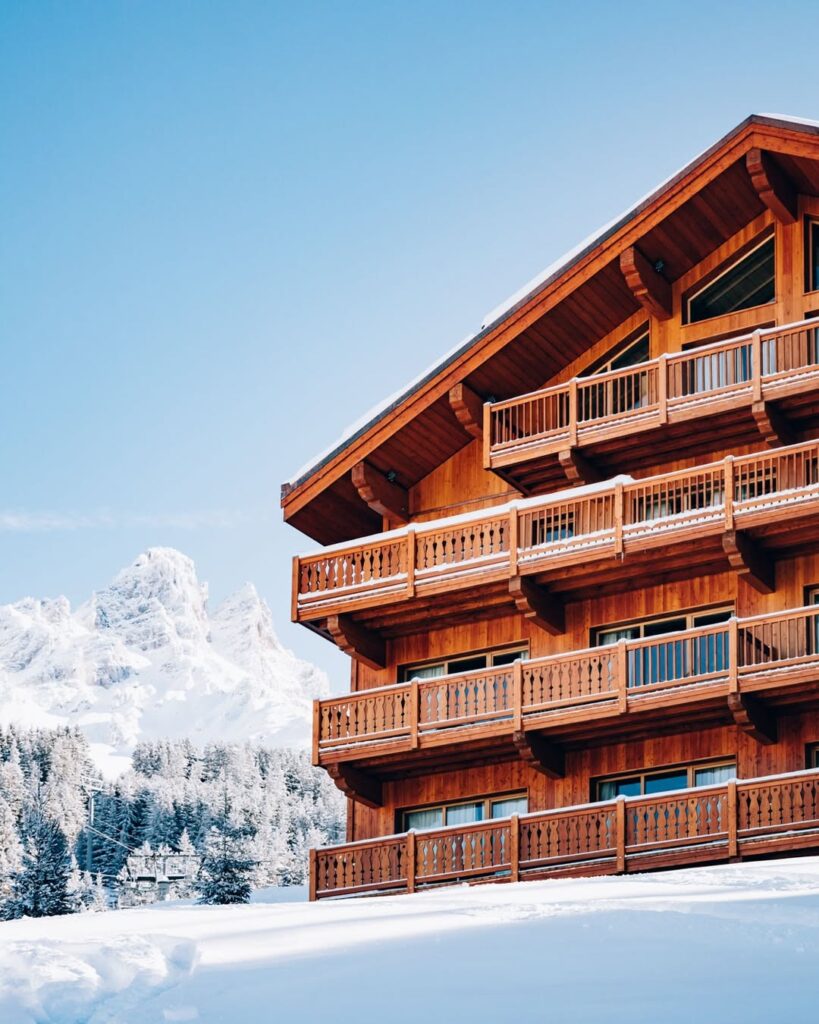
Hôtel Le Coucou Méribel brings a light, playful mood to the classic Alpine ski lodge style. Instead of heavy wood and dark tones, the hotel uses bold patterns, bright textiles, and creative details. You might spot polka-dot carpets, chair legs shaped like ski poles, and ceiling artwork with owls perched in painted treetops. The result feels cheerful and modern without losing the mountain-stay atmosphere.
The property is also well placed for snow season trips, with direct ski-in ski-out access in the Trois Vallées area. Families tend to like the easy slope connection and relaxed layout, while shared spaces invite guests to linger after a day outside. With its mix of comfort, humor, and smart location, this hotel stands out among French Alpine stays.
4. Biarritz
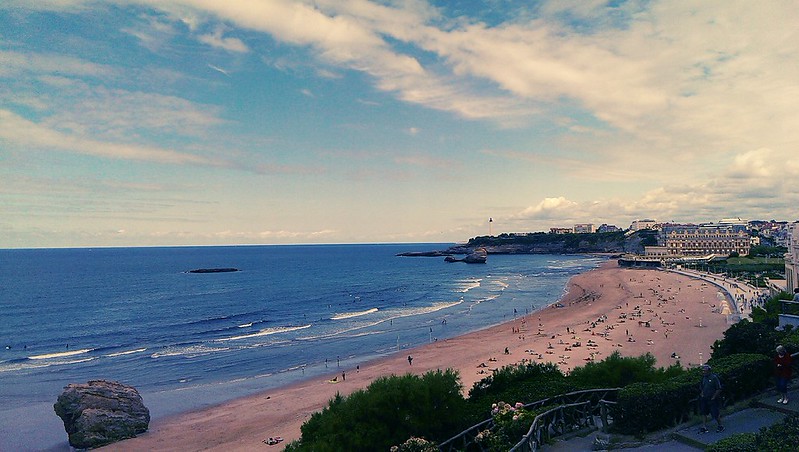
Biarritz has long been a favored summer stop for royalty and well-known figures, and it even appears in classic literature like The Sun Also Rises. Set in the French Basque region along the Bay of Biscay, the town blends grand seaside buildings with wide sandy beaches and rolling Atlantic waves. Old promenades, cliff paths, and ocean viewpoints give the area a bold coastal character.
The beaches here draw both casual visitors and surf learners. Wave patterns are generally steady and beginner-friendly, which makes the shoreline active without feeling overwhelming. Surf schools, board rentals, and relaxed beach cafés line the coast, so it’s easy to spend a full day moving between the water and the boardwalk. Biarritz works well for travelers who want sea air, history, and a sporty beach scene in one place.
5. The Camargue
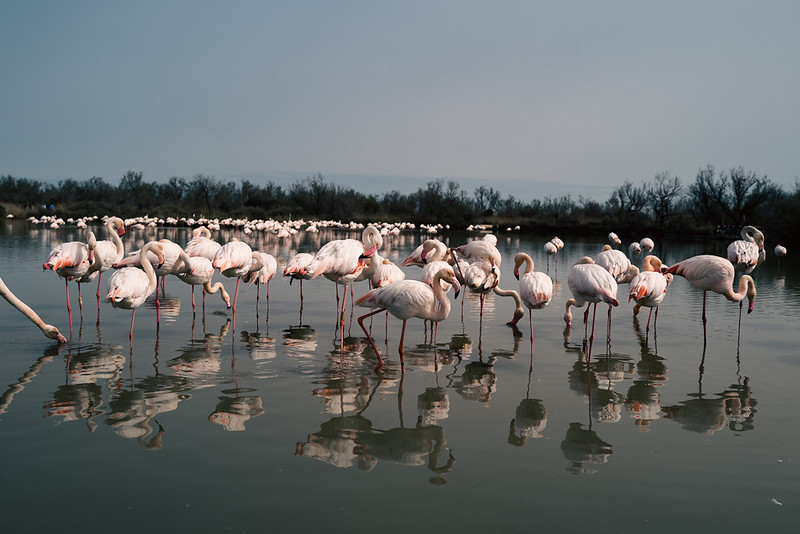
Camargue spreads across a wide, marshy delta between the Mediterranean Sea and the two branches of the Rhône River, and the scenery feels strikingly different from much of France. Flat horizons, shallow lagoons, salt pans, and reed fields replace vineyards and mountain views. The land often looks raw and wind-shaped, with strong light and open skies changing the colors through the day.
Many visitors explore the area by Jeep or guided drives that cross dirt tracks and wetland routes. Along the way, you may pass red salt flats, shallow ponds, and grazing fields where the region’s white horses roam freely. The Camargue is also a major bird zone, home to hundreds of species. Flamingos are a frequent highlight, often seen feeding in the pink-tinted water near the shore.
6. Gardens of Marqueyssac
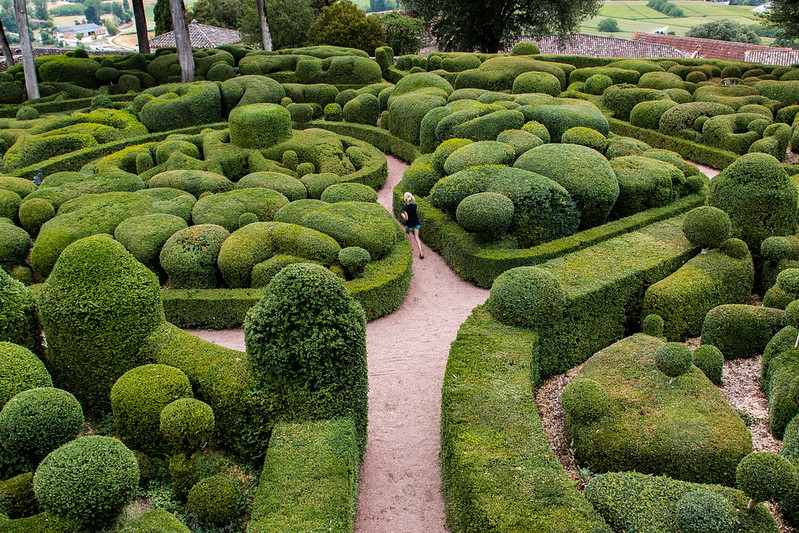
Gardens of Marqueyssac stretch across a hilltop above the Dordogne Valley and are widely praised for their sculpted greenery and sweeping viewpoints. Around 150,000 rounded boxwood shrubs flow across the grounds in curling patterns, circling paths and terraces near a 17th-century château. From above, the layout looks almost like a hand-drawn design set into the hillside.
Walking trails loop through shaded corridors and open lookouts, giving visitors changing angles over the river and valley below. The clipped hedges, stone walkways, and raised belvederes create a storybook mood without heavy ornament. It’s a place best enjoyed slowly, with time for short walks, photo stops, and long pauses at the cliffside viewpoints.
7. Paris
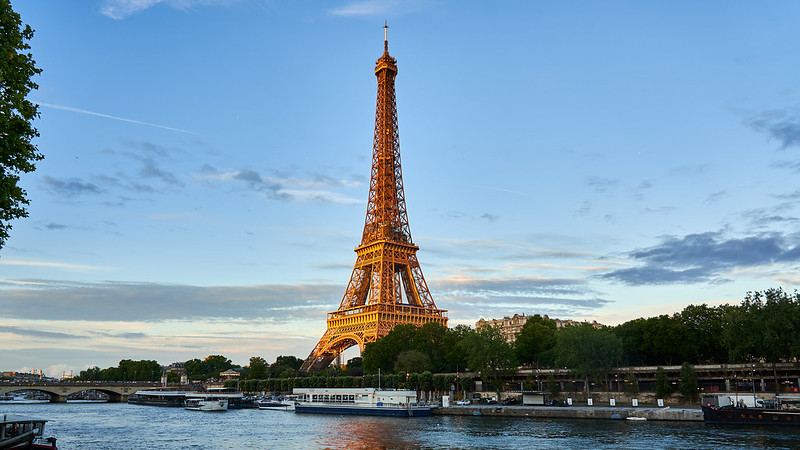
Paris works as a destination where the entire city feels like an attraction. The French idea of a flâneur — someone who walks slowly with no fixed goal — fits perfectly here. Streets, bridges, bookstalls, and corner cafés give you something to pause for every few minutes. A simple walk often turns into the main activity of the day.
Try a relaxed route along the Promenade Plantée, known as the first elevated park built on a former rail line. Later, pick up cheese, bread, and a bottle of wine for a lawn picnic in the Luxembourg Gardens. As evening sets in, many travelers head for an open viewpoint or riverbank to watch the sun drop behind the Eiffel Tower, closing the day with a classic Paris scene.
Read More: 9 Underrated Places in Paris Only Locals Know
8. Hôtel du Cap-Eden-Roc
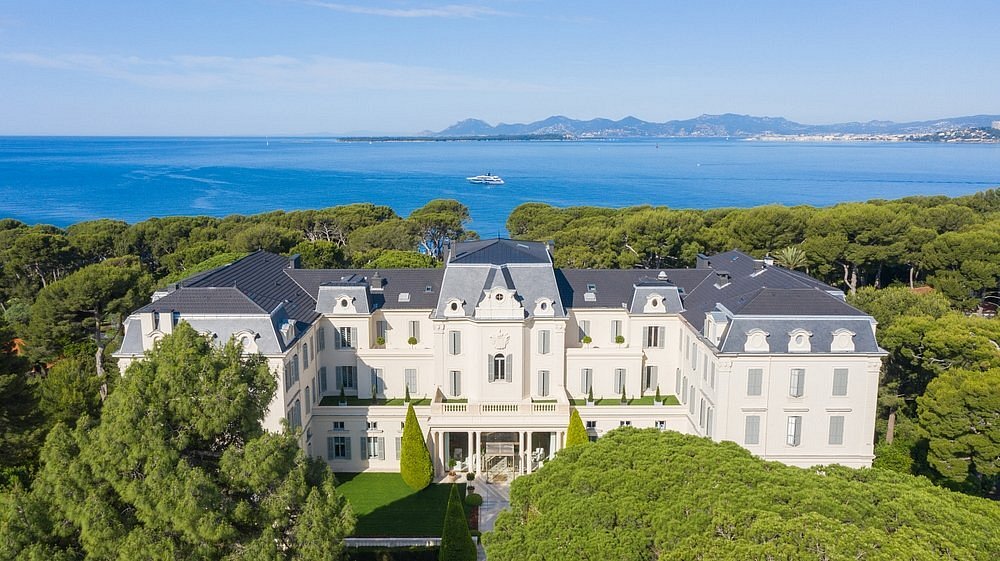
Hôtel du Cap‑Eden‑Roc is one of those rare hotels whose reputation alone can shape a travel plan. This Belle Époque property on the French Riviera has hosted artists, film stars, and heads of state for generations. Set along the rocky shoreline, the building faces open sea views, with terraces and stone platforms stepping down to the water.
Guests often come as much for the setting as for the stay itself. The oceanfront pool carved into the rocks, the Dior spa, and the flower-filled grounds create a refined yet relaxed atmosphere. Rooms frequently feature fresh-cut roses from the garden, adding a simple but memorable touch. It’s a classic Riviera address where scenery, history, and quiet luxury meet.
9. Burgundy
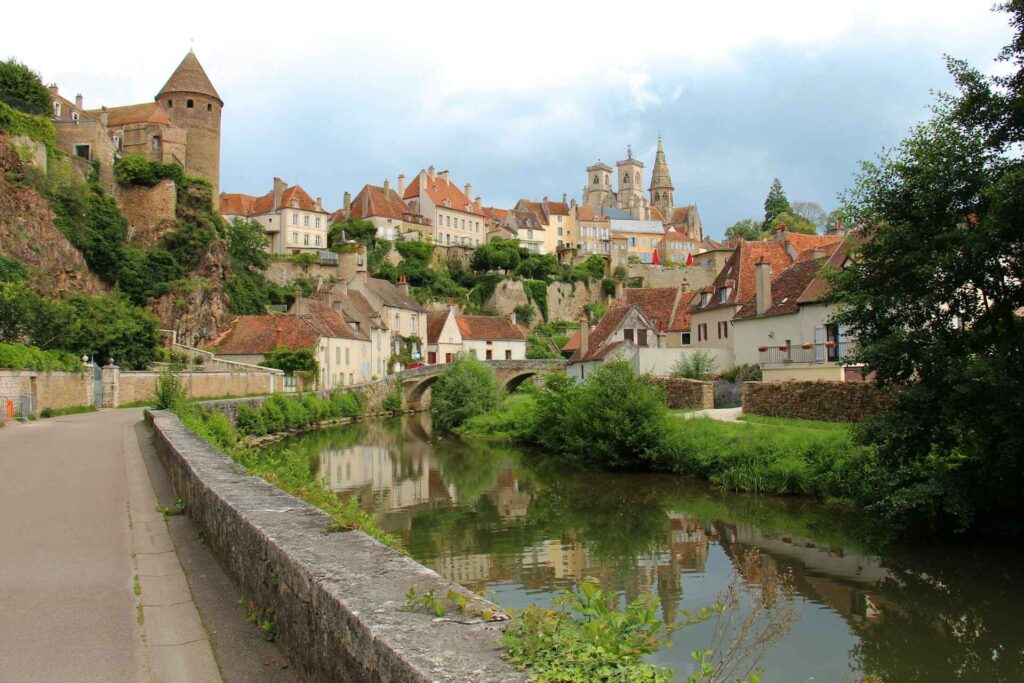
Burgundy is known for wide vineyard slopes, quiet farm roads, and protected forest parks that shift color with the seasons. The landscape moves in soft waves of green and gold, broken up by stone villages, old churches, and small market towns. It’s a region where the views feel open and steady rather than dramatic, making slow travel especially rewarding.
A road trip works well here. Country routes pass grape fields, cellar doors, and family-run wine estates where short tasting stops are easy to arrange. Between vineyard visits, travelers can pause in town squares for local dishes and regional cheeses. Burgundy suits those who prefer unhurried drives, rural scenery, and food-and-wine focused days.
10. Gordes
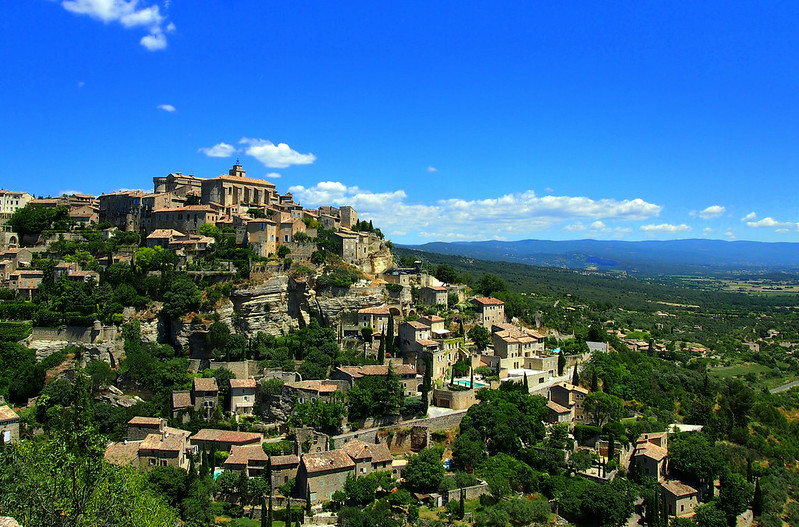
Gordes ranks among the most striking hill towns in Provence, built from pale stone and rising in layers above the valley floor. Houses and lanes follow the curve of the slope, creating a stacked, terrace-like form that catches warm evening light. From a distance, the whole village appears carved from the same block of rock.
Its high position makes it a strong pick for sunset views, with long sightlines across fields and low mountains. During summer, Gordes also works well as a base for visiting nearby lavender areas and rural markets. Days can be split between short village walks, scenic drives, and slow dinners on outdoor terraces overlooking the countryside.
11. Canal du Midi
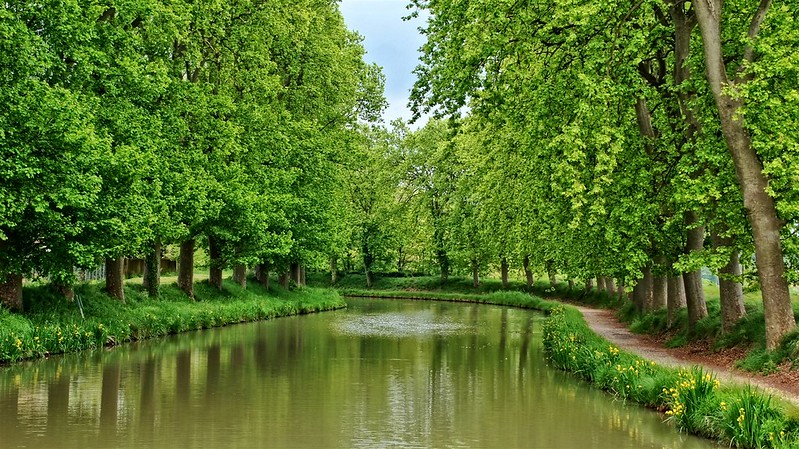
Canal du Midi is a 150-mile historic waterway that runs from Toulouse down to the Mediterranean coast. Long rows of plane trees border the channel, and old stone locks, arched bridges, and small ports appear at regular intervals. The pace here feels slow and steady, with boats moving quietly past villages and vineyard country.
You can walk or cycle along the banks, but time on the water gives a better sense of the route. River barges drift through the locks and open stretches, offering wide deck views and unhurried travel. Operators such as Belmond run multi-day barge cruises with comfortable cabins and onboard dining, turning the canal journey into a relaxed floating stay rather than a simple ride.
12. Mont Blanc
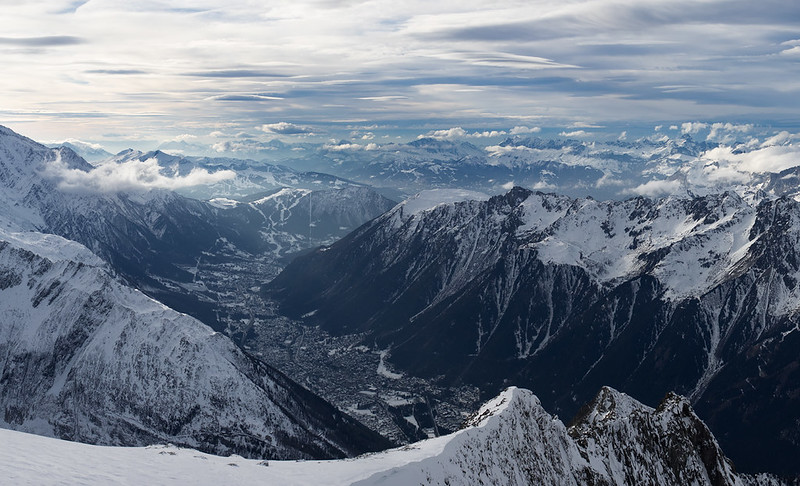
Mont Blanc stands as the highest peak in western Europe and is widely seen as the historic starting point of modern mountaineering. The massif rises sharply above surrounding valleys, with ice fields, serrated ridges, and long glacier tongues cutting through the rock. Its height and form give it a commanding presence that dominates the entire skyline.
The mountain area supports an active outdoor culture built around climbing, skiing, and high-altitude trekking. Towns in the nearby valleys serve as launch points for expeditions and scenic cable car rides. With its narrow spires and dramatic snow lines, Mont Blanc has long stirred the imagination of artists and writers who try to capture its sharp, cathedral-like outline.
13. Les Calanques National Park, Marseille
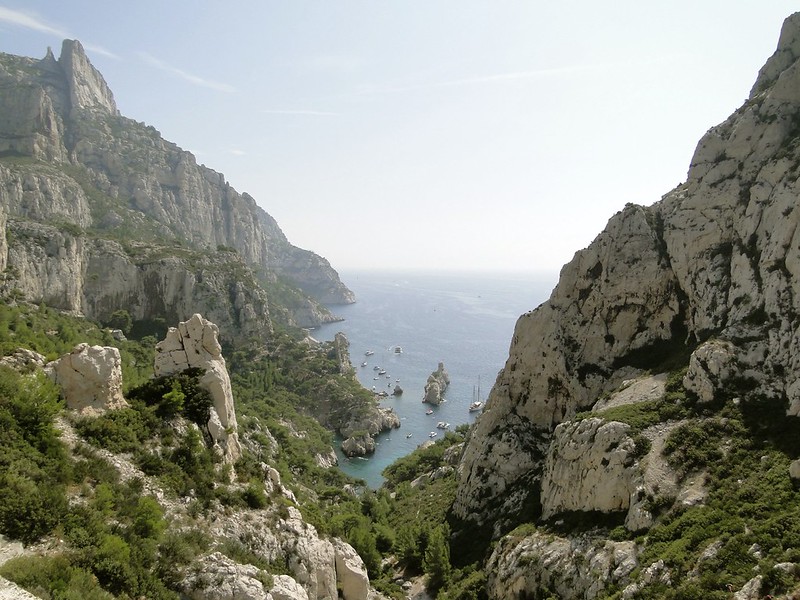
Calanques National Park stretches between Marseille and Cassis, where steep limestone walls break into the sea and form long, narrow coves. These rocky inlets often remind visitors of fjords, though the setting is fully Mediterranean, with dry hills, pale stone, and clear blue water. From above, the coastline looks sharply cut, with hidden beaches tucked between cliffs.
Boat trips are one of the best ways to see the formations up close, passing from cove to cove while the water shifts from deep blue to bright turquoise near the shore. Swimming spots and small landing areas appear along the route. After time on the water, many travelers return to town for a relaxed seafood meal by the harbor, rounding out a day that blends coastal views with simple local flavors.
14. Château de Chenonceau
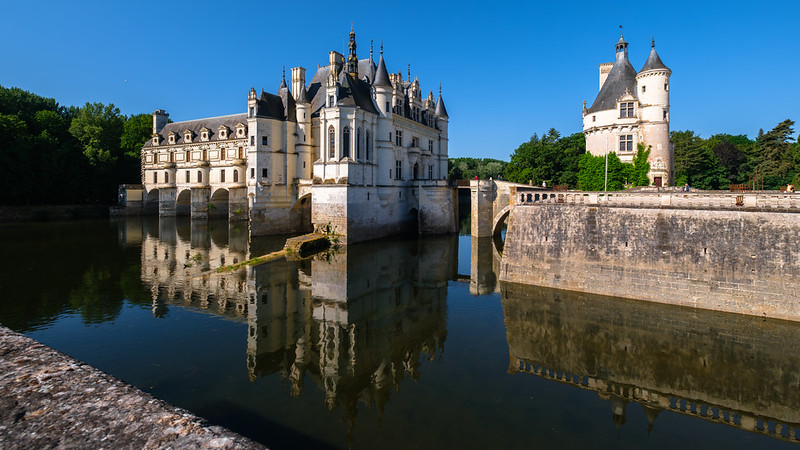
Château de Chenonceau is one of the standout castles of the Loire Valley, widely admired for its graceful design and river-crossing layout. Construction of the present château began in 1514 on the site of an earlier mill, and later additions created its famous arched bridge and long gallery stretching across the Cher River. The result is a structure that feels both elegant and bold from every angle.
The castle grounds include formal gardens, tree-lined paths, and wide lawns that frame the building from multiple viewpoints. Visitors can walk through richly decorated rooms, then step outside for riverbank views and photo stops beneath the arches. Because of its striking form and accessible location, Chenonceau ranks among the most visited historic sites in France and remains a highlight on many Loire Valley routes.
15. Champagne-Ardenne
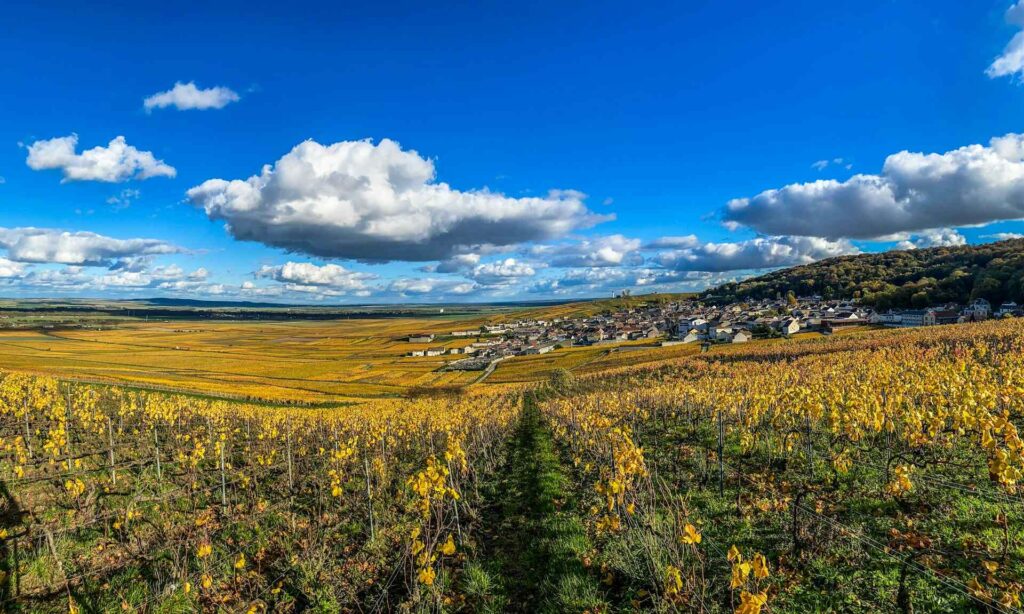
Champagne-Ardenne is best known as the home of sparkling wine, but the region offers far more than grape fields alone. Wide vineyard slopes mix with wooded areas, old religious sites, and fortified towns that date back centuries. The scenery shifts between farm country and historic centers, giving travelers a steady mix of rural views and architectural highlights.
Two cities often lead visitor plans here. Troyes draws attention for its medieval churches and half-timbered houses, while Reims is known for its grand cathedral and deep chalk wine cellars cut below the streets. Touring those underground galleries, then stepping back into sunlit town squares, gives the region a pleasant contrast between below-ground craft and above-ground history.
16. Palace of Versailles
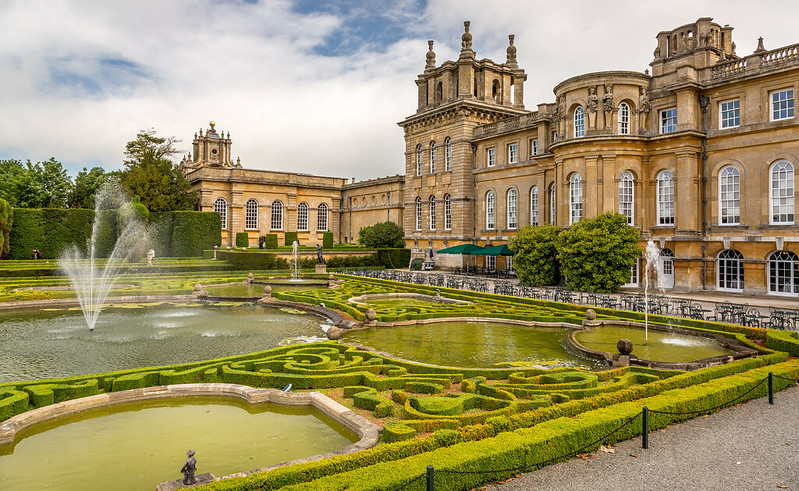
Palace of Versailles stands as one of France’s grandest royal landmarks, built as the 18th-century residence of King Louis XIV. The scale alone leaves a strong impression, with vast halls, detailed ceilings, and richly decorated rooms that reflect the power and taste of the French court. Architecture, painting, sculpture, and garden planning all come together here in one sweeping complex.
Inside, key highlights include the Queen’s bedchambers, filled with ornate fabrics and carved details, and the famous Hall of Mirrors, where crystal chandeliers and tall arched windows line a glittering gallery still used for state ceremonies. Outside, the grounds stretch for miles with geometric lawns, canals, and fountains arranged in precise patterns. A full visit often takes most of a day, with time split between palace rooms and long garden walks.
17. Château de Fontainebleau
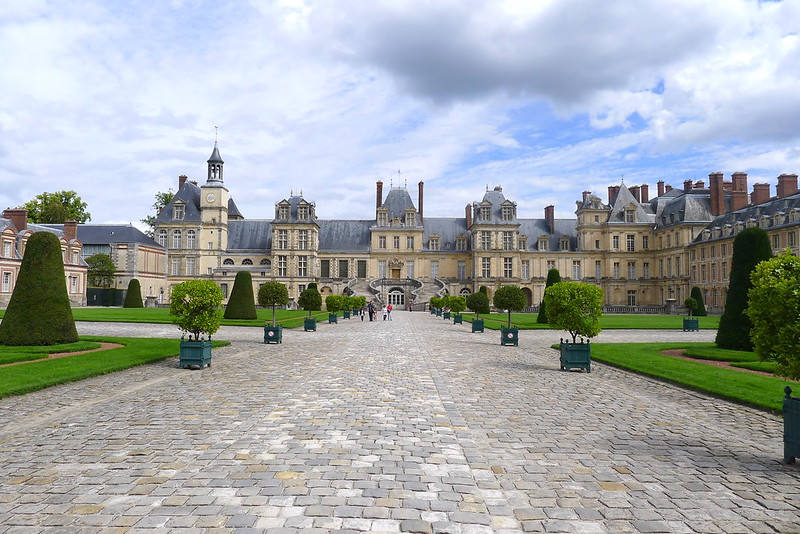
Château de Fontainebleau is a vast royal residence long linked with French rulers, including Napoleon, who favored it as a home and seat of power. The palace complex covers a large area and includes around 1,900 rooms, formal courtyards, and wide ceremonial halls. Its exterior presents a stately, balanced design, while the interiors move from richly decorated galleries to more intimate private apartments.
The surrounding park and gardens add another layer to the visit, with long canals, tree-lined paths, and open lawns suited for slow walks. Because the château sits less than an hour from Paris, it works well as a day trip for travelers who want grand history without a long journey. Many visitors pair a palace tour with time outdoors on the estate grounds before returning to the city.
18. Cliffs of Étretat, Normandy
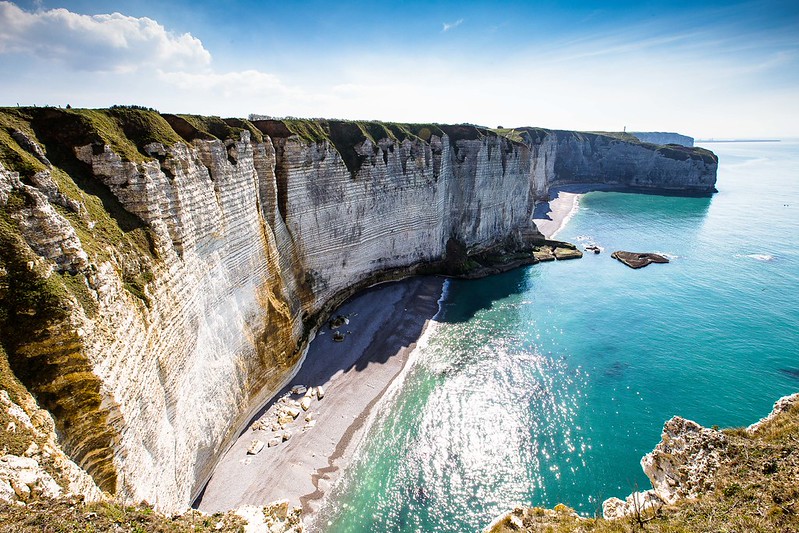
Cliffs of Étretat rise along France’s Alabaster Coast, where a pebble shoreline meets tall white chalk walls carved by wind and waves. The beach at Étretat draws sailors and surfers, but the towering rock faces and sea arches are the main attraction. From ground level, the scale feels dramatic; from the cliff paths above, the coastline opens into wide ocean views.
Across this long coastal stretch, erosion has shaped natural arches, pillars, and curved openings that look almost hand-cut. These formations have caught the attention of painters and writers for generations, including Claude Monet, who painted them in changing light and weather. A simple walk along the headland trails gives multiple angles of the rocks, each turn revealing a different coastal scene.
19. Sénanque Abbey
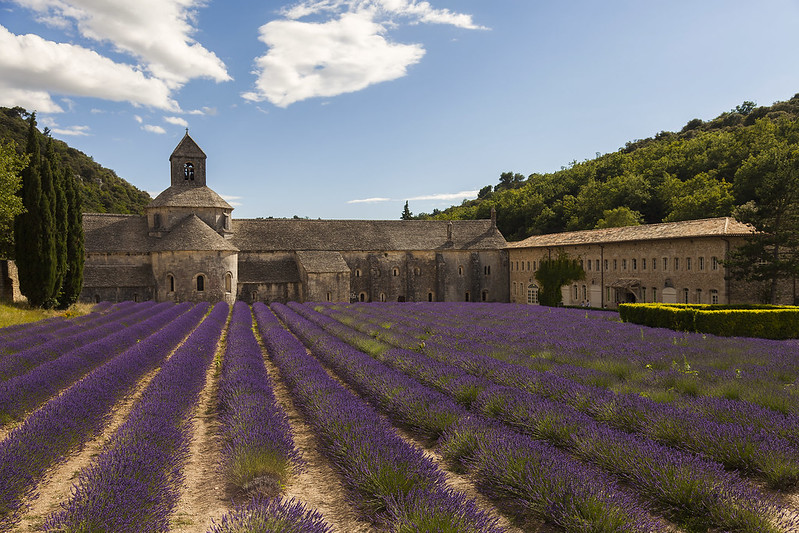
Sénanque Abbey sits near Gordes and is one of the best-known lavender viewpoints in Provence. The 12th-century stone church stands in a shallow valley, surrounded by long rows of fragrant purple blooms during early summer. Its pale grey walls and simple lines contrast sharply with the color of the fields, creating a scene that feels almost unreal at first glance.
The best months to visit are June and July, when the surrounding acres turn fully violet and the scent carries across the area. Walking paths and viewing points above the abbey give wide angles for photos and quiet pauses. The mix of old monastic architecture and seasonal flower fields makes this stop especially memorable on a Provence route.
20. Strasbourg Cathedral
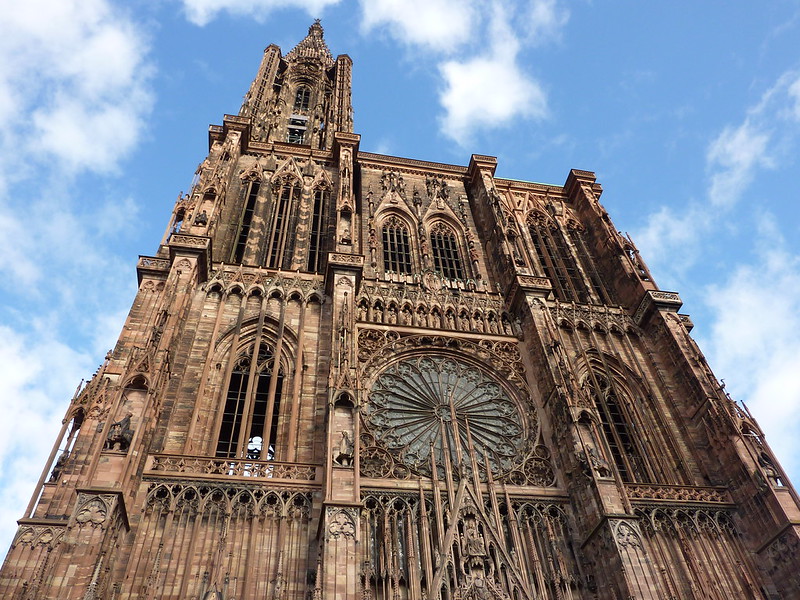
Strasbourg Cathedral is one of the most striking Gothic landmarks in eastern France, often called “The Pink Cathedral” because of its reddish sandstone walls. The color shifts with the light, appearing soft rose at sunrise and deeper copper near sunset. Heavy carvings, tall windows, and layered stonework give the exterior a highly detailed surface that draws attention from every side of the square.
Early designs planned for two matching spires, but only one tower was completed. That single soaring spire gives the church an unusual, slightly mysterious profile compared with other Gothic cathedrals. Inside, visitors find high vaults, stained glass, and a famous astronomical clock, making the building impressive both outside and within.
21. Colmar
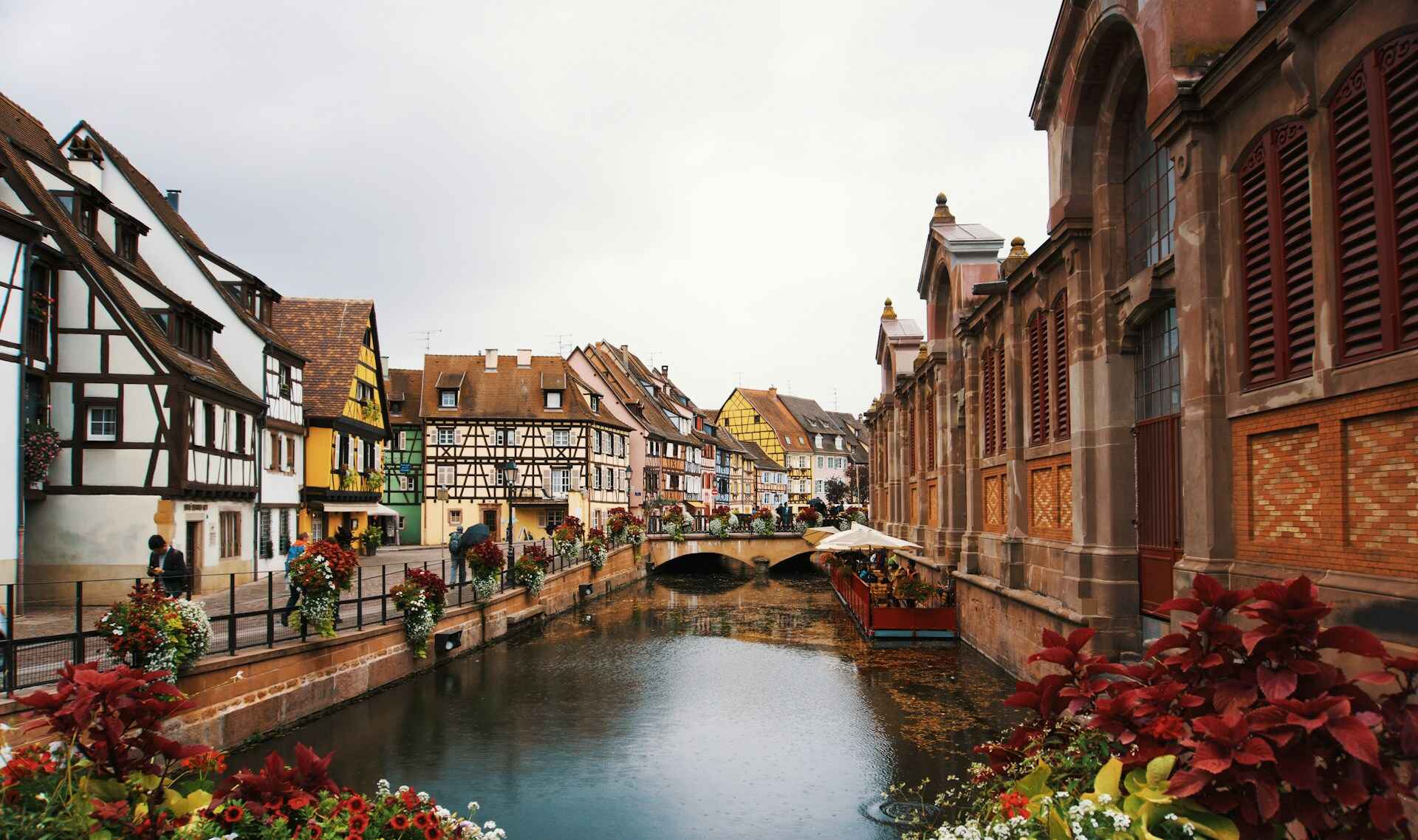
Colmar feels like a place imagined first and built later. Timber-framed houses lean gently over narrow lanes, painted in soft pastels and deeper tones that change with the light. Geraniums spill from windowsills, and reflections ripple across the canals, turning an ordinary walk into something quietly memorable.
Time moves at an easy pace here. You can wander across worn cobblestones, pause by the water, or glide along the canals in a small boat while everyday life unfolds around you. Nothing rushes you forward; the town invites lingering glances and unplanned turns.
Set near the borders of Germany and Switzerland, Colmar shares its spirit with nearby towns like Kaysersberg and Strasbourg, yet keeps its own personality intact. This corner of Alsace blends history, color, and calm in a way that feels effortless, offering a town that stays with you long after you leave.
Related Posts: