
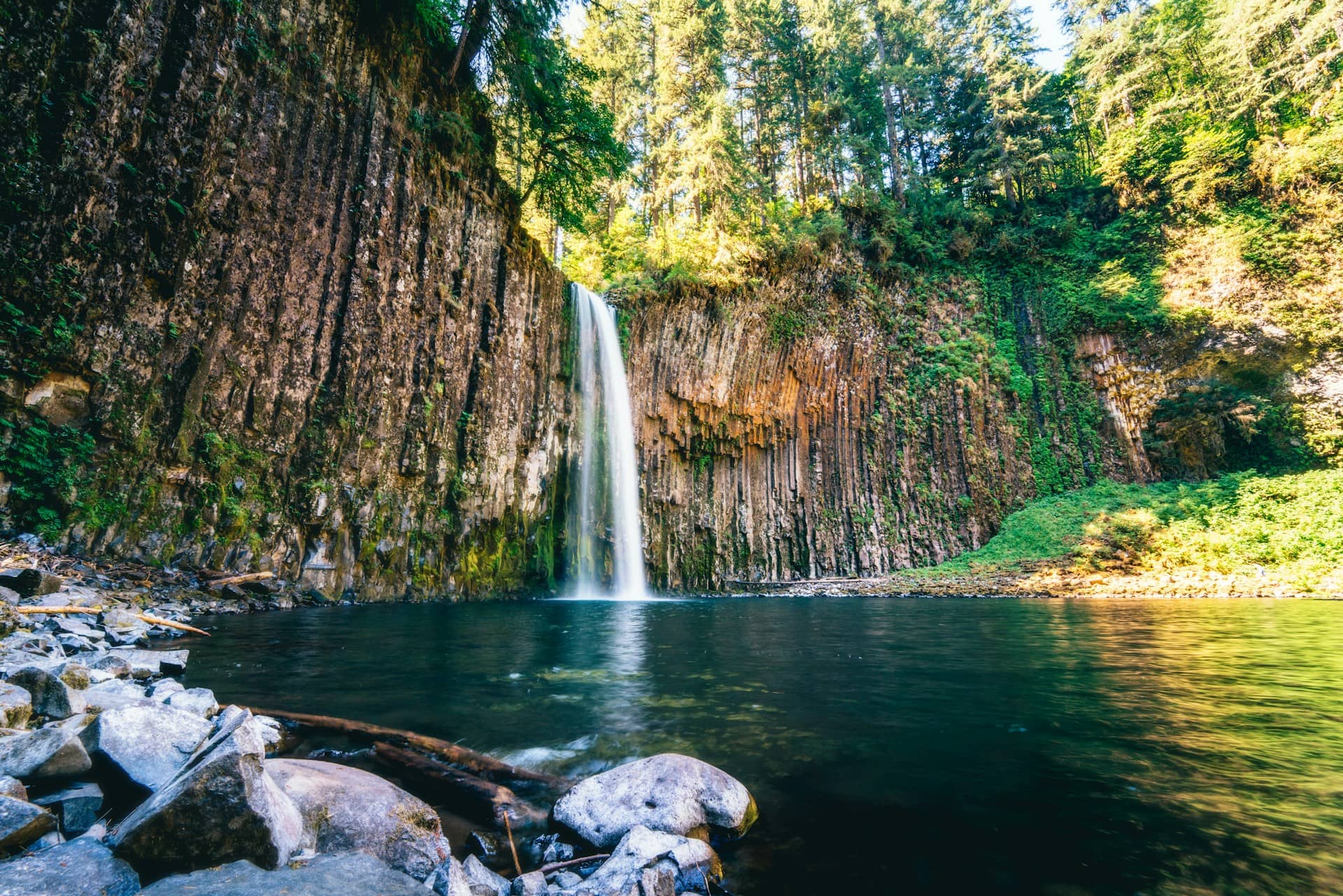
When you’re raised in Oregon, something subtle yet undeniable happens—you grow roots that never quite let go.
Even after chasing bucket-list dreams across Europe for an entire month (yes, it was incredible), stepping off the plane at PDX brought an unexpected rush of relief. No matter how breathtaking another place may be, Oregon has a way of calling you back.
So, while I was away and feeling a little heartsick, I started jotting down all the spots I longed for most. Some were obvious—others were half-forgotten gems that crept into memory like familiar scents from childhood.
Since then, I’ve expanded the list based on kind folks who reached out with suggestions. Have a favorite of your own? Drop it in the comments—others might appreciate the tip!
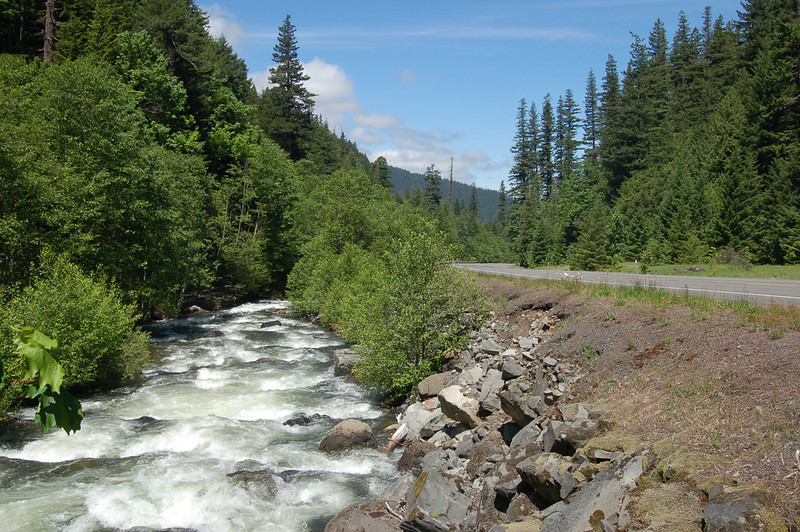
Let’s get to it. Here’s my carefully gathered (and ever-growing) list of beautiful places in Oregon that never stop pulling me home.
Helpful Tips for Visiting the Most Beautiful Places in Oregon
Tread Lightly: Follow the Leave No Trace Principles
Being a thoughtful guest in nature matters. The Leave No Trace guidelines offer seven straightforward ways to minimize your impact. Whether you’re deep in the forest or relaxing near a waterfall, following these practices keeps Oregon’s wild places healthy and welcoming for everyone. Read more about the 7 principles here.
Your Skin’s Best Ally: Sunscreen That Actually Works
Sun protection isn’t optional—it’s essential, even on cloudy days. I’m borderline obsessed with this particular sunscreen I picked up in France (so are 5,000+ other glowing reviews). It blends in cleanly, no odd scent or greasy finish. I never head out without it—and neither should you.
Boots That Grip, So You Don’t Slip
Oregon’s trails may be scenic, but they’re also riddled with exposed roots and slick sections. Even on mellow hikes, it’s easy to trip if your footwear isn’t up to the task. My go-to boots have excellent tread and ankle support—I’d wear them to bed if that were socially acceptable.
Wilderness Permits: Free, Fast, and Important
At some trailheads, you’ll notice permit stations—don’t skip them. These forms take seconds to complete and play a key role in monitoring trail use and assisting rescue operations. They’re also completely free, so there’s no excuse to ignore them when they’re available.
Respect the Trail—Stick With It
It can be tempting to veer off and blaze your own path, especially when a shortcut looks inviting. But those side paths (also known as social trails) damage fragile habitats and can disrupt ecosystems. Do your part by staying on the official route—it protects plants, animals, and even your own safety.
The Most Beautiful Places in Oregon
1. Toketee Falls
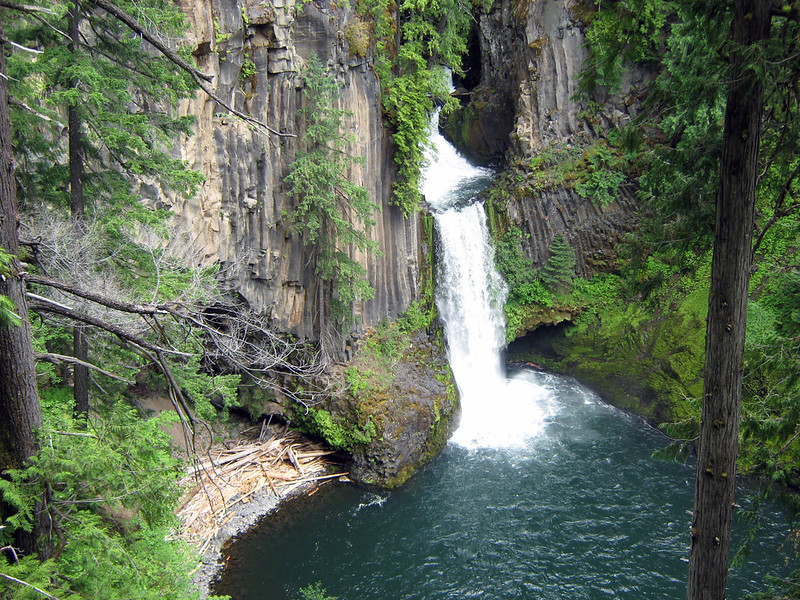
Oregon doesn’t just have waterfalls—it excels at them. While plenty scatter the state’s rugged terrain, Toketee Falls stands apart for reasons that go beyond height or volume.
Tucked away in Douglas County, Toketee (a name derived from a Chinook term meaning “graceful”) lives up to its heritage with a double drop that plunges 113 feet into a deep, clear basin below. The basalt columns framing the falls add a dramatic edge that makes this place feel straight out of a storybook.
It’s not the tallest or loudest, but something about Toketee’s setting, symmetry, and glimmering pool captures a rare kind of beauty. This isn’t just a waterfall—it’s a place that leaves a lasting impression.
A short, well-worn trail leads you to a viewpoint that leaves no doubt: Toketee belongs on any list of Oregon’s most breathtaking spots.
2. Samuel H. Boardman State Scenic Corridor
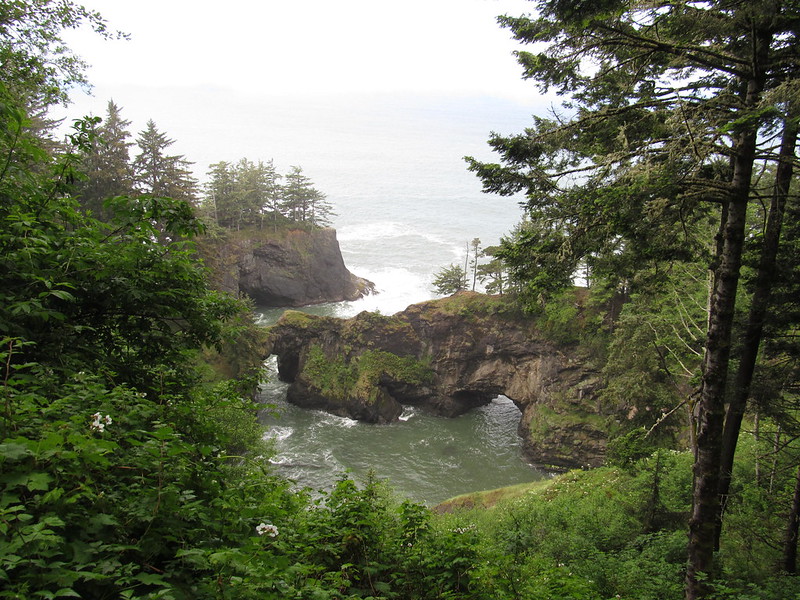
There’s a stretch of the southern Oregon coast that feels like it was pulled from a dream—and that stretch is called the Samuel H. Boardman State Scenic Corridor.
Here, colossal sea stacks and arching bridges rise from the Pacific, their surfaces crowned with windswept evergreens. Moss coats nearly every surface, and mist from crashing waves adds a veil of drama to the already striking landscape.
Though the entire corridor offers one jaw-dropping view after another, the crown jewel is the Natural Bridges Viewpoint Trail. It’s short but powerful—leading you to a frame-worthy overlook where rugged formations connect above turquoise tidepools like nature’s own sculpture.
This spot is more than scenic. It humbles you. It reminds you how fierce, raw, and unexpectedly lyrical the Oregon Coast can be.
Out of all the trails lining the shoreline, this one never fails to stop me in my tracks. If you’re road-tripping the southern coast, it’s worth pairing this stop with a few scenic small towns in Oregon that make the journey even more memorable.
3. Cape Kiwanda
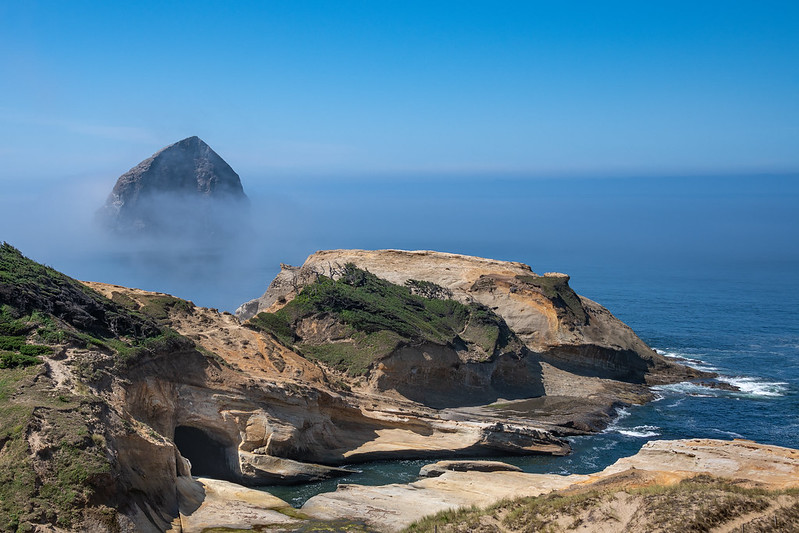
There’s something effortlessly calming about Cape Kiwanda—a place where ocean breeze meets golden dunes, and time seems to idle with the tide.
This coastal gem sits beside a quiet town known for its laid-back charm, wide sandy stretches, and winding trails that climb over sandstone bluffs and grassy ridgelines. It’s the kind of place where you don’t need an itinerary—just a blanket, some snacks, and maybe someone whose company makes the view even better.
Cape Kiwanda strikes a sweet balance between outdoor adventure and simple pleasures. The dunes invite spontaneous climbs and barefoot slides, while the headlands deliver panoramic views that make you pause and just take it all in.
Parts of the landscape—especially during golden hour—remind me of Italy’s Tuscan hills, only this time with the ocean murmuring in the background. And if you’re a fan of craft beer, one of the best breweries along the coast is just a short stroll away.
Whether you’re chasing sunsets or taking slow, sandy walks, Cape Kiwanda feels like an invitation to breathe a little deeper and stay a little longer. And if you continue north along the coast, Seaside offers plenty of charm – especially if you’re looking for things to do in Seaside Oregon with kids or couples.
4. Hells Canyon
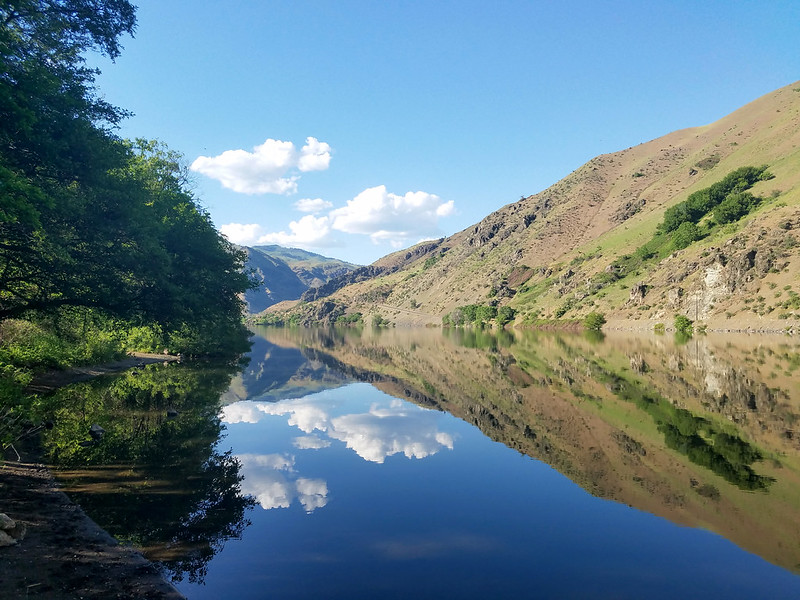
Don’t let the name fool you—Hells Canyon is less about fire and brimstone and more about awe-inspiring wilderness. It’s one of those rare places that stuns you into silence the moment you arrive.
Straddling the Oregon–Idaho border, this canyon is carved by the relentless Snake River, which twists and winds through sheer rock walls. The depth alone is staggering—7,913 feet, making it the deepest canyon in North America, nearly 2,000 feet deeper than the Grand Canyon itself.
But it’s not just numbers that make this place extraordinary. The mix of rugged cliffs, rolling plateaus, and a mighty river creates a setting that feels raw yet inviting. Whether you’re hiking, rafting, or simply soaking in the views, the scale of Hells Canyon reminds you how small we all are in comparison to nature’s handiwork.
It may be intimidating by name, but the experience is nothing short of unforgettable.
5. Hood River Lavender Farms
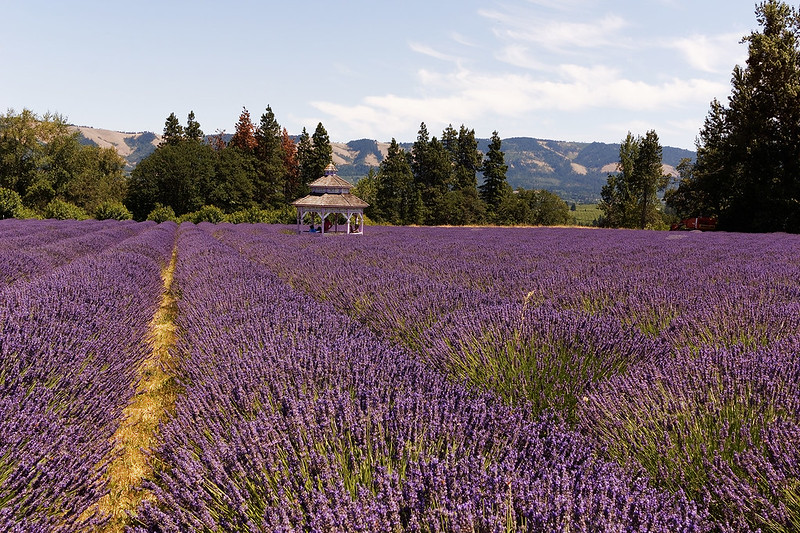
People rave about the lavender fields of Provence—and rightfully so—but you don’t have to cross an ocean to find rows of fragrant blooms set against a jaw-dropping backdrop. Hood River delivers its own version, and it’s every bit as unforgettable.
Come midsummer, the hills near Hood River burst into shades of violet and indigo, drawing in photographers, pollinators, and daydreamers alike. Bees hum softly from blossom to blossom, and Mt. Hood rises in the distance like a quiet sentinel, adding a dramatic edge to the otherwise gentle landscape.
Wandering through these fields is a sensory treat: the scent clings to your clothes, the sun warms your back, and the colors seem almost too vivid to be real. It’s the kind of place where you pause for a photo and end up staying longer than planned—because honestly, it’s hard to leave.
France may have the fame, but Oregon has the soul. And when the lavender’s in bloom, Hood River makes a strong case for being one of the most beautiful corners of the state. Since Hood River is an easy day trip, you can also pair it with some of the best things to do in Portland Oregon before heading back.
6. The Willamette Valley

Oregon has long been a magnet for outdoor lovers—and with good reason. Towering mountains, wild coastlines, and high desert plains all converge in one state. But adventure doesn’t end when the trail does.
Because after a long hike or a scenic drive, there’s nothing quite like sitting down with a glass of wine—and the Willamette Valley delivers on that front, big time.
This stretch of fertile land, dotted with more than 500 wineries, has earned global recognition for its pinot noirs. Positioned along the same latitude as famed French wine regions, the valley shares similar growing conditions—and the results are nothing short of impressive.
What sets the Willamette apart isn’t just the quality of the wine, but the way it’s experienced. Think rolling vineyards, wide skies, and the occasional Mt. Hood silhouette in the distance. Whether you’re sipping a crisp white in July or enjoying a bold red under autumn leaves, the view pairs well with just about everything.
This region isn’t simply about wine; it’s about pause. About flavor, scenery, and the kind of slow, grounded moments that linger in memory.
You may enjoy reading: The 10 Most Beautiful Wineries in the Willamette Valley
7. Sparks Lake
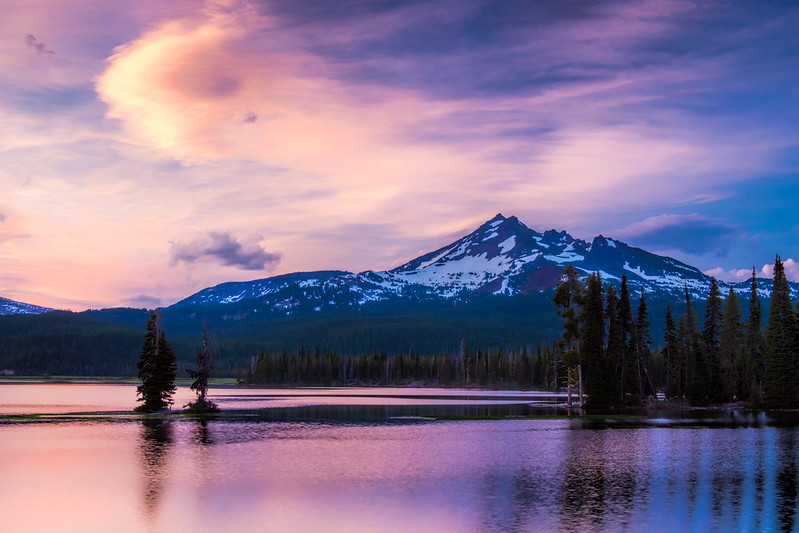
The first time I visited Sparks Lake, I wasn’t convinced. My now-husband had hyped it up the entire drive from Portland to Bend, claiming it was the most breathtaking lake he’d ever laid eyes on—and he’s seen plenty. I nodded along, skeptical but curious.
At first glance, it was lovely. A calm lake framed by distant peaks, trees mirrored on still water. Nice, sure. But then we drove around to the far side. The light shifted. And as the sun dipped behind South Sister and Batchelor, the entire scene changed. Sky on fire, water glowing, silence all around. That was the moment I got it.
There’s a viewpoint here etched with the words of photographer Ray Atkeson: “It has a beauty all its own.” Somehow, that short phrase says everything without trying too hard. Sparks Lake doesn’t shout—it hums quietly and pulls you in.
It’s not just a spot to take a photo. It’s a place where stillness wraps around you, where the colors feel almost surreal, and where time seems to stretch just a little longer.
You might enjoy: 15 of My Favorite Things to Do in Bend, Oregon
8. The Wooden Shoe Tulip Farm
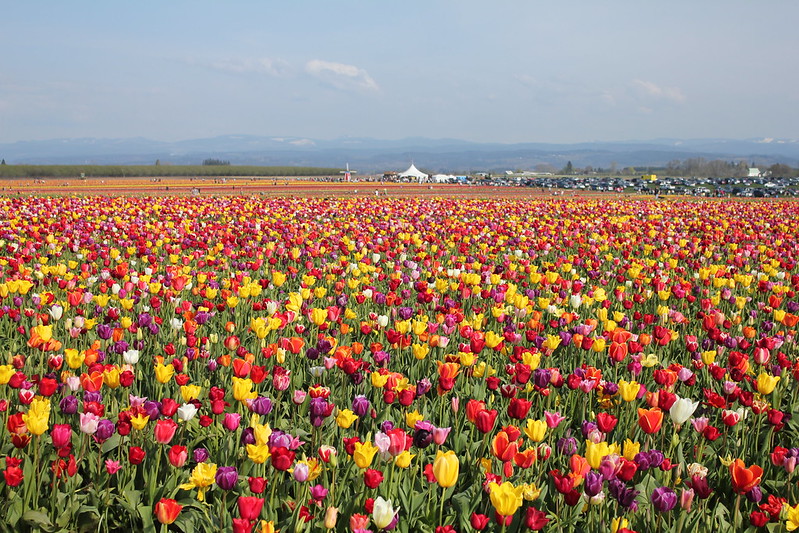
A trip to the Netherlands for tulip season may top many travel wishlists—but Oregon offers its own bloom-filled wonderland each spring that’s often overlooked.
Enter the Wooden Shoe Tulip Festival, held annually in Woodburn. For a few weeks each year, this family-run farm transforms into a floral mosaic with 15 acres of tulips stretching across the valley floor like an artist’s palette. It’s colorful. It’s bold. And yes—it feels a bit surreal.
What began in the 1950s as a small effort by Ross and Dorothy Iverson to support their six children through college has become a beloved local tradition. The festival welcomes thousands of visitors who wander among the rows, coffee in hand, camera at the ready.
If you can, arrive early. Morning light adds a golden hue to the petals, and if you time it right, you might catch hot air balloons drifting silently overhead—a scene that feels plucked from a storybook.
While peak bloom depends on the weather, mid-April usually delivers the best display. Come for the flowers, but stay for the atmosphere. This place doesn’t just impress—it lingers.
Read More: Visiting the Wooden Shoe Tulip Festival
9. The Painted Hills
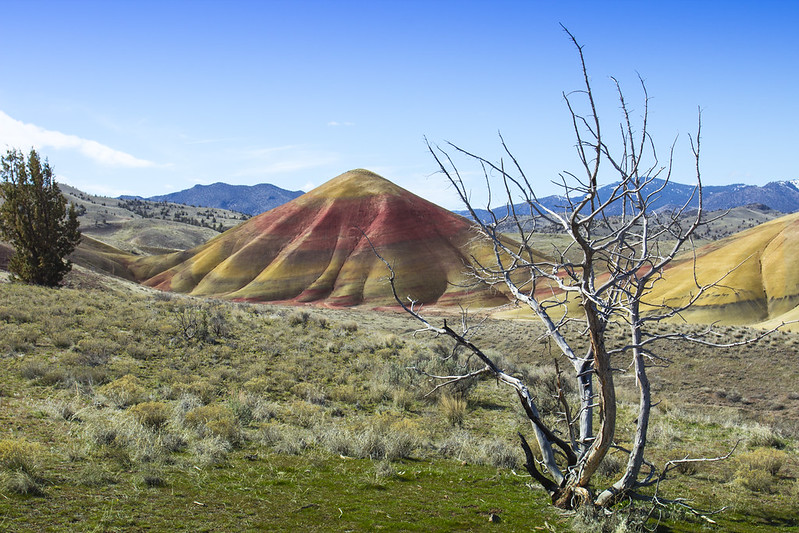
Among Oregon’s natural marvels, the Painted Hills stand apart with a landscape that feels almost unreal. Part of the John Day Fossil Beds National Monument, this section of central Oregon draws visitors who want to see what time, ash, and minerals can create when left to work together for millions of years.
Walking the trails here feels like stepping into another world—Mars, perhaps. The hills ripple with bold bands of crimson, saffron, and copper, interspersed with softer strokes of green and gray. Each stripe represents a different chapter in Earth’s history, built up through layers of volcanic ash and shifting minerals.
Geologists see the Painted Hills as a textbook on stratigraphy, but you don’t have to be a scientist to be moved. Stand in front of them at sunrise or sunset, when the colors glow even more intensely, and you’ll understand why this place is listed among the Seven Wonders of Oregon.
The Painted Hills don’t just catch your eye—they leave you with the strange and thrilling sense that you’ve briefly walked on another planet.
10. The Alvord Desert
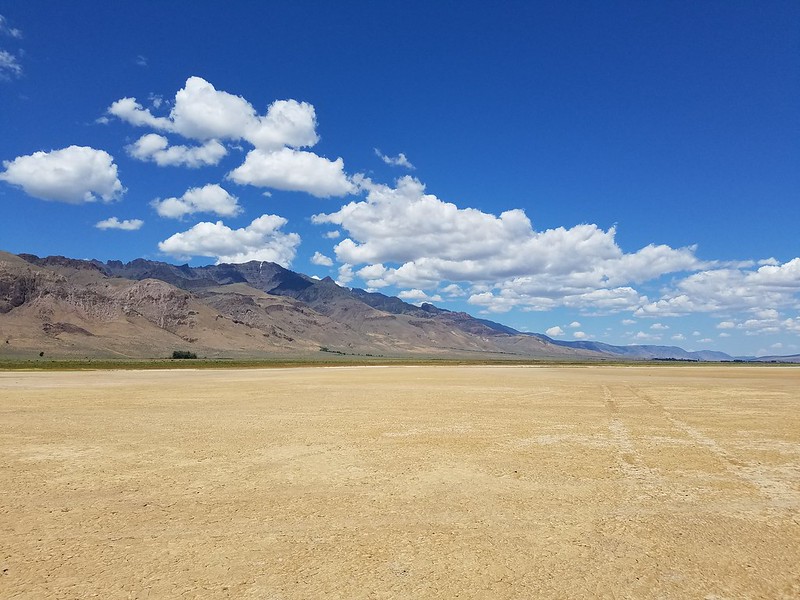
The first time I set foot on the Alvord Desert, I had to remind myself I was still in Oregon. A state known for green forests and snow-draped mountains doesn’t exactly scream desert, yet here it is—flat, vast, and endlessly striking.
This dry lake bed, stretched beneath the Steens Mountain, offers an otherworldly kind of quiet. During summer nights, unusual light displays—locals call them The Happening—flicker across the horizon, baffling and enchanting anyone lucky enough to witness them. It’s part science, part mystery, and completely mesmerizing.
What makes the Alvord even more memorable is the freedom it gives. You can literally drive onto the cracked desert floor, park wherever feels right, and camp beneath skies so crowded with stars it feels like the universe tipped over. No trailheads, no fences—just raw openness.
The Alvord Desert may seem unexpected for Oregon, but it’s exactly that contrast which makes it unforgettable.
11. Multnomah Falls
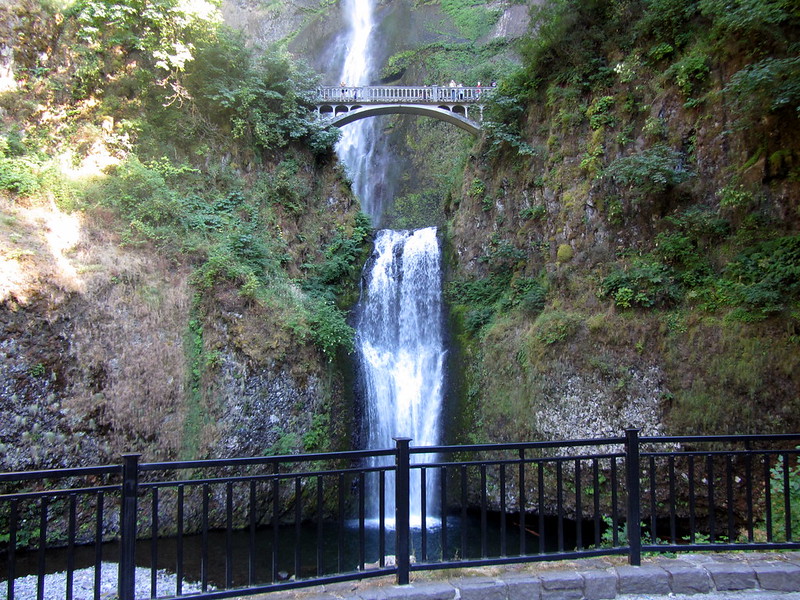
If Oregon had a postcard image, Multnomah Falls would likely be it. Famous across the state and beyond, this two-tiered waterfall has a way of commanding attention the moment it comes into view.
Dropping 620 feet in total, it holds the title of Oregon’s tallest waterfall. The roar, the spray, and the sheer height combine into an experience that photos never quite capture. Standing at the base, you realize just how small you are compared to nature’s scale.
A short hike brings you to Benson Bridge, the iconic span that cuts across the cascade for an even closer perspective. From here, the force of the water feels almost within reach, and the view back down the Columbia River Gorge is just as rewarding.
Because the falls are only about 30 minutes from downtown Portland, they’ve become one of the most popular day trips in the region. Yes, it gets crowded—especially after 9 a.m.—but the moment you stand before that curtain of water, you’ll know why people keep coming. It’s a sight that never loses its impact.
12. Owyhee Canyonlands
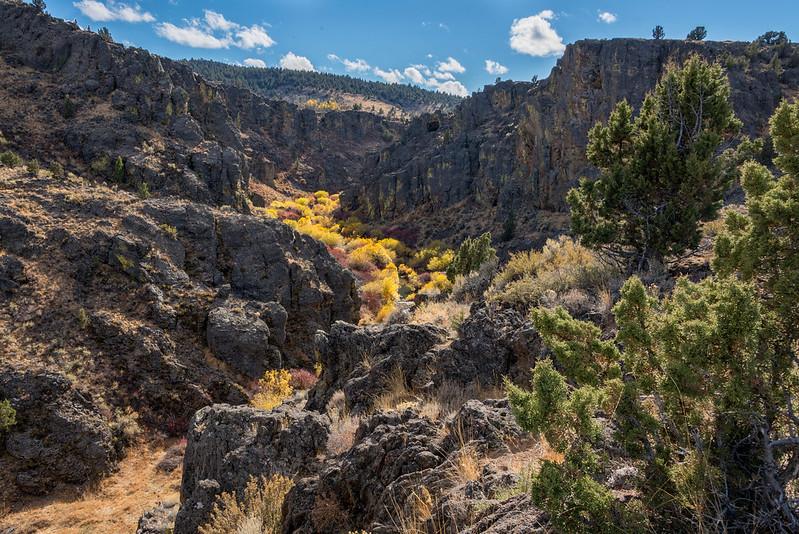
For those craving solitude, the Owyhee Canyonlands in Oregon’s far southeast corner deliver it in spades. Often called the “Grand Canyon of Oregon,” this vast expanse is remote enough that few locals ever make the trek, which only adds to its appeal.
The landscape here is wild and wide open, with jagged cliffs, winding rivers, and trails that seem to stretch endlessly without another soul in sight. Hiking in the Owyhee feels different—it’s not crowded, it’s not noisy, it’s just you and the land. Leslie Gulch is a standout, with its dramatic rock formations, and the Juniper Gulch Trail is a must for anyone eager to see the region’s rugged beauty up close.
On our first trip, we underestimated just how much there was to experience. The area is brimming with hikes, hidden canyons, and opportunities for camping under skies that look endless. It left us knowing we’d be back—and soon.
If you’re willing to make the journey, the Owyhee Canyonlands will reward you with a raw, unforgettable corner of Oregon that feels like it belongs entirely to you.
13. Smith Rock State Park
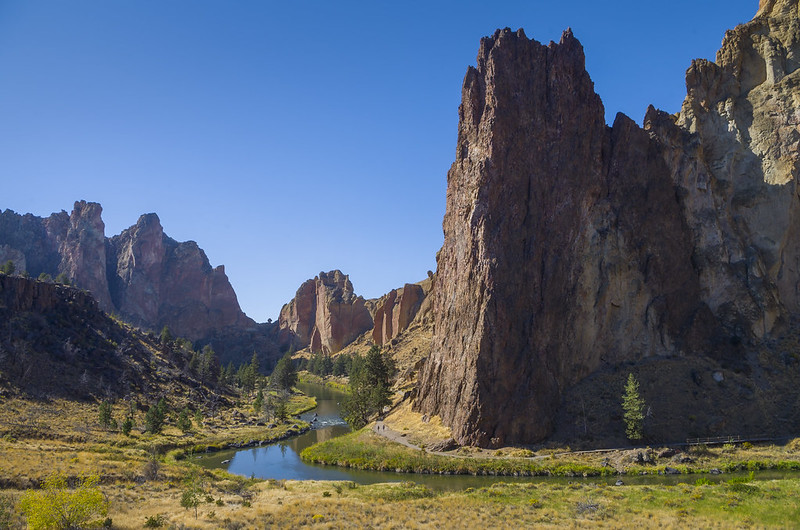
When I first saw photos of Smith Rock, I assumed they were heavily edited. Towering spires and jagged cliffs rising out of a desert plain? It looked too unreal to exist just a few hours from Portland. And yet, there it was.
These dramatic rock walls carve out a canyon where the Crooked River winds quietly below, while climbers cling to the cliffsides like tiny specks. The backdrop of the Cascade Range only adds to the striking contrast. Anyone who has walked its trails will agree—Smith Rock belongs on every list of Oregon’s most remarkable places.
Of the many hikes, the Misery Ridge Trail is the park’s crown jewel. The name hints at the steep first mile, but once you crest the summit, the payoff erases any complaint. From there, Monkey Face—the park’s famous rock pillar—looms large, and the views stretch endlessly. For a gentler option, the River Trail offers sweeping perspectives without the burn in your legs.
If you can, go early. Sunrise paints the cliffs in warm light, and with fewer crowds, the quiet feels almost sacred. We hiked Misery Ridge at dawn, watching hot air balloons float across the horizon as the sun spilled into the valley below. It’s a scene that stays with you long after you’ve left.
14. Ramona Falls
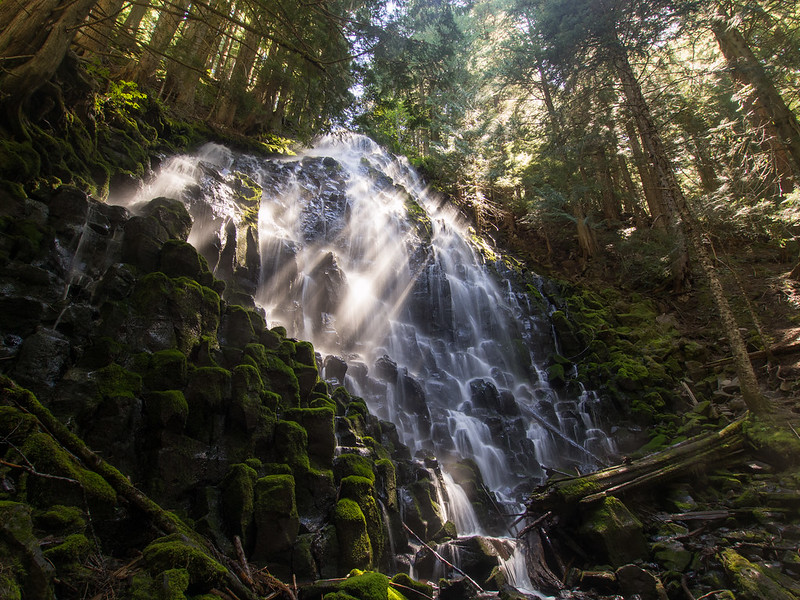
Mention Mt. Hood National Forest to an Oregonian, and odds are good they’ll point you toward Ramona Falls. This cascade, fanning delicately over moss-covered rock, has earned its place among the state’s most admired sights.
The hike begins in the Mount Hood Wilderness and winds along the Sandy River for much of its 7-mile round trip. The sound of rushing water keeps you company as the trail dips in and out of shaded forest, offering glimpses of the mountain through the trees.
Getting there isn’t without effort. A bridge that once spanned the Sandy River was washed away, leaving hikers to balance across logs or wade through shallower spots. It adds a bit of grit to the journey, but that challenge makes the arrival feel all the more rewarding.
Summer is the most popular season to visit, and for good reason. After a few hours on the trail, stepping into the cool mist at the base of Ramona Falls feels nothing short of refreshing. It’s a payoff that stays etched in memory—and keeps people returning year after year.
15. The Columbia River Gorge
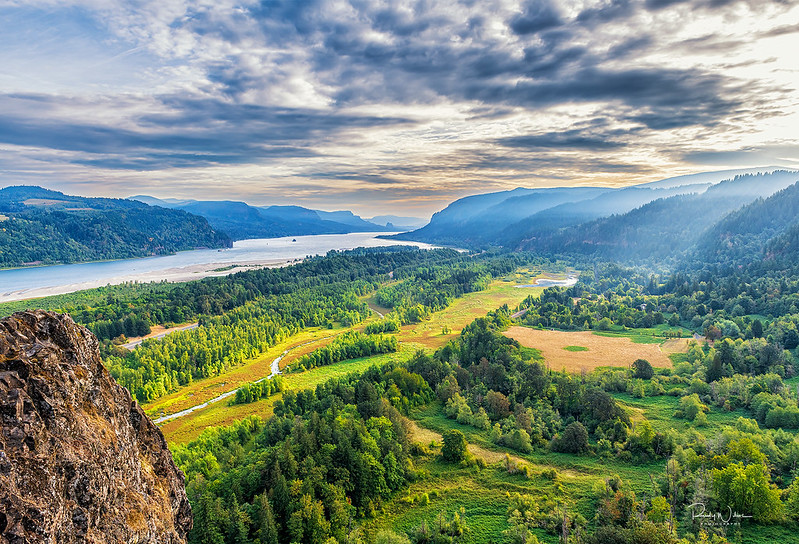
The Columbia River Gorge holds the distinction of being America’s largest National Scenic Area—and once you’ve driven through its sweeping cliffs and winding river views, you’ll understand why the recognition is more than deserved.
The historic Columbia River Highway, often referred to as the “King of Roads,” was the first scenic highway in the United States to earn the title of National Historic Landmark. At the time of its construction, it was designed with a rare vision: to work with the natural landscape rather than overpower it. The result is a roadway that feels like it belongs to the land itself.
As you drive along, the highway clings to the Columbia River, revealing one waterfall after another – each one demanding a stop. Multnomah Falls, of course, is the most famous, and skipping it is practically a sin; no one will believe you visited otherwise.
Beyond the drive, the Gorge offers its own rewards. Summer evenings in Hood River are best spent at local wineries, glass in hand, watching the sun sink behind Mt. Hood. With every sip and every view, you’re reminded why this stretch of Oregon is considered one of its finest treasures.
Read More: 18 Relaxing Wineries in the Columbia River Gorge
16. Mt. Hood National Forest
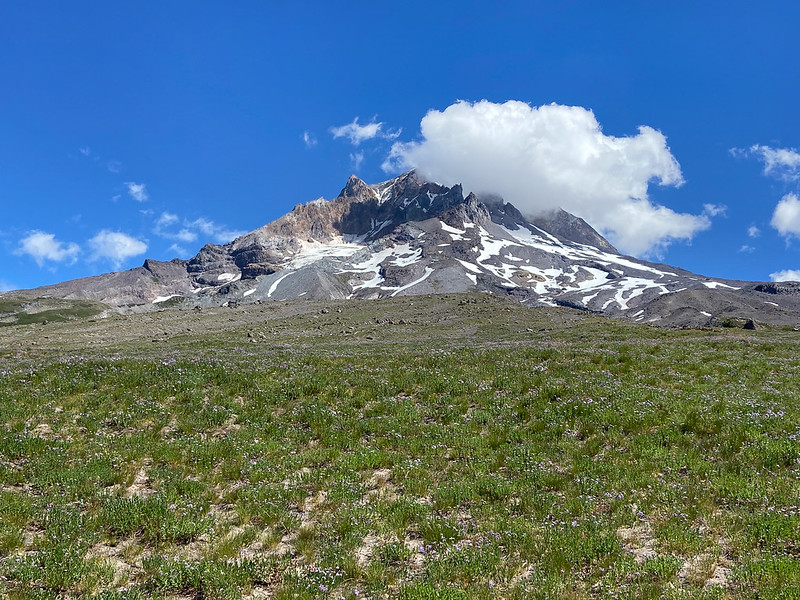
Ask almost anyone in Oregon to name their favorite places, and Mt. Hood National Forest will surface again and again. Its presence dominates the skyline, and its trails, lakes, and forests have a way of drawing people back season after season.
Rising 11,250 feet, Mt. Hood claims the title of Oregon’s tallest volcano and the fourth highest peak in the Cascade Range. Thankfully, this mountain sleeps quietly these days—though its size and snowcapped crown serve as a reminder of its fiery past.
For skiers and snowboarders, Mt. Hood offers something rare: America’s only year-round ski resort. That means you can carve fresh lines on its slopes in July, then trade your gear for hiking boots and trek into alpine meadows the very next day.
The forest surrounding the mountain is just as remarkable. Trails leading to McNeil Point, Paradise Park, and Elk Meadows showcase some of the most rewarding views anywhere in the state, from wildflower-carpeted valleys to sweeping panoramas of glaciers.
And here’s a fun fact that might surprise you: Mt. Hood is the third most climbed mountain in the world. Whether you’re here to hike, ski, or simply admire it from afar, it’s a place that always manages to impress.
17. Steens Mountain
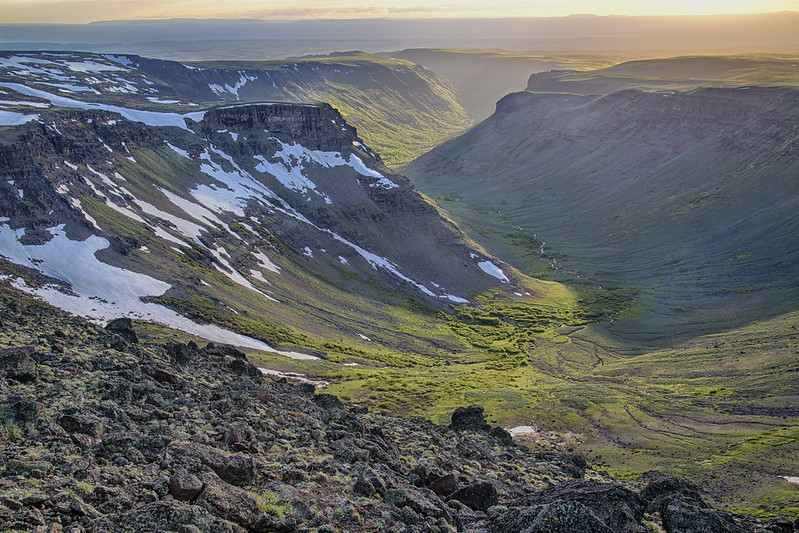
Steens Mountain rises above southeastern Oregon like a giant fortress of stone, holding a power that’s hard to put into words. At 9,733 feet, it dominates the horizon, pulling you in with views that make you want to linger far longer than planned. Many who come here leave with the same thought: they need to return.
The mountain feels almost detached from the desert surrounding it, standing apart as though it were an island of rock and alpine meadows in a sea of sagebrush. Trails snake up and around its ridges, leading to vistas where the ground seems to fall away beneath you. From these heights, you can gaze down on the vast Alvord Desert stretched out in silence below.
Part of the appeal is the remoteness. Isolation here isn’t a drawback—it’s the gift. The combination of staggering cliffs, quiet valleys, and sheer openness creates an experience that lingers long after you leave.
Many locals swear the Steens Mountain Gorges Loop is the most breathtaking drive in Oregon—a bold claim in a state filled with stunning roads. But timing matters: the road usually closes for winter and doesn’t reopen until early July, so check conditions before you go.
18. Crater Lake
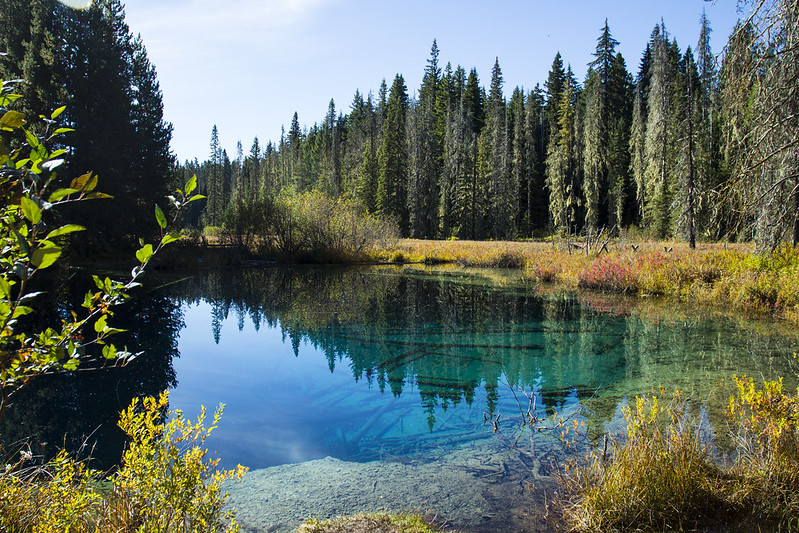
It makes sense that Oregon’s only national park is also one of its crown jewels. Crater Lake owes its existence to a cataclysmic event thousands of years ago, when Mount Mazama erupted and collapsed. Over time, snowmelt and rainfall collected in the massive caldera, forming the pristine blue lake we marvel at today.
With a depth of 1,943 feet, it holds the record as the deepest lake in the United States and ranks ninth worldwide. To put that into perspective, if New York’s One World Trade Center were submerged in Crater Lake, there would still be about 200 feet of water above its spire. That comparison alone captures just how staggering the depth really is.
What makes the lake even more extraordinary is its clarity. With no rivers feeding into it, sediment and minerals never cloud the water, giving it a purity and color that feels almost unreal. On a clear day, the water’s deep sapphire tone is unlike anything else you’ll see in Oregon.
Though the park is open year-round, July through September is the sweet spot. Trails are clear, the skies are favorable, and you’ll have the best chance of experiencing the lake in all its glory. Whether you hike the rim, take a boat tour, or simply stand at an overlook, Crater Lake never disappoints.
19. Haystack Rock at Cannon Beach
Oregon’s coastline stretches nearly 400 miles, and every inch of it is open to the public. Thanks to the Oregon Beach Bill of 1967, no part of this shoreline can be privatized—a rare and wonderful gift that means everyone has access to sweeping beaches, rugged cliffs, and the wild Pacific.
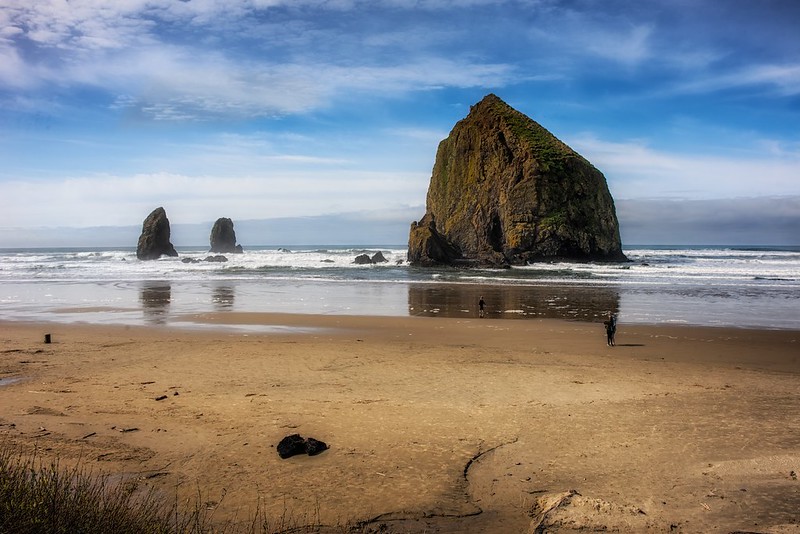
Along the way, you’ll encounter the largest coastal sand dunes in the country, dozens of state parks, and even a collection of historic lighthouses—11 in total, with nine holding historic status. Each piece of the coast offers its own character, but one landmark has become the undeniable symbol of Oregon’s shore: Haystack Rock at Cannon Beach.
Rising 235 feet from the sand, Haystack Rock is instantly recognizable. At low tide, tidepools surround its base, revealing colorful marine life and making it a favorite for families and photographers alike. As the tide rolls back in, seabirds circle overhead and the massive monolith stands solitary against the restless ocean.
Cannon Beach itself is charming, but it’s this single formation that pulls people back time and again. Whether you’re visiting for the first time or returning for the hundredth, standing before Haystack Rock reminds you why it’s considered one of the most beautiful places in Oregon. If you’re planning to see more of the coast, you might also wonder how far Seaside is from Cannon Beach – a handy detail when planning your stops.
20. The Wallowa Mountains
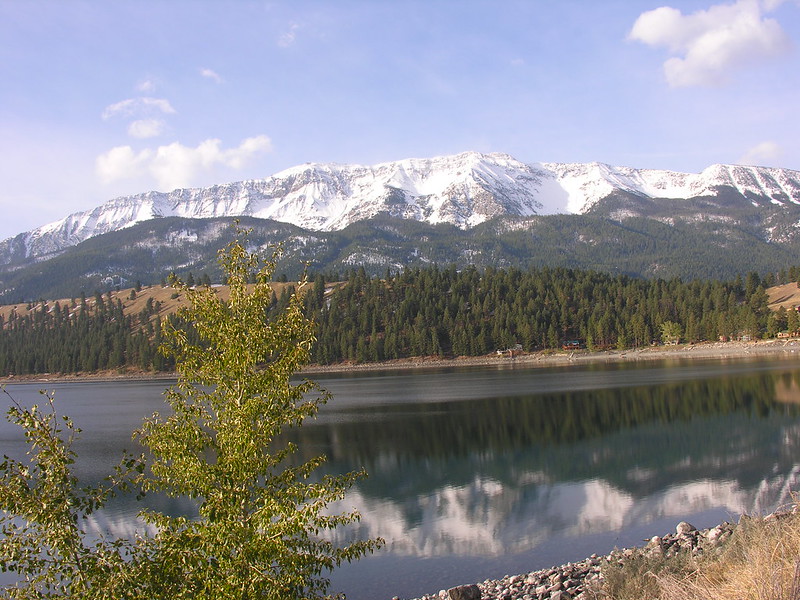
Standing before the Wallowas, it’s hard not to draw comparisons to the Swiss Alps. Jagged granite peaks rise above wide valleys, and alpine meadows burst into color during summer, creating a landscape that feels almost transported from Europe.
For first-time visitors, the Eagle Cap Wilderness is the place to start. Trails lead through high-country meadows, past clear lakes, and up to ridgelines where you can take in miles of mountain scenery. It’s no wonder the Wallowas earned a spot among Oregon’s Seven Wonders—they leave you feeling small, yet deeply connected to the land.
But the story of this region runs deeper than its views. Before heading out, take some time to learn about Chief Joseph of the Nez Perce, a leader remembered for his compassion and resilience during one of the most painful chapters in Native American history. His legacy adds a profound layer of meaning to this already extraordinary place.
And when your legs need a break, the nearby towns of Joseph and Enterprise provide a warm welcome with local shops, art galleries, and a sense of small-town charm. With soaring peaks and rich history, the Wallowas remain one of the most unforgettable places in Oregon.
21. Skylight Cave
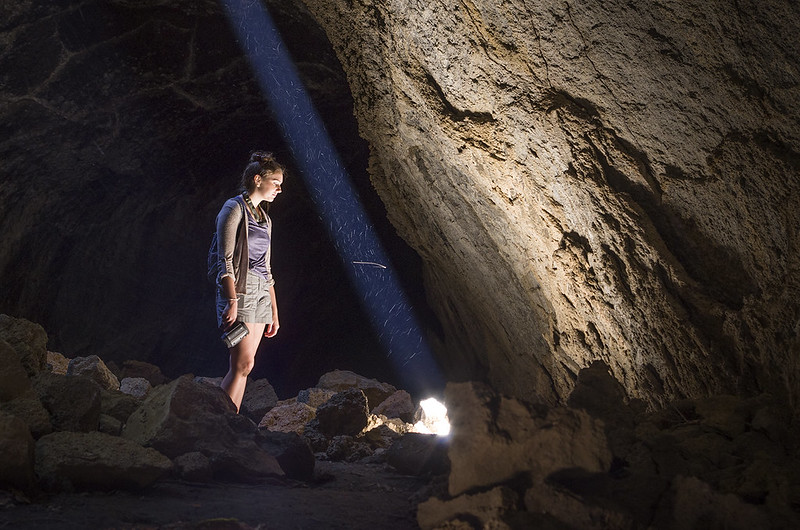
The first time I stepped into Skylight Cave near Sisters, Oregon, I was caught off guard. For one, my husband and I only passed three other visitors the entire time—rare for such a remarkable spot. And two, I couldn’t wrap my head around the fact that I’d never heard of it before.
Central Oregon is dotted with lava tubes, remnants of the region’s volcanic history, but Skylight Cave stands apart. Its name comes from the three natural openings in the ceiling, where beams of sunlight stream down at just the right angle during certain months of the year. The effect feels almost theatrical, as if the earth itself decided to put on a light show.
It’s a place that combines geology, mystery, and atmosphere in one experience. You descend into darkness, then watch as shafts of light cut through, illuminating the cavern floor in a way that feels almost surreal.
From the dramatic ridgelines of the Wallowas to the quiet glow of Sparks Lake at sunset, Oregon’s landscapes have a way of carving themselves into memory. These places are more than destinations-they’re reminders of why Oregon is a Good Place to Live for those who crave nature, community, and beauty all in one state.
Related Posts: