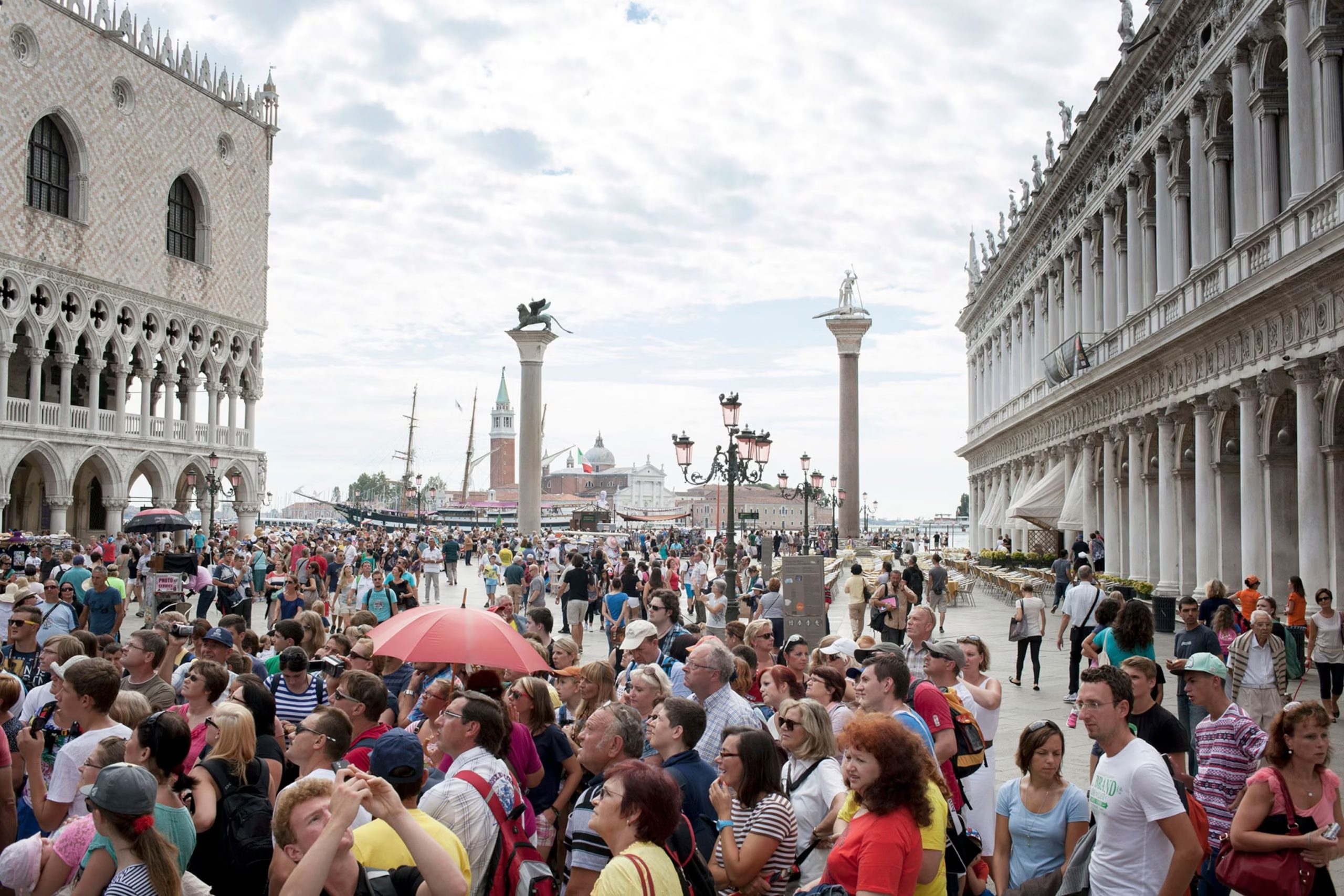
When I visited a Roman piazza, I was packed in so tightly I couldn’t even glimpse the fountain I’d come to admire. It felt less like soaking up history and more like being trapped in rush-hour traffic.
That’s the reality of overtourism—a global phenomenon where destinations buckle under the weight of their own popularity. Now, some of the world’s most iconic places are saying “enough.”
This isn’t about locals disliking travelers. It’s about communities protecting their homes, culture, and fragile environments. The list of destinations pushing back against tourism is growing.
Here are 12 places where the welcome signs are fading—and why they’re taking a stand.
Europe’s Overtourism Hotspots
1. Venice, Italy
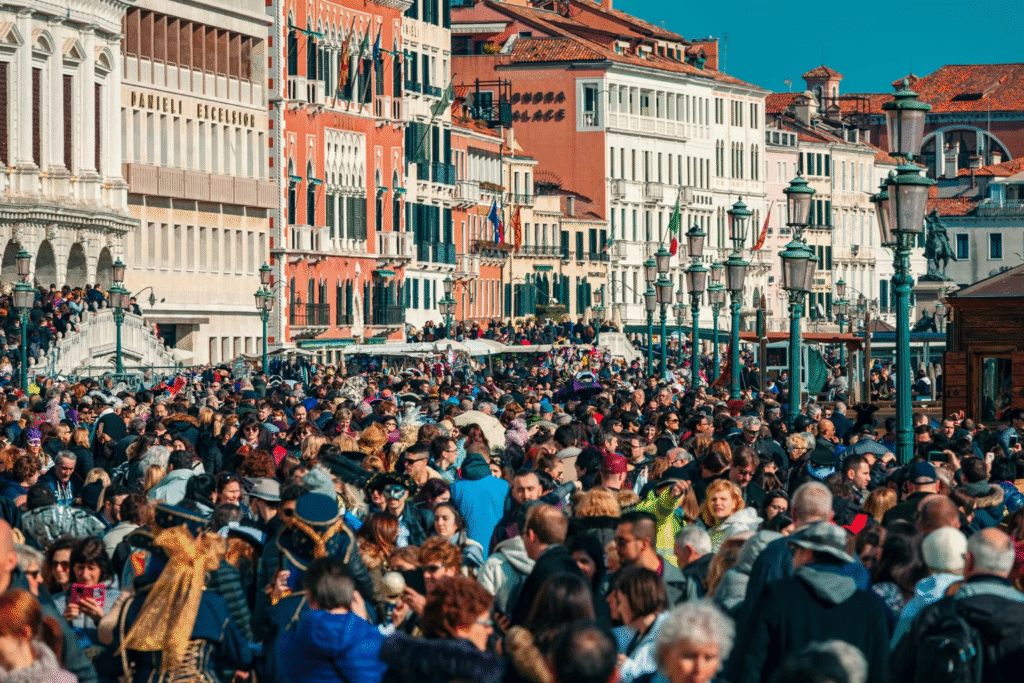
With just 50,000 residents but over 30 million visitors each year, Venice is a cautionary tale. Cruise ships once scarred its delicate lagoon, while millions of day-trippers crowded the streets without contributing much to the economy.
Now the city has banned large ships from its historic center, launched trial entry fees for day visitors, and imposes fines for swimming in canals or damaging monuments. Venice wants respectful visitors—not careless crowds.

2. Barcelona, Spain
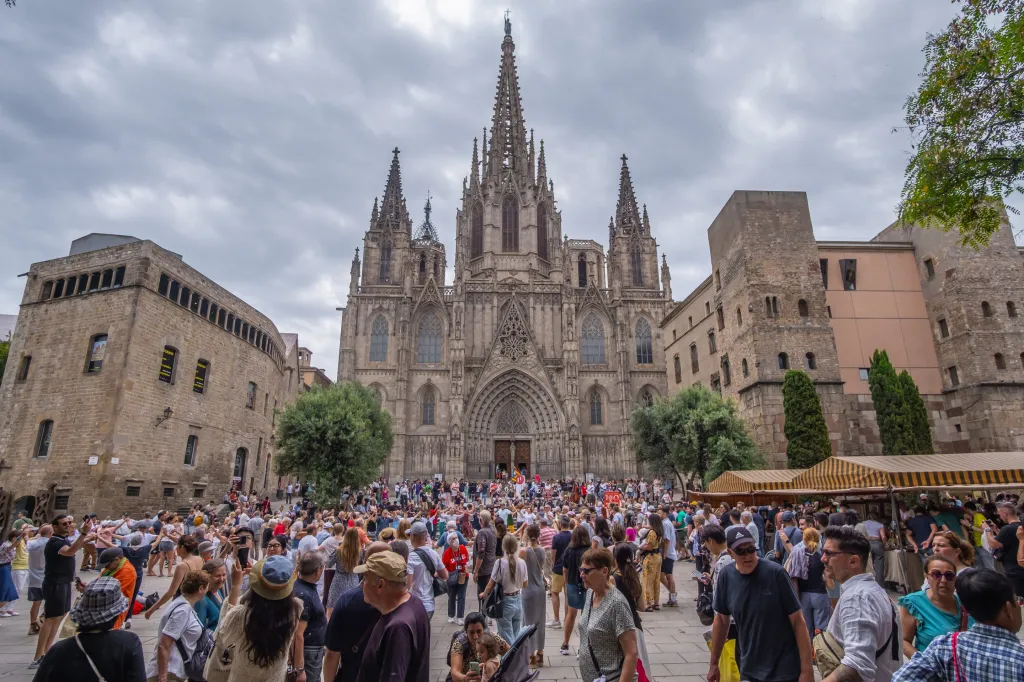
Barcelona has become a flashpoint of anti-tourism sentiment. Locals face a housing crisis driven by short-term rentals, and protests—sometimes involving water guns aimed at tourists—have made headlines.
The government is cracking down: by 2028, all short-term tourist rentals will be eliminated, cruise ship arrivals will be capped, and taxes on visitors will rise. The message is clear: residents must come first.

3. Amsterdam, Netherlands
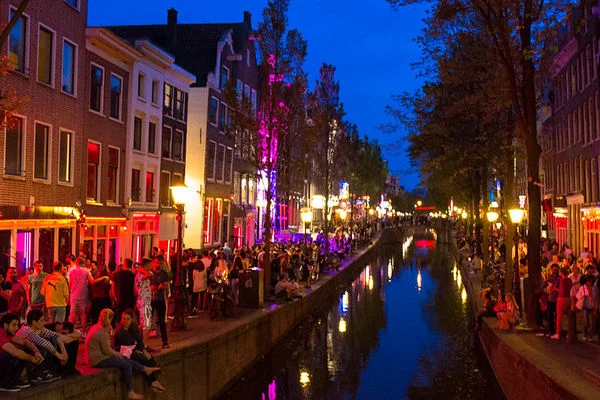
Amsterdam grew weary of its “party central” image, especially stag parties overwhelming the Red Light District.
The city’s “Stay Away” campaign directly targets people searching for party trips, warning them of fines and arrests. Amsterdam has also banned new hotels and restricted river cruise ships. The city is working to preserve its identity and quality of life.

4. Lisbon, Portugal
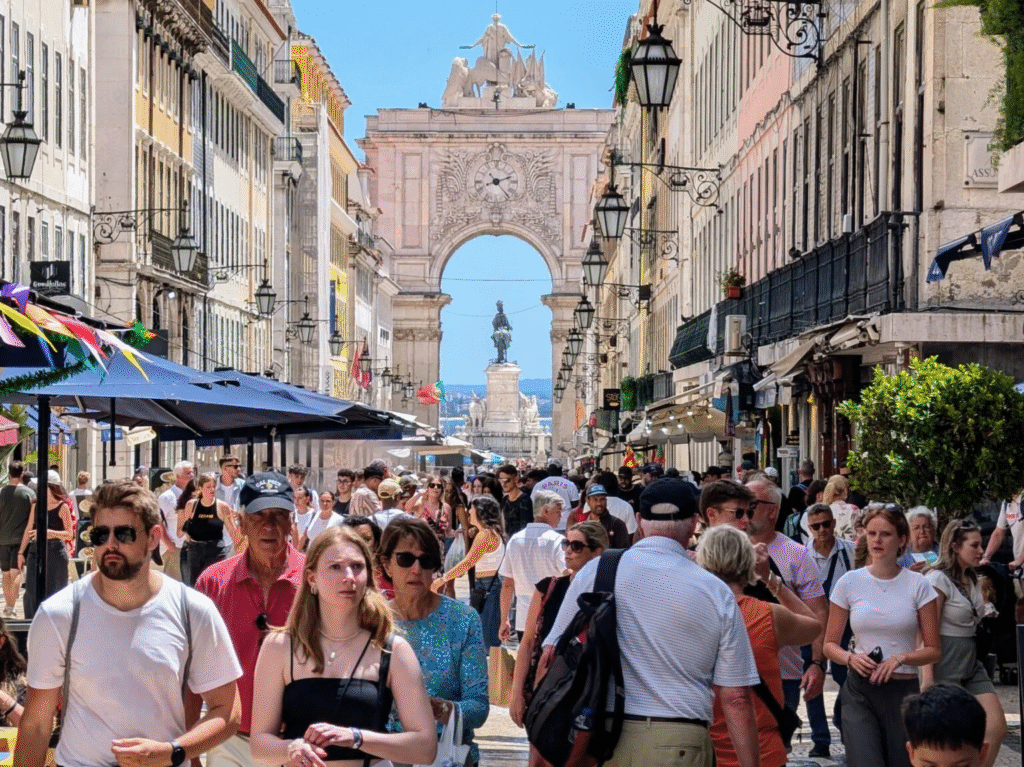
Tourism transformed Lisbon’s charm into a burden. A surge in short-term rentals—up to 70% of homes in Alfama—pushed locals out, eroding the culture that drew visitors in the first place.
Protests have erupted, and the government is trying to regulate rents. Lisbon illustrates how quickly unchecked tourism can hollow out a community.

5. Santorini, Greece
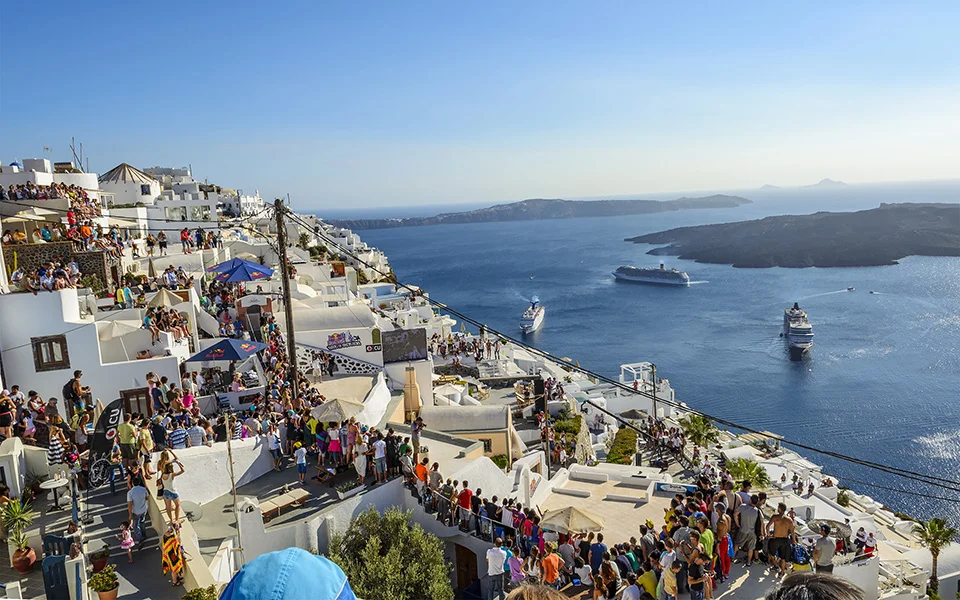
With only 20,000 residents, Santorini sometimes hosts 18,000 cruise passengers in a single day. The strain on water, waste, and infrastructure is immense, and narrow streets become impassable.
Authorities now cap cruise arrivals at 8,000 people daily and prioritize more sustainable ships. These limits are crucial for the island’s survival.

6. Dubrovnik, Croatia
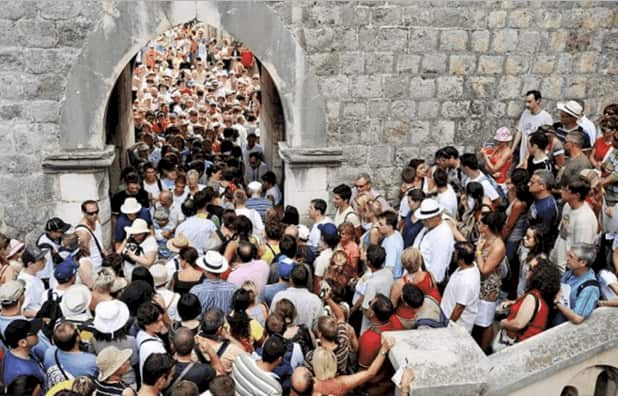
Dubrovnik was already popular, but Game of Thrones turned it into a tourist stampede. Its UNESCO-protected Old Town faced collapse under the pressure.
In response, the mayor capped daily entries to the city walls and limited cruise arrivals. Dubrovnik shows how pop culture fame can overwhelm heritage sites almost overnight.

Fragile Natural Frontiers
7. Iceland
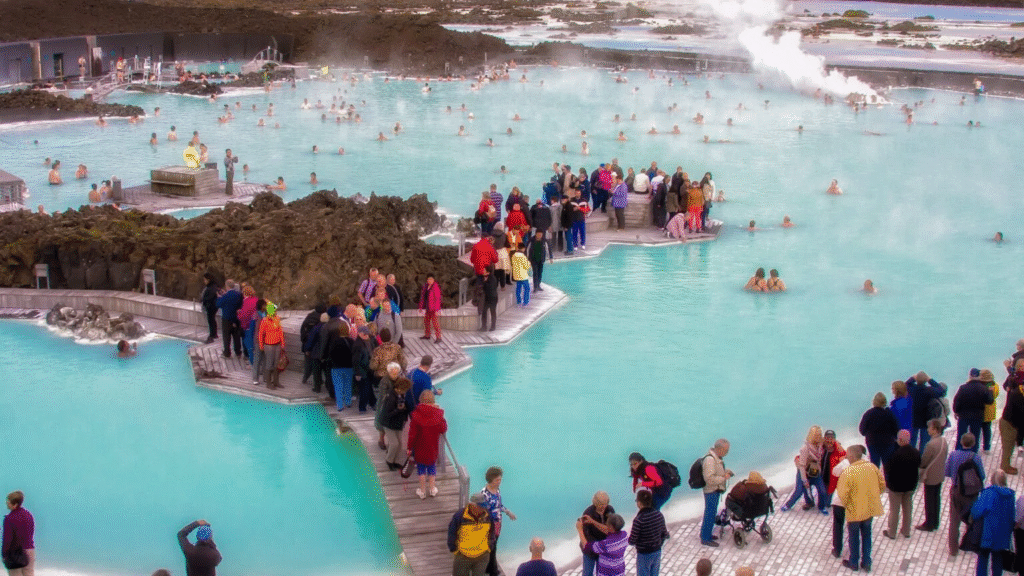
Iceland’s surreal landscapes are under siege. Fragile mosses can take decades to recover from a single footprint, and illegal off-road driving has caused lasting scars.
The government reinstated a tourism tax, closed some sites for recovery, and built better infrastructure to protect nature. Iceland is battling to preserve the very wilderness that draws visitors.

8. Bali, Indonesia
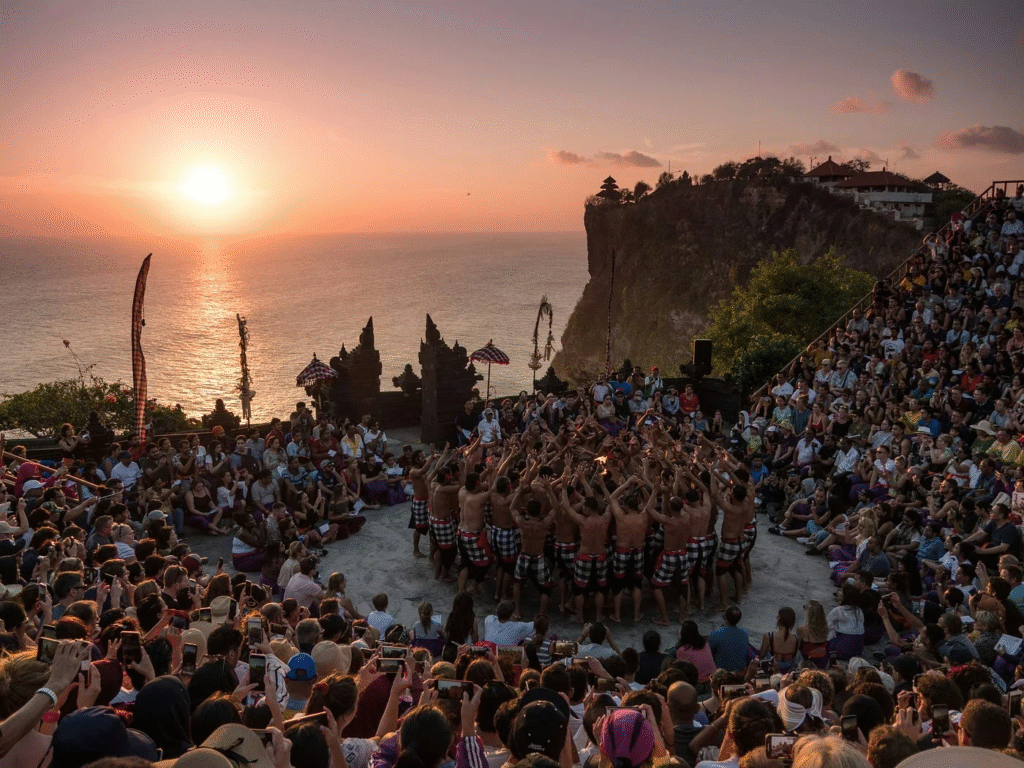
Bali’s paradise image hides a crisis. The island produces 1.6 million tons of waste each year, and tourism consumes 65% of its water, leaving rivers dry and farmers struggling.
Plastic bans are in place, but progress is slow. Without major reform, Bali’s natural beauty and resources face collapse.

9. Maya Bay, Thailand
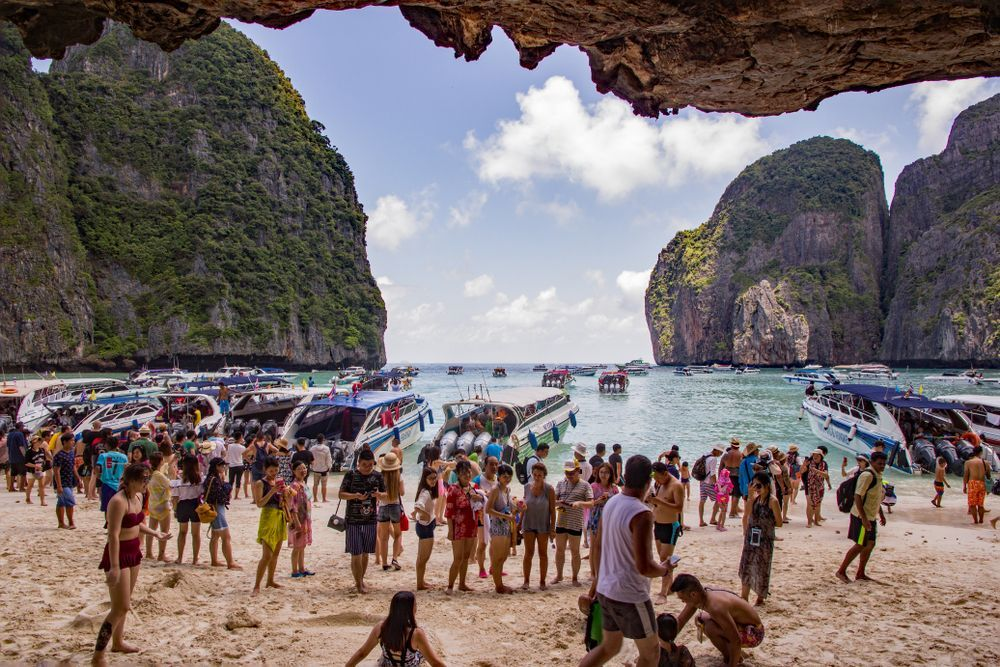
Made famous by The Beach, Maya Bay nearly collapsed under its fame. At its peak, 5,000 people crowded its small shore daily, destroying 80% of its coral.
Thailand shut the bay for four years of recovery. Today, strict rules allow only 375 visitors at a time, and swimming is banned. A rare case of nature being given breathing space.

10. Machu Picchu, Peru
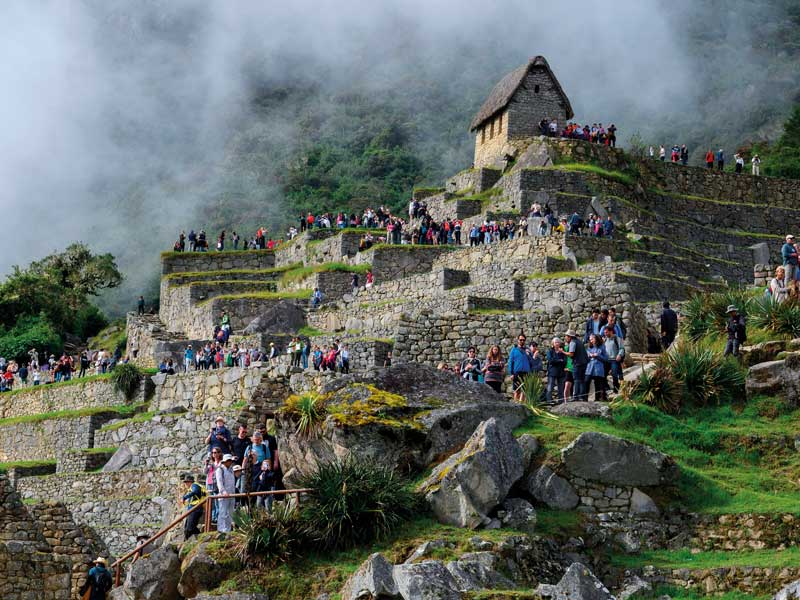
This wonder of the world suffers under millions of footsteps and 14 tons of trash each day. Stonework erodes, and fragile trails degrade under the pressure.
UNESCO pushed Peru to enforce caps, mandatory guides, and timed entry slots. Machu Picchu is a daily balancing act between access and preservation.

Tourism by Invitation Only
11. Bhutan
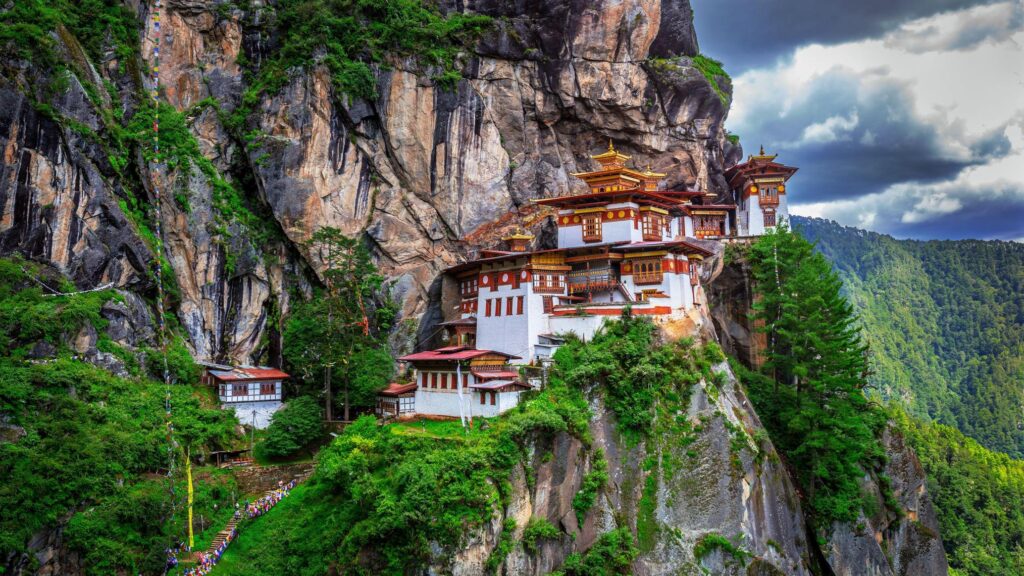
Bhutan has always done things differently. Guided by “Gross National Happiness,” its tourism model is “High Value, Low Volume.”
Foreign visitors must pay a $100 daily Sustainable Development Fee, which funds healthcare, education, and conservation. This ensures only those committed to responsible travel enter, protecting culture and nature from mass tourism.
12. Kyoto, Japan
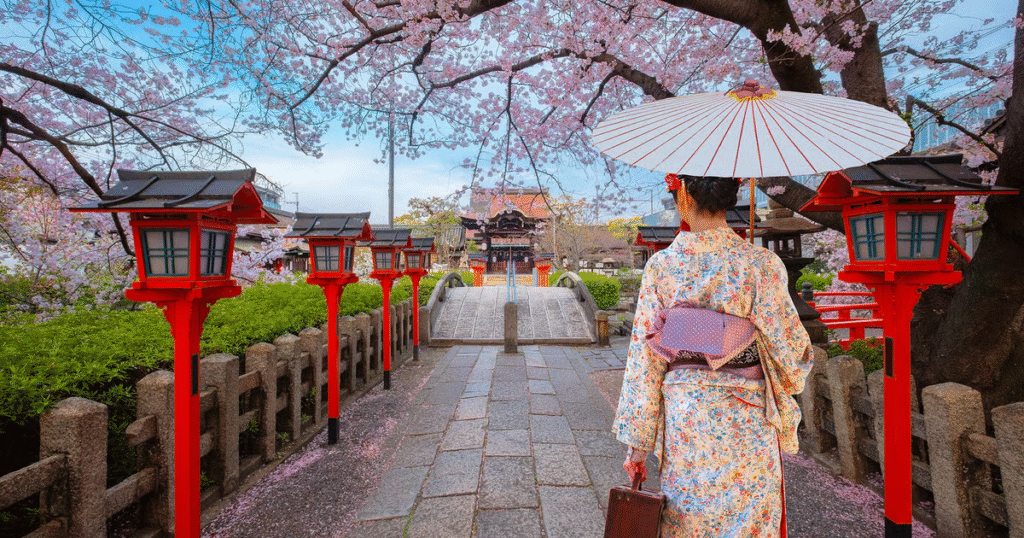
Kyoto treasures its traditions, but geishas were being harassed by tourists seeking photos, sometimes trespassing on private property.
In response, authorities banned tourists from private alleyways in Gion and introduced fines. The goal isn’t exclusion—it’s about enforcing respect for culture and community.
Becoming a Better Traveler
The age of unlimited, careless tourism is ending. Protests, entry fees, and visitor caps are signs that destinations are fighting for survival.
As travelers, the responsibility is ours too. Choose less crowded places, spend directly in local communities, and minimize your footprint. Travel should enrich—not exhaust—the places we visit.
The future of travel depends on respect.