
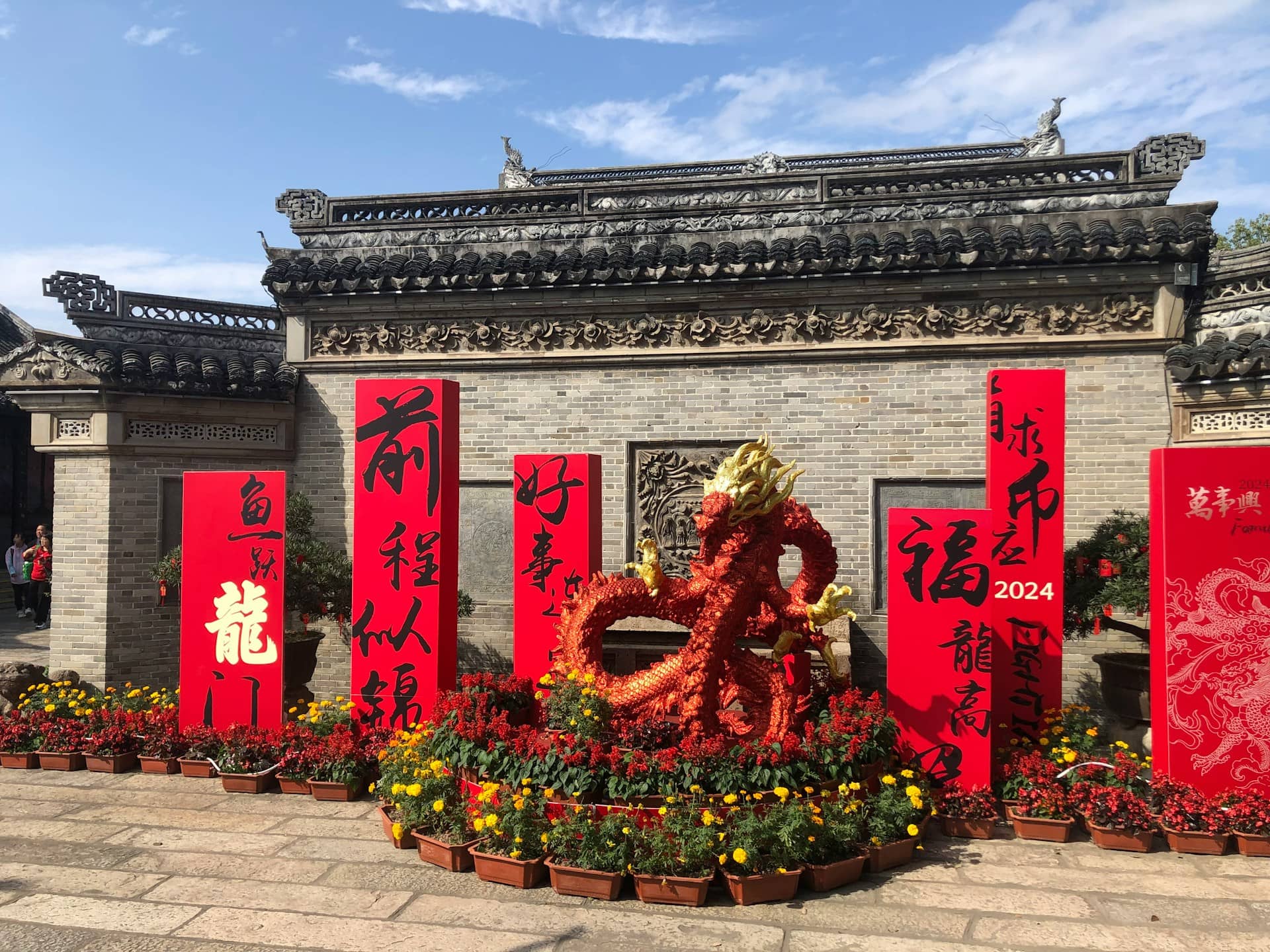
Learning about holidays across different countries adds a fresh layer of excitement to any time of year. From winter favorites like New Year’s Eve and Chinese New Year, to kid-focused traditions such as Hina Matsuri and St. Lucia’s Day, each celebration carries its own meaning and story. Seasonal events like Holi and Día de los Muertos add even more color, connecting people through shared traditions, food, and rituals.
These moments do more than mark dates on a calendar—they offer a glimpse into how communities express joy, remembrance, and togetherness. While creating award-winning subscription boxes for kids and globally inspired toys and games, we’ve explored many of these celebrations in depth. That journey has helped us highlight some of the most engaging and meaningful holidays from across the globe, making it easier to bring those experiences into everyday life.
Winter Holidays Around the World: Bright Traditions in the Cold Season
Winter days may feel long and gray, but celebrations across the globe bring warmth and excitement to the season. From the countdown energy of New Year’s Eve to the glowing lanterns of Chinese New Year, people mark this time with joy, reflection, and fresh beginnings. Even in colder climates, these events turn quiet nights into lively gatherings filled with light, food, and shared moments.
Beyond welcoming a new year, winter holidays often carry deeper meanings. Some traditions center on love and connection, while others focus on brightening dark evenings with candles, lanterns, and community events. Whether it’s families coming together or streets filled with music and color, these celebrations offer a simple way to lift spirits and bring people closer during the coldest time of the year.
Chinese New Year: A Timeless Celebration of Renewal
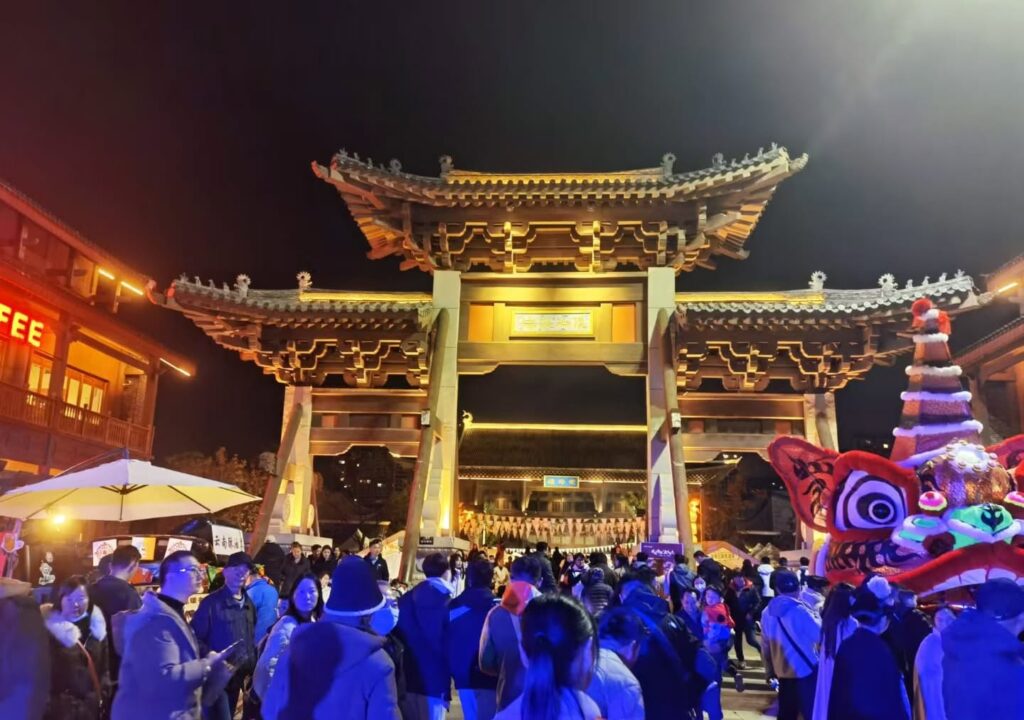
Chinese New Year, often called Lunar New Year and observed in many countries beyond China, begins on the second new moon after the winter solstice. Because it follows the lunar calendar, the date shifts each year, yet it always arrives during the colder season. In China, the celebration stretches over several weeks, turning this period into one of the most important times of the year.
Festivities take many forms, blending public excitement with meaningful family traditions. Streets come alive with fireworks and energetic lion dances, while homes fill with the aroma of special meals shared among relatives. Children receive red envelopes with money as a symbol of luck and good fortune, adding to the festive mood. Rooted in centuries-old customs, this celebration brings light, joy, and a strong sense of togetherness to winter each year.
Dragobete: Romania’s Celebration of Love and New Beginnings
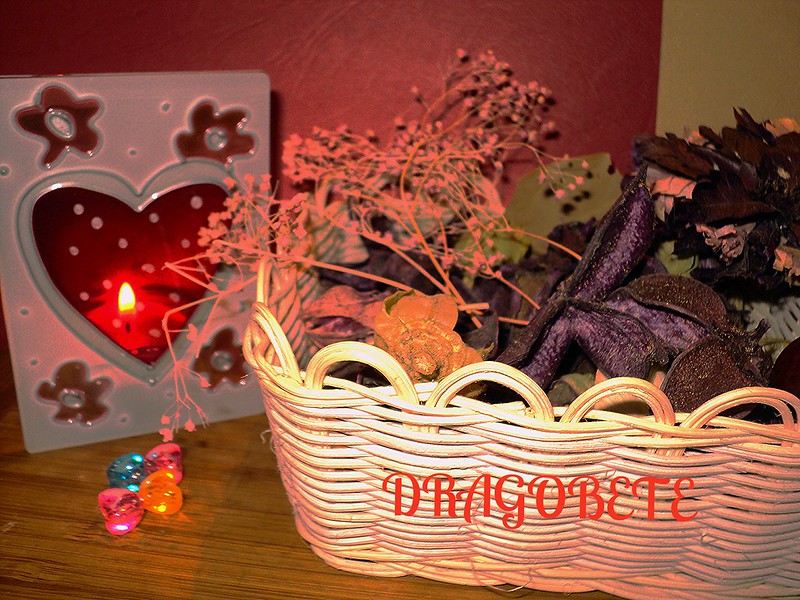
Dragobete offers a heartfelt alternative to typical February traditions, taking place each year on February 24. Rooted in Romanian folklore, the holiday is named after Dragobete, a figure linked to love and youthful romance. According to legend, his mother, Baba Dochia, once separated him from his wife after he married without her approval, adding a story of challenge and reunion to the celebration.
Today, people across Romania mark this day with simple yet meaningful customs. Many head outdoors to gather snowdrops, one of the first flowers to bloom after winter, symbolizing fresh starts. Bonfires bring communities together, while young people take the opportunity to express affection or seek new connections. With its mix of tradition, nature, and romance, this celebration brings warmth and optimism as winter begins to fade.
Read More: Find Out About 21 Incredible Spots in Romania to Add to Your Travel List.
Pingxi Lantern Festival: Taiwan’s Sky Full of Wishes
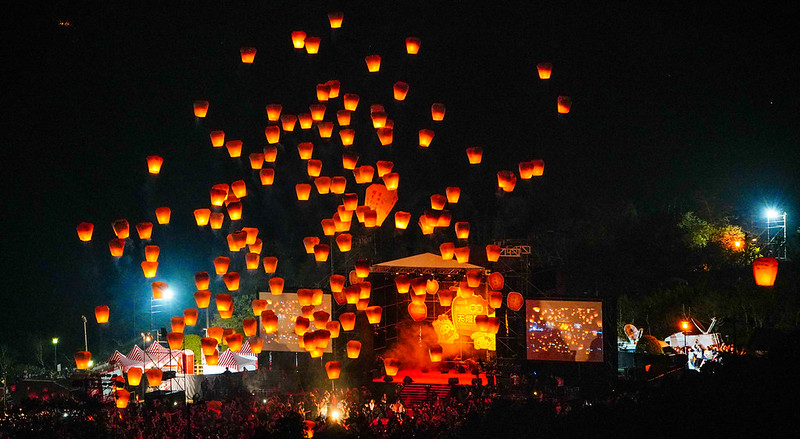
The Pingxi Lantern Festival offers a striking way to mark the Lunar New Year in Taiwan. This tradition traces back to a time when villagers released lanterns into the sky to signal safety after periods of danger. That same sense of hope continues today, as people gather in Pingxi to take part in a celebration centered on light and shared wishes.
During the event, thousands of lanterns are carefully prepared, each carrying handwritten messages, hopes, and dreams. As night falls, they are released together, rising slowly into the dark sky. Local rules and the area’s natural setting—surrounded by mountains and close to the sea—help manage the process safely. The result is a glowing display that turns a winter evening into something truly memorable.
Holidays Around the World for Kids: Fun Traditions Made for Young Minds
Many celebrations across the globe naturally appeal to children, filled with gifts, lively events, colorful outfits, and playful performances. These moments create lasting memories, giving kids a chance to take part in joyful traditions while learning about different cultures in an engaging way. From festive parades to hands-on activities, there’s always something that captures their attention and sparks excitement.
Some holidays go a step further by placing children at the center of the celebration. These special occasions highlight creativity, imagination, and community, often including games, storytelling, and interactive customs. They offer a chance for kids to feel included, express themselves, and experience traditions that are shaped with their enjoyment in mind.
Hina Matsuri: Japan’s Doll Festival Celebrating Girls
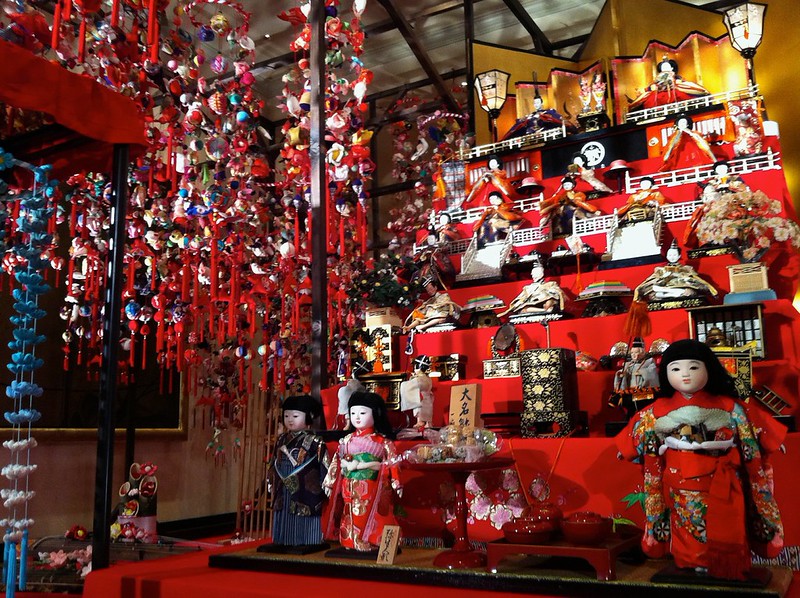
Hina Matsuri is a tradition in Japan that dates back over a thousand years, honoring girls through meaningful family gatherings and symbolic displays. At the center of the celebration are decorative dolls, carefully arranged to represent members of the imperial court. The most detailed setups feature a seven-tier platform, with the emperor and empress placed at the top, followed by attendants, musicians, and other figures below.
Food plays an important role in marking the occasion. Families prepare special treats like sweet rice cakes wrapped in pickled cherry blossom leaves and layered confections served during the day. These dishes are often placed alongside the dolls, blending the visual display with shared customs. Through its mix of art, tradition, and family connection, this festival brings a sense of warmth and appreciation to the season.
Read More: Check Out 9 Underrated Spots in Japan You Need to Visit.
St. Lucia’s Day: A Festival of Light and Tradition
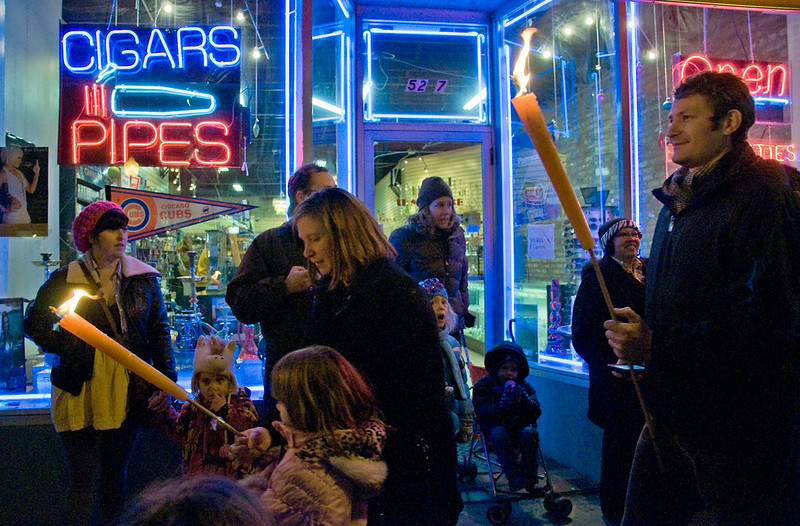
St. Lucia’s Day is celebrated in Sweden on December 13, bringing a gentle glow to the darker days of winter. As part of the Christmas season, the tradition highlights the oldest girl in each family, who takes on the role of Lucia. Dressed in white and wearing a crown of candles, she represents light and kindness, creating a calm and meaningful atmosphere at home.
The celebration often includes simple but thoughtful customs. The girl portraying Lucia may serve food to family members, continuing a long-standing tradition of care and sharing. Boys and other children also take part by dressing in white and joining processions filled with songs. Together, these moments create a warm and uplifting experience that brings families and communities closer during the winter season.
Kwanzaa: Honoring Culture, Community, and the Next Generation
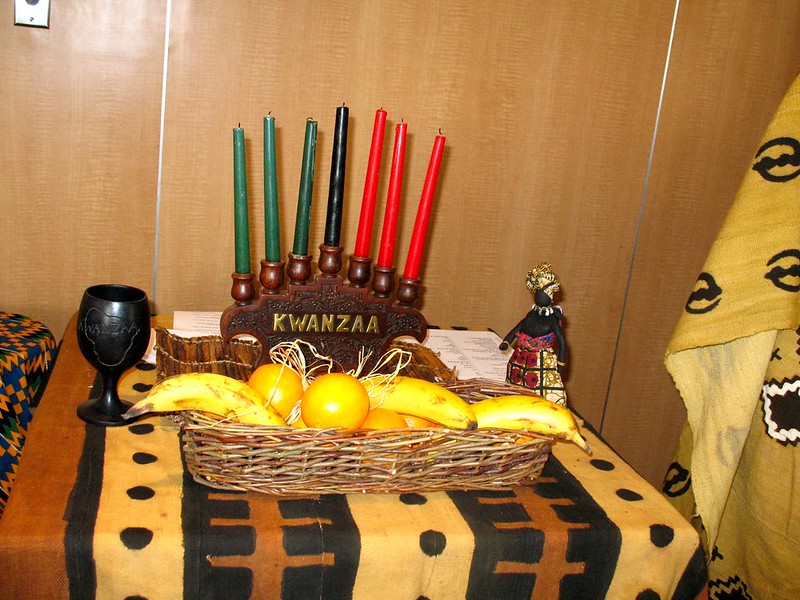
Kwanzaa is a weeklong celebration rooted in African heritage and first observed by African American communities in the United States. It centers around seven guiding principles: unity (umoja), collective work and responsibility (ujima), cooperative economics (ujamaa), self-determination (kujichagulia), purpose (nia), creativity (kuumba), and faith (imani). Each day highlights one of these values, creating a meaningful rhythm throughout the celebration.
Children hold an important place in Kwanzaa, as they represent the future of the community. They are honored with gifts and encouraged to take part in ceremonies, storytelling, and shared activities. Their involvement goes back to the early days of the holiday, even influencing its name—an extra “a” was added to the Kiswahili word kwanza to reflect the presence of seven children during its beginnings. Through these traditions, Kwanzaa continues to pass on values, history, and a strong sense of connection across generations.
December Holidays Around the World: A Season Full of Celebration
December brings together many of the most widely recognized holidays across different cultures. As the year draws to a close, people mark this time with gatherings, traditions, and meaningful events that reflect both history and belief. From festive lights to shared meals, the month carries a strong sense of connection and reflection.
Part of what makes December so active is the seasonal shift. In the Northern Hemisphere, colder days and longer nights build up to the winter solstice, while the Southern Hemisphere experiences the opposite with shorter nights and warmer weather. Alongside these natural changes, religious and cultural festivals fill the calendar, creating a lively and memorable end to the year for communities around the world.
Boxing Day: A Tradition of Giving and Celebration

Boxing Day, observed on December 26, stands as an important holiday in many parts of the world. While Christmas often takes the spotlight, this day carries its own history and meaning. It is believed to have begun in England, where wealthy households would give food, money, or gifts to workers and those in need after Christmas. That early focus on generosity still shapes how the day is remembered.
Over time, the celebration has taken on new forms across different regions. In places like Canada, Hong Kong, and England, Boxing Day is known for large retail sales, drawing crowds eager for year-end deals. Meanwhile, in The Bahamas, the day comes alive with the Junkanoo festival, featuring lively parades filled with music and costumes. In Australia and New Zealand, people take advantage of the warm summer weather by attending major sporting events, turning the holiday into an energetic outdoor experience.
Christmas: Traditions That Vary Across the Globe
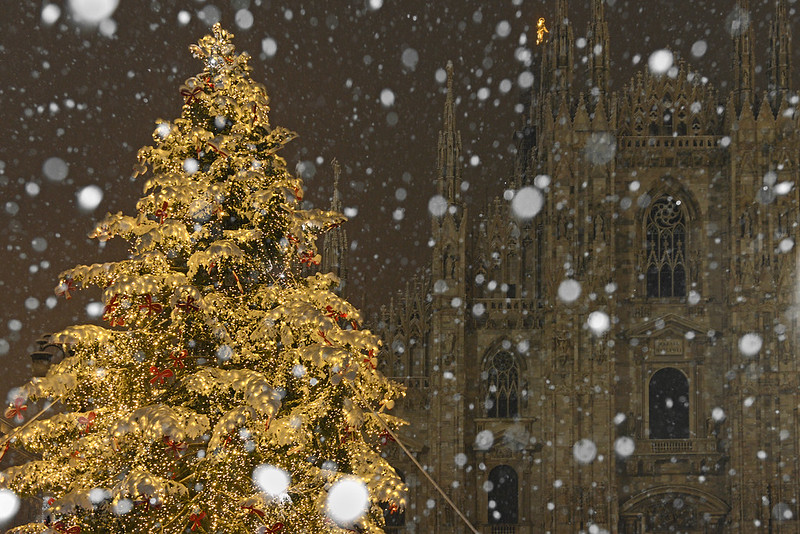
Christmas is one of the most widely celebrated holidays in December, bringing together a wide range of customs from different cultures. While the core meaning remains important for many, the ways people mark the occasion can look very different depending on where they are. From family gatherings to community events, each place adds its own touch to the season.
In Mexico, the tradition of Las Posadas runs from December 16 to 24, reenacting Mary and Joseph’s search for shelter through nightly visits and shared celebrations. In India, people attend midnight church services and prepare kheer, a sweet dessert enjoyed with loved ones. Norway celebrates with riskrem, a rice-based dish served on Christmas Eve, while in Brazil, children leave a sock by the window for Bom Velhinho in hopes of receiving a gift.
Elsewhere, traditions can be just as memorable. In Ireland, some take a brisk swim in the ocean on Christmas morning, turning the day into a bold and refreshing start. With so many different customs, Christmas continues to bring people together in ways that reflect local culture, family habits, and shared moments of celebration.
Read More: Discover 15 Cozy Christmas Towns to Visit This Holiday Season.
Hanukkah: The Festival of Lights and Lasting Faith
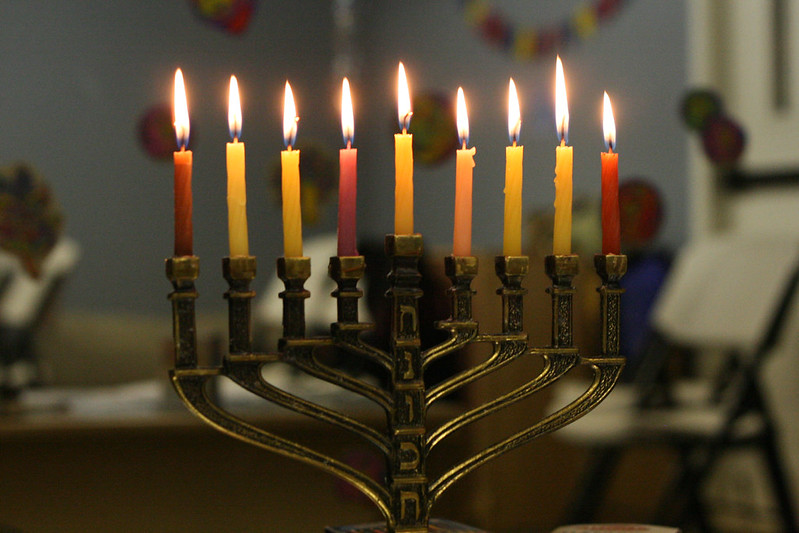
Hanukkah is celebrated each year by Jewish families across the globe, marking a powerful moment from history. The holiday recalls how a small amount of oil kept the menorah in the Second Temple in Jerusalem burning far longer than expected after it was reclaimed. Although the oil was meant to last just one day, it continued to shine for eight, becoming a lasting symbol of hope and faith.
To remember this event, families light a menorah over eight nights, adding one candle each evening. The celebration also includes gift-giving, games like dreidel, and a wide range of traditional foods. In Israel, sufganiyot—sweet jelly-filled donuts—are a favorite, while in parts of Eastern Europe, crispy potato latkes are commonly served. In Colombia, fried plantain dishes such as patacones bring a local flavor to the celebration. Through these customs, Hanukkah continues to connect families with tradition, history, and shared joy.
Winter Solstice: Marking the Turn Toward Longer Days
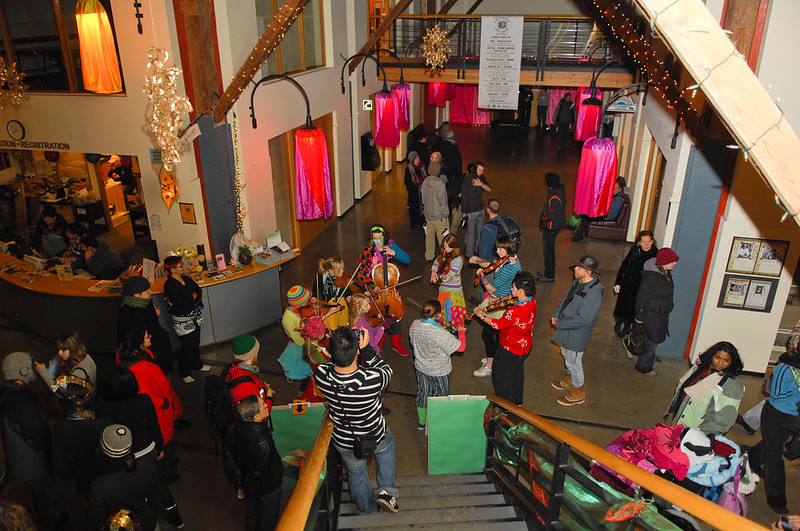
Winter Solstice takes place on December 21 or 22 in the Northern Hemisphere, bringing the shortest day and longest night of the year. While daylight reaches its lowest point, it also signals a shift—each day that follows gradually becomes longer, leading toward the summer solstice in June. This natural turning point has inspired many traditions across cultures.
In Iran, the solstice is celebrated through Yalda, a gathering where families come together to read poetry, share stories, and enjoy seasonal foods. In the United Kingdom, the city of Bristol marks the occasion with a lively parade, ending with the burning of paper clocks by the shore. Meanwhile, in Japan, many people take warm baths with yuzu fruit, a practice believed to help relaxation and ward off seasonal illness. These traditions reflect how different communities welcome the return of longer days in their own ways.
Seasonal Holidays Around the World: Celebrations Through the Year
Across the globe, many of the most exciting holidays return in the same season each year, creating a steady rhythm of celebration. These occasions range from deeply rooted religious observances to lively public events and family traditions. No matter the time of year, there is always something meaningful taking place, bringing people together through shared customs and joyful gatherings.
From the glowing lights of Diwali to the candlelit evenings of Hanukkah, each season carries its own atmosphere. Spring welcomes events like St. Patrick’s Day, while autumn is marked by traditions such as Día de los Muertos. Together, these celebrations fill the calendar year with color, meaning, and moments that connect people across cultures.
Diwali: The Festival of Light and Joy
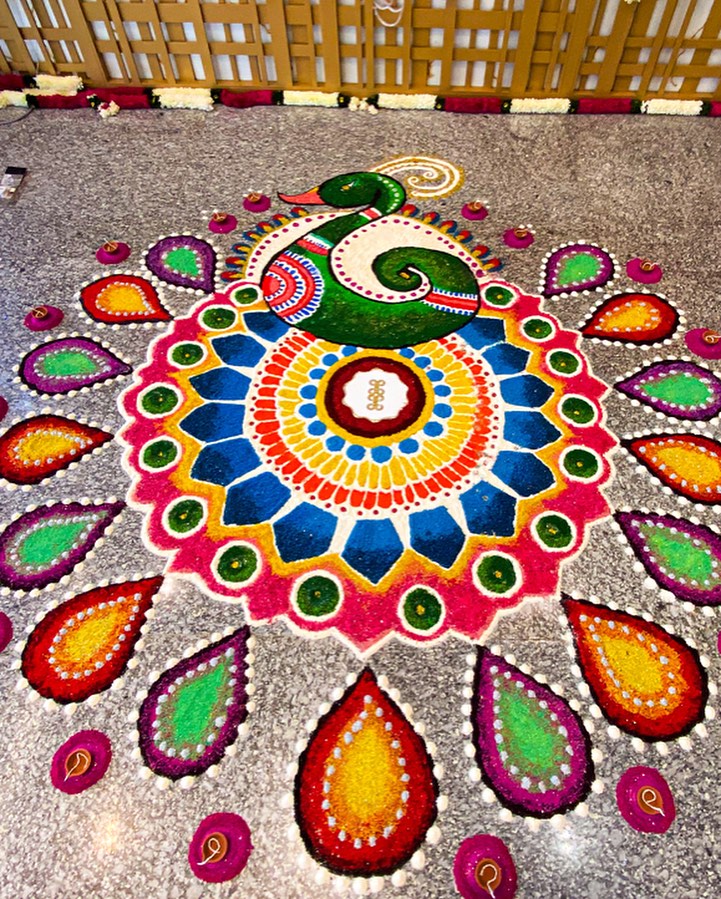
Diwali is celebrated across India each year in the fall, marking the victory of light over darkness. The festival is linked to the return of Lord Rama after defeating the evil king Ravana, a story that continues to inspire generations. Homes glow with small clay lamps called diyas, placed along windows and doorways as a sign of welcome and hope.
Families also decorate their entrances with rangoli patterns, crafted from materials like colored sand, rice, powdered stone, and flower petals. These designs add color and meaning to the celebration. Over five days, people gather for prayers, visits, and shared meals, with the third day often featuring a large feast filled with favorites such as samosas, paneer dishes, and sweets.
For those who want to take part, simple activities like making diyas or preparing treats such as gajar halwa—a sweet carrot dessert—offer a hands-on way to experience the spirit of the festival at home.
Día de los Muertos: Honoring Life and Memory
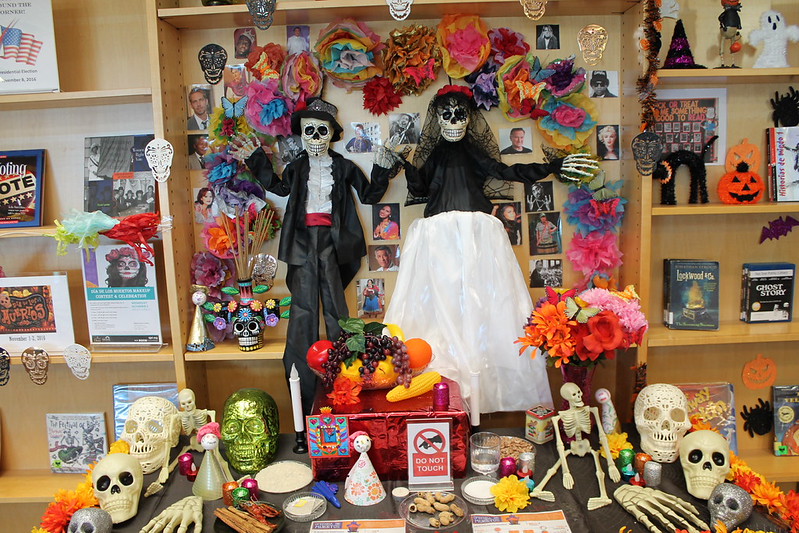
Día de los Muertos is celebrated on November 1 and 2, when many Latino families and communities come together to remember loved ones who have passed away. Rooted in ancient Aztec traditions, this holiday focuses on celebrating life while keeping memories alive. Rather than being a somber occasion, it carries a sense of warmth, connection, and reflection.
A central part of the celebration is the creation of an ofrenda, a home altar filled with photos, favorite foods, and meaningful items that honor those being remembered. Families gather to share meals, stories, and time together, often surrounded by marigold flowers, believed to guide spirits with their bright color and strong scent. Decorative papel picado banners add movement and color, turning homes and public spaces into places of remembrance and togetherness.
Halloween: A Playful Night of Costumes and Candy
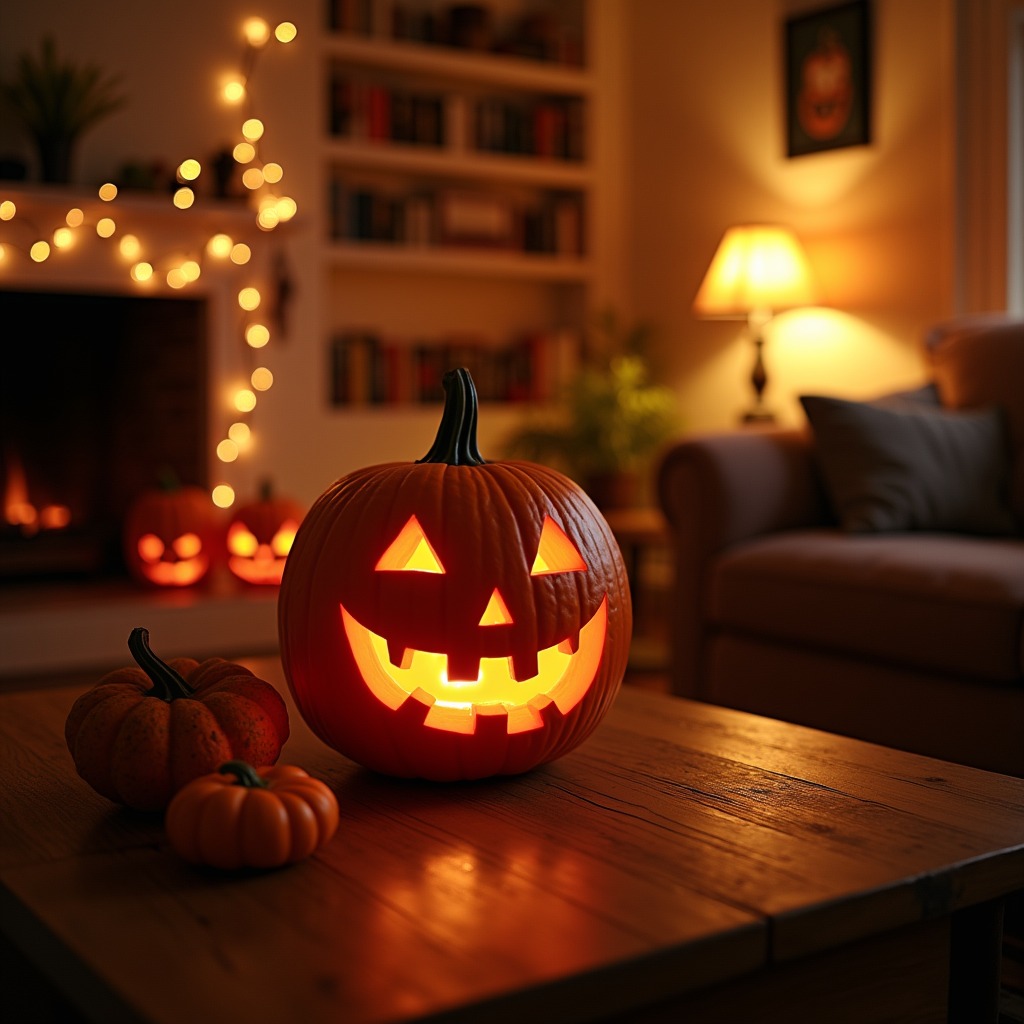
Halloween arrives each year on October 31, bringing a mix of spooky fun and lighthearted excitement. Streets fill with children dressed as ghosts, witches, and all kinds of imaginative characters, going door to door in search of sweets. While the theme leans into the eerie, the atmosphere is filled with laughter, creativity, and community spirit.
This tradition has roots in ancient Europe and has taken on different forms across countries. In Canada, some children ask for “Halloween apples,” a nod to earlier treats like toffee apples. In Mexico, kids may say “¿Me da mi calaverita?” as they collect candy shaped like skulls. Meanwhile, in Portugal, children often wait until November 1 to walk around with pumpkin lanterns and ask for traditional cakes. These local variations show how one holiday can take on many forms while keeping its playful spirit alive.
Holi: Welcoming Spring with Color and Joy
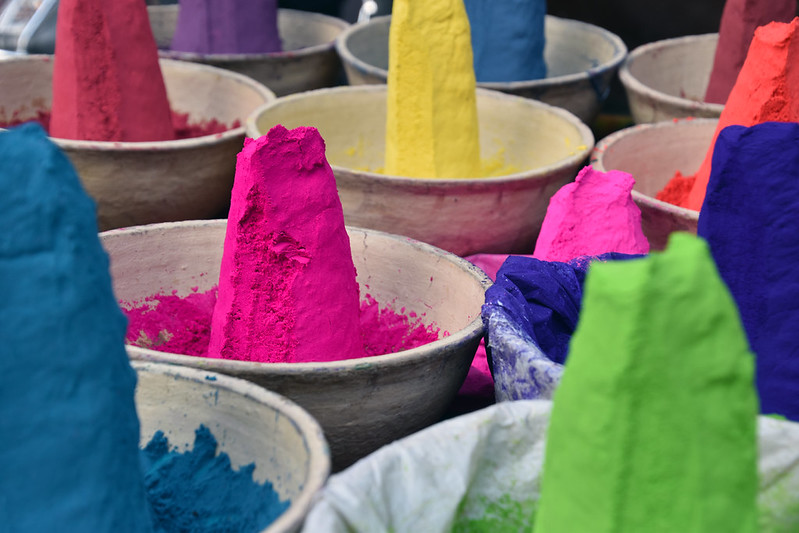
Holi is celebrated across India and Nepal as spring begins, bringing energy and excitement to the season. The festival honors the victory of the god Vishnu over an evil king, a story remembered through traditions like lighting bonfires and roasting corn and other grains. These rituals mark the shift from winter to warmer days ahead.
In many places, Holi also includes lively street activities inspired by playful legends. One popular event features a pot of buttermilk hung high above the ground, with participants working together to knock it down while others throw colored powder and water to distract them. As the celebration unfolds, streets fill with laughter, music, and movement.
By the end of the day, people are covered in bright colors from head to toe, sharing smiles and joyful moments with friends and strangers alike. It’s a lively way to welcome the arrival of spring and celebrate togetherness.
New Year’s Eve: Celebrations That Welcome a Fresh Start
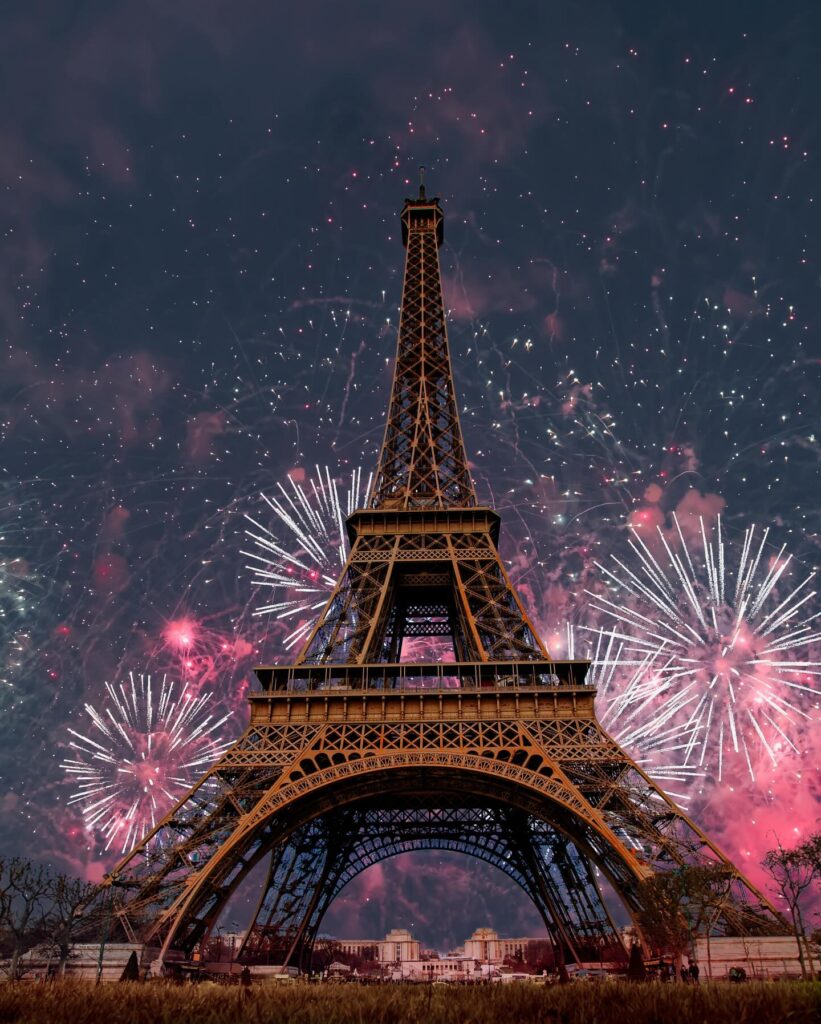
New Year’s Eve marks the final night of the year in the Gregorian calendar, observed across much of the world. Whether it arrives during winter in the Northern Hemisphere or summer in the Southern Hemisphere, the occasion brings people together with excitement, reflection, and hope for what lies ahead. From large public events to quiet family gatherings, the countdown to midnight is shared in many ways.
Traditions vary widely from one place to another. In Spain, families follow the custom of eating twelve grapes—one with each stroke of the clock at midnight—for good luck. In Brazil, many wear white and head to the beach to make wishes to the sea goddess Lemanjá. In Japan, Buddhist temples ring bells 108 times during the joya no kane ritual, symbolizing the release of worldly desires. Meanwhile, in Philippines, people wear polka dots and eat round fruits, both believed to attract prosperity.
These customs, though different in form, share a common purpose—welcoming a new beginning with optimism, celebration, and a sense of renewal.
St. Patrick’s Day: A Global Celebration of Irish Heritage
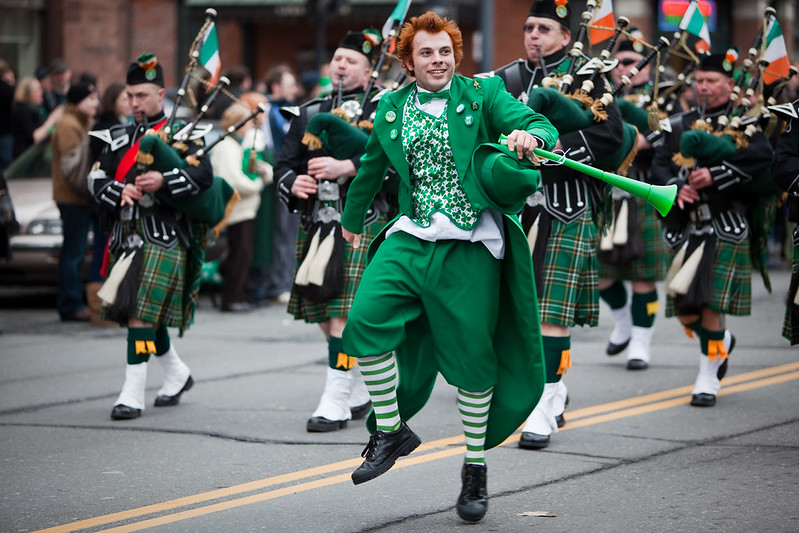
St. Patrick’s Day arrives each spring, honoring the patron saint of Ireland while bringing people together far beyond its borders. In Ireland, the day often centers on family meals, local gatherings, and lively parades that fill towns and cities with music and tradition. It’s a time to celebrate heritage, history, and community.
Across Europe, the occasion takes on many forms, from charity runs to concerts and public events that highlight Irish culture. The celebration stretches even further, reaching places like Japan and Australia, where festivals and parades bring a festive mood to the streets.
In the United States, the day is marked with especially bold traditions. The city of Chicago is known for turning its river green, creating a striking and memorable sight. These celebrations, wherever they take place, reflect the wide reach of Irish culture and the shared enjoyment of coming together in spring.
Valentine’s Day: Traditions of Love Across Cultures
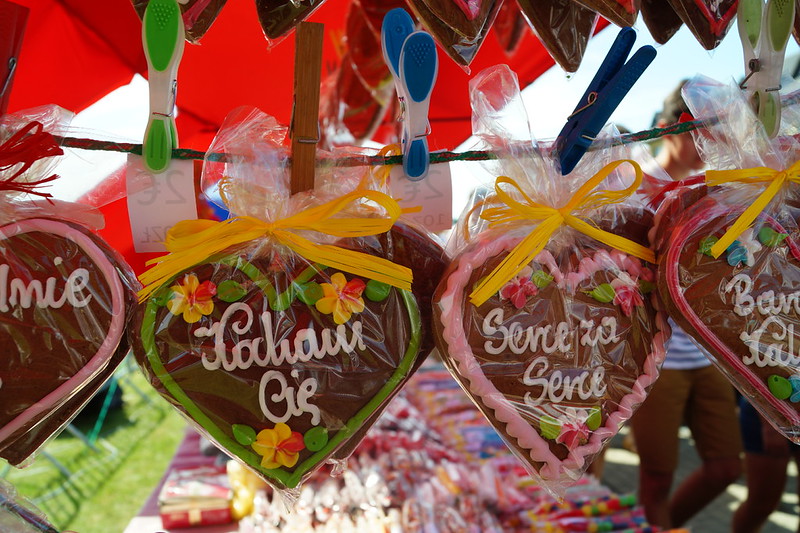
Valentine’s Day brings a touch of romance to the winter season, even though its exact origins remain uncertain. Celebrated around the world, the day focuses on expressing affection, whether through simple gestures, thoughtful notes, or small gifts. It’s a time when people share their feelings in ways that feel personal and meaningful.
Different countries add their own customs to the occasion. In Denmark, people send playful anonymous poems known as gaekkebrev. In Japan, women traditionally give chocolate to men as a sign of appreciation or interest. Meanwhile, in South Africa, some women pin the names of those they admire to their sleeves, making their feelings known in a bold and open way.
These traditions show how one day can be celebrated in many different styles, each reflecting local culture while keeping the focus on connection and care.