There are many things you should know before you visit the Faroe Islands. After two trips to these Nordic islands, I feel confident in offering practical advice for anyone planning a journey here – especially if snapping charming photos of sheep is on your list.
Planning Your Trip
If you’re putting your trip together at the last minute, don’t worry—there are convenient ways to arrange transport, tours, and lodging. The Faroes are small, but planning ahead makes everything smoother since options can be limited during peak times.
Getting Around the Faroe Islands
Public transport is reliable but doesn’t reach every village, so renting a car is usually the smartest choice.
- Cheapest car rental options – book early for the best availability.
- Vágar Airport to Tórshavn – a quick transfer service is available for those who don’t want to drive immediately after arrival.
Top Experiences and Tours
- “See it All” 7-Hour Tour – a bestselling overview of major sights.
- Vestmanna Sea Cliffs Boat Trip (1.5 hours) – excellent value and breathtaking coastal views.
- Mykines 6-Hour Tour – includes puffins, guaranteed in season.
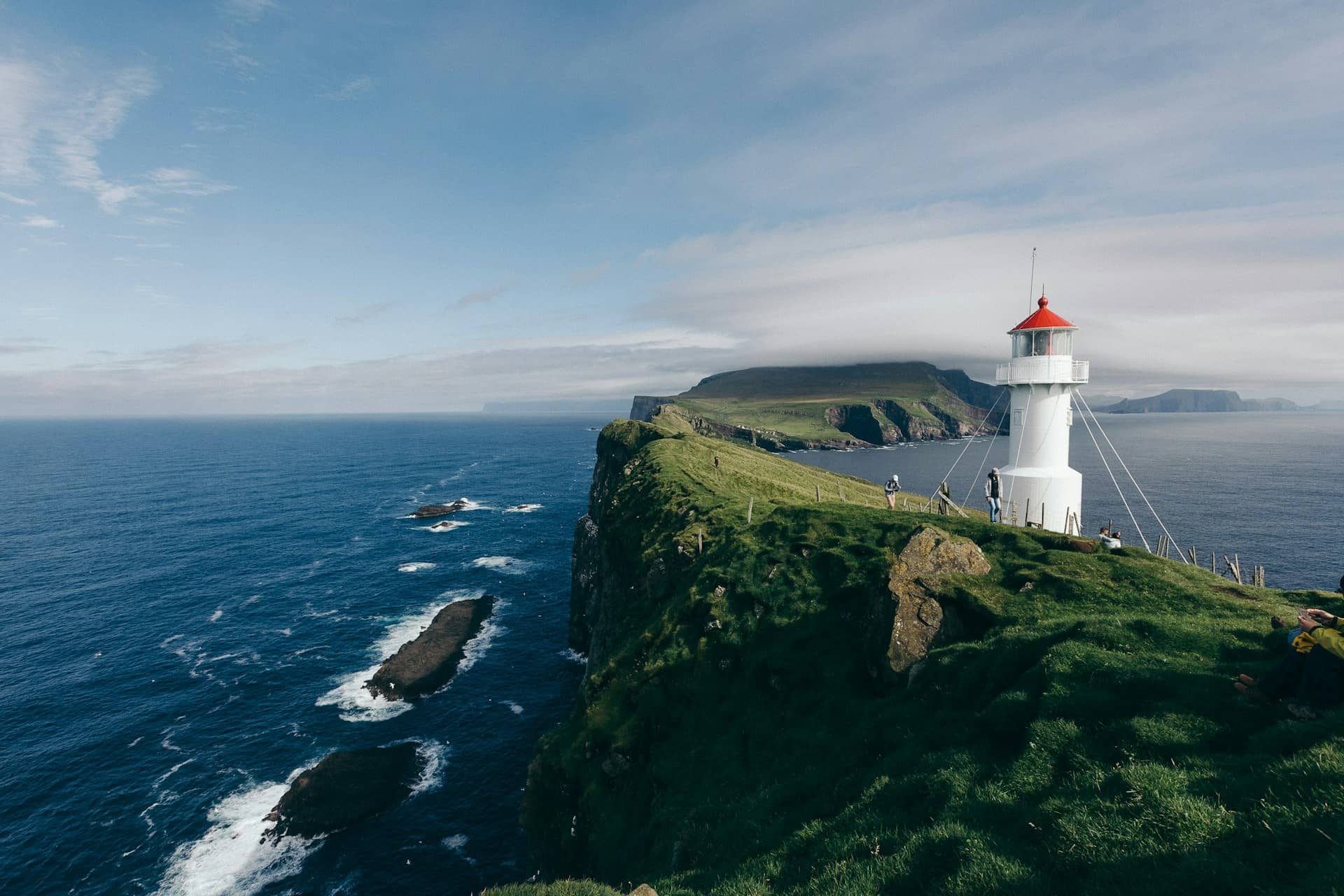
- Kalsoy and Kallur Lighthouse (8 hours) – my personal favorite; it feels remote and dramatic.
- Classic 4-Hour Vagar Tour – perfect for those with limited time.
Where to Stay
- The View (Vágar Island) – near the airport, ideal for short visits.
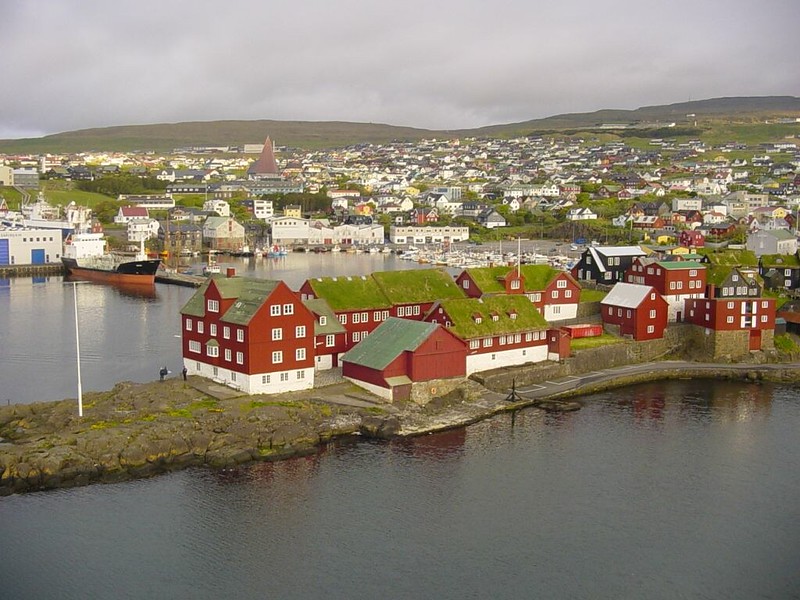
- Hotel Hafnia (Tórshavn) – central, walkable, and comfortable.
- Hotel Føroyar (Tórshavn) – panoramic outlook over the capital.
- Panorama Boathouse (Klaksvík) – excellent for those planning to explore Kalsoy.
This guide is built on personal experience from two visits. The photos included are from both trips: brown grass means March, while green and sunnier shots come from August. Timing makes a huge difference—spring feels stark but beautiful, while late summer brings softer colors and more wildlife sightings.
Essential Advice for Visiting the Faroe Islands
The Faroe Islands are a destination I can’t stop talking about. It has been ten months since my first trip to these North Atlantic gems, yet I still have countless untold stories, travel advice, and answers to share about my time there.
By the time I finally put all of my thoughts together about the Faroes, I had already returned—twice, in fact. Each visit revealed something new and deepened my appreciation for the islands.
For anyone who hasn’t yet set foot on their green and sheep-filled landscapes, it can be hard to imagine exactly what to expect. But once you arrive, the rhythm of life here quickly becomes easier to understand.
Leaving, however, is the hardest part. The solitude and striking scenery stay with you long after your trip ends, leaving you eager to return and experience more.
Here, I’ve pulled together 31 useful things to know before traveling to the Faroe Islands. Some are straightforward facts, while others are simply my observations from spending time there.
If you’ve already been, I’d love for you to share your own experiences and suggestions—every traveler notices something different, and your insights could help future visitors.
What You Should Know Before Traveling to the Faroe Islands
1. Rich Diversity Among the Residents

More than 77 nationalities now call the Faroe Islands home. During my visits, I encountered people from across the globe—Ukraine, Thailand, France, and many others—all adding to the cultural fabric of the islands.
Much of this variety comes from students, seasonal workers, and staff in hospitality, though there’s also a social factor at play: the islands face a shortage of women, which has led to a noticeable demand.
When I was in Tórshavn, I came across an announcement that Mikkeller Beer was preparing to open a bar there. They shared their job postings publicly, hoping to bring in applicants from every corner of the world.
On my return visit, I didn’t manage to stop in at Mikkeller, though it remains on my list. I expect I’ll finally make it a priority on my third trip to the Faroes—because by then, I know I’ll be back.
2. Reaching the Faroe Islands Is Simpler and More Affordable Than You Think
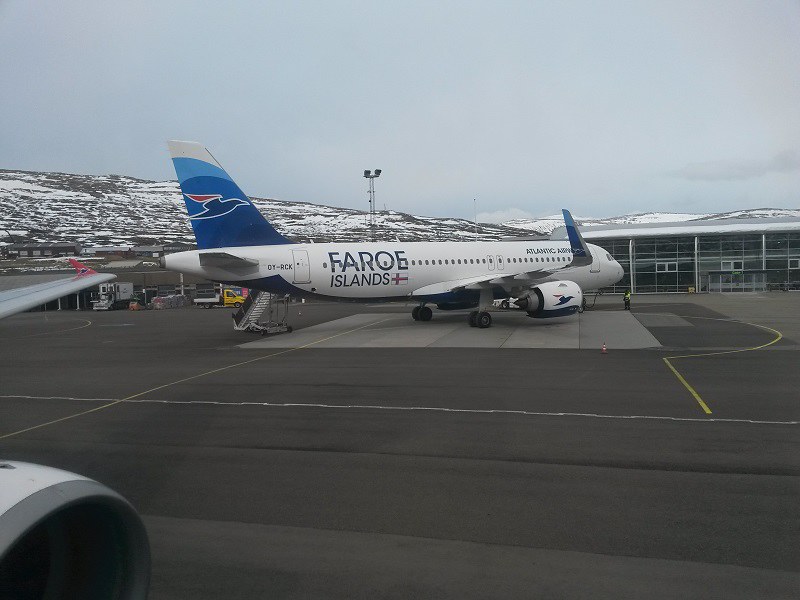
The days of the Faroes being difficult to reach are long gone. Today, Atlantic Airways offers direct flights from Edinburgh, Reykjavík, and Copenhagen straight into Vágar Airport, making access much more straightforward than many assume.
In addition, SAS operates a direct route from Copenhagen to Vágar, and there have even been discussions about potential flights from New York in the near future. This shift has opened the islands up to travelers who once thought the journey would be complicated.
These connections run throughout the year, which is a welcome surprise for such a remote destination. On one of my trips, I paid just over $100 for a round-trip ticket from Copenhagen—a price so reasonable that it genuinely surprised me.
3. Ferry Routes Connect the Faroe Islands with Denmark and Iceland

From Hirtshals in Denmark, there’s a ferry service that links the European mainland directly to the Faroe Islands. While I personally prefer flying, this route appeals to travelers who dislike air travel or simply want an alternative way to arrive.
One advantage of the ferry is the ability to bring your own car, making it a practical choice for those who don’t want to rent a vehicle once they reach the Faroes. (That said, rental prices are often lower than many expect if booked in advance.)
During the summer months, the ferry operates twice a week, though the schedule drops to once weekly in winter. The journey is carried out on the Norröna ship, and it takes roughly 37 hours to complete.
The same vessel continues onward to Iceland, meaning you can extend your trip beyond the Faroes or even arrive via Iceland before heading south. For the latest details on schedules, fares, and updates, Smyril Line’s official website is the best place to check.
4. Thinking of Wild Camping in the Faroe Islands? Think Again
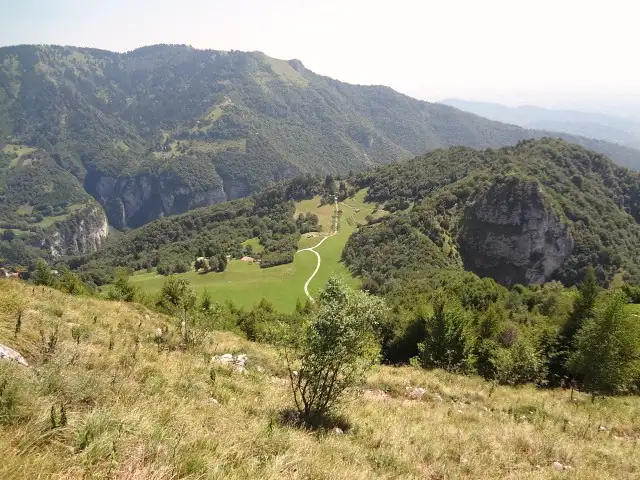
In many parts of Scandinavia and the Nordics, wild camping is allowed, giving travelers the freedom to set up a tent almost anywhere. The Faroe Islands are different—wild camping here is prohibited, and for good reason. The weather can turn severe without warning, and you’re never more than a few kilometers from the sea, which makes unregulated camping unsafe.
That said, there are designated campsites across the islands where camping is both legal and organized. These areas give visitors a chance to enjoy the outdoors while still respecting local rules and safety measures.
It’s also important to note that sleeping overnight in a car or campervan outside of official sites is not permitted. Some tourists have ignored this and created problems by parking in random lots, along roads, or even on private land. Respecting these restrictions is essential, as they exist to protect both locals and visitors.
For the most current updates, Camping.fo provides detailed information about available sites and regulations. If you’re considering camping in winter, make sure to call ahead and arrange your stay in advance, as services can be limited.
And if camping isn’t your thing? The Faroe Islands offer hotels, guesthouses, and rental options that provide comfort without any of the hassle.
5. Múlafossur Waterfall in Gásadalur Doesn’t Always Flow as Expected
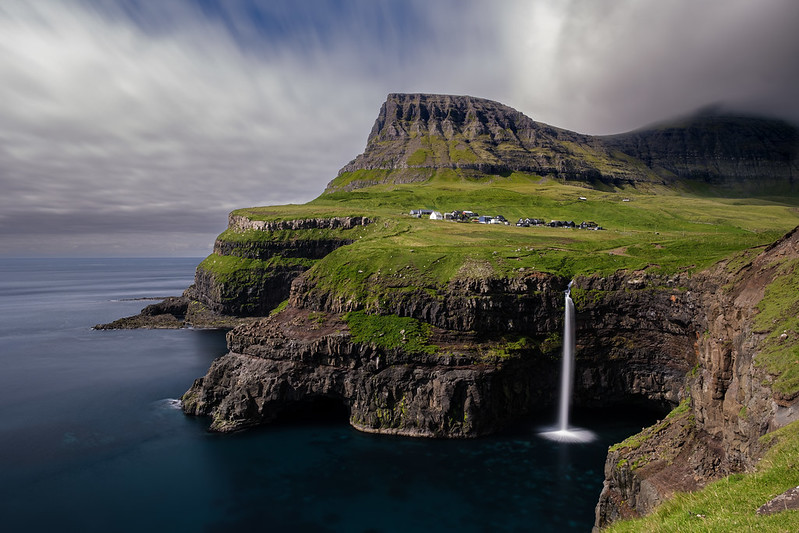
When people picture the Faroe Islands, three spots usually come to mind: the Kallur Lighthouse on Kalsoy, the striking illusion of Lake Sørvágsvatn, and the dramatic Múlafossur Waterfall dropping into the Atlantic at Gásadalur.
Here’s the truth—Múlafossur doesn’t always match the perfect photos you see online. At times, strong winds send the water upwards instead of down, giving the illusion that the falls are defying gravity. Patience pays off, though. Wait a few minutes, and when the gusts ease, you’ll often get the classic view you hoped for.
Locals joke that in the Faroes, the weather changes if you wait five minutes, and Múlafossur is a perfect example. It’s worth lingering with your camera ready because the scene can shift suddenly.
While you wait, the vantage point also offers a view of Mykines across the water, which adds to the experience. For convenience, visiting Múlafossur makes a great stop on the drive from Vágar Airport to Tórshavn, so you don’t even need to go out of your way to see it.
6. The Faroe Islands Lie Beyond the Schengen Agreement
This detail matters only to a small number of travelers, but it can be surprisingly useful. The Faroe Islands are not part of the Schengen Zone, even though they’re linked politically to Denmark.
For me, this worked out perfectly—I was able to spend a week in the Faroes without using up my Schengen days. That flexibility meant I could enjoy the islands and still have time left on my Schengen allowance for other parts of Europe.
It may seem like a minor technicality, but for long-term travelers juggling visas and entry rules, this distinction is something to be grateful for.
7. Puffins Are Rarely Spotted in the Faroe Islands
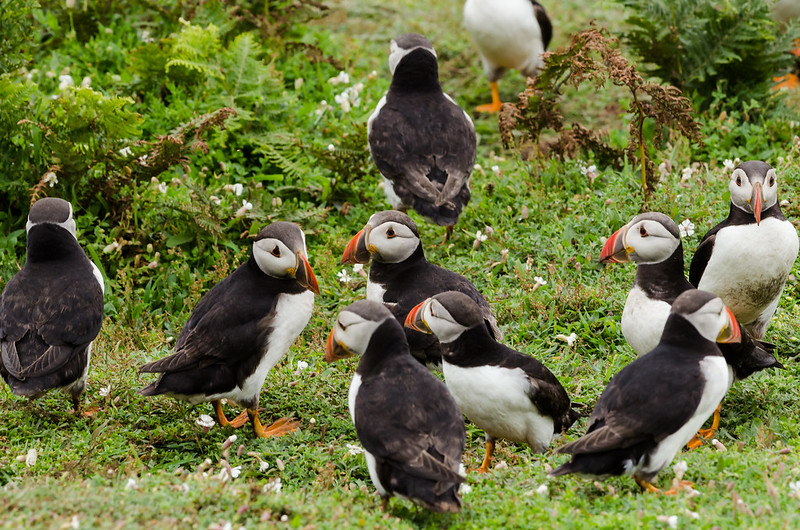
Whether or not you see puffins in the Faroes depends almost entirely on timing and location. Arrive in March, and your chances are close to zero. Visit in June, however, and the odds increase significantly—provided you put in the effort to reach their colonies.
The birds live across many of the islands, but their nesting areas are often far from accessible. On Kalsoy, for instance, there are around 40,000 pairs, but they stay along the rugged northern and western coasts, places difficult for people to reach. Puffins also inhabit Kunoy, Suðuroy, and several other islands.
Although many visitors are drawn by the promise of puffins, it’s important to respect their habitat and allow them space. They are just one of countless reasons to travel to the Faroes, and not the only highlight worth your attention.
If puffins are high on your list, do some preparation. Mykines is the most famous spot for sightings in summer, but puffins also appear on Skúvoy and, occasionally, near Vestmanna on Streymoy. Local tours often include puffin-watching trips to Mykines, making the logistics easier for travelers.
For more detailed information, there are guides and even downloadable birdwatching booklets available, which can help you plan the best opportunities to see these remarkable seabirds.
8. Visiting Mykines and the Optical Illusion Lake Now Comes with a Fee
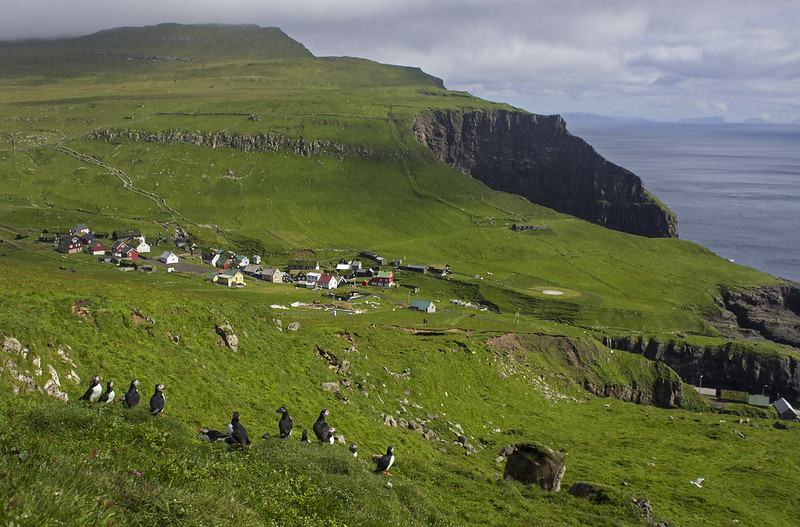
If you’re planning to see puffins on Mykines, be aware that there is now a fee to access the island. Sadly, irresponsible behavior from visitors—such as chasing birds for social media content—has led to stricter rules. The fee itself isn’t high, but it reflects an effort to protect the fragile ecosystem and keep the puffins safe.
I’m honestly relieved to see the Faroe Islands taking steps to safeguard the wildlife here. Booking a guided tour is one of the simplest ways to visit Mykines while respecting local guidelines, and many options are available if you research in advance.
As of 2019, another favorite—often referred to as the “Optical Illusion Lake” hike—also requires a payment. I was lucky enough to do it twice before fees were introduced, but I understand the necessity. Land maintenance isn’t easy or inexpensive, and these costs help keep the trail accessible.
For this hike, you have a few choices:
- Book ahead with a local guide – secure your spot and go with expert guidance.
- Join a scheduled group hike – departures at 9 AM, 12 PM, and 3 PM, led by local guides. Price: 450 DKK per person (100 DKK for children).
- Pay 200 DKK to hike independently – the trail itself is simple if the weather cooperates, making this an affordable option for confident walkers.
These changes may seem inconvenient, but they reflect the islands’ commitment to protecting nature and balancing tourism with preservation.
9. Ride the Buses in Tórshavn at No Cost

Yes, you read that correctly—public buses within the Tórshavn municipality are completely free to use. Several routes operate across the area, making it simple and affordable to get around without worrying about tickets or passes. Honestly, I wish more cities around the globe invested their tax money in accessible transport like this.
It’s an excellent system and one that makes me more inclined to choose buses over driving. There’s a certain ease in stepping aboard without having to think about fares, apps, or coins.
Even better, the routes aren’t limited to the city center. Some extend to nearby spots, including Kirkjubøur, a historic village just outside Tórshavn. For anyone with an interest in Faroese history and culture, a bus ride there is a perfect way to explore without extra costs.
10. Seawater Here Bursts with Extraordinary Color
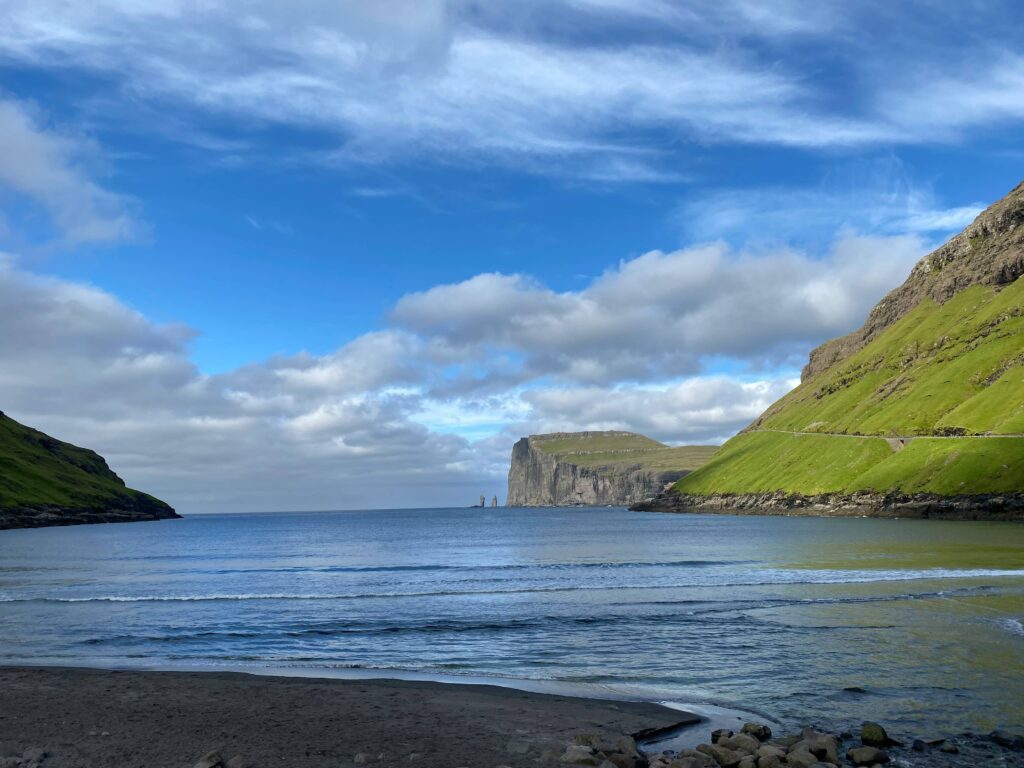
This might sound like a small detail, but it left a big impression on me—the seawater in the Faroe Islands is a remarkable blue-green shade. Before visiting, I assumed it would be dark and dull, maybe even blackish in tone. Instead, I was taken aback by how vivid and almost glowing it appeared.
Many photos online highlight the bright hues of the water, and honestly, I once assumed those images were heavily edited. But standing there in person, I realized the colors are very real. The clarity and brightness are undeniable, especially under certain light.
While I saw this brilliance in many places, Sandoy stood out in particular. The water there seemed to carry an almost electric blue with a subtle teal tint—a combination I won’t forget.
It leaves me wondering: is there anywhere in these islands that doesn’t leave you amazed by its natural beauty?
11. Beer Costs in Tórshavn Rarely Differ
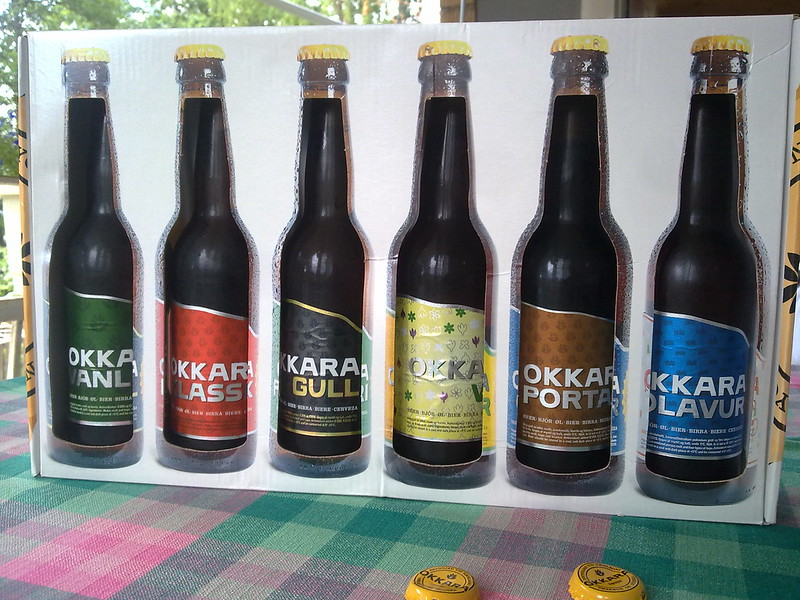
When I arrived in Tórshavn, I was pretty shocked to learn that no matter which local beer I ordered, the price stayed the same across bars.
The hotel bars had the local beer at exactly the same price as a small dive bar. Even at my favorite place, Sirkus, the prices didn’t differ.
Of course, craft beers and imports will cost a little more, and I can’t say for certain that those are standardized across the city (there aren’t that many bars in the first place). Still, I really appreciated this as a traveler because it meant I could pick a bar for its atmosphere rather than worrying about whether I could afford it.
There are two breweries in the Faroe Islands: Okkara and Føroya Bjór. Both make a range of beers, and Føroya Bjór also produces soft drinks that you can easily find in grocery shops.
You’ll spot these beers everywhere—bars, restaurants, and cafés throughout Tórshavn and beyond, as long as the place has a license to serve alcohol.
12. At Grocery Stores, Alcohol Is Limited to 2.8% or Less

If you’re hoping to buy alcohol stronger than 2.8% ABV in the Faroe Islands, you won’t find it at the local supermarket. Instead, you’ll need to visit Rúsdrekkasøla Landsins, the state-run monopoly for alcoholic beverages.
The tricky part is the opening hours—they’re even shorter than typical banking hours, so you’ll need to plan ahead if you want to pick up drinks for your stay.
That said, I was impressed by the variety available once inside. The shops carry a wide selection of both local and imported options. However, there are only six of these outlets across the islands, so you’ll want to check that you’re near one and that it’s actually open before making the trip.
You’ll find them in Klaksvík, Miðvágur, Saltangará, Skálavík, Tórshavn, and Drelnes. The Tórshavn branch isn’t located by the harbor, and reaching it requires a bit of effort—either a car or a willingness to walk uphill.
If you’d rather skip the hassle, you can also stock up at the duty-free shop at Vágar Airport upon arrival. It’s often the easiest option for many travelers.
13. The Fishmonger Serves Up Delicious Catch at a Great Price

If you’re staying in a hotel, cooking your own meals probably isn’t an option. During my stay, however, I had an apartment, and one afternoon we wandered down to the harbor to see what the local fishmonger had brought in fresh that day.
We ended up buying some freshly caught cod, and honestly, the experience set the tone for one of the best meals I’ve ever had on the islands. The fish was inexpensive yet bursting with flavor—I still think about it.
Paired with local potatoes and root vegetables, we turned it into a simple fish casserole in our rented kitchen. That dish easily became my favorite meal of the trip.
It was also eye-opening to see firsthand how central fishing is to daily life here. Beyond being a multi-billion-dollar industry, it’s something that shapes culture, cuisine, and the rhythm of everyday living in the Faroes.
14. Northern Lights Sightings in the Faroe Islands Are Rare
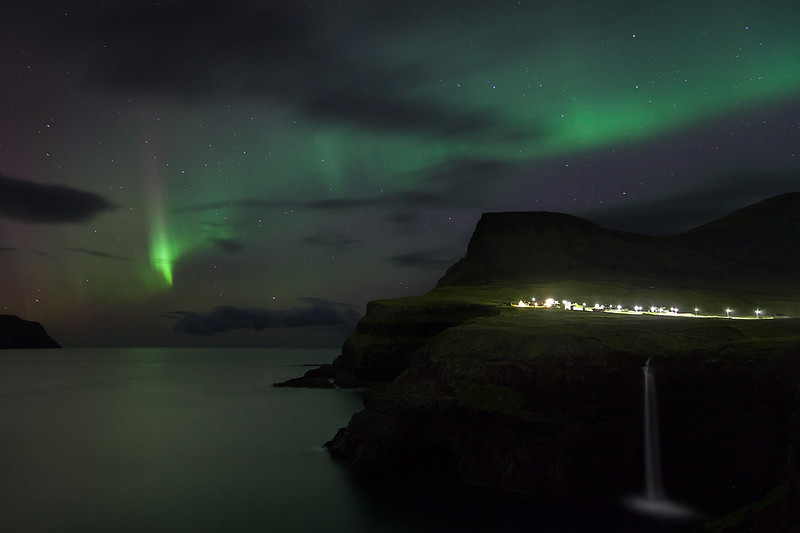
The Faroe Islands sit a bit too far south, and the weather tends to be unpredictable, which makes them less than ideal for spotting the Northern Lights.
That doesn’t mean it’s impossible—photos do exist of the aurora dancing above the Faroes—but if you plan a trip solely for that purpose, there’s a good chance you’ll leave disappointed.
That said, visiting in the off-season still has its own rewards. Fewer tourists, dramatic weather, and the striking landscapes of the islands during the cooler months are more than enough reason to make the journey. And if the sky does happen to light up, you’ll count yourself lucky.
For those interested in photography, I’ve put together a Faroe Islands guide with tips that can help you make the most of your time, aurora or not.
15. Reaching Saksun Can Be a Long Wait During High Season
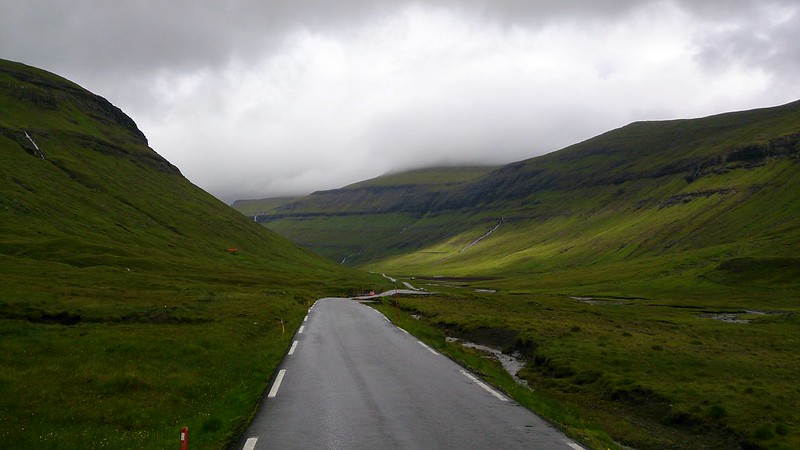
If you plan to visit Saksun, start early. When I went in March, the road was empty, and driving there was simple. But I kept thinking how stressful it might be during peak season. The road is narrow, often one-lane, and bends constantly.
What makes the trip even slower is the scenery itself. The Faroese landscape feels like a permanent postcard, and it’s nearly impossible not to stop every few minutes to snap photos. The pull to pause is strong, and before you know it, the drive has doubled in length.
It already took us quite a while to get there, mostly because of our own photo breaks. I can’t imagine how much longer it would take with campervans, tour buses, and extra traffic sharing the same winding road.
16. Pick Up a Faroese Sweater for Less in a Second-Hand Stores
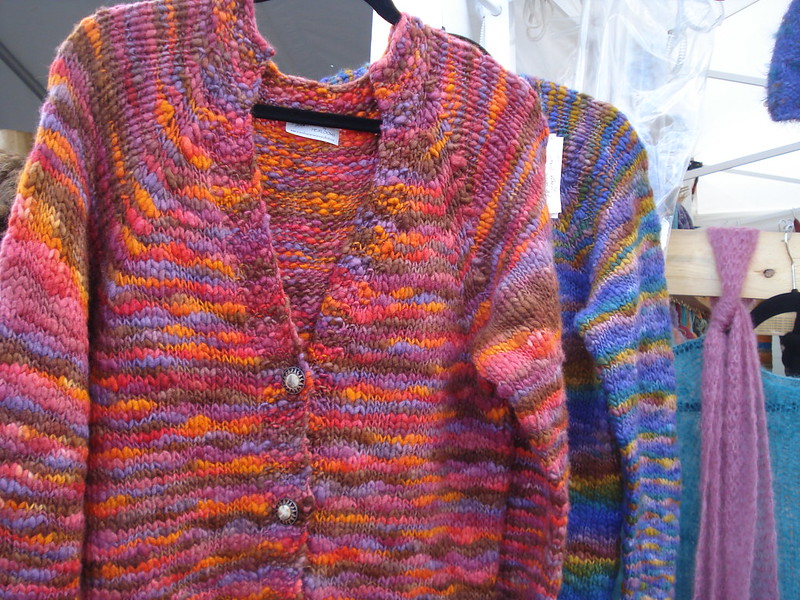
The famous Faroese wool sweater is highly desired by visitors and fans of the islands. The only problem? They are expensive, and if you’re traveling on a budget, the price tag can be discouraging.
Years ago, I dreamed of owning a Guðrun & Guðrun knit straight from the Faroes, but the cost was far outside my range during my visit.
That said, second-hand shops can sometimes surprise you. While there’s no guarantee, it’s worth checking as you might stumble upon a hand-knitted treasure for just a fraction of the usual cost.
In Tórshavn, ask around for thrift stores. We came across several, though many seemed to be closed most of the time. The one that was consistently open during our stay was a Salvation Army shop located near the harbor.
There are also rumors of a second-hand shop in Klaksvík that occasionally sells Faroese wool, though I haven’t confirmed this myself. Still, given how small the islands are and how friendly the locals can be, chances are someone will happily point you in the right direction.
If you decide to purchase new instead, remember to request tax-free. You’ll get a 15% refund once you leave the islands.
17. The House in Saksun Is Off-Limits to Visitors
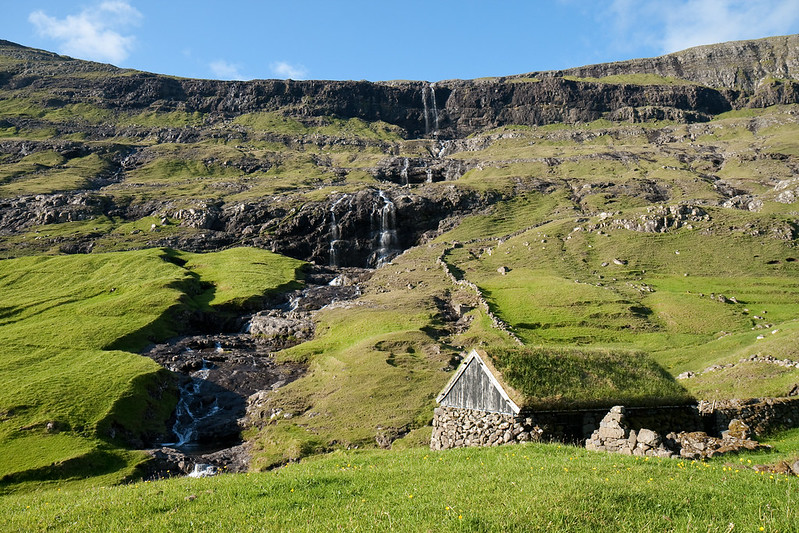
In Saksun, there’s a well-known house with a grass roof that often appears in photos of the village. It belongs to a farmer, and while it may look like the perfect scene for your camera, remember—it’s someone’s private home.
The resident has every reason to be frustrated when visitors cross his land, peer through his windows, or use his house as the backdrop for their Instagram shoots. Please, resist the temptation and respect his privacy.
Saksun has plenty of incredible viewpoints and landscapes you can photograph without intruding. Take advantage of those instead, and you’ll still leave with great photos.
Update (2020): There is now a 75 DKK fee to access the black sand lagoon in Saksun. Payment can be made upon entry, and this helps manage the increasing number of visitors.
18. Turning Off Automatic Lights in Your Rental Car Can Cause Trouble
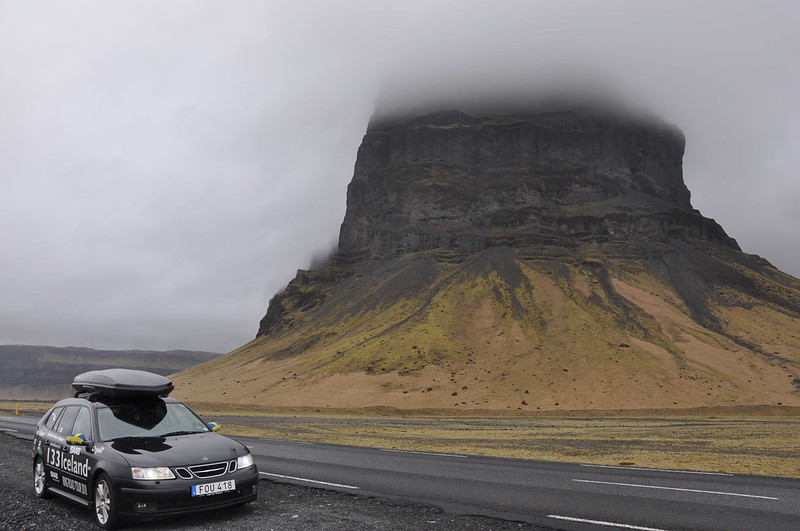
I’m fairly certain this isn’t even allowed, but during one of my trips, we turned off the automatic lights while waiting for a ferry. The problem? We forgot to turn them back on afterward.
As soon as we drove off the ferry, we went straight into a one-lane tunnel heading toward Múli—and within moments, we crashed the car. Yes, we wrecked our rental in the Faroes.
At first, I thought it was a mechanical fault, that the lights had failed on their own. But later, I realized the truth: we had switched them off ourselves and never remembered to turn them back on. A costly mistake, and one I’ll never repeat.
Thankfully, the rental company in the Faroe Islands was straightforward to deal with, even after the accident. If you’re planning to rent a car there, you can check rates and availability here.
19. For Photography in the Faroe Islands, Pack a Wide Angle Lens
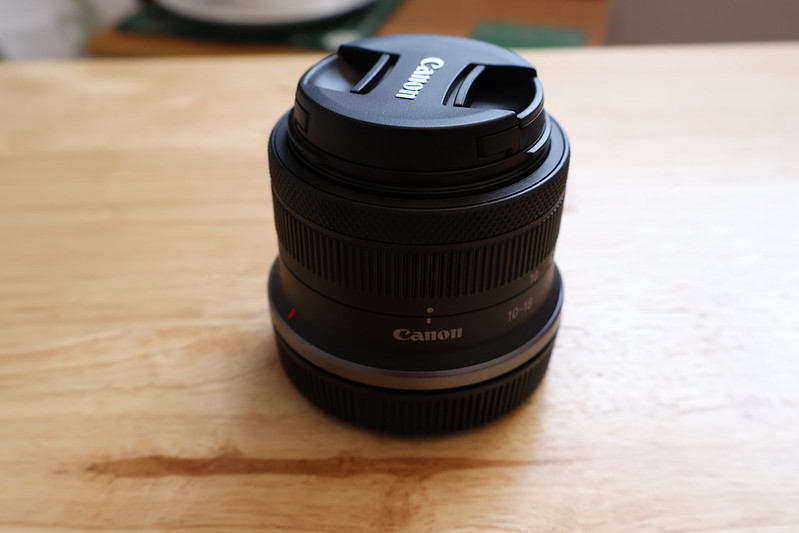
The landscapes in the Faroes are absolutely massive and will make you feel tiny in comparison. To translate that feeling into your photos, you’ll want to have a wide-angle lens with you.
I used a Canon 10–18mm that was inexpensive and worked perfectly for shooting the scenery. I’m not a professional photographer, so I didn’t need anything more advanced than that lens and a couple of my other standards.
I was really pleased with how the photos turned out and can easily recommend that lens to anyone using a cropped sensor camera.
Here’s one of the images I took in the Faroes with the wide-angle lens:
If you’re into bird photography, I’d also suggest bringing along a zoom lens that fits your camera. I share a recommendation for one at the end of this post.
A zoom lens is also useful for capturing other islands in the distance—you can almost always spot another island from wherever you’re standing in the Faroes.
20. In Low Season, Ferries May Need to Be Booked in Advance
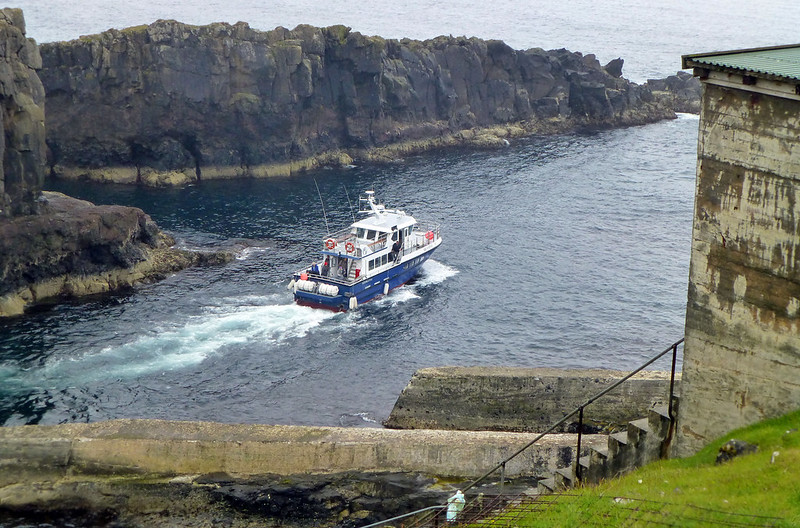
If you plan to visit Skúvoy or another less-frequented island in the off-season, you’ll often need to call ahead to request the ferry.
The ticket price doesn’t increase, but the boats won’t operate unless there’s demand. That’s why it’s smart to get familiar with the SSL (Strandfaraskip Landsins) website in advance so you don’t run into surprises.
I learned this the hard way—you could easily find yourself sitting on Sandoy waiting for a ferry to Skúvoy, panicking when it doesn’t magically appear to take you across.
In our case, the delay actually worked out, since a heavy storm rolled in and we were better off staying put. But it could have been avoided with better preparation.
For schedules and details, including notes about which ferries must be ordered in advance, check the official Strandfaraskip Landsins site where everything is clearly listed.
21. Arrive Early for the Kalsoy Ferry in Klaksvík
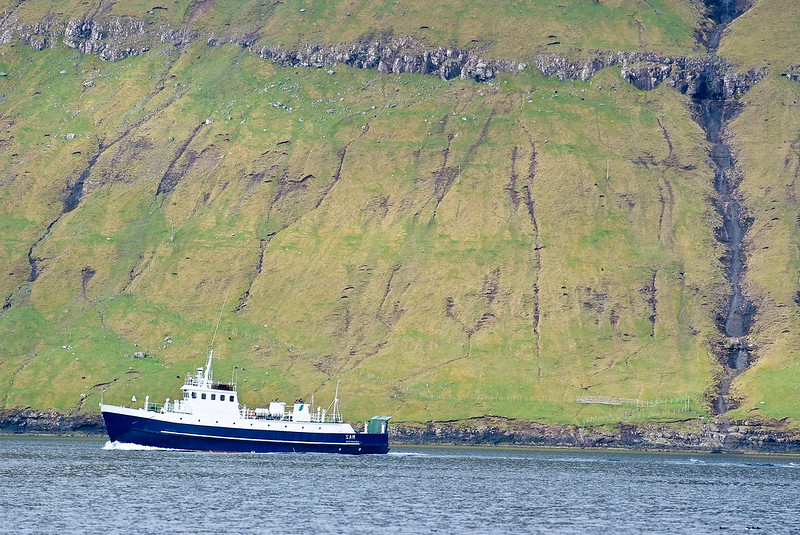
The ferry to Kalsoy is small—at least the one we took was—and it only managed to fit a limited number of cars. I’m not sure if a larger vessel runs during high season, but capacity is always tight.
Kalsoy itself doesn’t have the infrastructure to manage large crowds or heavy traffic, so don’t expect special arrangements just because you couldn’t make it onboard. If the ferry is full, you’ll simply have to wait for the next one.
With tourism in the Faroes on the rise, the demand for Kalsoy continues to grow, especially for those aiming to do the famous lighthouse hike and capture that iconic photo. If it’s high on your list, plan ahead: get to the ferry early and wait it out. Kalsoy is absolutely worth the effort.
22. Did You Know the Faroe Islands Issue Their Own Currency?
The Faroe Islands issue their own banknotes, decorated with distinctly Faroese imagery. One of my favorites is a bill featuring Tindhólmur, which I kept as a souvenir from my trip.
When paying on the islands, you can use either Faroese Krónur or Danish Kroner. Both are accepted, and the exchange rate is equal, so you don’t need to convert between them.
Keep in mind, though, that Faroese banknotes can’t be exchanged outside the islands. It’s best to spend them before leaving—but saving a bill or two makes for a memorable keepsake.
You can withdraw Faroese Krónur directly from ATMs, or sometimes receive them as change in shops. Either way, you’ll find the currency easy to use during your travels.
23. The Famous Illusion Lake Shot in the Faroe Islands Isn’t Simple to Get
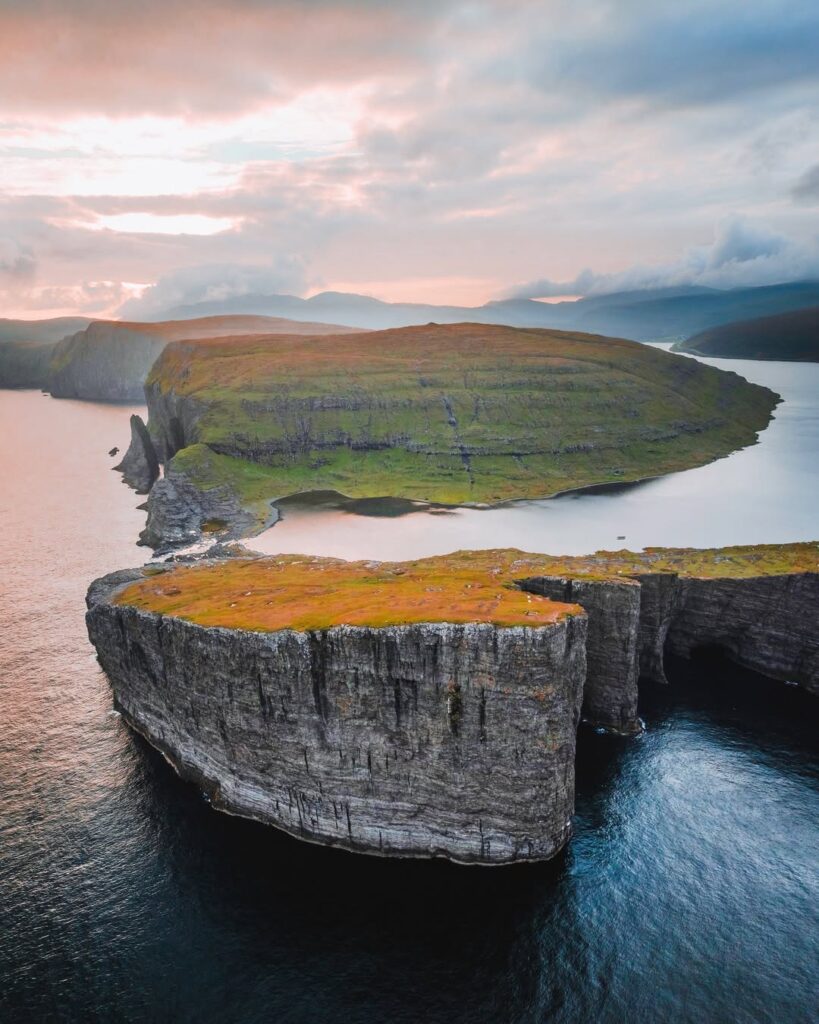
Well, it kind of is—if the weather cooperates and you’re not afraid of heights. When I went, the skies were decent at first, but the wind quickly picked up, and I wasn’t about to risk edging any closer than I already had. My fear of heights didn’t exactly help, either.
Now that I know how to approach it properly, I’ll be more prepared next time, making sure the weather is on my side before attempting the shot again.
That said, some of the surrounding viewpoints are, in my opinion, even more dramatic. Many visitors stop short and forget to keep walking toward the ocean, where you can actually catch an even more striking perspective.
Update 2020: I still haven’t nailed the shot. On my second attempt, the lake was completely hidden by fog. The hike was still enjoyable and beautiful, but the photo I had hoped for just wasn’t going to happen.
24. Rainfall Brings the Power to Faroe Islands Waterfalls
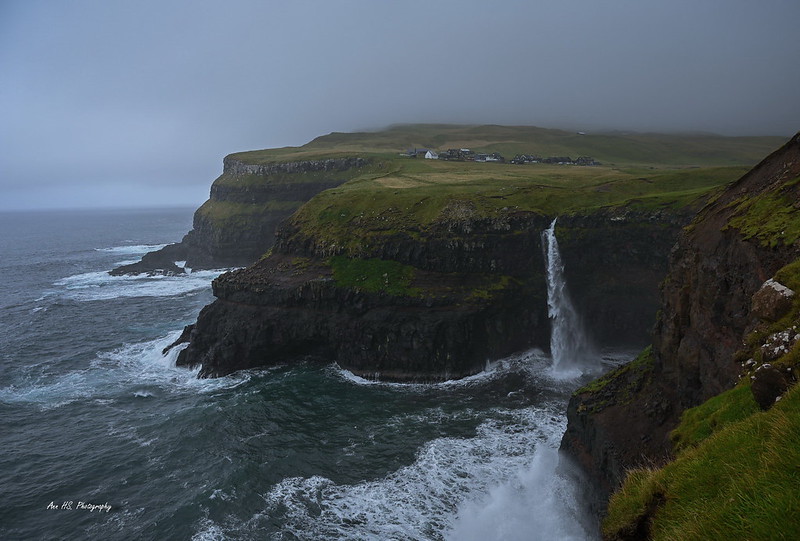
Obvious, right? Still, I hadn’t fully considered how much rain influences waterfalls until I was in the Faroes. Snow isn’t especially common here, but the islands get plenty of rainfall, which usually keeps the waterfalls roaring. But sometimes, the timing doesn’t work out.
One of the sights I was most excited for was Fossurin í Fossá, one of the tallest and best-known waterfalls in the Faroes. Located in Sunda Kommune on northern Streymoy, it’s usually an unmissable stop for visitors.
On our drive from Tjørnuvík to Gjógv, we kept an eye out for the falls. I knew it had two cascades and a reputation for being dramatic, yet somehow, we completely missed it.
We eventually gave up and continued on. From the other side, on Eysturoy, we finally spotted it across the water. To our disappointment, it was barely flowing. It became clear that without recent rainfall, even one of the islands’ biggest natural wonders can shrink down to almost nothing.
We snapped a photo, but it wasn’t the view I’d been hoping for. Sometimes, the Faroese weather delivers incredible sights—and sometimes, it reminds you just how much nature calls the shots here.
25. Gas Prices in the Faroe Islands Are on the Lower Side
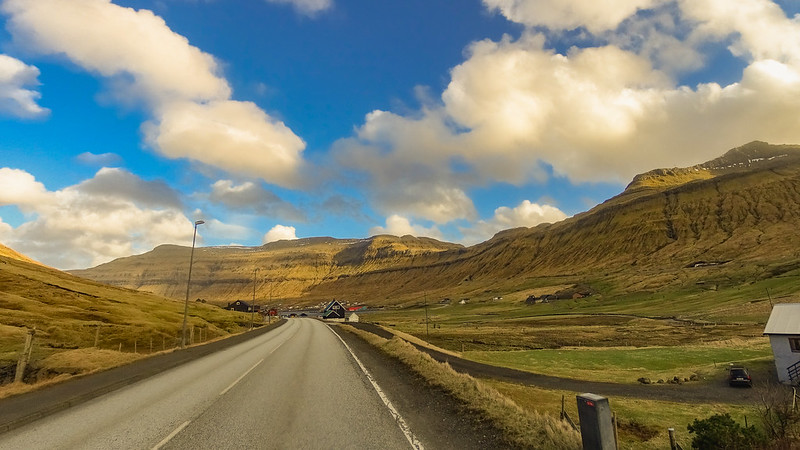
Fuel in the Faroe Islands is less expensive than in many northern and western European countries, Denmark included. It’s a small relief in a place where most other things tend to be costly.
Another perk is that distances are shorter than they appear on the map. We spent about a week exploring, covered more ground than most travelers do, and only had to fill the tank once—right before returning the car.
I was traveling with friends from England, and they couldn’t believe how much lower the petrol prices were compared to what they pay back home outside London.
If you’re coming from the U.S., just keep in mind that gas prices differ dramatically across Europe, and the Faroes are no exception. Still, compared to nearby countries, it feels fairly manageable here.
26. The Buttercup Routes Offer a World-Class Road Trip Experience
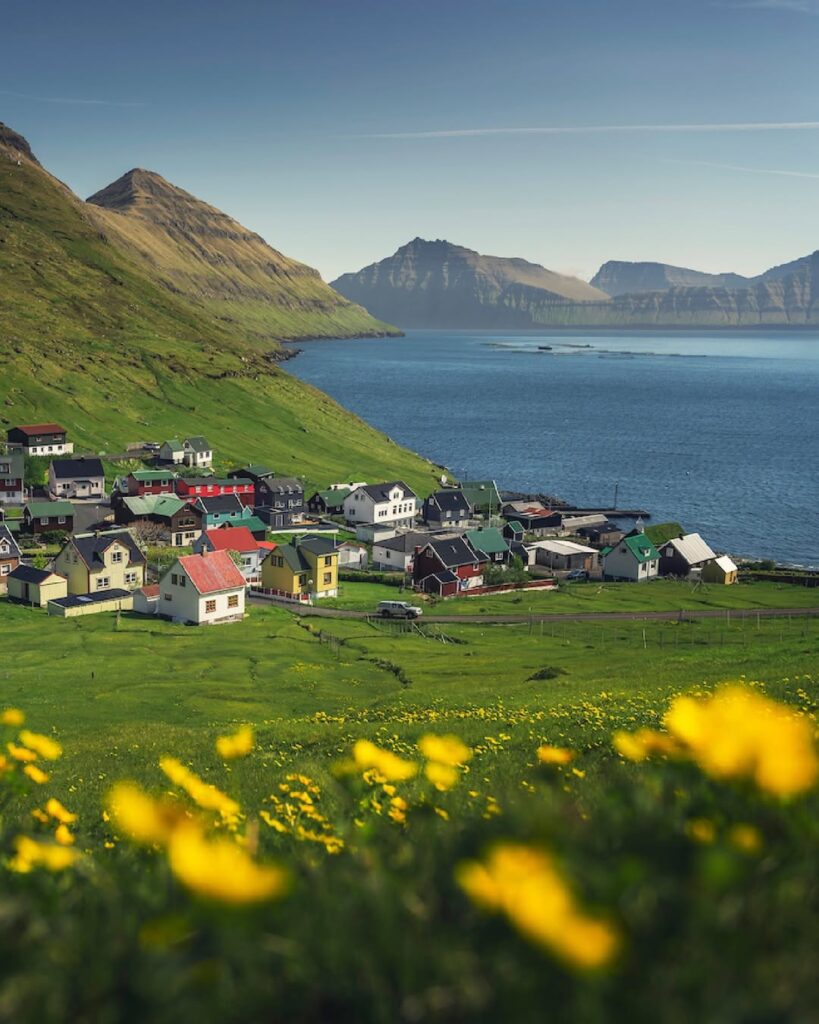
If you pick up a map in the Faroe Islands, you’ll notice small flower symbols scattered along certain roads. These mark the Buttercup Routes, and they highlight drives with especially striking scenery.
When I first visited, I hadn’t done much planning ahead of time. I was glad, because I didn’t even know these routes existed until I got there. The map practically designed the road trip for us, pointing out where the most impressive views were waiting.
Driving in the Faroes is straightforward since there aren’t many roads to begin with, but having these marked routes adds a layer of guidance that’s both helpful and exciting.
You can grab a map with the Buttercup Routes at the airport or the tourism office when you arrive. Don’t skip it—it’s the simplest way to make sure your road trip takes you through the most memorable stretches of the islands.
27. Government Subsidies Make Helicopter Rides in the Faroe Islands Affordable
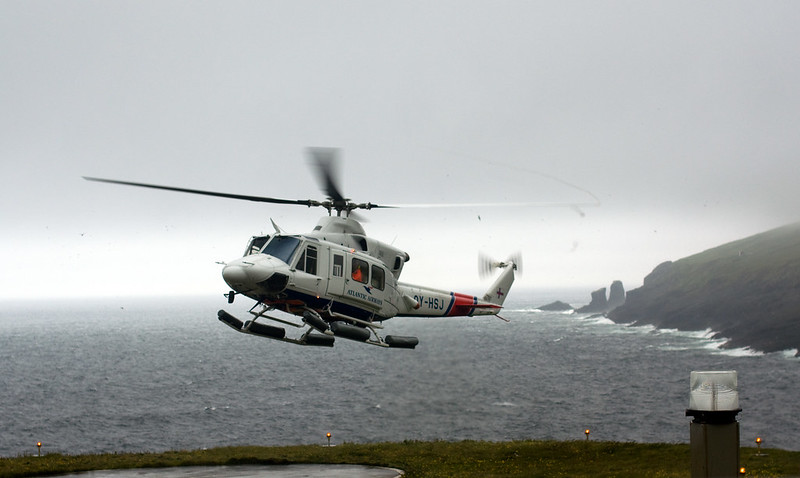
Helicopter rides in the Faroes are surprisingly inexpensive thanks to government subsidies. But keep in mind—these flights were designed primarily for residents, not tourists. Because of this, you can’t book round-trip tickets, and reservations can’t be made more than two months in advance.
That said, helicopters are a practical way to reach some of the more remote islands, especially those that are harder to access by ferry. Still, visitors should use them sparingly and respectfully, rather than treating them as a regular sightseeing option.
If you’d like to check schedules or routes, Atlantic Airways publishes the current timetable on their site. It’s worth reviewing before you plan your trip.
28. Fulmar Egg Harvesting and Eating Remains a Tradition
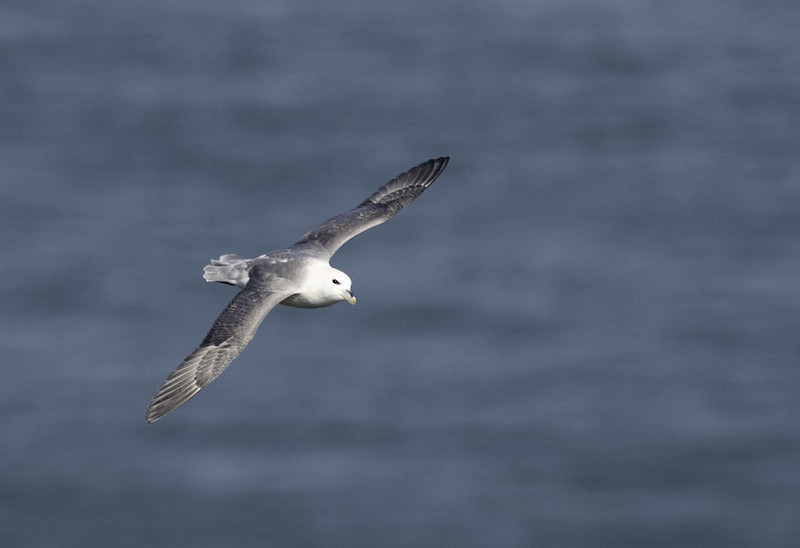
I’m not sure how common it is for locals to eat fulmar eggs today, but I’ve seen several programs that mention the practice, and it definitely caught my attention.
Personally, I enjoy eggs, but I usually stick to the familiar—chicken or quail. I can’t say I’d be brave enough to eat a fulmar egg outright, though I’ve heard of people making curries with them, which sounds like something I might consider trying.
There’s also a tradition of harvesting seabird eggs on Suðuroy, which ties into the islands’ long history of relying on the sea and its resources. It’s one of those cultural details that sets the Faroes apart and reflects how people here have adapted to their environment for centuries.
29. Sirkus Bar Serves as a Hub for Tórshavn’s Life and Culture
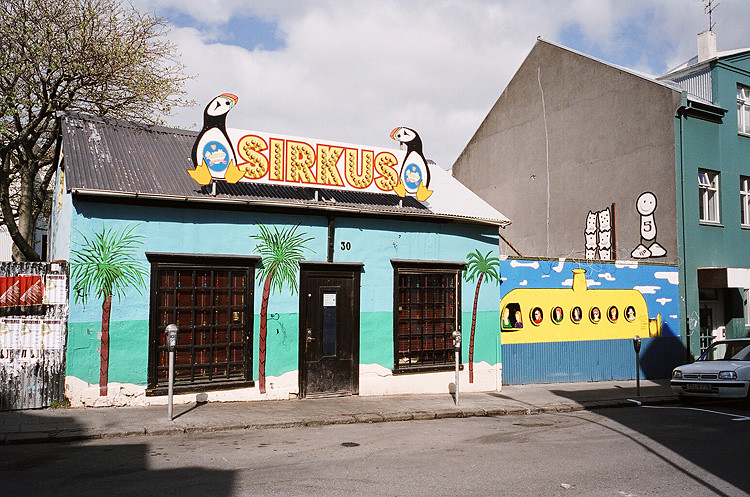
My favorite bar in Tórshavn was without question Sirkus. Located at Vágsbotnur near the harbor, it quickly became my nightly stop for a drink, some music, and good company.
Sirkus is more than just a bar—it celebrates art, music, and community. The owner, Sunneva, once worked at a venue by the same name in Reykjavík. When that closed, she brought the idea to Tórshavn, creating a space where everyone is welcome.
The atmosphere drew me in right away. The smell of Indian food drifting from the kitchen (they serve vegan and vegetarian options), the chance to sip local beers, and the live music all combined to make it feel like a home away from home. Everyone there seemed relaxed and happy, which made the place even more inviting.
One important thing about Sirkus is its purpose: it was founded as a safe haven for people to be themselves. While the Faroes are moving forward in some ways, there is still tension toward the LGBTQI community. Sirkus provides a refuge, which is why photography inside is discouraged—respecting the privacy of those who gather there. I think Sunneva’s vision is brilliant.
Adding to the experience, the first floor houses Bjórkovin, or the beer cove. It was the first craft beer bar in the Faroes and features selections from Iceland. I spent a memorable evening there enjoying Icelandic brews served by a friendly French bartender.
For more on Sirkus and its role in Tórshavn’s cultural life, you can check out their page.
30. Mind the Sheep When Traveling by Car

Sheep are everywhere in the Faroe Islands, and sooner or later, they’ll wander across your path while you’re driving. If you hit one, it’s considered your responsibility. In that case, you must call the police in Tórshavn right away at 351448.
Instead of honking or trying to push them along, be patient. Pull over, grab a photo of the little roadblock, and wait them out. They’ll eventually lose interest in standing there and wander off on their own.
31. Conveniently Located Grocery Stores Tend to Cost More
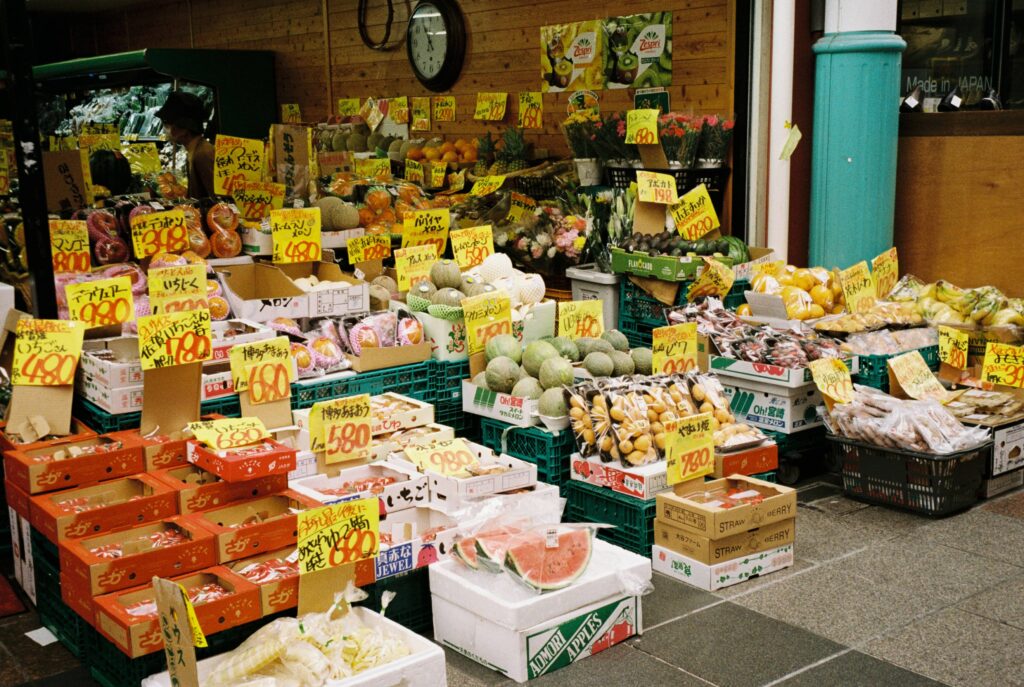
This isn’t a hard rule, but if you’re in Tórshavn and grab groceries or snacks from shops close to the harbor, chances are you’ll pay more for the convenience.
On my first visit, we shopped at Mylnan, and while the food was excellent quality, the prices were noticeably high. At the time, we didn’t think to look elsewhere. Later, after wandering further through Tórshavn, we found another shop with much lower prices. We also picked up items from a few Bónus stores outside the city, which were far more affordable.
In the end, we kept going back to Mylnan anyway—the bakery is fantastic, and their fresh orange juice is unforgettable. Sometimes quality wins out, even at a higher cost.
One more thing to keep in mind: coffee in the Faroes is expensive. If you drink it daily, it’s worth bringing a small coffee kit or checking if your hotel provides it for free or at a reasonable price.
That said, if you want to support a local café (and you should), I highly recommend Brell Café. They roast their own beans and serve some of the best coffee in Tórshavn, all while offering a cozy spot for both locals and travelers.
Is Travel Insurance Necessary for the Faroe Islands?
Yes—you absolutely should have travel insurance for a trip to the Faroe Islands. Whether you’re hiking across rugged terrain, driving along narrow roads, or simply admiring the dramatic landscapes, it’s smart to be covered in case something unexpected happens.
One provider we recommend is SafetyWing, an Oslo-based company offering wide coverage at a surprisingly affordable rate. Their policies work well for trips to places like the Faroes, where nature is stunning but unpredictable. With their coverage, you’ll have peace of mind while exploring one of the most striking destinations on Earth.
Essential Guide to Renting a Car in the Faroe Islands
The Faroe Islands are best explored with your own set of wheels. Renting a car gives you the freedom to pull over whenever the mood strikes—whether it’s to snap a photo, take in the sweeping views, or simply enjoy the landscape at your own pace.
Driving here, however, is not something to take lightly. The roads can be narrow, winding, and often unpredictable, so it’s important to read up on local driving rules before you go.
Still, for anyone eager to experience the islands beyond the main towns, a rental car is the most rewarding option.
Best Ways to Get to the Faroe Islands
Reaching the Faroe Islands is no longer the challenge it once was. Flight connections have expanded in recent years, with new routes opening from across Europe and even a direct option from the United States beginning this fall, departing from New York City.
From my experience, the most affordable way to get there is to fly into Copenhagen first and then continue on with Atlantic Airways directly to Vágar Airport. It’s straightforward, reasonably priced, and one of the easiest routes for most travelers.
Top Faroe Islands Tours to Add to Your Itinerary
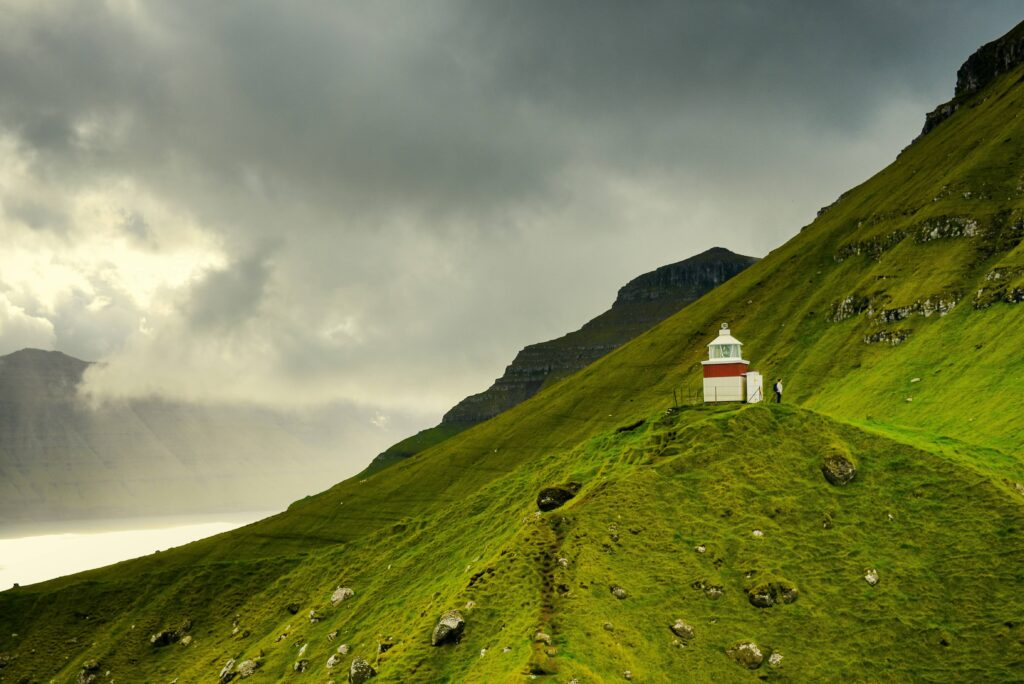
While many visitors choose to rent a car and explore all eighteen islands on their own, you don’t necessarily need to drive to enjoy the Faroes. Joining a tour is a simple and affordable way to see the highlights without worrying about logistics.
I’ve put together a full list of recommended tours, but here are the five most popular options that travelers consistently book:
- Outstanding Faroe Islands “See It All” Tour (7 hours) – A top-selling option that covers major sights in a single day.
- Vestmanna Sea Cliffs Boat Trip (1.5 hours) – A short but unforgettable journey along dramatic coastal cliffs.
- Mykines 6-Hour Tour (with puffin guarantee) – Perfect for bird enthusiasts and those wanting a memorable day trip.
- Kalsoy and Kallur Lighthouse Guided Tour (8 hours) – My personal favorite, offering one of the most iconic viewpoints in the Faroes.
- Classic 4-Hour Tour of Vágar – Great for travelers short on time but still eager to see some of the island’s best scenery.
Tours like these let you focus entirely on the landscapes and experiences, leaving the driving and planning to someone else.
Where to Stay in the Faroe Islands: Best Hotels & Guesthouses
Accommodation in the Faroe Islands feels special largely because of the landscapes that surround you. Even simple lodgings often come with views that will leave you pausing at the window before heading out.
If you’d like a detailed breakdown, I’ve created a full guide to staying in the Faroes, organized by island. But here, I’ll share some of our favorite places across four of the main islands to help you start planning:
(List of recommendations would follow here, grouped by island.)
1. Hotel Djurhuus (Streymoy)
Hotel Djurhuus sits on Streymoy Island, right in Tórshavn. The property itself is fairly simple, but it carries plenty of character, serves a satisfying breakfast, and offers lovely views of the sea.
The location is excellent—just a short walk from the city center—and the hotel provides parking, which is convenient if you’re exploring by car. I stayed here on my second trip to the Faroes, and the rooms were spotless, cozy, and comfortable.
2. Gjaargardur (Eysturoy)
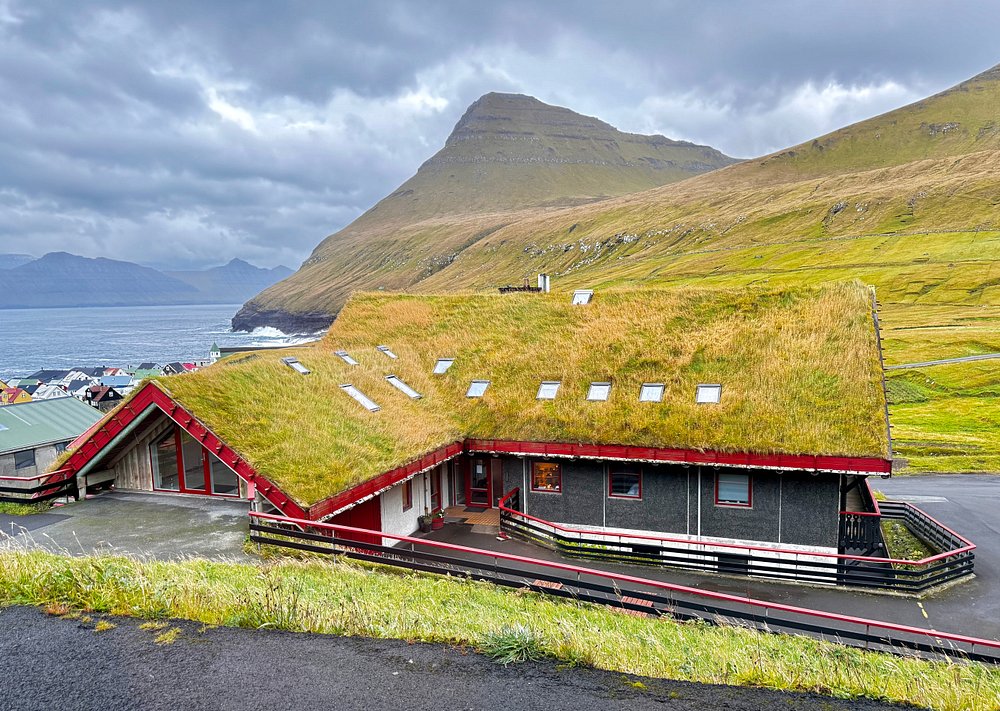
For a stay on Eysturoy surrounded by dramatic scenery and character, Gjaargardur Guesthouse in Gjógv is an excellent choice.
The guesthouse sits in the center of the village, giving you the chance to experience Faroese hospitality in an intimate setting. Spending at least one night here is highly recommended—you’ll quickly find yourself captivated by the charm of Gjógv and the sense of place it offers.
3. Hotel Klaksvík
If your travels take you to the northern isles—especially Kalsoy—it’s worth spending a night in Klaksvík, often considered the Faroes’ “second city.” It has its own atmosphere and makes for a convenient base.
A solid option here is Hotel Klaksvík. The rooms may feel a bit dated, but they’re comfortable, and the staff are welcoming. A good breakfast is included, and the location puts you within walking distance of local restaurants and pubs.
4. The View (Vágar)
This guesthouse on Vágar Island lives up to its name—The View—and it doesn’t disappoint. From the village of Bøur, where the property is located, you can look straight out toward Tindhólmur islet, one of the Faroes’ most striking landmarks.
If you plan to spend a day exploring Vágar’s highlights, consider treating yourself to a stay here. Waking up to such an extraordinary panorama is the kind of memory that stays with you long after you’ve left the islands.
If you’re preparing for a trip to the Faroe Islands and still have questions about where to go or what to see, feel free to reach out. We’re always excited to share advice and help make your visit as smooth as possible.