
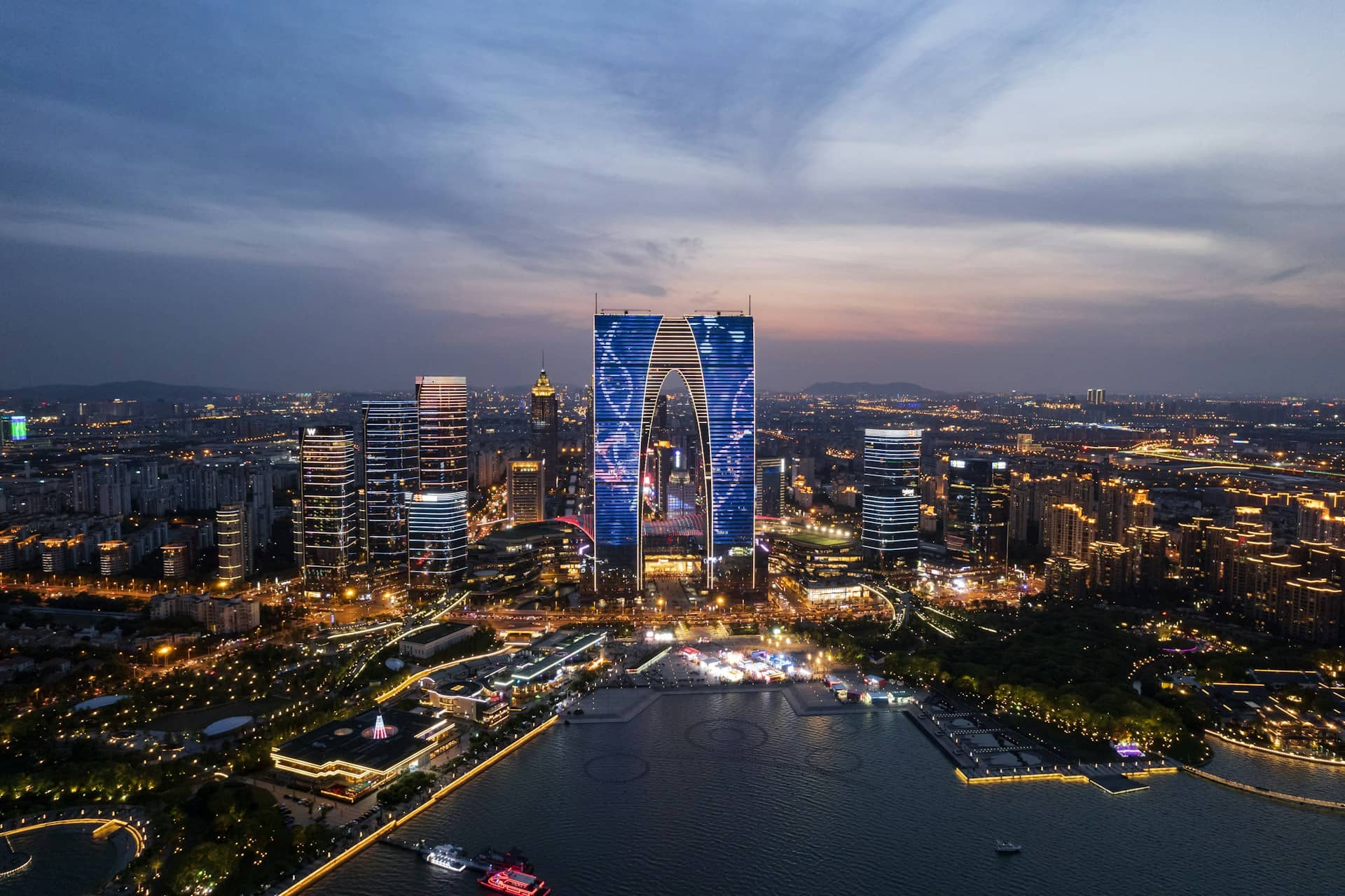
Experiencing a destination through its culture creates memories that last far beyond typical sightseeing. Engaging with local traditions, festivals, and arts brings travelers closer to the essence of a place, allowing them to feel its rhythm and heritage firsthand. From bustling markets to serene historical sites, each interaction enriches your journey with context and meaning.
Top destinations for cultural immersion span continents. Countries like Japan, Morocco, Italy, and Peru offer vibrant festivals, culinary adventures, and historic tours that highlight local life. Travelers can join hands-on workshops, attend art exhibitions, or participate in community-led events that reveal traditions often missed by standard itineraries. Even short visits can provide deep insight when carefully planned around cultural highlights.
For families, solo travelers, and luxury explorers alike, these experiences can be tailored to match interests and pace. Guided historical tours, educational workshops, and curated local excursions provide structure while keeping authenticity intact. Whether sampling street food in Bangkok, exploring Renaissance art in Florence, or celebrating Carnival in Rio, these adventures turn ordinary trips into meaningful journeys. Planning with attention to cultural opportunities ensures each trip resonates long after the journey ends.
1. Explore Temples and Food in Kyoto, Japan
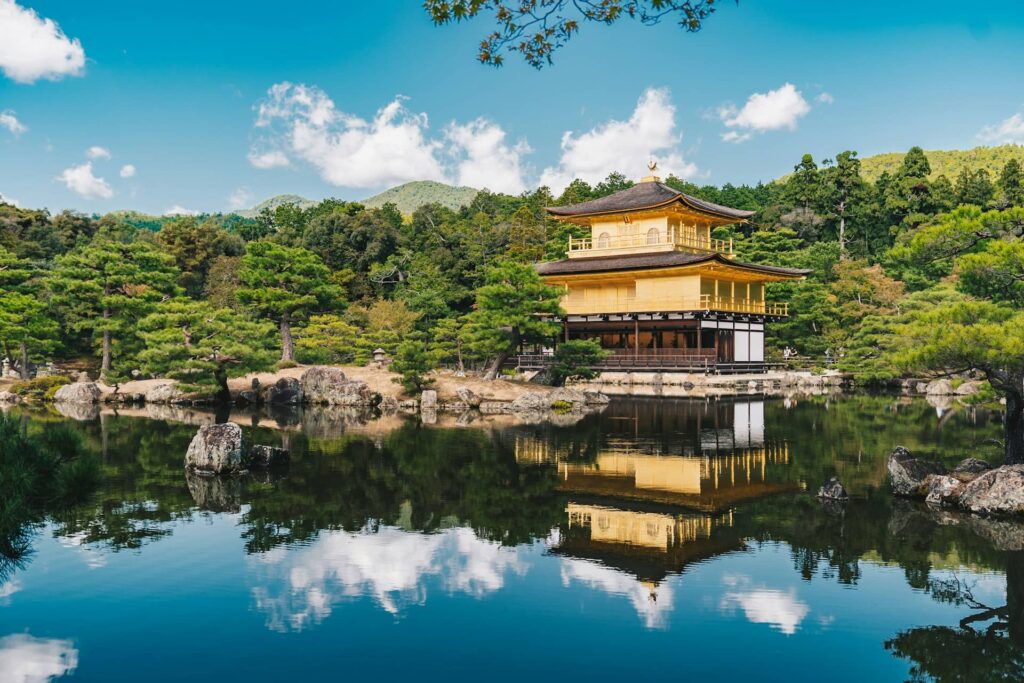
Japan consistently ranks among the top countries for art and cultural experiences, making it an ideal destination for solo travelers who want to connect with local traditions. Kyoto, once the imperial capital, is filled with temples, shrines, and historic streets that allow visitors to step back in time. Walking through its neighborhoods, you’ll encounter centuries of craftsmanship in architecture, gardens, and ceremonial spaces that tell stories of Japan’s heritage.
A guided tour of ancient temples offers insight into religious practices and architectural marvels. Visitors can witness serene rituals, ornate carvings, and tranquil gardens while learning from knowledgeable guides. Participating in a traditional tea ceremony adds another layer to this experience, highlighting the subtle artistry and etiquette that have shaped Japanese culture for generations.
Kyoto’s culinary scene is equally compelling. From street food stalls offering savory treats like yakitori to local restaurants serving kaiseki, the city’s cuisine provides a window into regional flavors and seasonal ingredients. Dressing in a kimono and walking through historic districts adds a sensory dimension to the journey, allowing travelers to feel more connected to the city’s rhythm and atmosphere.
Hands-on experiences enrich a visit further. Visitors can attend calligraphy classes, craft workshops, or pottery sessions to interact directly with Japanese art forms. Seasonal festivals, from cherry blossom celebrations to autumn harvest events, provide insight into community traditions and local customs. For travelers seeking structured guidance, Kyoto’s official travel guide offers detailed itineraries, maps, and cultural tips to make the most of every moment.
Read More: Explore 21 Beautiful Destinations Across Japan.
2. Dance at the Carnival in Rio, Brazil
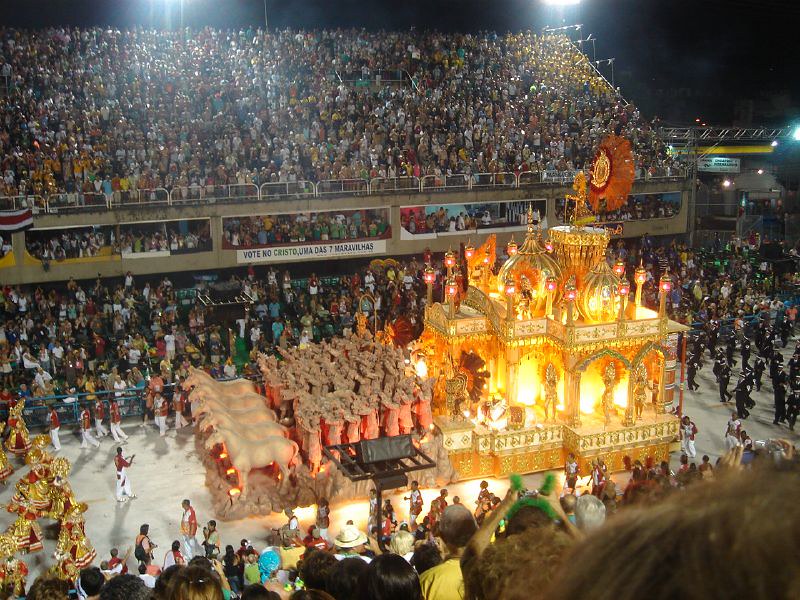
Brazil pulses with rhythm and color, and nowhere is this more evident than during Rio de Janeiro’s Carnival. This festival is a landmark event for travelers seeking dynamic cultural celebrations. Streets, stages, and stadiums come alive with samba, elaborate costumes, and music that reverberates through the city, offering an experience that blends artistry, tradition, and high energy.
Joining a dance school parade provides unparalleled immersion. Visitors can practice samba steps, help prepare costumes, and participate in the choreography that drives the parade forward. The excitement of performing alongside locals gives a deeper understanding of Carnival’s cultural significance beyond mere spectatorship.
Rio’s cultural offerings extend beyond dance. Explore local food festivals and bustling street markets to sample traditional dishes like feijoada and brigadeiros. Engaging with vendors and tasting regional specialties offers a sensory connection to the city’s heritage and everyday life.
For nature enthusiasts, nearby excursions add a contrasting dimension to the vibrant urban scene. Trek through Tijuca National Park to experience lush forests and panoramic views, or venture further to the Pantanal for wildlife exploration tours. These adventures allow travelers to combine festival energy with the serenity of Brazil’s natural landscapes, creating a well-rounded cultural itinerary.
Read More: 21 Must-see Beautiful Places in Brazil for an Unforgettable Trip
3. Attend the Day of the Dead Festival in Oaxaca, Mexico
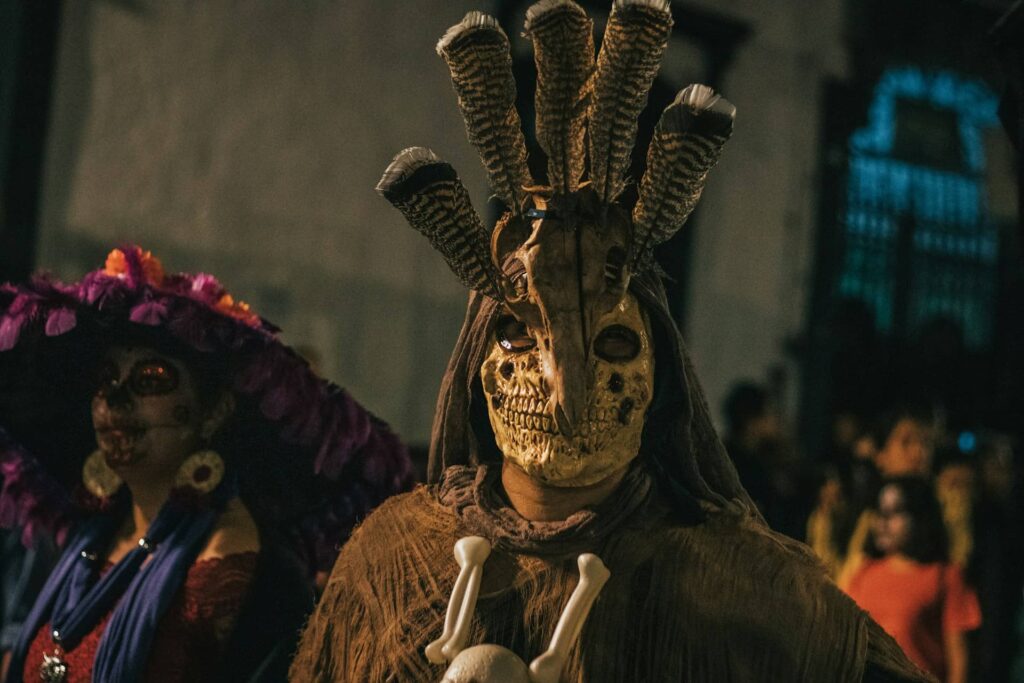
Oaxaca stands out as one of Mexico’s most culturally rich destinations, and its Day of the Dead festival draws travelers seeking vibrant celebrations filled with history and tradition. Streets and plazas come alive with music, dancing, and colorful displays honoring ancestors. Solo travelers can immerse themselves in the festival’s spirit, witnessing processions, decorated altars, and the rituals that give this event its profound significance.
Participating in family or community activities offers a more personal perspective. Visitors can help construct altars, join processions, or engage in traditional ceremonies, gaining insight into the beliefs and practices that have shaped Oaxaca for generations. This hands-on involvement transforms observation into meaningful cultural exchange.
Artisan workshops enhance the experience further. Travelers can paint traditional masks, bake “pan de muerto,” or craft other festival items under the guidance of local artists. These activities provide a tangible connection to the creativity and heritage that underpin the celebration.
No visit is complete without exploring Oaxaca’s culinary scene. Food tours allow travelers to sample regional specialties, from mole varieties to mezcal tastings, blending history and flavor. Combined with local storytelling and historic sites, these experiences offer a full spectrum of cultural engagement for those eager to connect deeply with the region.
Read More: Discover 9 Beautiful Underrated Destinations in Mexico
4. Eat and Celebrate at Durga Puja in Kolkata, India

Kolkata comes alive each year during Durga Puja, one of India’s most significant cultural festivals. The city transforms with elaborate pandals, artistic installations, and vibrant performances that draw locals and travelers alike. Solo travelers eager for immersive cultural experiences can witness the devotion, creativity, and communal energy that define this festival.
Pandal hopping offers a curated way to explore the city’s celebrations. Guided tours lead visitors through neighborhoods filled with intricate decorations, thematic displays, and interactive performances. Each pandal tells a story through sculpture, lighting, and artistry, reflecting both traditional and contemporary influences.
Food is an essential part of the festival experience. Street stalls and local eateries serve Bengali specialties like puchka, mishti doi, and various sweets that reflect regional flavors and culinary traditions. Sampling these dishes allows travelers to connect with the city’s culture through taste as well as sight.
Artisan workshops and studio visits reveal the effort behind the festival. Travelers can watch craftsmen sculpt massive statues, paint intricate designs, and prepare the elaborate decorations that adorn the streets. These experiences highlight Kolkata’s artistic heritage and offer a deeper understanding of the community effort and cultural pride that drive Durga Puja.
5. Watch a Kunqu Opera in Suzhou, China

China ranks among the leading destinations for art and cultural exploration, and Suzhou offers travelers a window into centuries of performing arts. Attending a Kunqu Opera in a traditional teahouse provides an intimate experience with this 600-year-old theatrical form. The graceful movements, elaborate costumes, and poetic storytelling convey a rich cultural heritage that has endured for generations.
Visitors can interact with performers after the show, gaining insight into the techniques, history, and narratives behind each performance. Learning about the symbolic gestures, vocal styles, and stage conventions enhances appreciation for the skill and artistry involved.
Pairing the opera with a tea ceremony creates a full sensory immersion. Travelers can reserve spots through Suzhou’s official tourism channels and enjoy carefully prepared teas while observing the performance, linking two pillars of local culture: art and hospitality.
Beyond the teahouse, Suzhou’s canals, gardens, and historic streets provide context to the opera’s themes and aesthetics. Exploring these surroundings before or after a performance adds depth to the cultural journey, allowing visitors to experience the city’s artistic legacy in both structured and exploratory ways.
Read More: 21 Hidden Wonder Destinations in China You Shouldn’t Miss
6. Safari With the Maasai in Kenya
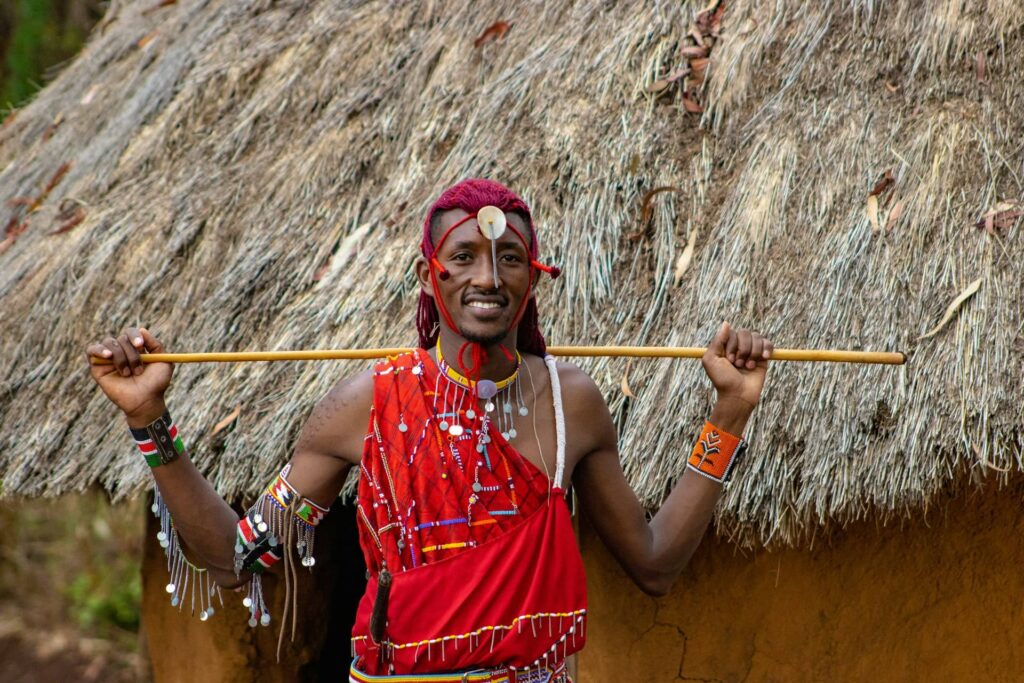
Kenya offers travelers a rare combination of wildlife adventure and cultural immersion. Venturing into the savannah with Maasai guides provides a firsthand look at how local traditions and natural landscapes coexist. Solo travelers can witness daily village life, learn traditional crafts, observe dances, and understand the community’s role in wildlife conservation.
Guided safaris led by Maasai experts allow visitors to explore national parks and reserves while gaining insight into the customs and knowledge that have been passed down for generations. Storytelling, tracking, and participatory activities offer a deeper understanding of both the people and the environment they inhabit.
Engaging with local artisans and participating in traditional practices enhances the experience. Travelers can learn beadwork, participate in ceremonial dances, or observe the preparation of traditional meals, all of which highlight the cultural richness of Maasai life.
For ethical and safe encounters, it’s important to use tour operators certified by Kenya’s Ministry of Tourism. These operators ensure that visits support community projects, respect local customs, and provide authentic interactions, creating a meaningful and responsible safari experience.
7. Shop and Explore in Stonetown, Zanzibar
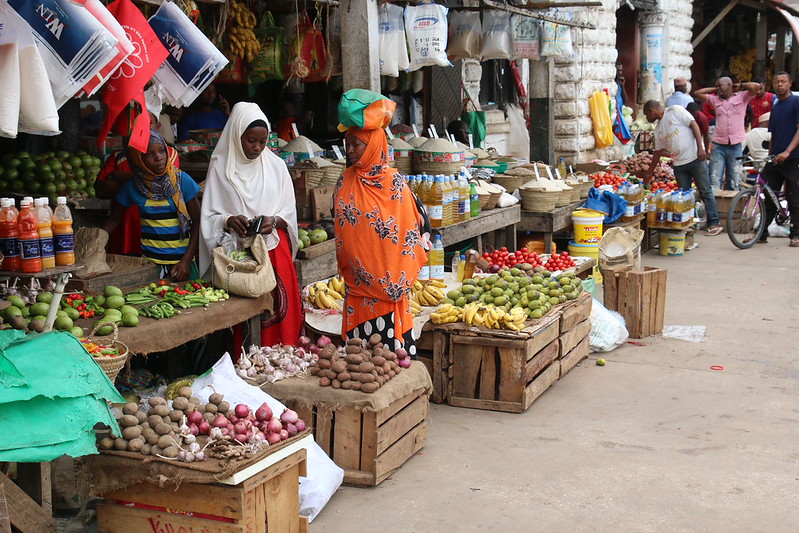
Zanzibar offers a rich tapestry of history, art, and daily life for travelers seeking hands-on cultural adventures. In Stonetown, narrow lanes wind past Swahili architecture, bustling markets, and historic sites that reveal centuries of trade and cultural fusion. Solo travelers can wander the streets, interact with artisans, and observe daily rhythms that define this UNESCO World Heritage town.
Local markets teem with spices, textiles, and crafts. Engaging with vendors and sampling street food provides a direct connection to Zanzibar’s culinary and artistic heritage. Rooftop music events and culinary tours further enhance the experience, offering both sight and sound in the city’s lively atmosphere.
Guided cultural walks reveal hidden gems such as ancient doors, mosques, and colonial-era homes. These itineraries allow visitors to trace Stonetown’s layered history and understand the influences that have shaped its unique identity.
Combining shopping, sightseeing, and participation in community-led events creates a multifaceted journey. Travelers can experience both the vibrancy of urban life and the artistry embedded in daily traditions, leaving with a deeper appreciation for Zanzibar’s culture.
8. Marvel at Barcelona’s Festivals and Art
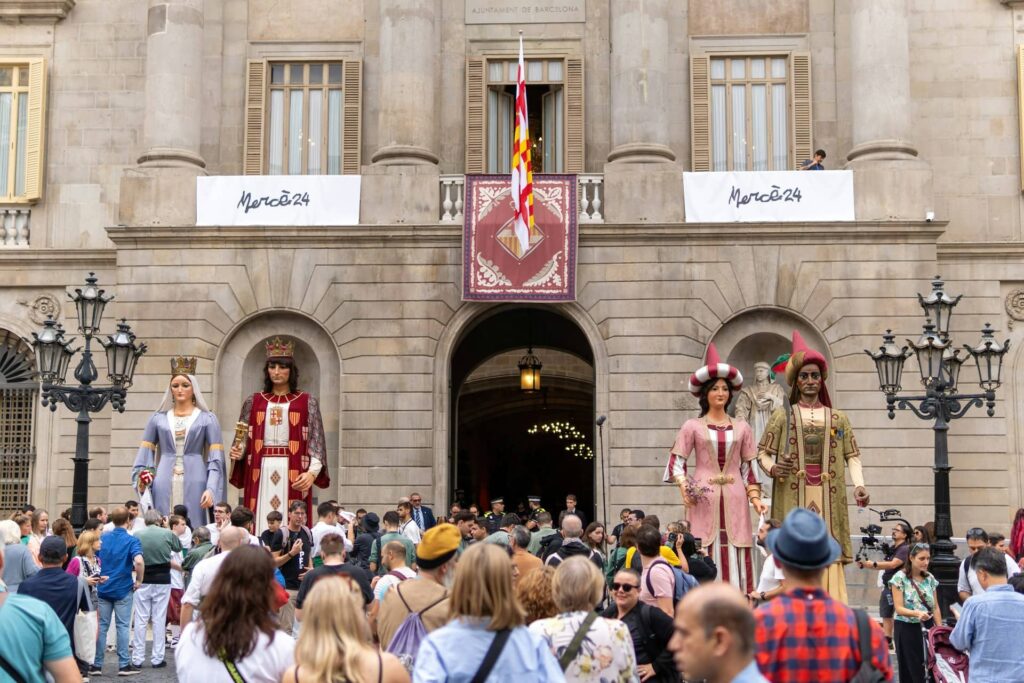
Barcelona stands out as a hub for art, culture, and lively festivals. From avant-garde galleries to city-wide music celebrations, the city provides endless opportunities for cultural engagement. Solo travelers can explore famous landmarks like the Sagrada Familia alongside hidden local sites, ensuring a mix of iconic and intimate experiences.
Attending festivals and live performances allows visitors to see the city through its artistic expression. Street performers, parades, and seasonal events fill plazas with energy, making cultural exploration feel immediate and participatory.
Guided city tours offer insight into both history and contemporary creativity. From architectural marvels to neighborhood arts hubs, these excursions highlight the influences of Catalan culture on Barcelona’s visual and performing arts.
Checking official event calendars ensures travelers catch significant shows, exhibitions, and public celebrations. Combining planned tours with spontaneous exploration allows for a balanced and rich cultural journey.
9. Meet Indigenous Artists in Australia
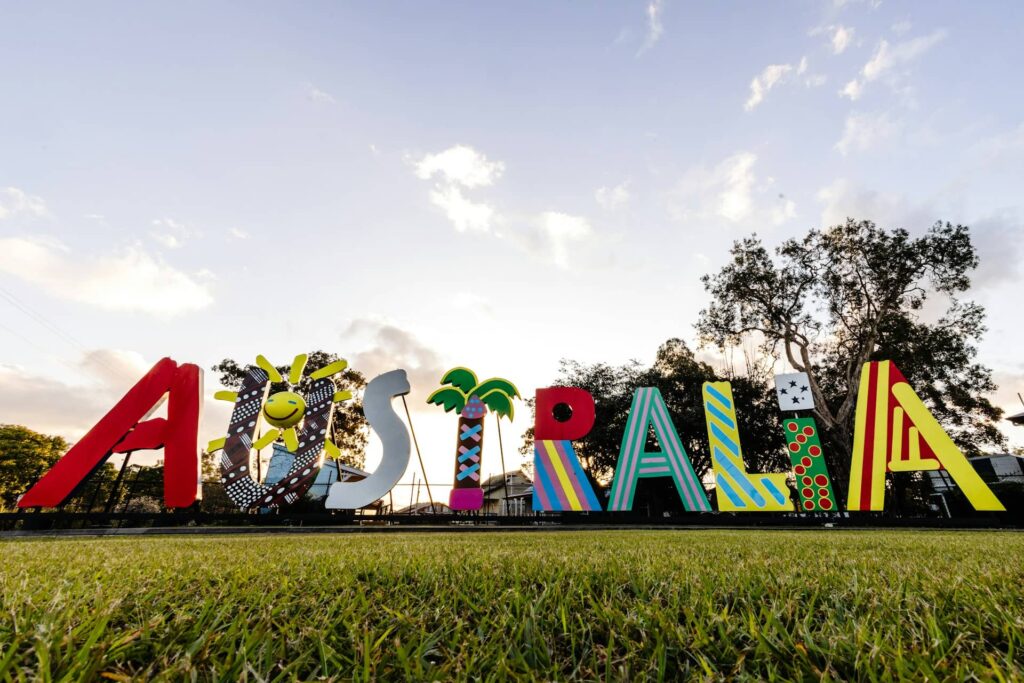
Australia offers profound cultural immersion through Aboriginal art tours, bushfood walks, and traditional ceremonies. Cities like Sydney and Melbourne host festivals celebrating indigenous heritage, while excursions into the Outback connect travelers with local communities in authentic ways.
Participating in workshops led by Aboriginal artists allows visitors to learn painting techniques, storytelling, and symbolic meanings behind traditional motifs. These sessions provide insight into cultural preservation and creativity passed down through generations.
Bushfood walks and smoking ceremonies complement the artistic experience by teaching visitors about local plants, foods, and rituals tied to spiritual and environmental knowledge. Exploring both urban and rural settings gives a comprehensive view of indigenous life.
By combining guided events with independent exploration, travelers gain direct engagement with communities and traditions. This holistic approach ensures a meaningful understanding of Australia’s indigenous heritage and contemporary cultural expressions.
10. Enjoy Culinary History at a Bo Kaap Cooking Class, Cape Town
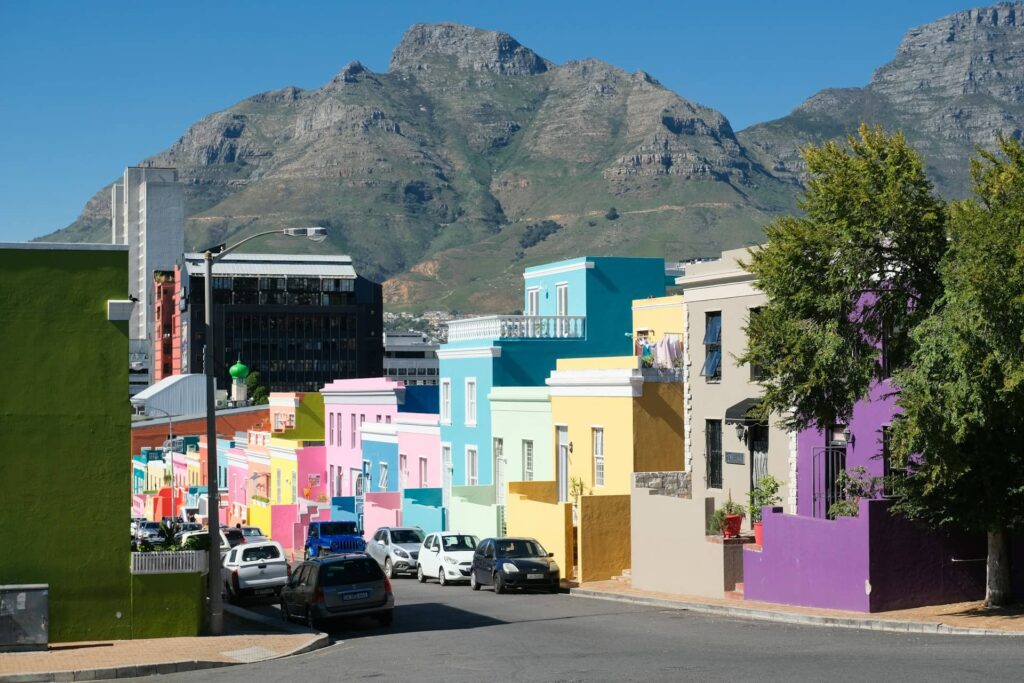
Cape Town’s Bo Kaap neighborhood offers travelers a fusion of tradition and culinary innovation. Cooking classes with local families introduce visitors to Cape Malay curries, sweets, and spice blends while sharing stories of heritage and community. These experiences highlight how food can be a lens into culture and history.
Classes often extend beyond cooking. Music, dance, and crafts enrich the experience, providing a multi-sensory understanding of Bo Kaap’s cultural vibrancy. Travelers can interact with residents, ask questions, and appreciate the craftsmanship behind each dish.
Exploring the colorful streets and architecture further complements culinary engagement. Guided walks reveal historical insights about the neighborhood’s development, its people, and its role in Cape Town’s larger cultural landscape.
Hands-on participation ensures travelers leave with skills, memories, and a deeper sense of connection. The combination of food, art, and history makes Bo Kaap a top destination for immersive cultural experiences.
11. Ride the Camino de Santiago in Spain
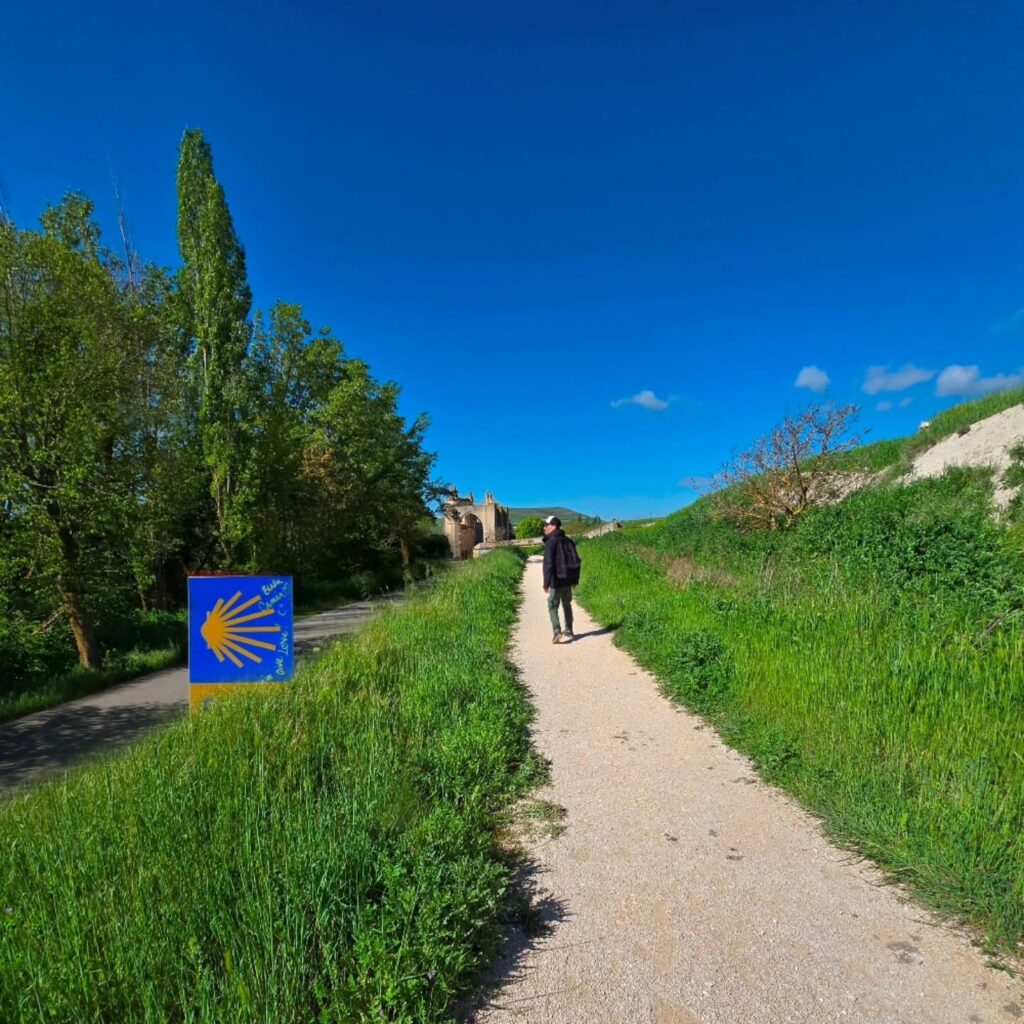
The Camino de Santiago is a pilgrimage route that draws travelers from all over the world seeking both adventure and cultural immersion. Walking sections of the trail, visitors experience centuries-old towns, sacred sites, and regional traditions that have shaped northern Spain. Solo travelers often find the journey meditative yet socially engaging, as the path fosters connections with fellow pilgrims.
Each town along the Camino offers unique rituals, cuisine, and community gatherings. Sampling local dishes, visiting historic churches, and attending small-scale festivals allows travelers to engage directly with regional customs. This combination of physical journey and cultural exposure makes every step meaningful.
Guided tours and structured accommodations provide support for those new to long-distance travel, while solo exploration offers flexibility to interact with local residents and artisans. Whether walking alone or in a group, the Camino offers a balance of introspection and communal experience.
By combining scenic landscapes with historical and spiritual insights, travelers gain a layered understanding of Spain’s heritage. From quiet villages to bustling markets, the Camino de Santiago becomes more than a trail—it’s a moving cultural classroom.
12. Discover Ancient Egypt Through Guided Tours
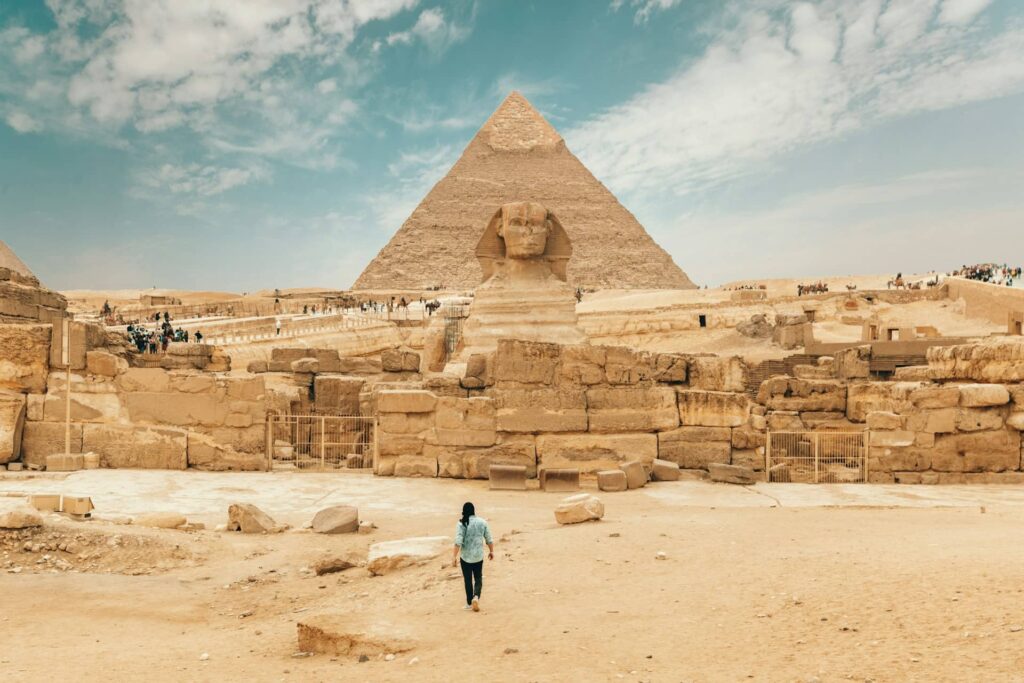
Egypt is a premier destination for travelers seeking to explore ancient civilizations. Cities like Giza, Luxor, and Aswan reveal layers of history through pyramids, temples, and museums that showcase millennia of human achievement. Guided tours allow visitors to understand the stories behind these monumental sites while navigating the cultural context.
Sunrise and sunset tours offer dramatic views of the Pyramids and temples, highlighting the architectural genius of ancient Egyptians. Guides provide narratives about pharaohs, dynasties, and rituals, giving depth to the visual experience.
In addition to archaeological exploration, travelers can interact with local communities, attend markets, and observe craftspeople preserving traditional skills. These encounters connect Egypt’s past with its contemporary cultural identity.
Planning ahead ensures access to high-demand sites and allows for a curated experience. Combining historical education with on-the-ground interactions provides a holistic view of Egypt, making it a must-visit for cultural explorers.
Read More: 21 Must-see Places in Egypt for an Unforgettable Journey
13. Experience Homestays in Tawi-Tawi, Philippines
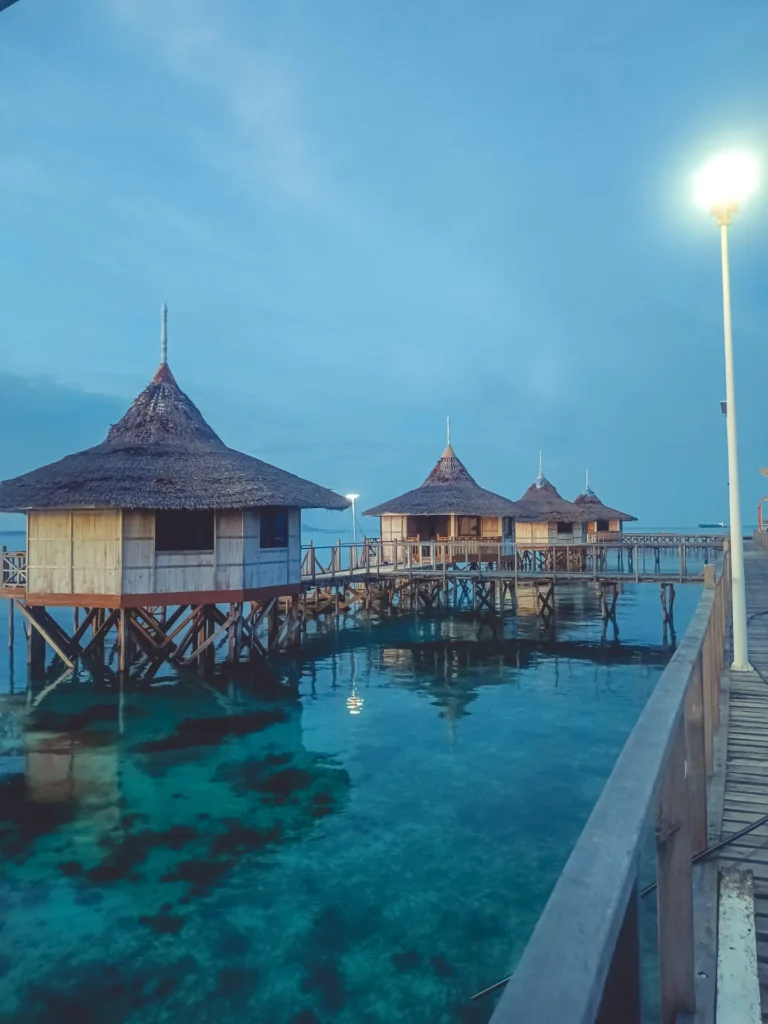
Tawi-Tawi offers intimate cultural immersion through homestays, allowing travelers to live alongside local families. Sharing meals, attending festivals, and participating in everyday activities provide authentic insight into life in this island region. Solo travelers benefit from guided introductions and direct interaction with residents.
Bartering at markets like Panglima Sugala reveals local trade practices and community dynamics. Visitors can observe artisanal crafts, seafood preparation, and traditional customs that have been preserved for generations.
Homestays often include participation in cultural rituals, music, and dance, offering a practical understanding of regional identity. These experiences provide context that extends beyond observation into active participation.
By combining hospitality with hands-on involvement, travelers gain a nuanced appreciation for Tawi-Tawi’s culture. Homestays create connections that standard tourism cannot replicate, making them a highlight for culturally curious visitors.
14. See Music and Street Art in Valparaíso, Chile
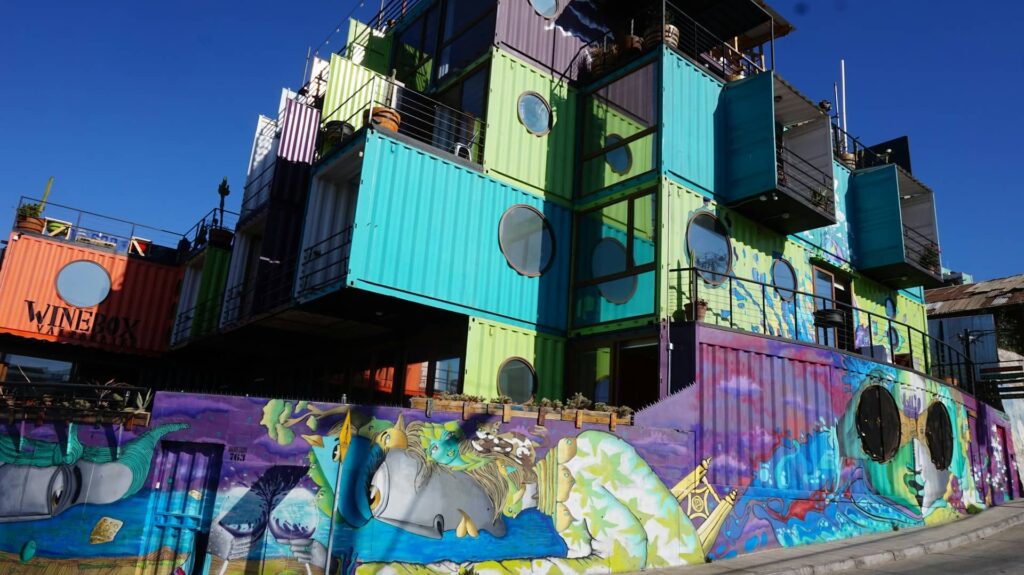
Valparaíso is a city of creativity, where street art, live music, and urban festivals shape its identity. Solo travelers can navigate its steep alleys and colorful murals while joining guided tours that explain the history and symbolism behind each piece. The city is a hub for cultural expression, blending past and present in visually striking ways.
Jazz clubs, local galleries, and public art spaces provide opportunities for immersive experiences. Travelers can attend performances, interact with artists, and participate in community workshops.
Neighborhood explorations reveal hidden murals, artisan studios, and music venues tucked away from main streets. These excursions highlight the city’s bohemian spirit and creative energy.
Pairing urban exploration with cultural events ensures a well-rounded experience. By engaging with both street-level art and organized performances, visitors gain insight into Valparaíso’s dynamic artistic landscape.
15. Savor Food Tours in Bologna, Italy
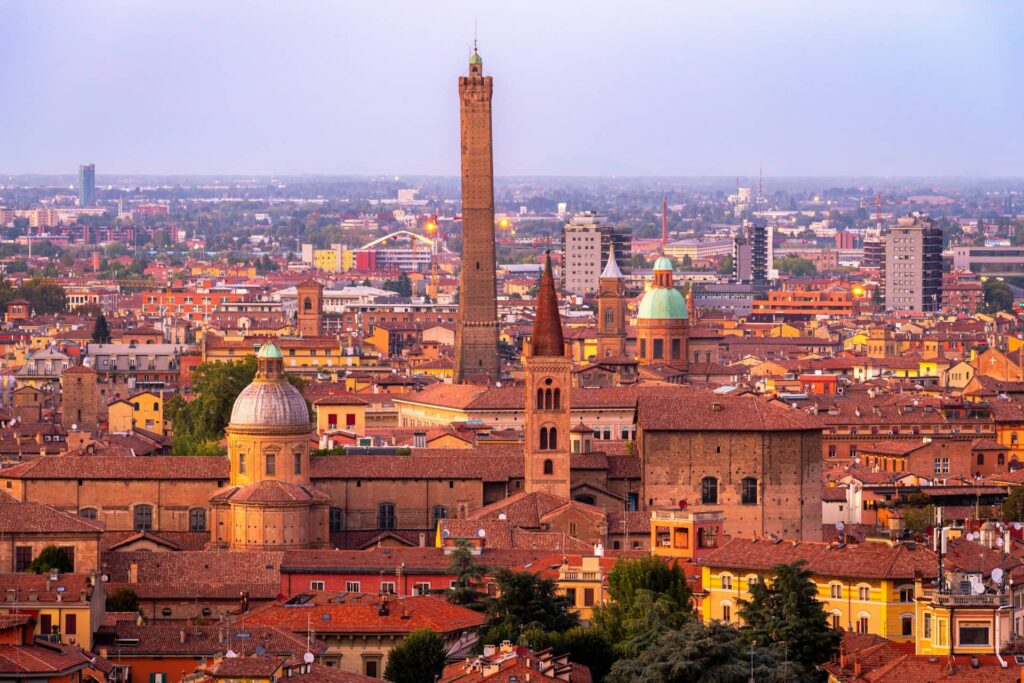
Bologna is renowned for its culinary traditions, making it an ideal city for travelers who want to explore culture through taste. Guided food tours combine history, artistry, and cooking, allowing visitors to sample pasta, cheeses, and local wines while learning the stories behind each dish.
These tours often extend to markets, bakeries, and artisan workshops, offering hands-on experiences that connect travelers with local producers. Sampling ingredients and participating in preparation fosters a deeper understanding of culinary heritage.
Cultural context is enhanced through storytelling about regional history, architecture, and traditions. Guides explain how food, music, and community events have shaped Bologna over centuries, providing a layered experience for visitors.
Combining sensory experiences with historical insights ensures travelers leave with both knowledge and tangible memories. Food becomes a gateway into the city’s culture, making Bologna a must-visit for immersive culinary travel.
16. Participate in a Mayan Temazcal, Mexico
The Mayan temazcal is a traditional sweat lodge ritual that combines wellness, spirituality, and cultural immersion. Visitors join guided sessions led by local shamans, experiencing purification rituals rooted in centuries-old traditions. Solo travelers gain insight into indigenous belief systems and holistic practices.
Participation involves ceremonial heating, guided meditation, and storytelling, offering both physical and spiritual engagement. The process reveals how ancient practices remain relevant in contemporary wellness culture.
Surrounding excursions often include visits to local villages, markets, and heritage sites. Travelers can observe daily life, cuisine, and artisan crafts that contextualize the ritual within broader Mayan culture.
These experiences provide a meaningful connection to Mexico’s indigenous heritage. Engaging with temazcal rituals offers an understanding of tradition, spirituality, and community that extends beyond observation into participation.
17. Take a Venetian Mask Workshop, Venice, Italy
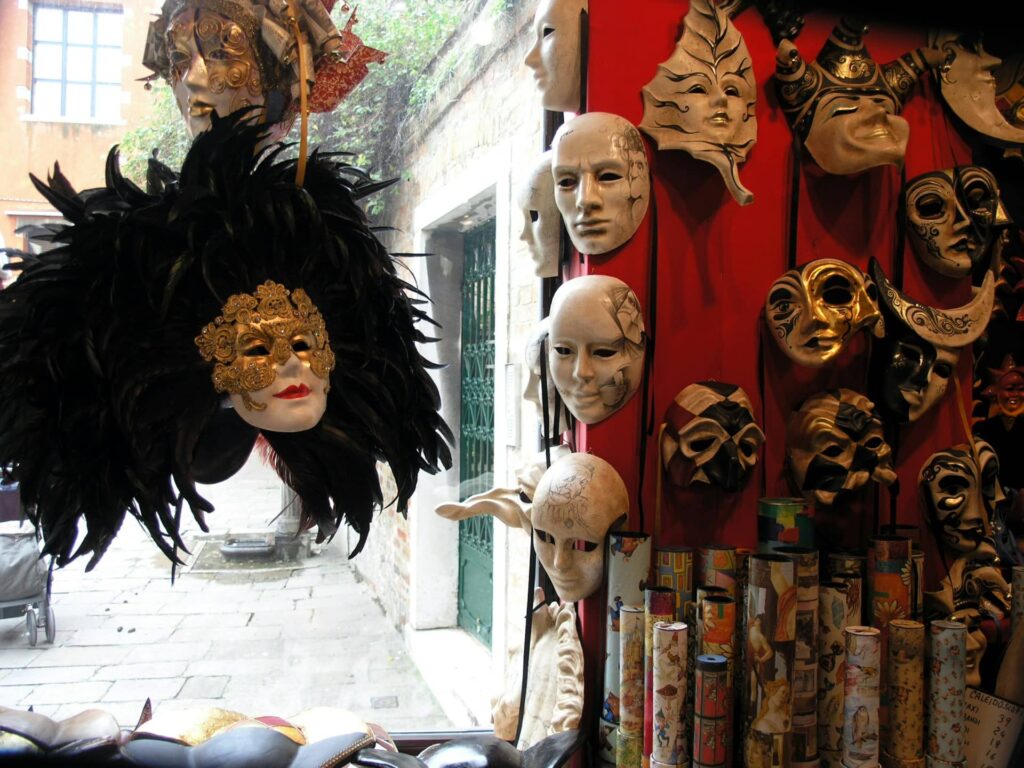
Venice is a city of artistry and ceremony, and mask-making workshops during Carnevale season offer travelers hands-on cultural engagement. Visitors create their own masks under guidance from local artisans, learning techniques passed through generations.
Workshops provide insight into historical uses of masks in festivals, theater, and social customs. Understanding symbolism and craftsmanship enhances appreciation for Venetian culture and performance art.
Combined with walking tours of Venice’s canals, piazzas, and historical sites, the workshops offer a layered experience. Travelers can see where masks were traditionally worn while engaging creatively with local heritage.
This fusion of artistry and history ensures a memorable cultural experience. Participation transforms visitors from observers into contributors to Venice’s living tradition, connecting them directly to the city’s festive spirit.
18. Relish the Songkran Water Festival, Thailand
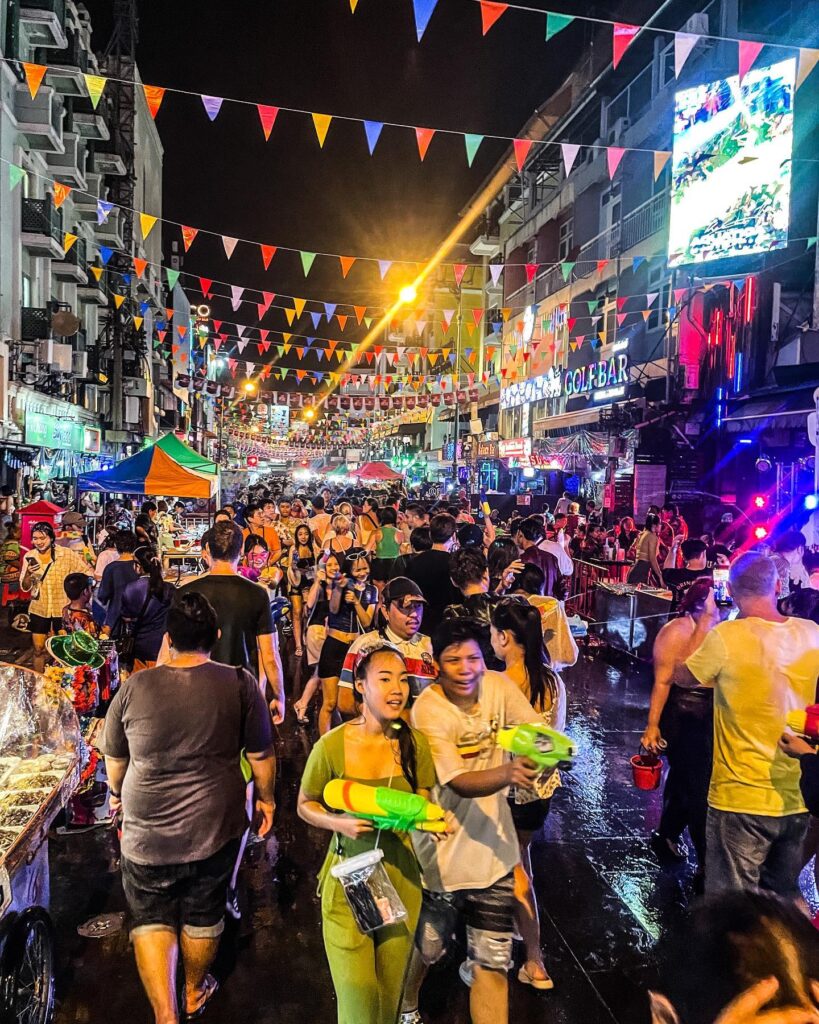
Songkran marks Thailand’s New Year and is celebrated with citywide water fights, parades, and religious rituals. Streets in Bangkok, Chiang Mai, and other cities turn into interactive playgrounds where locals and travelers alike join in the festivities.
Participating in Songkran provides both fun and cultural insight. Beyond water fights, visitors observe temple ceremonies, merit-making, and traditional performances that highlight Thai values of community and spirituality.
City tours during Songkran offer access to markets, food stalls, and neighborhood events. Engaging with local guides ensures safe participation while maximizing cultural understanding.
Travelers are advised to protect belongings and respect ceremonial spaces. Combining playful immersion with observation of traditional practices results in a balanced, memorable cultural experience.
19. Sleep in a Yurt in Kyrgyzstan
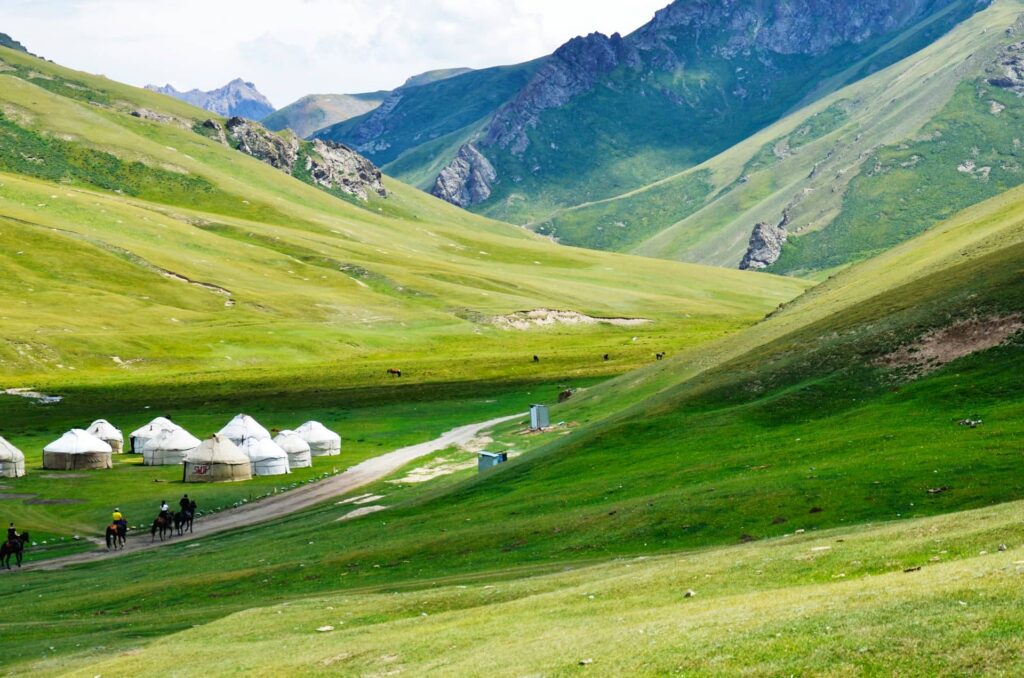
Kyrgyzstan’s mountainous landscapes provide an immersive setting for travelers seeking steppe culture. Staying in a yurt offers insight into nomadic lifestyles, including communal living, traditional cooking, and equestrian practices. Solo visitors can connect directly with hosts and learn about daily life on the steppe.
Horse treks and guided excursions showcase natural scenery while contextualizing the nomadic way of life. Travelers observe how geography shapes culture, from livestock management to seasonal rituals.
Artisan interactions further enrich the experience. Learning to weave, prepare local foods, or participate in traditional games allows visitors to engage actively with Kyrgyz culture.
The combination of natural beauty, hands-on living, and cultural exchange creates a deep and lasting impression. Yurt stays transform a visit from a simple trip into a culturally immersive adventure.
20. Volunteer on Rice Farms in Laos
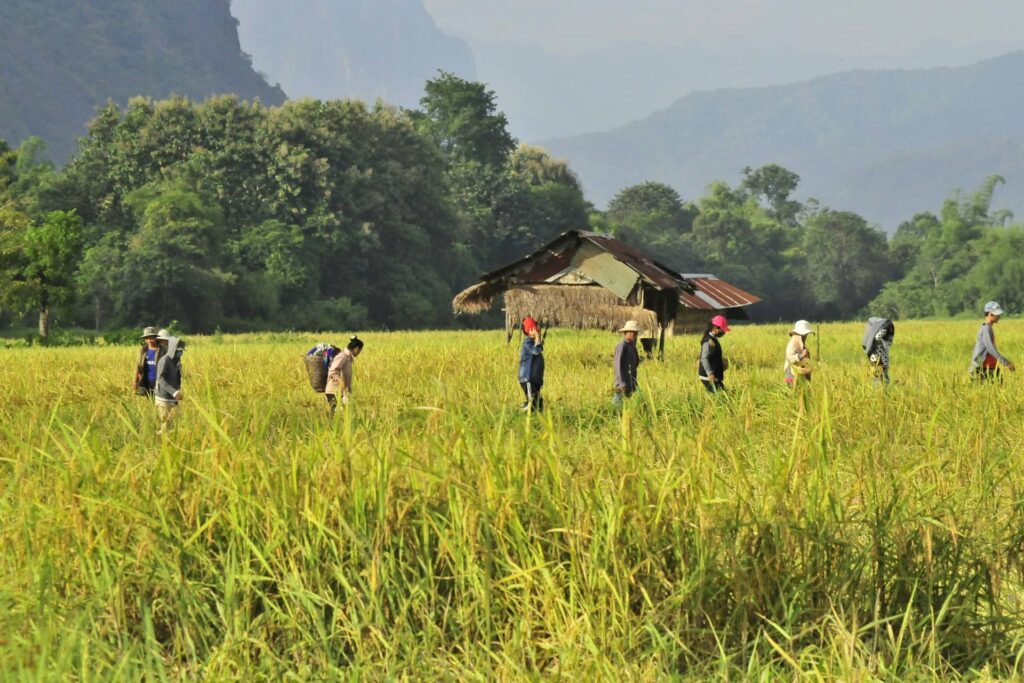
Hands-on volunteering on rice farms offers travelers direct insight into rural life in Southeast Asia. Visitors work alongside local families, learning planting, harvesting, and irrigation techniques while understanding agricultural traditions passed through generations.
These experiences reveal daily rhythms, seasonal cycles, and community practices that define rural Laotian culture. Participation fosters meaningful connections and appreciation for local knowledge.
Complementary activities include cooking classes, market visits, and village tours. Observing ceremonies, festivals, and traditional crafts situates farming work within a wider cultural context.
Volunteering provides a perspective that standard tourism cannot offer. Travelers leave with practical skills, personal connections, and a deep understanding of Laotian rural life, making these experiences among the most authentic ways to engage with local culture.
Conclusion
Cultural travel experiences transform ordinary trips into journeys of understanding, connection, and lasting memories. From Kyoto’s serene temples to Rio’s vibrant Carnival, each destination offers its own blend of art, tradition, and community life. Engaging with local festivals, workshops, performances, and cuisine allows travelers to move beyond sightseeing and participate in the rhythms of daily life.
Whether it’s walking the Camino de Santiago, learning calligraphy in Suzhou, or volunteering on rice farms in Laos, these experiences foster deeper appreciation for the heritage, creativity, and values of each place. Solo travelers, families, and adventurers alike can find meaningful ways to connect with people and culture, leaving with stories and skills that endure long after the journey ends.
Planning thoughtfully—through guided tours, local workshops, and authentic accommodations—ensures that every moment is both immersive and respectful. Travelers gain insight into the history, artistry, and social fabric of each destination, creating a holistic cultural adventure that balances education, participation, and enjoyment.
Ultimately, cultural exploration is about connection. It’s the shared meals, the dances, the storytelling, and the workshops that make travel unforgettable. By seeking out these experiences, travelers don’t just witness culture—they live it, carry it forward, and return home enriched with perspective and inspiration.