
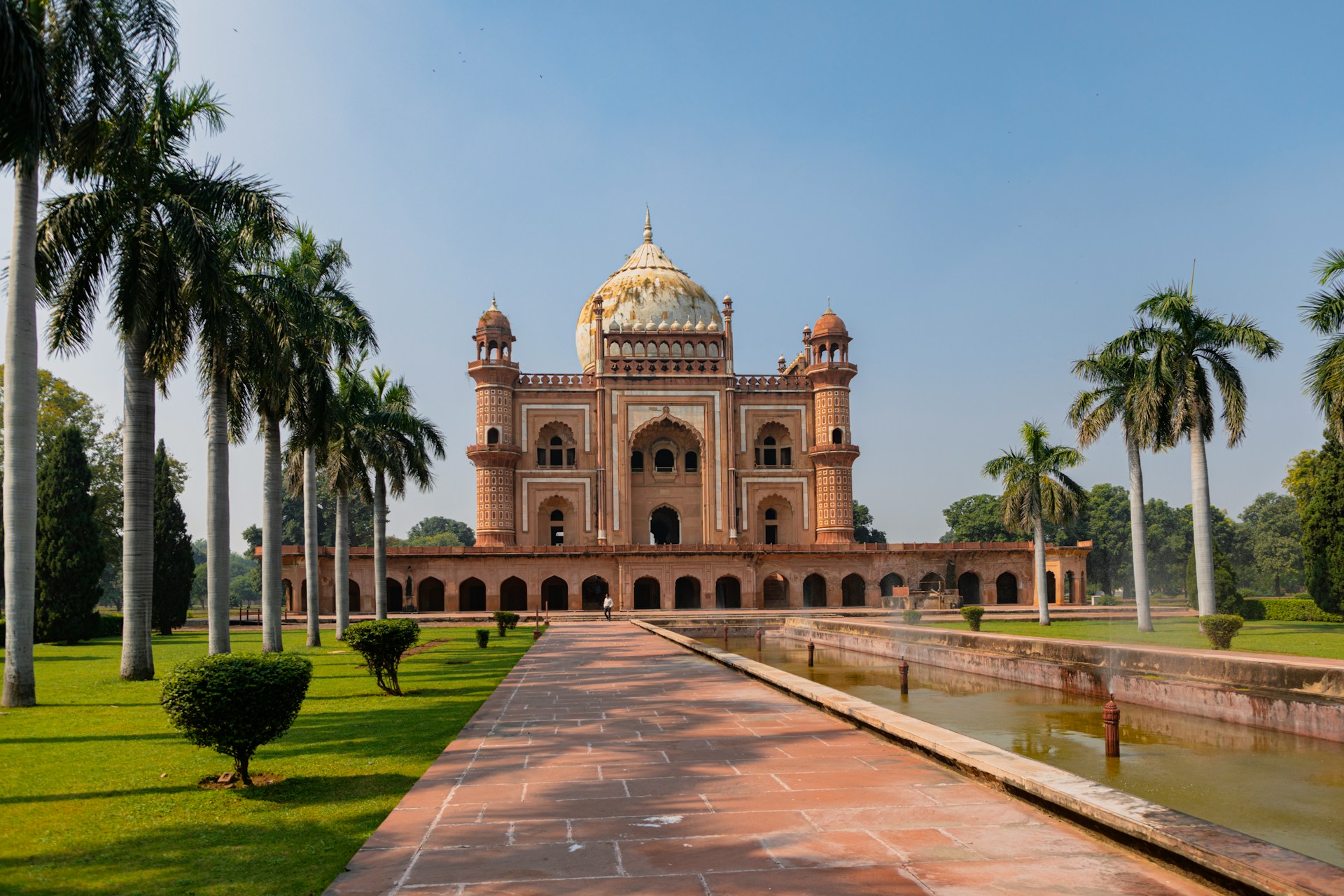
Delhi, India’s capital, stands as a dynamic intersection of history and modernity. Serving as the heart of the nation for centuries, it reflects India’s cultural diversity. The city offers a captivating blend of ancient monuments and contemporary spaces. From the iconic landmarks of Old Delhi to the rejuvenated architectural marvels of Mehrauli, Delhi’s historical charm never fades.
The city is alive with the energy of its people, drawing visitors to its many attractions. Neighborhoods buzz with activity, where museums, galleries, shops, and dining venues converge. The India Gate remains a central symbol, while places like Dilli Haat offer a delightful mix of textiles, crafts, and local cuisine. Humayunpur’s street food stalls are an invitation to taste the diverse flavors of India, making it a food lover’s paradise.
For nature enthusiasts, Delhi offers lush green spaces, from expansive urban forests to peaceful parks and gardens filled with wildlife. It’s a place where nature’s calm contrasts beautifully with the city’s fast-paced life, providing the perfect escape without leaving the metropolis. Whether you’re a local or a visitor, Delhi has something for everyone, ensuring each visit is filled with new discoveries.
Discover the Best Non-Touristy Spots in Delhi
1. Red Fort: A Historical Gem Beyond the Crowds
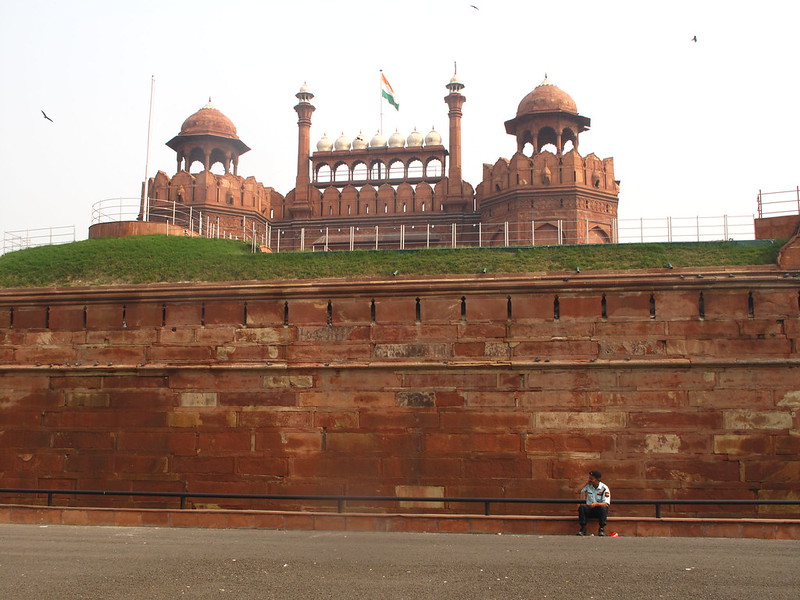
The Red Fort, or Lal Qila, stands as a testament to India’s rich history and architectural grandeur. Once the residence of Mughal emperors, this imposing fort in Old Delhi continues to be a symbol of India’s heritage. While it remains a key feature on currency notes and is the site for Independence Day celebrations, it offers much more to those willing to delve beyond its tourist appeal.
The fort’s sandstone walls house exquisite examples of Mughal architecture. Wander through the Diwan-e-Khas with its golden and marble embellishments, or explore the arched galleries of the Diwan-e-Aam. The Rang Mahal, adorned with murals and a lotus-shaped fountain, offers a glimpse into the grandeur of Mughal royal life. The Red Fort is also home to a 19th-century military barracks that has since been transformed into a cultural centre.
The 17th-century Chatta Chowk market still bustles with activity, where vendors sell traditional goods. In the evenings, the Jai Hind light and sound show brings the fort to life, with live performances and narrations by Amitabh Bachchan, offering a captivating view of India’s struggle for independence.
Timings: 9:30 AM – 5:00 PM (Tuesday to Sunday)
Tickets: ₹35 for Indians; ₹500 for foreigners
Jai Hind Light and Sound Show: 7:30 PM (Hindi) | 8:45 PM (English)
Tickets: ₹500 – ₹1,500
2. National Crafts Museum & Hastkala Academy: Exploring India’s Craft Legacy
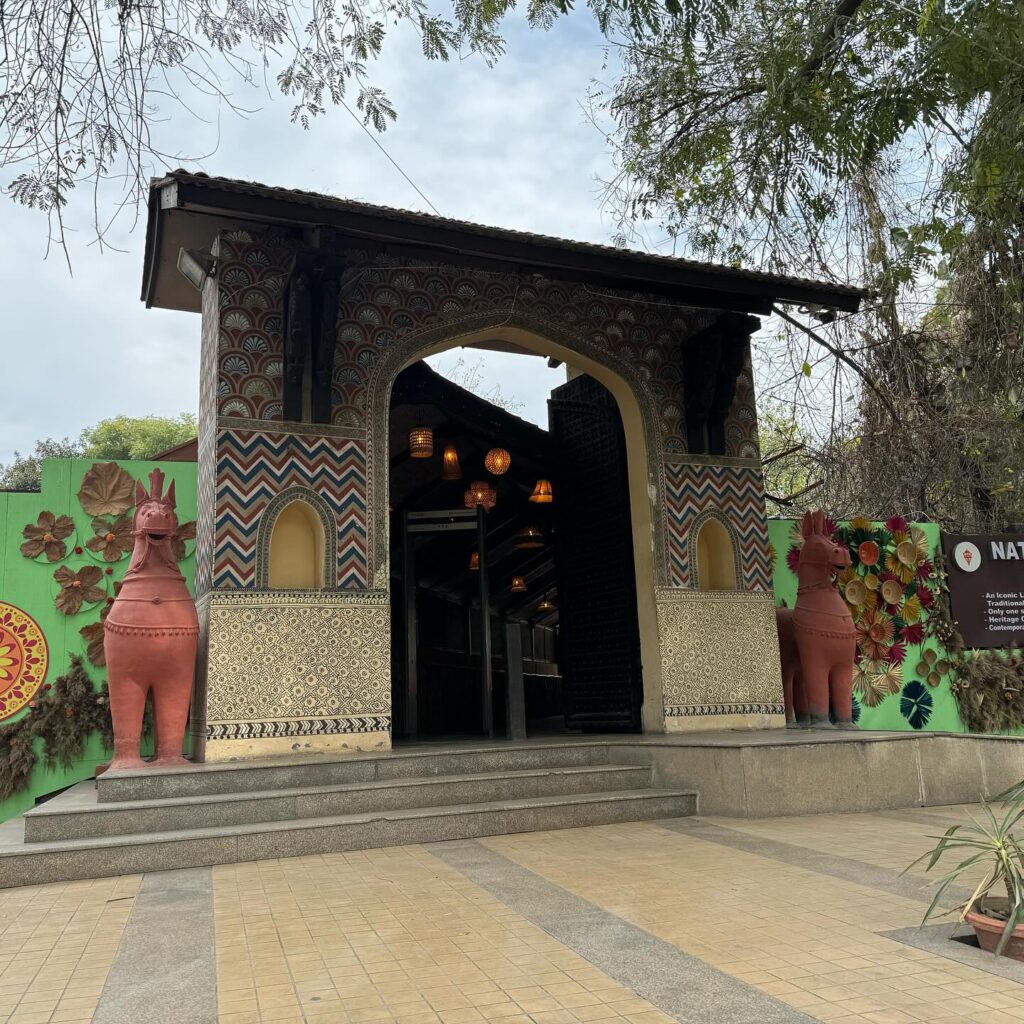
Located next to Pragati Maidan, the National Crafts Museum & Hastkala Academy offers an in-depth exploration of India’s diverse craft traditions. The sprawling 4.94-acre complex, designed by Charles Correa, is filled with a vast collection of art and artifacts. Visitors will encounter folk and tribal art, brass and terracotta sculptures, wooden chariots, jharokhas, ritual objects, architectural models, textiles, and ornaments, reflecting the rich heritage of India’s craftsmanship.
Beyond the permanent exhibits, the museum enriches its offerings with seasonal exhibitions and live crafts demonstrations. The artisans’ market and museum shop provide an opportunity to purchase handcrafted goods directly from skilled artisans.
For those looking to relax, Cafe Lota serves as a perfect spot, known for its Palak Patta Chaat and Apple Cinnamon Jalebi, combining traditional flavors with modern twists.
Timings: 10:00 AM – 6:00 PM (Tuesday to Sunday)
Entry: Free
Cafe Lota: 8:00 AM – 9:30 PM (Daily)
3. Sunder Nursery and Humayun’s Tomb: A Walk Through Nizamuddin’s Rich History
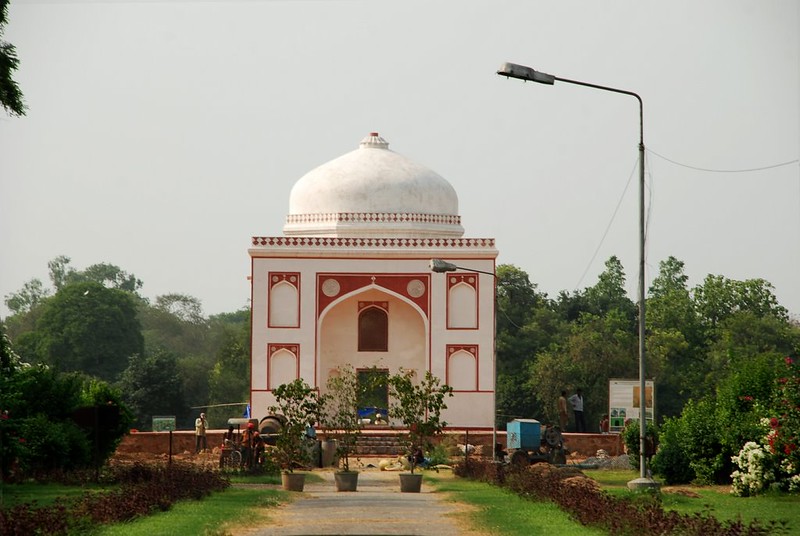
The history of Nizamuddin stretches back 700 years, beginning with the rise of mausolea and settlements around the home and burial site of the revered Sufi saint, Hazrat Nizamuddin Auliya. Over time, this area has witnessed significant preservation efforts, breathing new life into its historic monuments.
Among the most prominent examples of these restoration initiatives are Humayun’s Tomb and Sunder Nursery. These adjoining sites, spanning more than 120 acres, house the tombs of Mughal emperors and aristocrats, surrounded by magnificent monuments and beautifully landscaped gardens.
Sunder Nursery, in particular, has become a popular destination for weekend outings, especially during the winter months. Visitors can enjoy its peaceful atmosphere, which includes an extensive arboretum, vibrant flower beds, and carefully maintained micro-habitats that attract a variety of birds and insects. The nursery’s combination of natural beauty and historical significance makes it a remarkable spot for both relaxation and exploration.
Sunder Nursery Timings: 7:00 AM – 10:00 PM (subject to winter changes)
Tickets: ₹50 for Indians; ₹200 for foreigners
4. Lotus Temple: A Symbol of Peace and Unity in Delhi
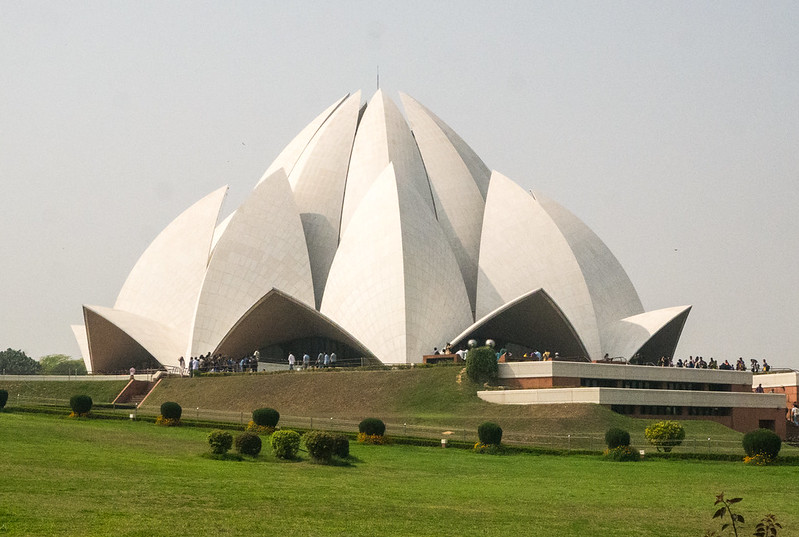
Located in Kalkaji, Delhi, the Lotus Temple stands as a remarkable example of modern architectural design. As one of the eight Baháʼí Houses of Worship worldwide, its most striking feature is its lotus-inspired structure, built from marble, concrete, and steel.
The temple’s design consists of 27 marble petals, forming the nine sides typical of a Baháʼí temple, with each petal extending upward, surrounded by serene pools of water and lush gardens.
Although it attracts a constant flow of visitors, the Lotus Temple remains a serene place for quiet reflection. Inside, the minimalistic design invites contemplation, allowing visitors to disconnect from the bustling city. Along with its beautiful architecture, the temple offers daily prayer sessions, fostering an atmosphere of calm and spiritual unity.
Timings: 8:30 AM – 6:00 PM (Tuesday to Sunday)
Entry: Free
5. Agrasen Ki Baoli: A Hidden Gem in Central Delhi
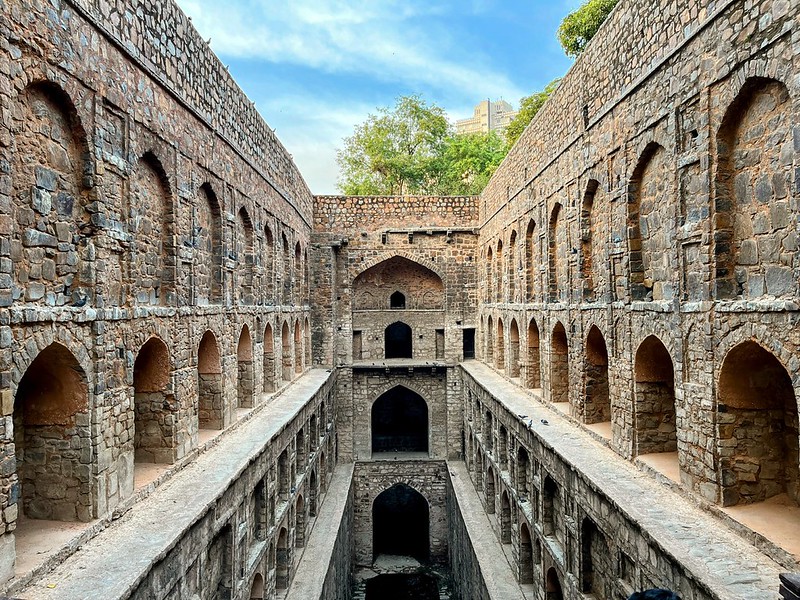
The history of Agrasen Ki Baoli remains shrouded in mystery, adding to its charm as one of Delhi’s most intriguing stepwells. Located in central Delhi, this historic structure features 108 broad stone steps that descend into a shadowy pool of water. Flanked by thick stone walls with blind arches, the baoli exudes an air of ancient mystery, and a mosque sits quietly in one corner near the entrance.
Though its fame has grown since its feature in the 2014 film PK, Agrasen Ki Baoli has maintained a serene atmosphere, offering a peaceful retreat despite the increasing number of visitors.
The architectural beauty and tranquil setting provide a moment of calm, making it a worthwhile stop for those exploring the city’s lesser-known gems.
Timings: 9:00 AM – 5:30 PM (Daily)
Entry: Free
6. Lodhi Gardens and Art District: A Blend of Nature and Creativity
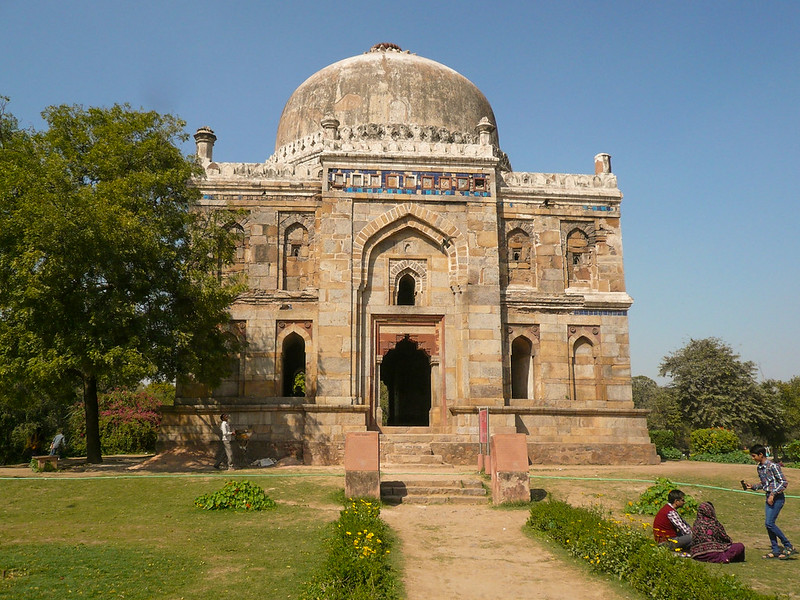
Lodhi Gardens is the largest park in Delhi, rich in history and beauty. The gardens, dating back to the 15th century, are home to tombs and ancient architecture, making it a peaceful haven in the midst of the bustling city. The space is a popular spot for picnics, morning joggers, and those seeking a relaxing retreat. Amid the greenery, the site offers visitors a connection to Delhi’s past while providing a tranquil environment for outdoor activities.
Beyond the gardens, the surrounding area of Lodhi Colony has transformed into a thriving design hub. Thanks to the efforts of St+art India, the neighbourhood is now also home to the Lodhi Art District. Buildings in this 1940s housing estate, originally developed by the British, have become vibrant canvases for mural art created by global artists.
Featuring works by Sameer Kulavoor, Reko Rennie, Anpu, Lek & Sowat, Georgia Hill, and the late Hanif Kureshi, the area stands as an open-air gallery that tells the story of Delhi through art. A stroll through this district allows visitors to experience the creativity and diversity of the city in an entirely new way.
Timings: Open throughout the day
Entry: Free
7. Dilli Haat: A Celebration of India’s Craft and Culture
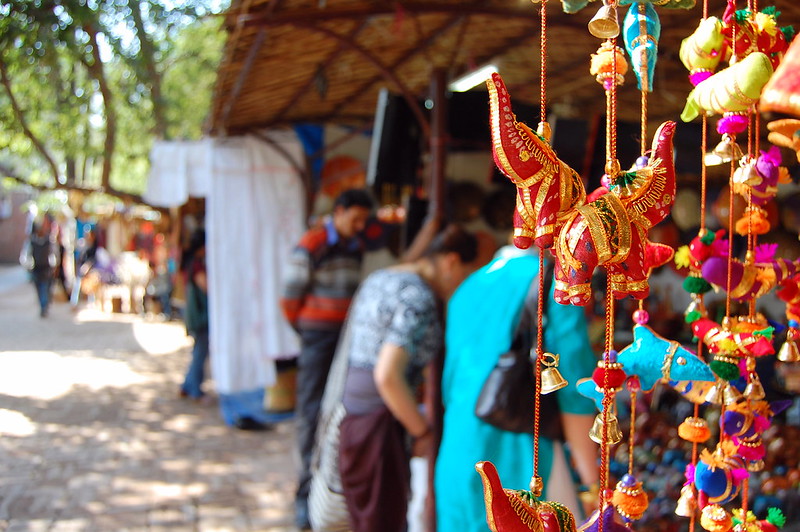
Dilli Haat, celebrating its 30th year in 2024, stands as a vibrant hub for handicrafts and traditional artisanal skills from across India. Located near INA, this open-air market is designed to resemble a village haat, or mobile bazaar, with its thatched cottages and inviting courtyards. The space provides a platform for craftspeople and small businesses to display their goods on a rotating basis, creating a dynamic and ever-changing shopping experience.
The variety of products at Dilli Haat is impressive, ranging from handlooms and jewellery to accessories, decor, toys, and small goods. Visitors can explore these treasures while enjoying the lively atmosphere, which often includes cultural performances, fairs, and festivals, making it feel like a fairground throughout the year.
Dilli Haat is also a popular destination for food lovers, with regional food stalls offering local delicacies. The Maharashtra kiosk, known for its puran poli and sabudana vada, is a particular favorite among locals and visitors alike.
Timings: 10:30 AM – 10:00 PM (Daily)
Tickets: ₹30 for Indians; ₹100 for foreigners
8. Qutub Minar and The Qutub Complex: A Glimpse into Delhi’s Rich History
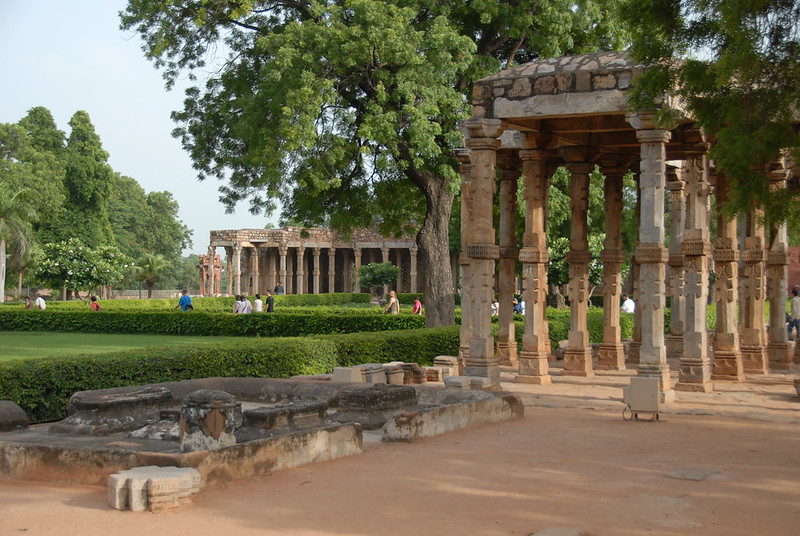
As one of the oldest landmarks in Delhi, the 12th-century Qutub Minar stands proudly over the Mehrauli neighbourhood. Once open to visitors wishing to climb its 379 steps, the tower now remains off-limits to the public. However, its beauty is still evident from below, with the sandstone tower adorned with intricate carvings of bells, flowers, and calligraphy. The Qutub Minar, a stunning example of Indo-Islamic Afghan architecture, continues to be an awe-inspiring sight.
The Qutub Complex is home to several important structures, each contributing to the monument’s historical significance. These include the Alai Darwaza, the Quwwat-ul-Islam Mosque, and the famous Iron Pillar, along with the tombs of kings Iltutmish and Alauddin Khilji. Visitors can also explore the remains of Alai Minar, an ambitious project by Khilji to build a tower twice the height of the Qutub Minar, though it was never completed.
Recent additions, such as evening laser shows and heritage walks, have sparked renewed interest in the site. Parul Tanwar, co-founder of The Delhinama, describes the Qutub Minar as a reflection of “Delhi’s diverse heritage,” making it a must-visit for history enthusiasts.
Timings: 6:00 AM – 9:00 PM (Daily)
Tickets: ₹35 for Indians; ₹550 for foreigners
9. Mehrauli Archaeological Park and Shopping Area: A Journey Through History and Style
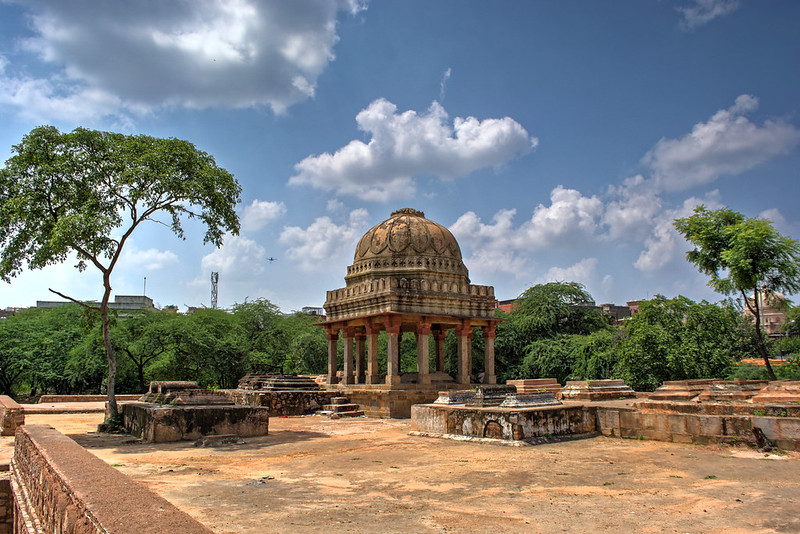
Adjacent to the Qutub Minar, the 200-acre Mehrauli Archaeological Park offers visitors a chance to step back in time. The park is home to several historical landmarks, including the 16th-century Jamali Kamali Mosque and Tomb, which has long been a popular attraction.
Medieval ruins scattered across the park add an element of surprise, each uncovering layers of Delhi’s rich past. Renovations of structures like the Rajon Ki Baoli, Quli Khan’s Tomb, and the Circular Monument, part of the 19th-century Dilkusha Complex by Thomas Metcalfe, have further enhanced the area’s historical appeal.
After exploring the park’s historical treasures, take a stroll toward the back of the neighbourhood, where a lively shopping area awaits. Places like One Style Mile, 1AQ, Ambawatta One, and The Kila at Seven Style Mile are home to India’s top couturiers and design labels, including Sabyasachi, Gaurav Gupta, Shanti Banaras, and Sahil Kochhar. The area also boasts an array of bars and restaurants, such as Olive Bar & Kitchen, Rooh, Bo Tai, Qla, and Dramz Delhi, offering the perfect blend of luxury shopping and culinary delights.
Timings: 5:00 AM – 6:30 PM (Daily)
Entry: Free into the park; ₹35 for Quli Khan Tomb and Metcalfe Boathouse Café
Related Post: