Oklahoma road trips can trick you. The state looks wide open, flat in places, calm in others, and easy enough to cross without much thought. That is exactly where the problem starts. The roads that worry locals are rarely the ones with dramatic signs or wild reputations. They are the familiar highways where speed, wind, trucks, curves, fatigue, storms, and long rural gaps can turn a simple drive into a tense one.
The Oklahoma Highway Safety Office says most motor-vehicle fatalities in the state are tied to driver behavior, including impaired driving, speeding, distracted driving, and failing to wear a seat belt. Rural roads add another layer of risk, since the U.S. Department of Transportation notes that rural roadway fatality rates are higher than urban ones. That makes Oklahoma’s quieter road-trip corridors worth taking seriously, even when they look harmless from the map.
I-40 Through Oklahoma City: The Route That Feels Too Normal to Fear
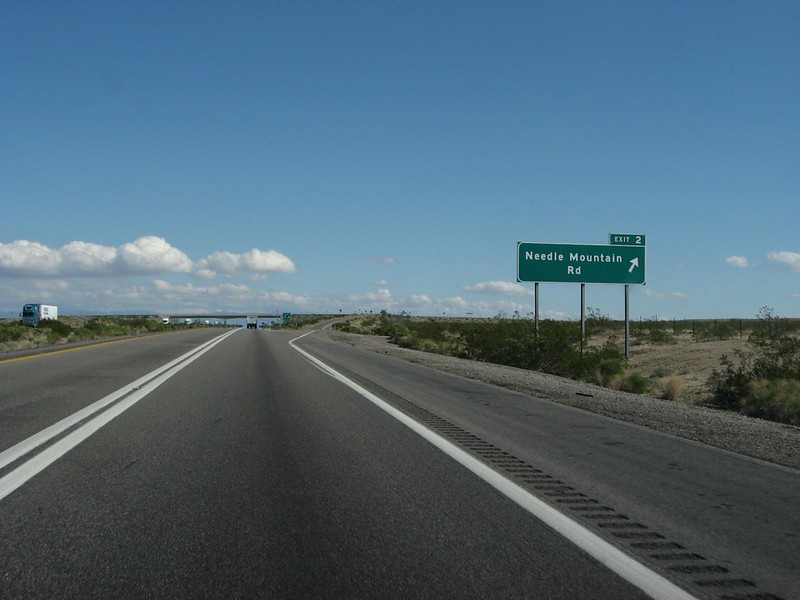
I-40 through Oklahoma City does not feel hidden in the usual sense. It is wide, busy, and part of a major cross-country highway. Still, locals know this stretch can become one of the most stressful drives in the state because it mixes long-haul traffic, commuters, fast lane changes, and drivers who are already tired from hours on the road.
The danger here is ordinary. That is the contrarian truth. It is not a lonely backroad or a mountain curve that catches people off guard. It is the sudden slowdown near an interchange, the semi drifting into a tight space, the driver checking directions too late, or the traveler who thinks the city section will be easy because the road is familiar.
I-35 Through the Arbuckle Mountains: Oklahoma’s Scenic Trap
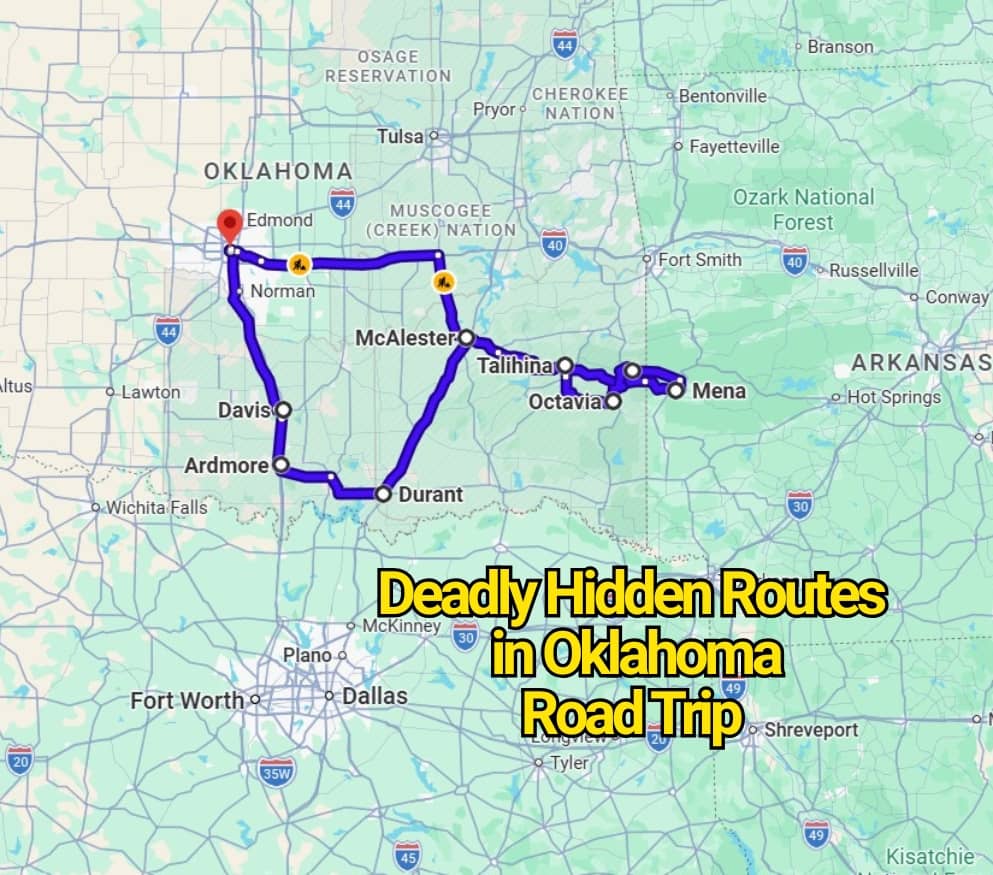
The Arbuckle Mountains section of I-35 near Davis, Turner Falls, and Ardmore is one of Oklahoma’s most talked-about drives for a reason. The scenery makes it feel like a break from the flat highway rhythm, but the hills, curves, tourist traffic, and weather changes can make this stretch tougher than expected.
ODOT has previously warned drivers about congestion and reduced speed through the Arbuckle Mountains after rock-slide work near Turner Falls, which shows how quickly this corridor can shift from pretty to problematic. The road itself is not the villain. The real issue is how many drivers treat it like a normal interstate while the terrain asks for more attention.
US-69 and US-75: The Truck-Heavy Road Trip Corridor
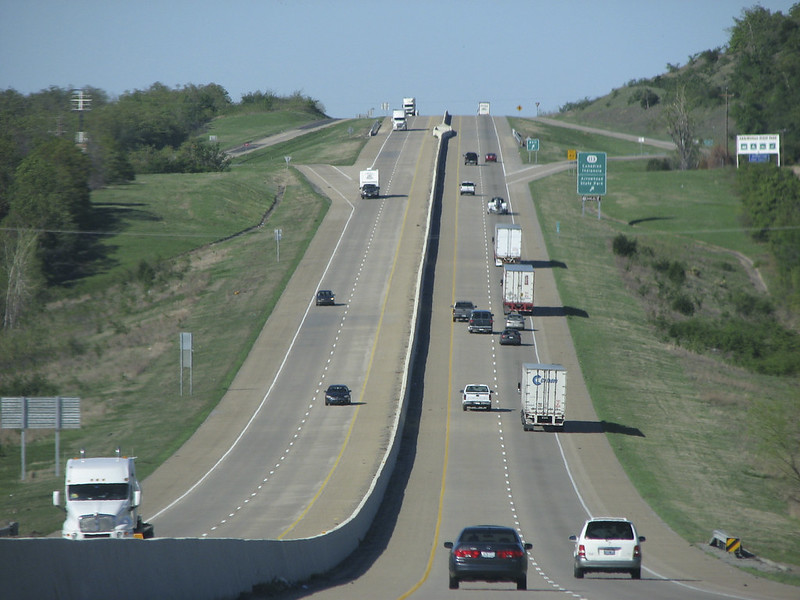
US-69 and US-75 through southeastern Oklahoma can feel like a practical road-trip shortcut, especially for drivers moving between Texas and Oklahoma towns. That practical feel is part of why locals respect it. The route carries plenty of trucks, casino traffic, lake travelers, and rural drivers moving at different speeds.
This is the kind of road where one moment feels empty and the next feels crowded. Small towns, side roads, long straight stretches, and passing decisions all matter here. It is not a route that begs for fear, but it does punish lazy driving.
Talimena National Scenic Byway: Beautiful Roads Can Still Bite
The Talimena National Scenic Byway between Talihina, Oklahoma, and Mena, Arkansas, may be one of the most beautiful drives in the region. That beauty is exactly why some travelers underestimate it. The byway runs through the Winding Stair Mountain area, and official byway information describes the drive as a 54-mile route tied to the Ouachita Mountains.
This is not a road for speeding between overlooks. Curves, elevation changes, fog, rain, leaf-season traffic, and limited services can make it feel far more serious than a casual scenic drive. Locals know the views are worth it, but they also know the road asks for patience.
Mountain Pass Scenic Byway: The Road That Looks Short but Drives Bigger
Mountain Pass Scenic Byway follows US-259 in southeast Oklahoma between Page and Octavia. Official byway information describes it as a 23-mile, two-lane paved road with many steep grades and sharp curves, with temporary winter closures possible. That short distance can fool drivers who assume it is a quick side trip.
The risk here comes from rhythm. You climb, turn, slow down, speed up, then meet another bend before your mind fully relaxes. It is a road for alert drivers, especially during rain, fog, or low-light hours.
Route 66 Through Oklahoma: Nostalgia Is Not a Safety Plan
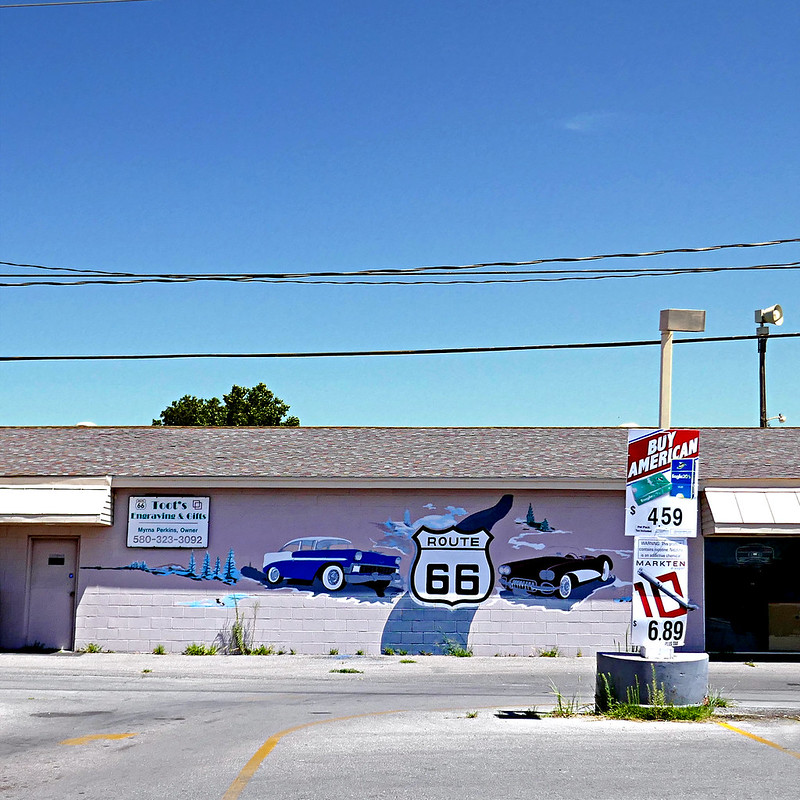
Oklahoma’s Route 66 stretches are loved for diners, old motels, roadside stops, and classic Americana. But that same sightseeing mood can make the drive less predictable. Drivers slow suddenly for photos, turn into small businesses, miss lane changes, or focus more on the retro charm than the road in front of them.
The old-road feel is part of the appeal, but it can also mean driveways, local traffic, older layouts, and changing speed zones. Locals do not warn people away from Route 66. They warn them to stop treating it like a rolling museum where the traffic somehow pauses for your trip.
US-412 and the Cimarron Turnpike: Fast, Open, and Easy to Underestimate
US-412 and the Cimarron Turnpike can feel simple because the road opens up and the pace gets quick. That is why it belongs in this article. Long open drives can create a false sense of control, especially when wind, fatigue, animals, and fast-moving traffic enter the picture.
This route does not need tight curves to become risky. It wears drivers down quietly. A traveler who felt sharp leaving Tulsa can feel dull an hour later without noticing the shift. Locals understand that the flat, open part of Oklahoma can be just as demanding as the mountain roads.
SH-9 Near Norman and Lake Thunderbird: The Local Road That Acts Bigger Than It Looks
SH-9 around Norman and the Lake Thunderbird area is not a grand road-trip highway, but it carries enough local traffic, student traffic, lake traffic, and evening drivers to earn caution. It is the kind of road people know well, and familiarity can be its own hazard.
Weekend traffic changes the feel quickly. A calm weekday drive can become a busy lake run, and nighttime can make entrances, side roads, and curves harder to judge. Locals warn about roads like this because visitors often assume smaller state highways are automatically easier.
US-287 and US-412 in the Oklahoma Panhandle: The Lonely Road Problem
The Oklahoma Panhandle has a different kind of risk. Around Boise City, Guymon, and the long open reaches of US-287 and US-412, the problem is not crowding. It is distance. Wind, dust, storms, darkness, and fatigue can make the road feel endless.
This is where Oklahoma’s size becomes part of the story. A driver may go miles without much change in scenery, and that can dull attention. Locals know the Panhandle demands fuel planning, weather awareness, and a clear head before the road starts to feel too empty.
I-44 and the Turner Turnpike: The Drive Everyone Thinks They Know
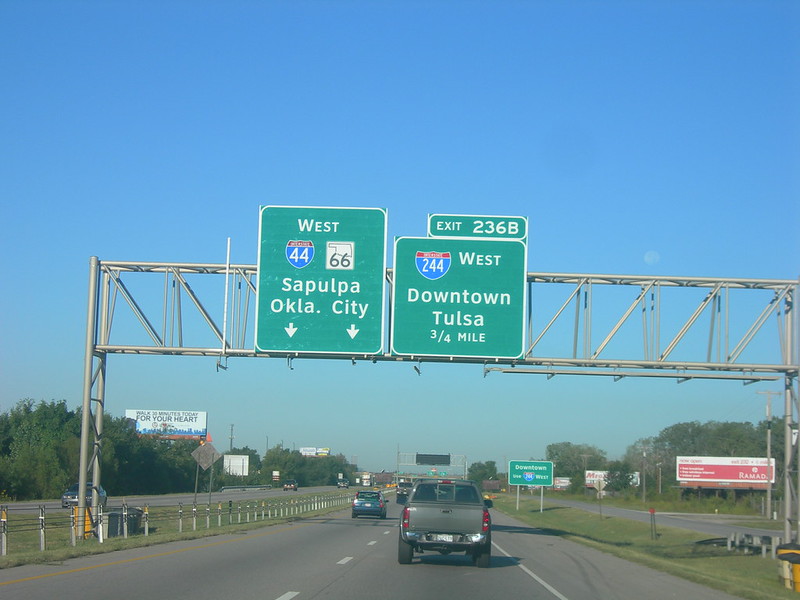
The Turner Turnpike between Oklahoma City and Tulsa is one of those routes many drivers treat like muscle memory. That confidence can be useful, but it can also make people careless. High speeds, toll-road fatigue, trucks, rain, and sudden traffic changes can make the drive sharper than expected.
The most dangerous part of this route may be its reputation as routine. People drive it for work, family trips, concerts, airport runs, and weekend plans. Familiar roads do not become safer just because people have driven them before.
Why These Oklahoma Routes Deserve a Second Look
The most deadly hidden road trip routes in Oklahoma are not always hidden because they are unknown. Many are hidden in plain sight. They are the roads people drive too casually, the scenic highways people rush through, and the rural stretches where help feels farther away than expected.
That is the real lesson locals understand. Oklahoma does not need dramatic cliffs or famous danger zones to test a driver. Sometimes the risk is a straight road, a tired mind, a fast truck, a sudden storm, or one curve taken with too much confidence. The smarter road trip is not the scared one. It is the one that respects the road before the road gives you a reason to.