

The planet is filled with striking sights and contrasts—roaring waterfalls, high mountain ranges, busy streets, and silent stretches of desert. Some places impress with raw nature, others with culture and design shaped over centuries. This guide brings together standout locations across continents that travelers often rank among the most beautiful on Earth.
From Iceland’s ice-covered peaks to the bright coral systems of Belize, these destinations show how varied our planet can be. Some spots draw visitors for dramatic landscapes, others for historic cities, coastlines, forests, or rare geological features. The list mixes natural wonders with human-made landmarks so readers get a broad range of travel ideas rather than one style of trip.
Each location offers its own blend of scenery, heritage, and atmosphere. Whether someone enjoys outdoor adventure, old architecture, coastal drives, or panoramic viewpoints, these places provide strong reasons to plan a journey. Consider this collection a starting map for future trips and memorable moments around the globe.
1. Kotor Bay, Montenegro
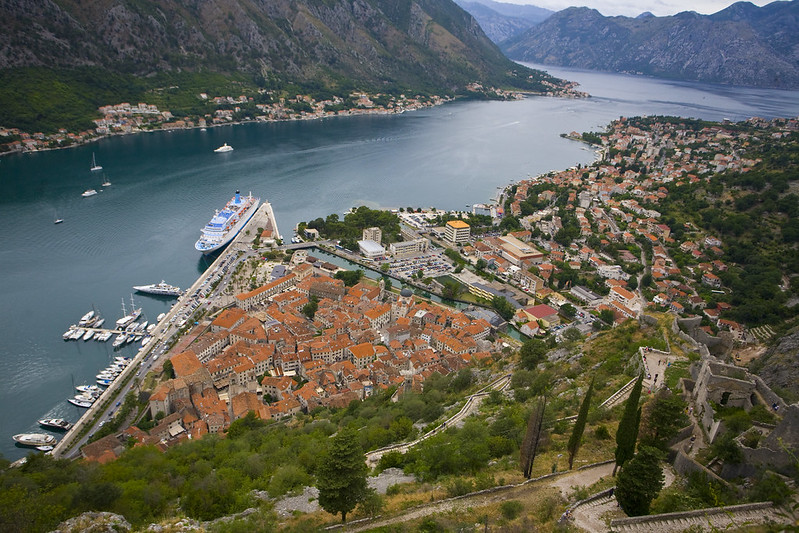
Kotor Bay in Montenegro remains less crowded than many famous European coastal spots, yet its setting leaves a strong impression. Tall limestone cliffs rise sharply above calm, clear water, and small shoreline towns line the curves of the bay. Layers of history stretch back to Roman times, giving the area a deep and textured character.
Kotor’s Old Town is a protected UNESCO site filled with tight stone lanes, old squares, defensive walls, and centuries-old churches. Walking here feels like stepping through a living archive, where every corner shows a different architectural detail. Cafés, small shops, and quiet courtyards break up the maze of streets.
For a wide-angle view, travelers can hike or drive up Mount Lovćen. From the upper viewpoints, the full shape of the bay becomes visible, with villages and marinas appearing small against the mountains. The mix of dramatic terrain and active local culture makes this area a strong choice for those who want a real Balkan travel experience.
2. Iceland
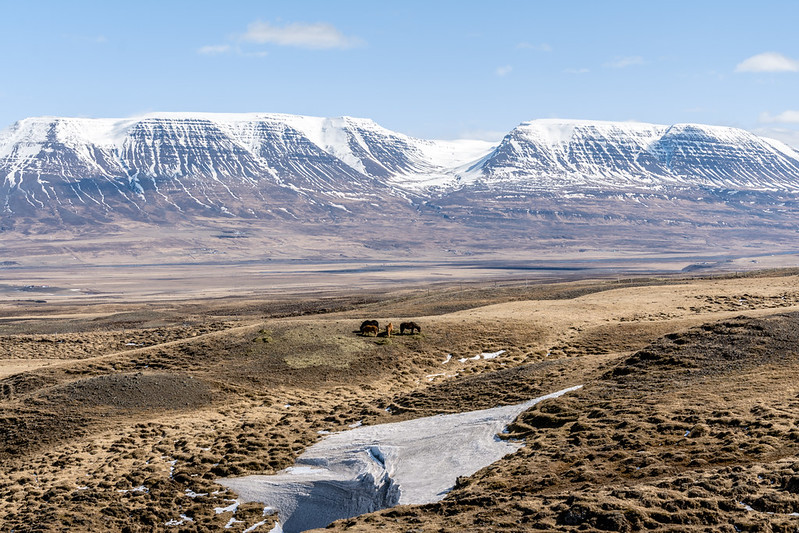
Iceland is often called the Land of Fire and Ice because of its sharp natural contrasts. Massive glaciers sit close to active volcanoes, while steaming hot springs appear beside cold rivers and lava fields. Waterfalls drop from dark rock faces, and wide open terrain gives many areas a raw, almost other-planet feel.
Night skies here can glow with the Northern Lights during the right season, drawing travelers out after dark for skywatching. By day, visitors hike across ice caps, walk behind waterfalls, and explore black-sand coasts. Vatnajökull National Park holds Europe’s largest ice cap, with trails and guided routes across frozen ground. Many also stop at the famous geothermal spa, Blue Lagoon, where mineral-rich warm water offers an easy break between road trips.
The country leaves a strong visual imprint — smoke, ice, water, and rock sharing the same horizon. Few destinations pack this much geological drama into one island, and even short visits tend to stay fresh in memory long after the trip ends.
Read more : 21 Incredible Places in Iceland to Add to Your Adventure Bucket List
3. Erg Chebbi Dunes, Morocco
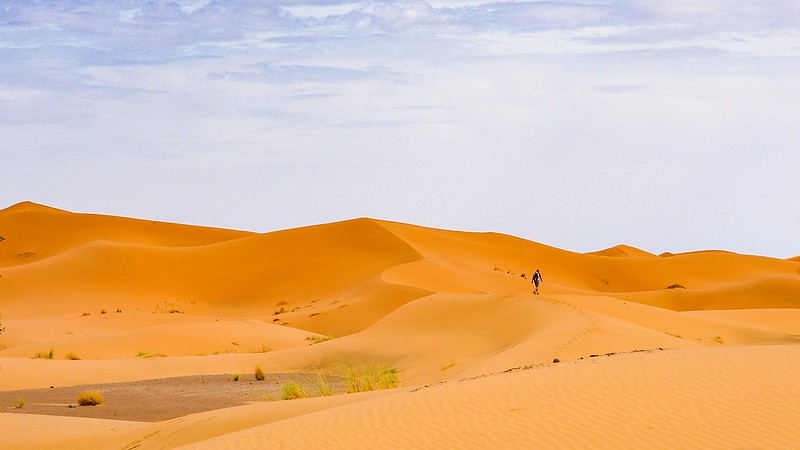
Erg Chebbi sits along the edge of the Sahara in Morocco and is known for its towering sand formations that can rise more than 500 feet. Wind reshapes the ridges day by day, so the surface patterns rarely look the same twice. In early and late light, the dunes shift from pale gold to deep orange, giving the horizon a glowing, fluid look.
One popular way to cross the sand is by camel at sunset, moving slowly over the high crests as temperatures drop. Many travelers stay overnight in Berber-style desert camps, where meals are cooked over open fires and the night sky appears dense with stars. Some nearby desert lodges also have warm spring pools that offer relief after long hours in dry heat.
This stretch of desert works well for those who want distance from traffic, noise, and tight schedules. Open space, rolling sand, and wide skies set the tone here, making it a strong choice for a quiet break and long, unbroken views.
Read more: 21 Magical Moroccan Destinations That Will Take Your Breath Away
4. Mont-Saint-Michel, France
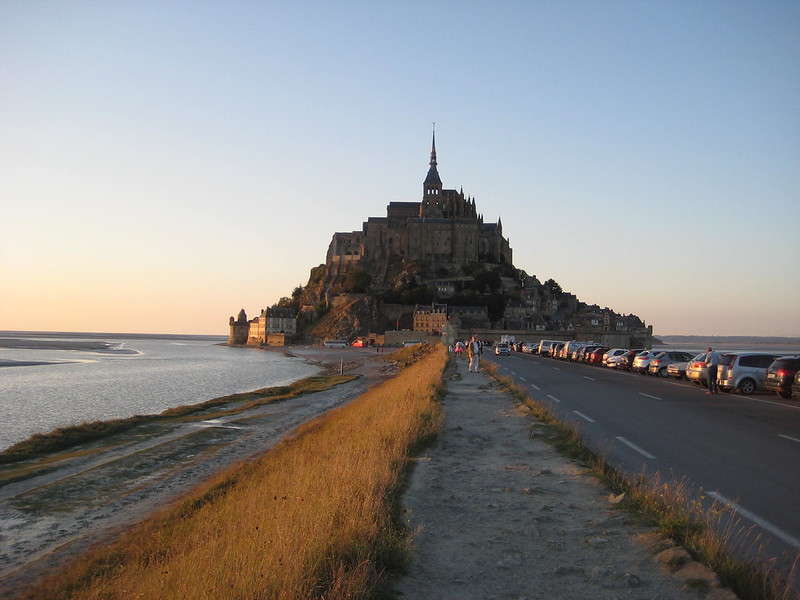
Mont-Saint-Michel rises from the tidal flats off the coast of Normandy like a scene from an old legend. The island commune sits apart from the mainland, with water or wet sand surrounding it depending on the tide. Its stone silhouette, crowned by a tall abbey, is visible from far across the bay.
The upper section holds a historic abbey complex recognized as a UNESCO World Heritage Site. Defensive walls, gates, and towers have guarded the settlement since the early medieval period. Narrow lanes climb upward past small houses, chapels, and shops, leading visitors step by step to the Gothic structures at the summit.
During low tide, people can cross the exposed sands by foot with a guide, while high tide turns the mount back into a near-island. Walking the steep streets and archways gives a close look at centuries-old design and craft. With its dramatic setting and deep history, it ranks among France’s most visited landmarks.
Read more: 21 Must-See French Destinations That Capture Your Heart
5. Sheikh Zayed Grand Mosque, UAE
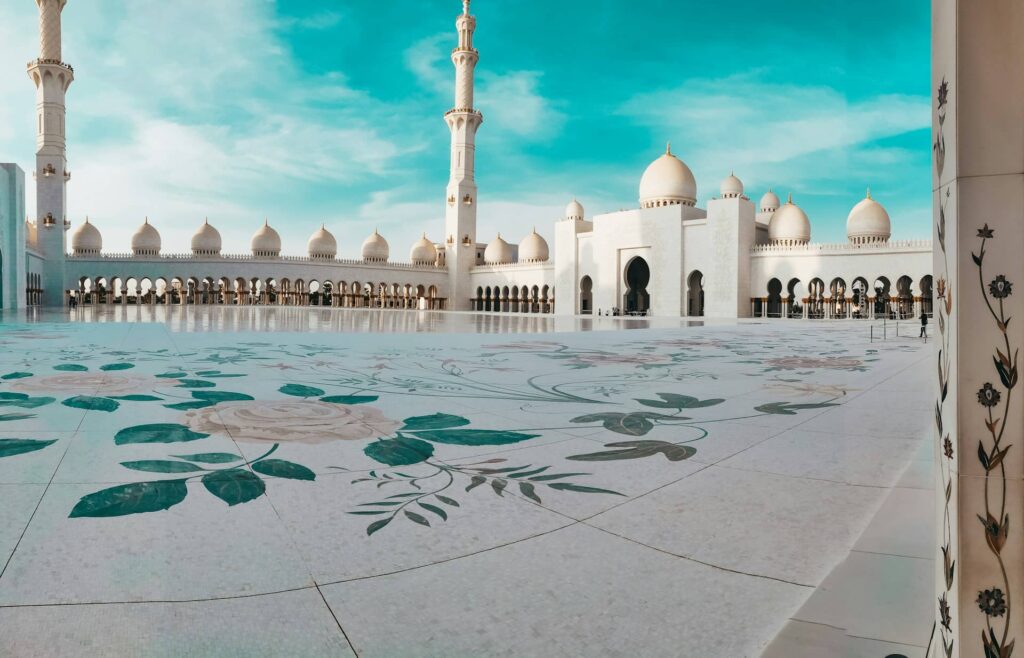
Sheikh Zayed Grand Mosque in Abu Dhabi stands as one of the largest and most visually striking mosques in the world. Its scale is the first thing most visitors notice — wide courtyards, soaring domes, and long colonnades built with bright white marble. The structure draws design ideas from several Islamic traditions, bringing different artistic styles into one grand composition.
The exterior glows in daylight and takes on softer tones after sunset, when lights reflect across the surrounding pools. Inside, vast prayer halls hold detailed carvings, patterned floors, and large chandeliers that anchor the space overhead. Geometric designs and calligraphy appear throughout the complex, showing the depth of craft involved in its construction.
The atmosphere feels calm and orderly, making it suitable for quiet observation as well as photography. For travelers interested in architecture, culture, and large-scale religious landmarks, this mosque ranks among the top places to visit in the UAE.
6. Ella, Sri Lanka
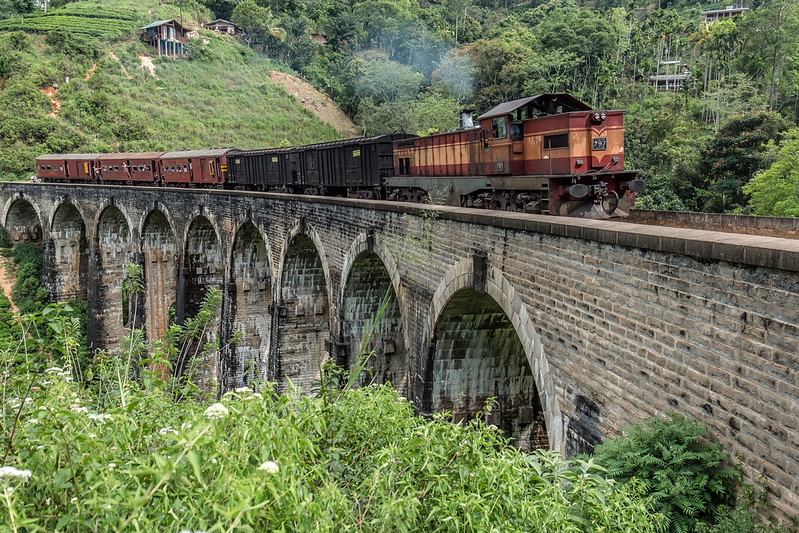
Ella sits in Sri Lanka’s hill country and is known for its cool air and rolling green terrain. The area is covered with tea estates, forest patches, and scattered waterfalls. Long views open across valleys and ridgelines, giving the town a relaxed, open feel compared with the hotter lowlands.
Popular hikes lead to viewpoints such as Ella Rock and Little Adam’s Peak, both offering wide panoramas after moderate climbs. Another highlight is the famous Nine Arch Bridge, where blue trains pass over a curved stone viaduct framed by jungle. Many visitors time their walk to catch a train crossing for photos.
The rail trip between Kandy and Ella is often ranked among the finest scenic train rides anywhere, passing tea gardens, tunnels, and small stations along the hills. With fresh air, slow travel options, and broad mountain views, Ella keeps drawing travelers who want an easygoing stop in Sri Lanka’s highlands.
7. Scottish Highlands
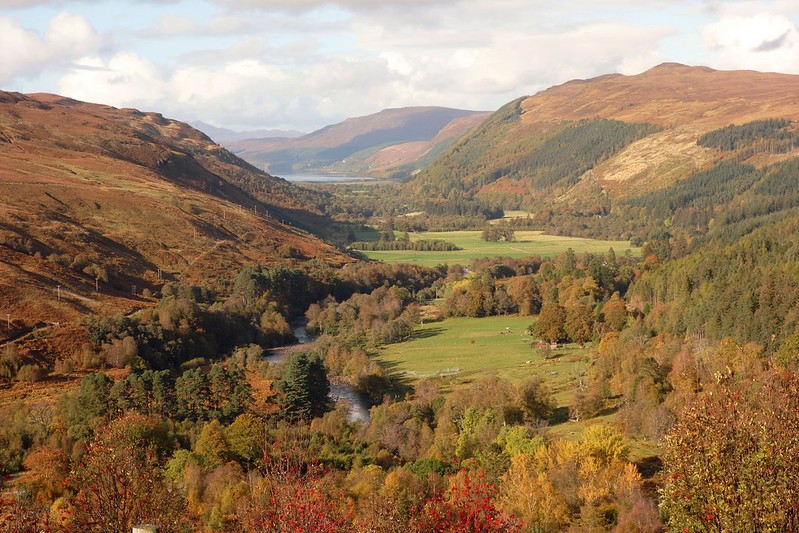
The Scottish Highlands cover a wide stretch of northern Scotland, known for rough mountains, deep glens, freshwater lochs, and scattered villages. Weather and light change quickly here, which gives the terrain a different look from hour to hour. Large open spaces and low population levels make many areas feel remote and quiet.
Travelers often head to Cairngorms National Park, home to some of the highest peaks in Britain and a network of trails and wildlife areas. Boat trips run on several well-known lochs, and road routes pass viewpoints, castle ruins, and valley overlooks. The city of Inverness is commonly used as a starting base for exploring the region.
This part of Scotland suits visitors who like long drives, hiking paths, and stories tied to place and clan history. Nature and heritage sit side by side here, giving each stop both a landscape view and a past worth learning about.
8. Zhangye National Geopark, China
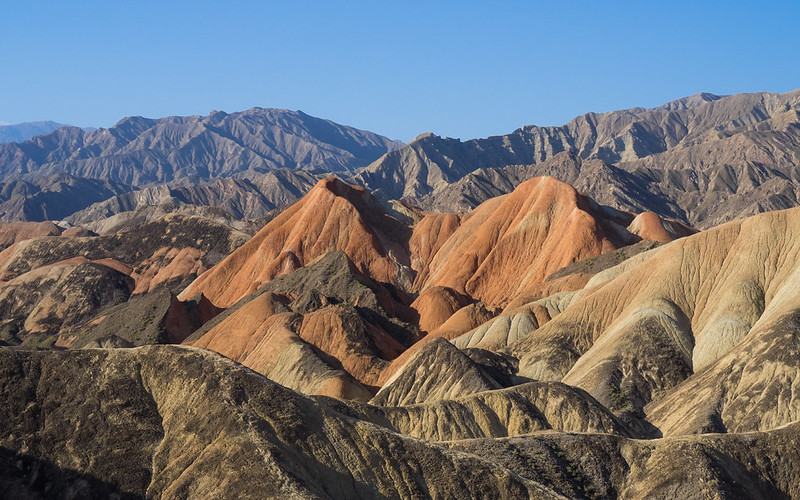
Zhangye National Geopark in Gansu Province, China, is widely known for its multicolored rock hills often called the Rainbow Mountains. Long bands of red, orange, yellow, and darker mineral tones run across the slopes, forming layered patterns that look almost painted from a distance. The color contrast becomes even stronger after rain or during low-angle sunlight.
These formations developed over millions of years through sediment buildup and erosion. Different mineral deposits produced different color bands, and later tectonic movement tilted and exposed them. Today, raised walkways and viewing decks allow visitors to move across several vantage points without stepping on the fragile ground.
The park draws travelers who enjoy geology and landscape photography. Light shifts across the striped hills throughout the day, so the same ridge can appear different from one hour to the next. For camera-focused trips and rare terrain views, this area stands out on most China travel routes.
Read more : 21 Stunning Chinese Destinations Hiding Incredible Wonders
9. Storms River Coast, South Africa
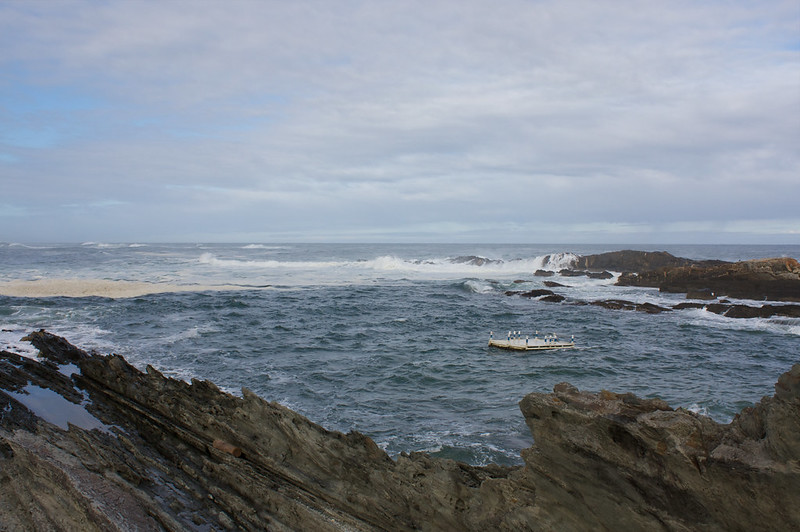
Storms River Mouth in Tsitsikamma National Park, South Africa, shows the raw meeting point of river and ocean. Waves from the Indian Ocean strike dark rocks and boulder fields, while steep cliffs and thick coastal forest rise just behind the shore. The mix of water, stone, and greenery gives the area a dramatic edge.
Walking paths and suspension bridges cross the river gorge, allowing visitors to view the channel from above. One of the region’s best-known routes is the Otter Trail, a multi-day coastal hike that follows cliffs, beaches, and forest sections. Shorter trails near the mouth also provide strong viewpoints without long trekking days.
Adventure seekers often head to nearby Bloukrans Bridge, known for its high bungee platform. Between hiking routes, lookout points, and wave-battered shoreline, this stretch of coast appeals to travelers who like active outdoor trips paired with bold scenery.
10. New Forest, England
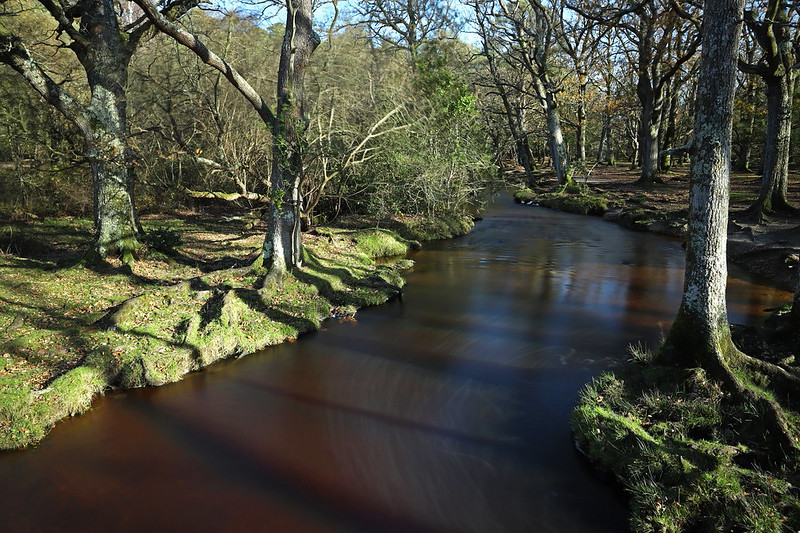
New Forest National Park in southern England is known for its old woodland, open heath, and slow-paced rural character. Large sections of the forest have stood for centuries, with winding paths, grazing animals, and small streams cutting through the terrain. Wild ponies, deer, and cattle often roam freely, so wildlife sightings are common during simple walks.
Villages inside the park add local color and history. Lyndhurst is often referred to as the main hub of the New Forest, with small museums, shops, and visitor centers. Cycling is a popular way to move around, thanks to the network of marked trails that pass through trees and open clearings.
Tea rooms and country pubs offer easy rest stops after time outdoors. For travelers who want fresh air, gentle routes, and a break from city pace, the New Forest provides a steady, grounded travel experience close to nature.
Read more : 21 Incredible Places in England That Feel Straight Out of a Storybook
11. Paradise Bay, Antarctica
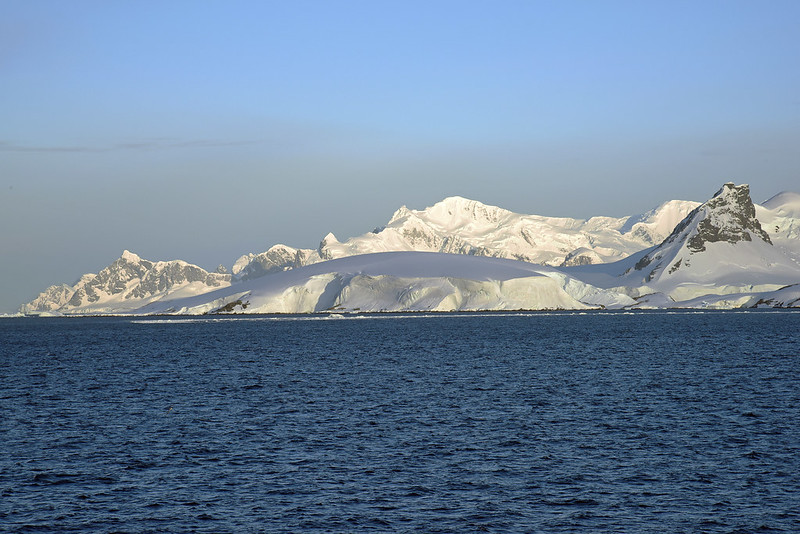
Paradise Bay on the coast of Antarctica sits among steep ice-covered mountains and slow-moving glaciers. The bay is often reached by expedition ships and small boats, which move carefully between floating ice. Snow, rock, and frozen cliffs reflect in the still water, giving the whole area a sharp, high-contrast look.
Icebergs drift through the bay in bands of white and deep blue, shaped by cracks and compression over time. Wildlife sightings are common during landing stops. Penguins gather along the shore, while seals rest on ice slabs, and whales sometimes surface in nearby channels.
A visit here feels remote and stripped down to the basics — ice, water, wind, and wildlife. The scale of the landscape and the closeness to polar nature leave a lasting impression on most travelers who make the journey this far south.
12. Altiplano, Bolivia
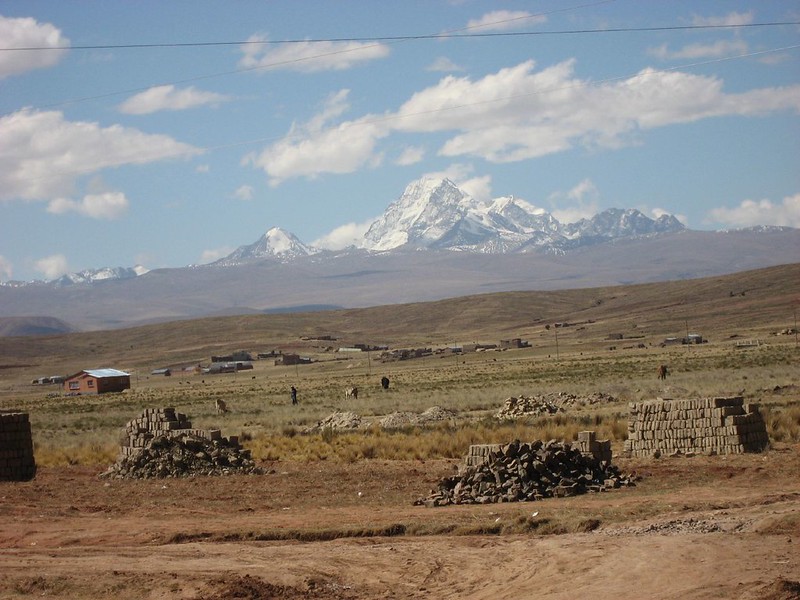
Altiplano stretches across the high Andes as a vast elevated plateau marked by open horizons and snow-lined peaks. The air is thin, the skies often clear, and the terrain shifts between dry plains, mineral lakes, and volcanic ridges. Its scale feels oversized, with long sightlines that run far beyond nearby hills.
Life here adapts to altitude and harsh weather. Hardy grasses, migratory birds, and grazing animals manage to survive in tough conditions. Parts of the plateau connect with famous salt flats and brightly colored lagoons, where mineral content changes the water’s shade from blue to red or green.
Some visitors notice altitude effects at first, so slower pacing helps during the first days. For travelers drawn to remote terrain and high-elevation road trips, the Altiplano offers bold scenery and a sense of geographic extremes rarely found at lower levels.
13. Hoi An, Vietnam
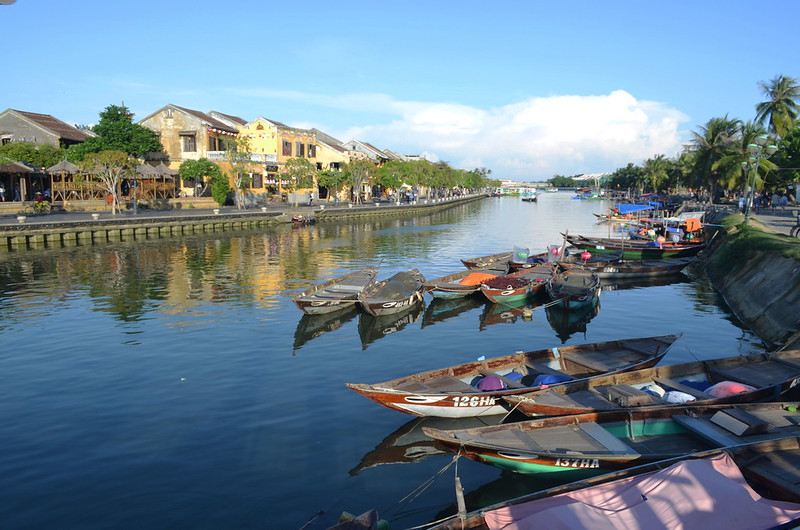
Hoi An in Vietnam is a historic riverside town that keeps much of its earlier look and street layout. Walking through the old quarter feels like moving through another era, with wooden shop houses, tiled roofs, and long-standing temples still in daily use. At night, rows of hanging lanterns light up the streets and reflect off the river.
The town grew as an international trading port, and that past still shows in its mixed architecture and food culture. Chinese assembly halls, old merchant homes, and the well-known Japanese Covered Bridge sit within short walking distance of each other. Many buildings are protected under UNESCO status, which helps keep their original form.
Small lanes, market stalls, and riverfront paths reward slow exploration. Cafés and craft shops fill former warehouses, while tailors and artists work close by. For travelers who enjoy history, street life, and evening walks under lantern light, Hoi An remains a strong stop in central Vietnam.
14. Milford Sound, New Zealand
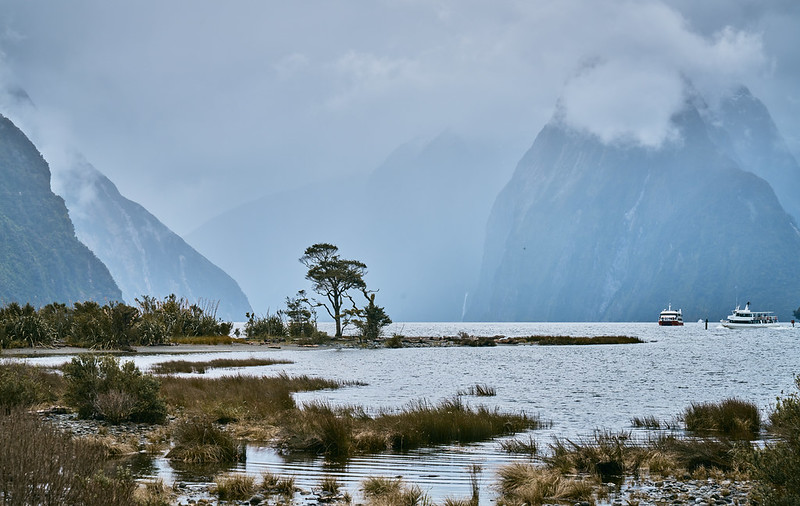
Milford Sound is the best-known fjord in New Zealand, carved by glaciers over long geological periods. Steep rock walls rise straight from the water, and heavy rainfall feeds countless waterfalls that appear and vanish with changing weather. Dense rainforest clings to the slopes, adding deep green layers against dark stone.
Boat trips move slowly through the channel, giving close views of cliffs, cascades, and cloud-wrapped peaks such as Mitre Peak. Wildlife sightings are common during cruises, with seals resting on rocks and dolphins sometimes pacing the vessels. In colder seasons, penguins may also be spotted near the shorelines.
Low clouds, mist, and shifting light give the fjord a changing mood across the day. The setting feels large and raw, with water and mountain pressed tightly together, making it one of the strongest landscape highlights in the country.
15. The Pink City of Jaipur, India
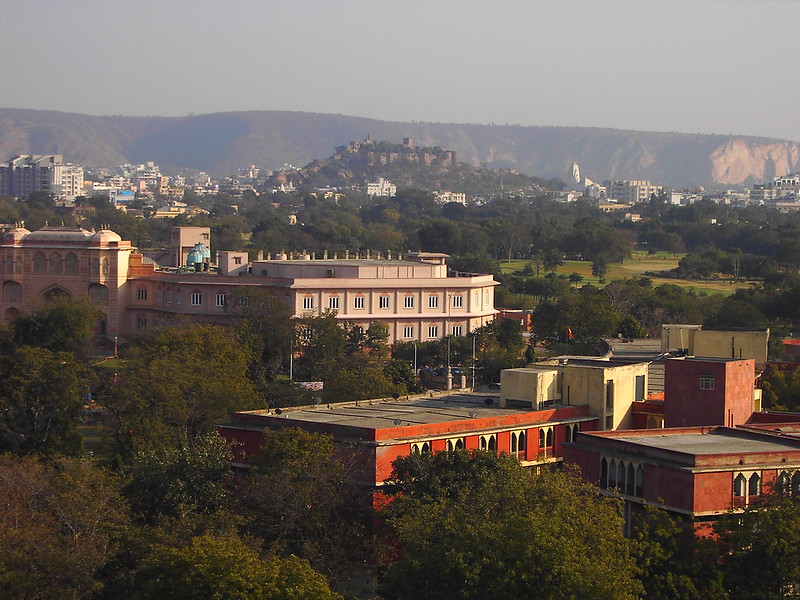
Jaipur, often called the Pink City of India, stands out for its rose-colored facades and historic royal complexes. Large gateways, decorated balconies, and carved windows line many streets in the old quarter. The color theme dates back to the 19th century and still shapes the city’s visual identity today.
Major landmarks include the grand City Palace, Jaipur, where Rajput and Mughal design elements appear side by side in courtyards and halls. On the outskirts, Amber Fort rises above the surrounding hills, with ramparts, mirror work, and wide views over the valley below. Both sites give a strong sense of Rajasthan’s royal past.
Street markets, textile shops, and food stalls keep the city active throughout the day. Between forts, palaces, and bazaars, Jaipur offers a layered travel stop filled with color, architecture, and long-standing cultural traditions.
Read more : 9 Secret Corners of India Every Traveler Should Explore
16. Hormuz Island, Iran

Hormuz Island in the Persian Gulf off the coast of Iran is known for its unusual color patterns across hills, cliffs, and beaches. Mineral deposits in the soil create bands of red, yellow, orange, and even purple tones. The ground itself often looks painted, especially under direct sun.
One of the best-known areas is the Valley of Statues, where wind and erosion have shaped rock towers and arches over long periods. Another highlight is the Red Beach, where iron-rich sand gives the shoreline a deep crimson shade that stands out against the blue water.
The island remains less crowded than many coastal destinations, which adds to its appeal. Short hikes, boat rides, and shoreline walks give visitors close views of the terrain and rock shapes, making Hormuz a strong pick for travelers interested in geology and bold natural color.
17. Puglia, Italy
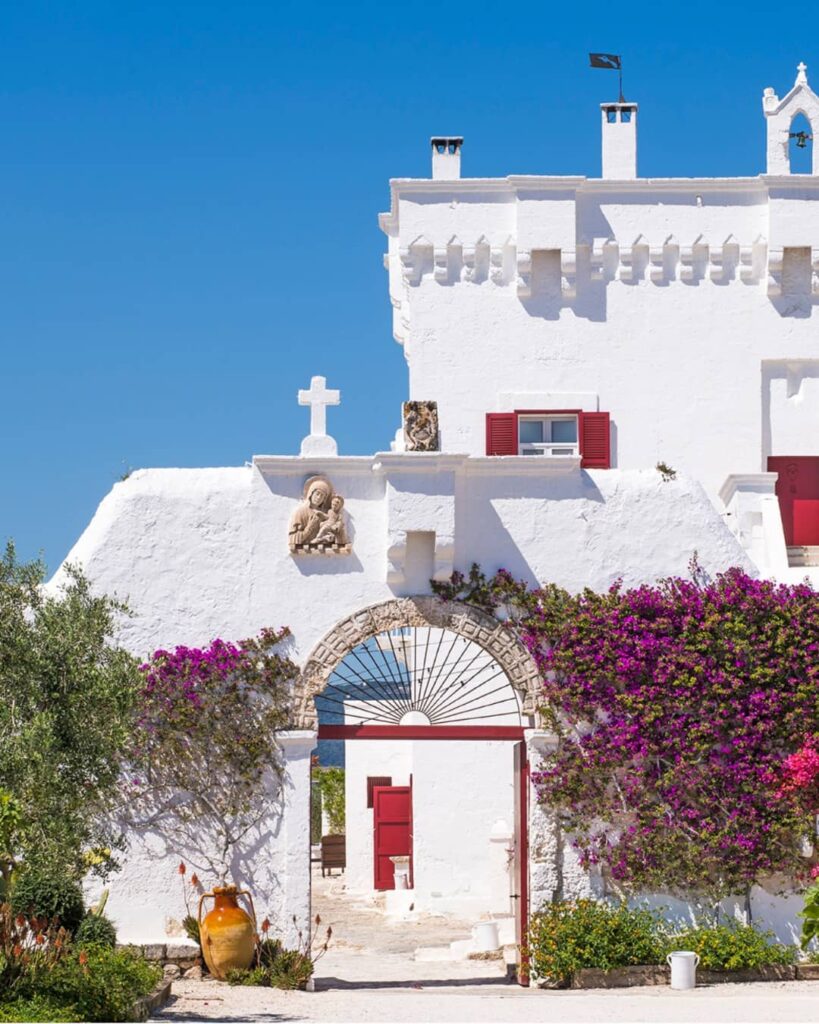
Puglia is a southern region of Italy known for long coastlines, rural towns, and traditional architecture. The landscape shifts between rocky shores, open farmland, and old settlements built from pale stone. Life here often moves at a slower pace, with fishing ports and agricultural villages spread across the peninsula.
One of the best-known stops is Alberobello, famous for its cone-roofed trulli houses built from stacked limestone. Along the Gargano Peninsula, clear-water beaches and sea caves draw swimmers and boat tours. Inland areas are filled with olive groves and country roads that connect small historic centers.
Travelers who want coastal views, regional food, and older town layouts often add Puglia to their Italy plans. It works well for relaxed road trips, short village stays, and days split between beaches and cultural sites.
Read more : 16 Hidden Gems in Italy You’ll Wish You Knew Sooner
18. Victoria Falls, Zambia and Zimbabwe
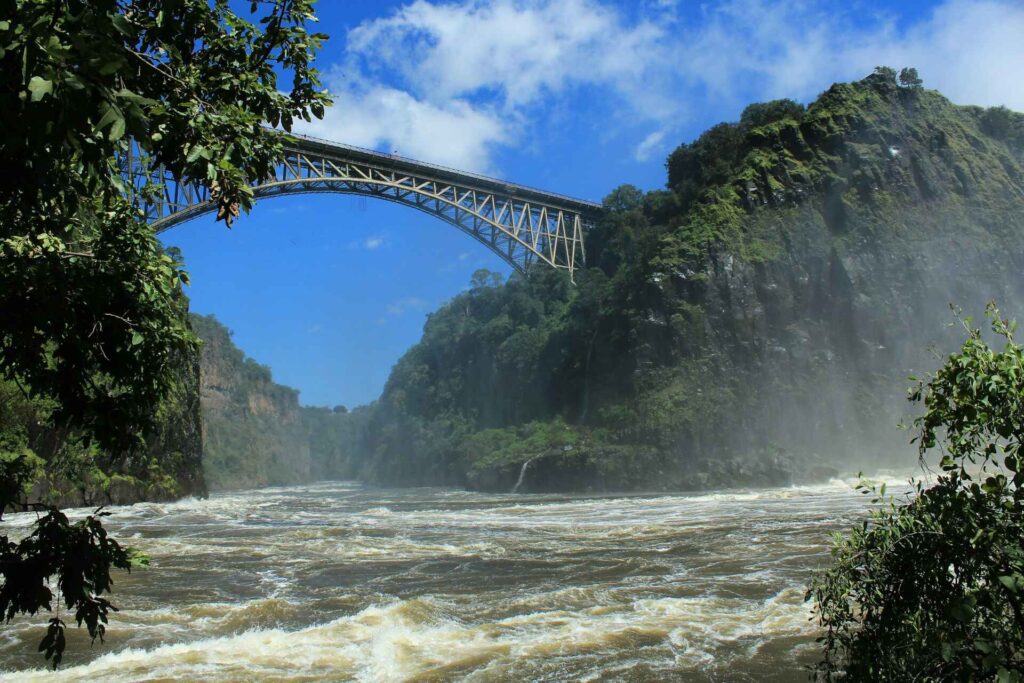
Victoria Falls lies on the border between Zambia and Zimbabwe and ranks among the largest waterfalls on Earth. Fed by the Zambezi River, the water drops across a wide basalt edge and crashes into a deep gorge below. The falling spray rises high and can be seen from miles away during peak flow.
Recognized as a UNESCO World Heritage Site, the falls draw visitors for both scenery and scale. Sunlight often catches the drifting mist, forming rainbows that shift through the day. Walking paths and viewing platforms give multiple angles of the curtain of water and the carved canyon walls opposite.
The surrounding park areas support walking tours, boat trips upstream, and guided viewpoints along the rim. For travelers interested in major natural landmarks, Victoria Falls stands as one of Africa’s most powerful landscape sights.
19. Kinkaku-ji, Japan
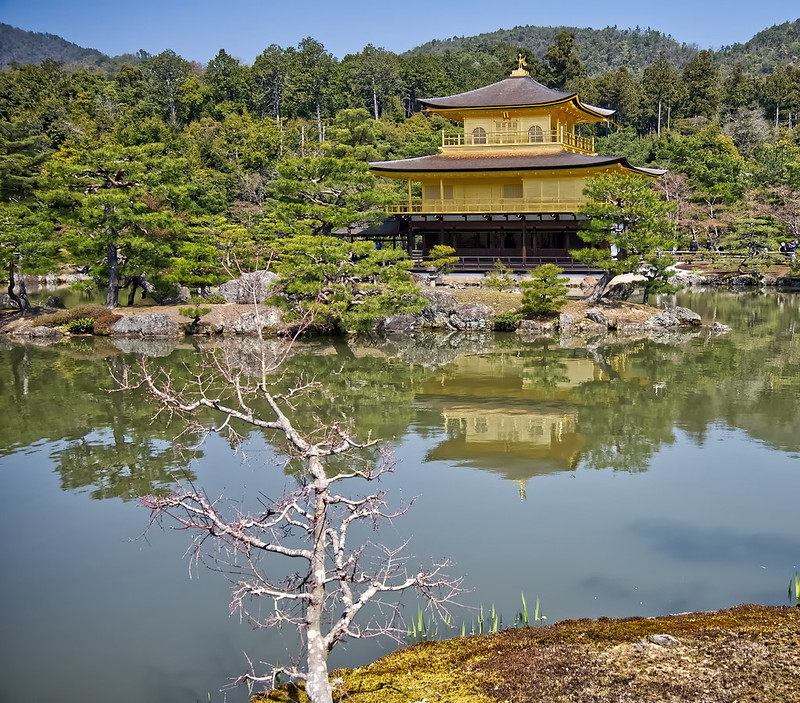
Kinkaku-ji, often called the Golden Pavilion, is one of the best-known historic temples in Japan. The upper floors are covered in gold leaf, which catches sunlight and reflects across the pond beside it. The building’s placement next to water and trees creates a balanced, carefully planned setting.
The site is listed by UNESCO and follows classic Japanese temple layout and garden design. Walking paths circle the pond and pass through landscaped grounds, small gates, and viewing points. Each angle presents a slightly different composition of the pavilion, water, and background foliage.
Visitors often come here to study traditional architecture and garden structure in one location. The combination of reflective water, gold-covered walls, and ordered greenery gives the temple lasting visual impact and strong cultural value.
Read more : 21 Magical Places in Japan That Promise Unforgettable Memories
20. South Water Caye, Belize
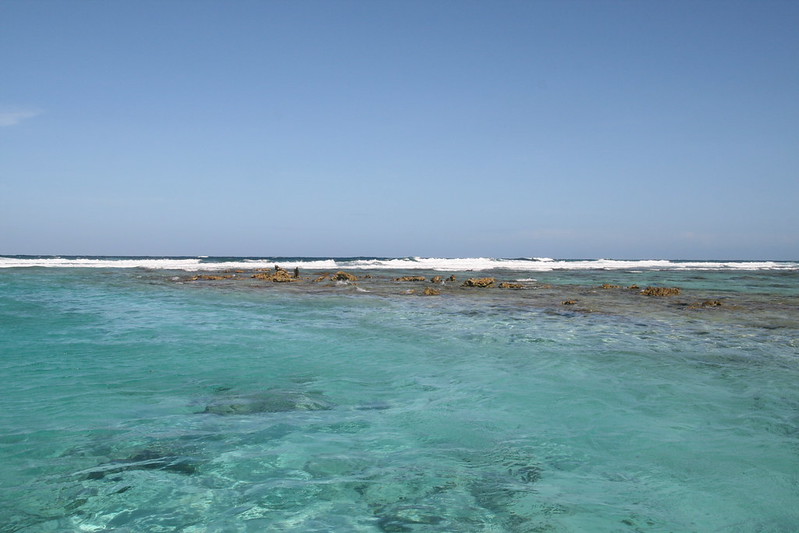
South Water Caye sits off the coast of Belize along the barrier reef system. This small island is known for clear shallow water, pale sand, and close access to coral formations just offshore. Boats reach it from the mainland in a short ride, yet it feels far removed from busy resort zones.
The surrounding reef areas support strong marine diversity, which makes the caye popular for snorkeling and diving trips. Fish schools, coral heads, and sea fans are visible near the surface, so even short swims provide good underwater views. Many visitors split their day between reef time and quiet hours on the beach.
Accommodation here is limited and low-rise, which keeps the setting simple and slow-paced. Travelers who prefer reef activity, warm water, and small-island stays often add South Water Caye to their Belize travel plans.
21. Danakil Depression, Ethiopia
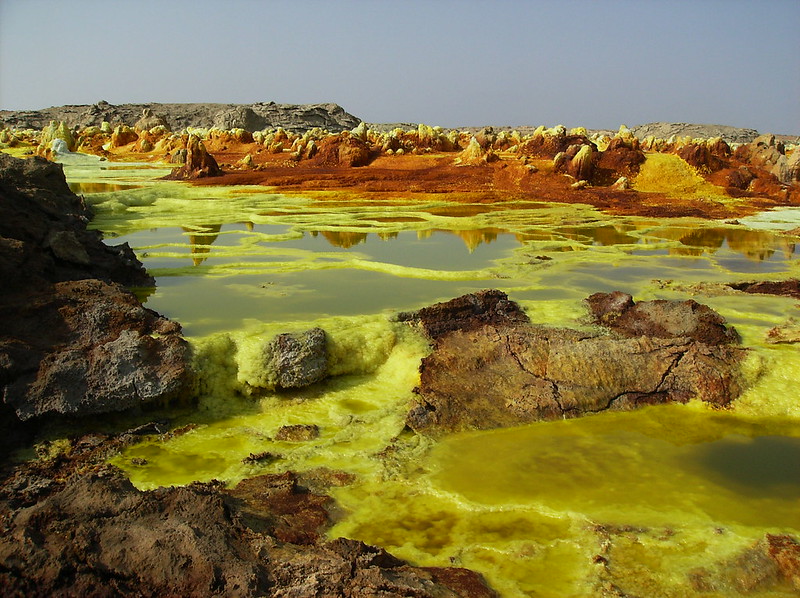
Danakil Depression in Ethiopia ranks among the hottest and lowest land areas on Earth. The terrain looks stark and otherworldly, with salt flats, active volcanic zones, and mineral-rich ground split by cracks and vents. Steam and gas often rise from the surface, adding motion to an already dramatic setting.
One major highlight is the Dallol hydrothermal field, where chemical activity colors the ground in bright yellow, green, and orange tones. Another key site is Erta Ale, a volcano known for its long-lasting lava lake, visible from the crater rim during guided trips.
Conditions here are harsh, so visits usually happen with organized expeditions. For photographers and geology-focused travelers, the Danakil region offers rare ground features and powerful volcanic scenes that are difficult to match elsewhere.