

London has a reputation for draining wallets fast, but that reputation skips an important truth. You can spend days here without handing over much money at all. This guide focuses on experiences that cost nothing while still giving you a real sense of the city. With a little awareness, London can feel generous rather than expensive.
I didn’t sit down with the goal of listing free attractions. The original idea was to share personal advice for spending time in London without stress. As I began recalling favorite moments, a pattern appeared. Many of the places and experiences that stayed with me never required a ticket or entry fee.
After multiple trips, it struck me how rarely I paid for activities at all. Walks, museums, neighborhoods, and public spaces filled most of my days. That realization shifted the direction completely, leading to this focused list of the best things you can enjoy in London without spending a pound.
The result is simple: a city that rewards curiosity, patience, and time on foot. London doesn’t hide its best moments behind price tags. Some of them are open, accessible, and waiting for anyone willing to slow down and look around.
Best Free Things to Do in London
Most of the activities below are completely free, with a few optional paid suggestions at the end. These are some of the best things to see and do in London without spending much.
If you’re visiting for the first time, these spots belong on your itinerary.
1. Big Ben: A London Landmark I Always Look For
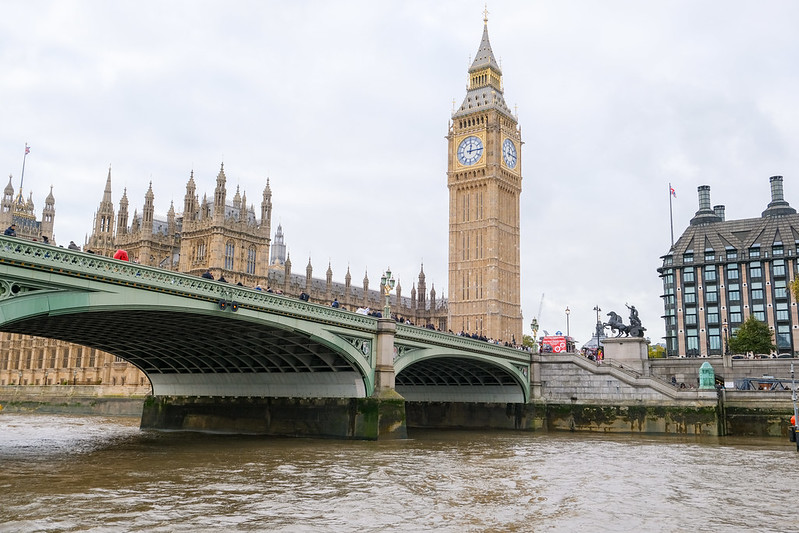
Big Ben has always been my favorite building in London. Even though its official name is Elizabeth Tower—and “Big Ben” actually refers to the largest bell inside—I still call the whole structure Big Ben, just like most visitors and locals do.
You can spot the tower from a long distance, rising confidently beside the Palace of Westminster. It stands near the River Thames and sits within walking distance of major sights such as the London Eye, which makes it hard to miss during a day out in the area.
Right now, renovation work means the tower isn’t fully on display. Parts are covered, and the view isn’t quite what postcards show. Even so, it remains a meaningful stop. The scale, history, and presence of the tower still come through, even when scaffolding gets in the way.
2. Parliament Square: History at Your Feet
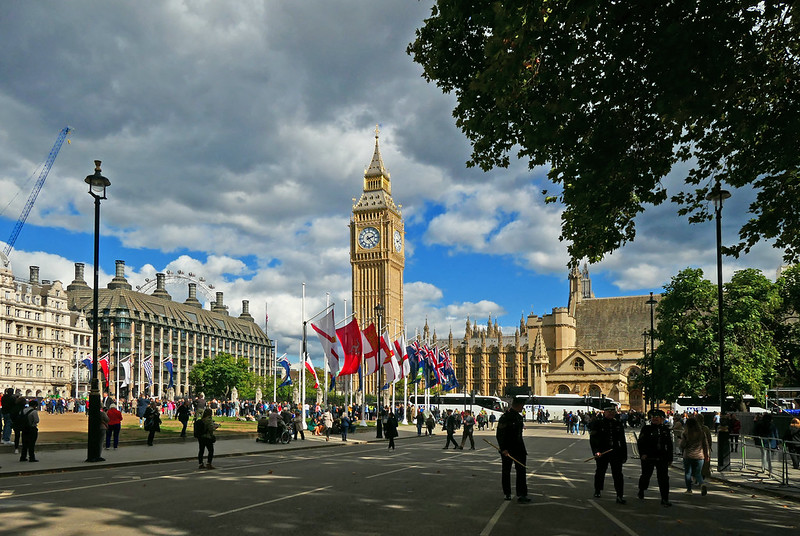
Standing directly before Big Ben—a name many still resist using—Parliament Square opens up as a broad public space where politics, memory, and everyday life intersect. Patches of grass soften the scene, while statues of globally influential figures quietly command attention. Among them is Mahatma Gandhi, whose presence adds an international voice to this distinctly British setting.
The atmosphere here shifts with the hour. At one moment, visitors sit on benches taking a break from walking; at another, conversations spark around the monuments, prompted by questions about who these people were and why they matter. It’s a place where pause feels natural, whether you’re watching traffic circle the square or listening to passing stories from guides and locals.
More than a photo stop, Parliament Square invites reflection. The statues act as silent prompts, encouraging thought about leadership, protest, and change, while the constant backdrop of Westminster keeps the city’s political pulse firmly in view.
3. Piccadilly Circus: London at Full Volume
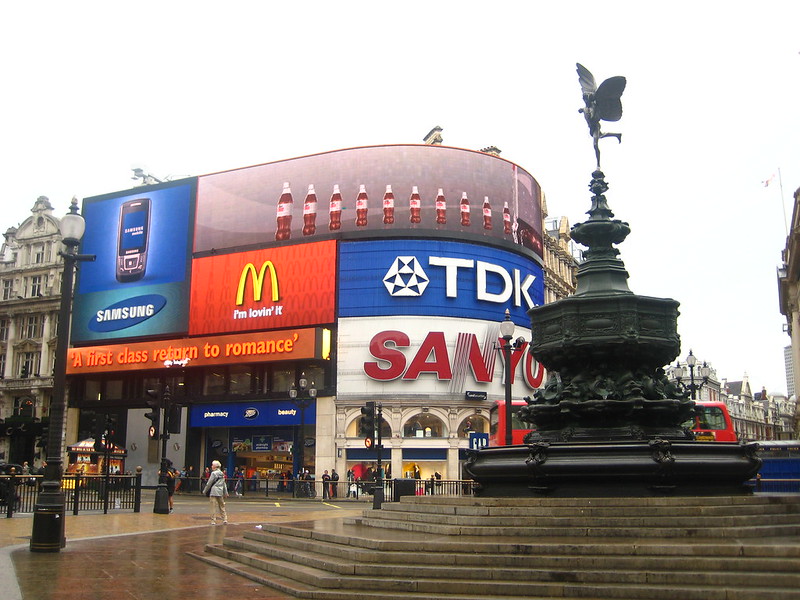
A stop that almost everyone makes at least once is Piccadilly Circus, often compared to Times Square—though with slightly less chaos and a distinctly British edge. Giant digital screens dominate the junction, traffic streams in every direction, and crowds seem to appear at all hours of the day.
Yes, it’s busy. Sometimes overwhelmingly so. Yet that constant motion is part of the appeal. Standing there, you feel London speeding past you—tourists snapping photos, locals weaving through the masses, buses rolling by in tight succession. It’s loud, crowded, and unapologetically intense.
The location also makes it hard to ignore. From here, it’s easy to reach Buckingham Palace, Big Ben, and several other well-known landmarks. Even if you don’t linger long, Piccadilly Circus leaves a strong impression—one brief stop that captures London at its most animated.
4. Buckingham Palace: A Familiar Stop That Still Matters
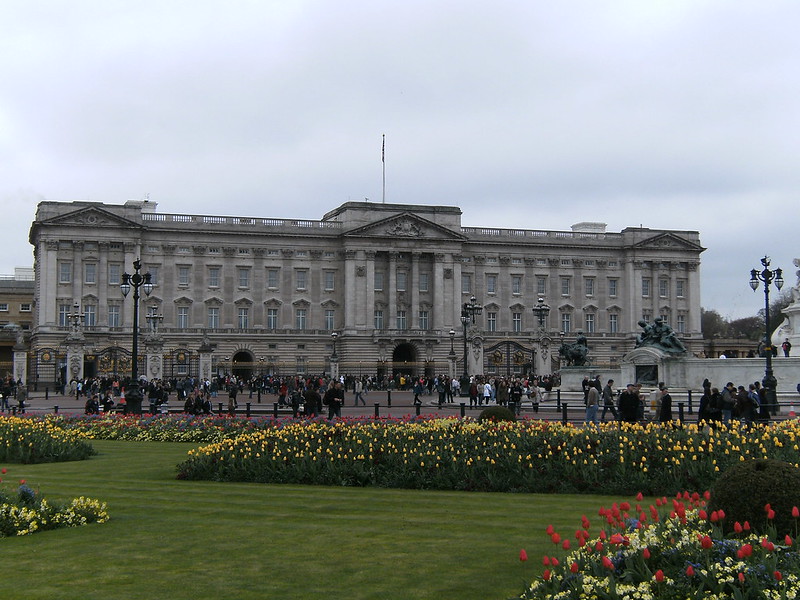
Buckingham Palace deserves a place on any London list and is easy to visit on your own, regardless of how you feel about royalty. I’ve passed through many times, yet I still return whenever I’m in the city. Strangely enough, despite all those visits, I’ve never actually stayed to watch the Changing of the Guard.
Architecturally, the Palace won’t overwhelm you. It’s restrained rather than dramatic. Still, for a first visit to London, seeing it in person feels almost expected. What keeps drawing me back are the nearby green spaces, where the pace slows and the crowds thin. And yes, I still catch myself scanning the area, half-hoping to glimpse a royal passing by.
One question comes up again and again: does the Queen really live there? The answer is yes—it has long been the official residence of Queen Elizabeth II. The flags offer a simple clue. When the Union Flag is raised, she is away. When the royal standard flies above the Palace, it signals that she is in residence.
5. Trafalgar Square: From Feathered Chaos to Photo Stop
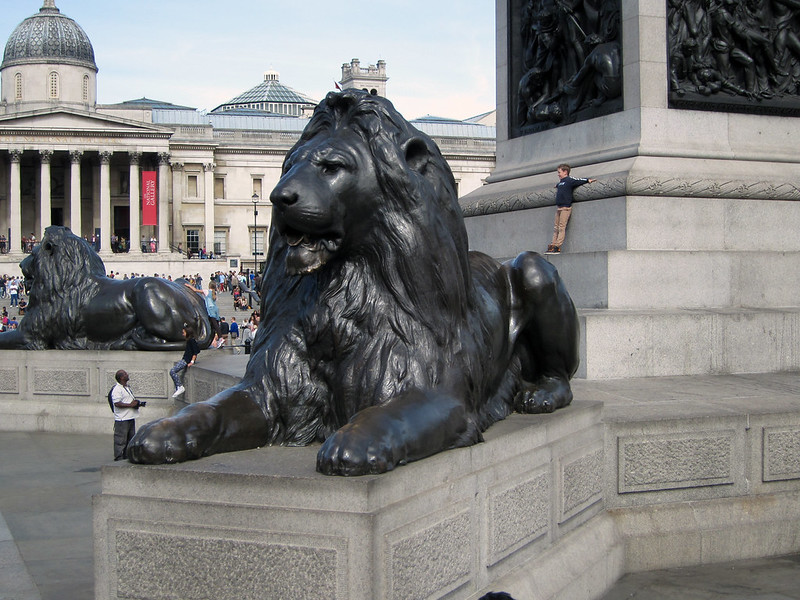
My first visit to Trafalgar Square was dominated by pigeons. Everywhere. For someone who panics the moment birds take flight overhead, that encounter left a lasting—and slightly stressful—memory. It was hardly the warm welcome I had imagined.
Time has changed that impression. These days, pigeons are far less of a presence, and the space feels calmer and easier to enjoy. I can finally stand still, look around, and appreciate the setting without constantly checking the sky above me.
What makes the square appealing now is its layout and location. Statues ring the open space, and Nelson’s Column rises confidently at the center, anchoring the scene. It’s a solid backdrop for photos and a natural meeting point for anyone exploring nearby areas.
Another bonus is how close it sits to major sights. A short walk leads you toward London Eye and several other well-known stops, making Trafalgar Square an easy pause between destinations—and a much friendlier one than I first remembered.
6. Oxford Street: London’s Retail Powerhouse
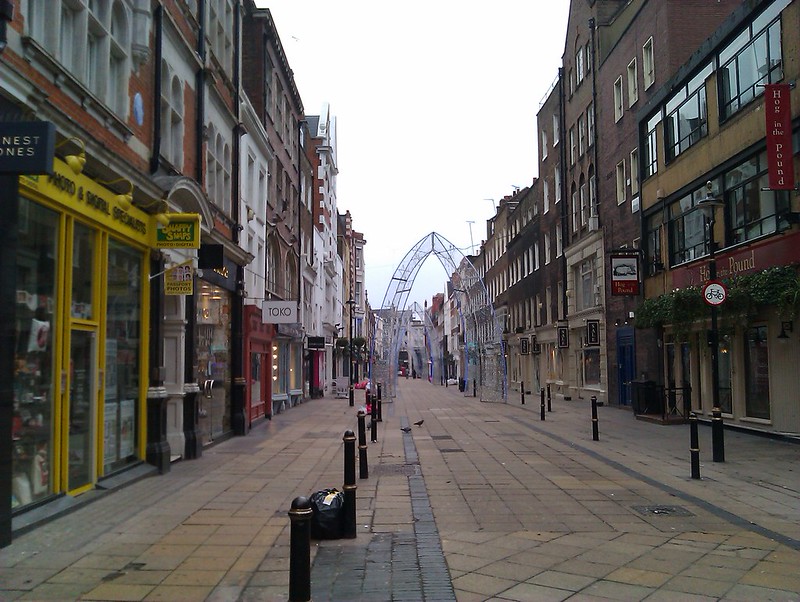
Oxford Street is anything but an average shopping road. This is the city’s primary retail stretch, the place where London’s shopping energy feels concentrated and relentless. The scale alone can be surprising the first time you see it.
The street runs on and on, lined with flagship stores, international brands, and familiar names you’ve likely seen back home—just packed closer together and multiplied. Foot traffic rarely slows, and the steady flow of people gives the area a constant sense of movement.
What stands out most is the variety. Fashion, electronics, beauty, souvenirs—it’s all here, often side by side. Even if shopping isn’t high on your agenda, walking along Oxford Street offers a clear snapshot of modern London life, busy, loud, and unapologetically commercial.
7. Covent Garden: A Market That Never Feels the Same
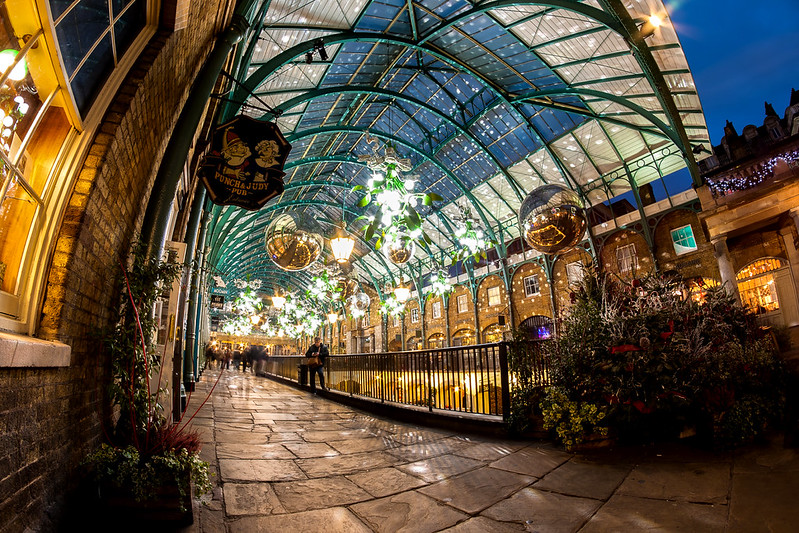
Covent Garden is known for many things, but the market is what keeps pulling me back. Out of everything in the area, that’s the part I return to again and again, almost out of habit.
Each visit feels slightly altered. The stalls shift, decorations change, and even the atmosphere seems adjusted, as if the space quietly reinvents itself without announcement. What I saw last time is rarely what greets me next, which makes every stop feel fresh rather than repetitive.
That constant sense of change is what makes the market so enjoyable. Even after multiple visits, it never feels worn out or predictable. Covent Garden manages to stay familiar while still offering something new, and that balance is exactly why it remains a favorite.
8. Camden Market: Worth One Good Wander
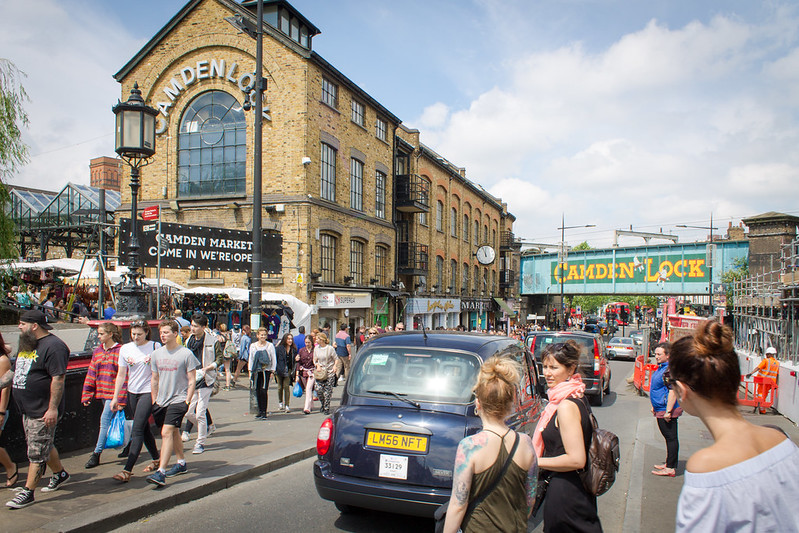
I’ll be honest—I’m not especially drawn to markets. Crowds and tight walkways usually test my patience. Still, Camden Market surprised me in a good way.
The area has its own rhythm. Stalls spill into side paths, music drifts from unexpected corners, and the mix of people feels different from anywhere else in the city. Even without buying anything, there’s plenty to look at, from food stands to handmade items and street fashion that leans bold.
One visit felt like enough, and that’s not a criticism. A slow walk through Camden Market works well as a short detour—something to see, absorb, and move on from. If you enjoy wandering without a strict plan, it’s an easy place to recommend for a casual stroll.
9. Millennium Bridge: A Walk With a View
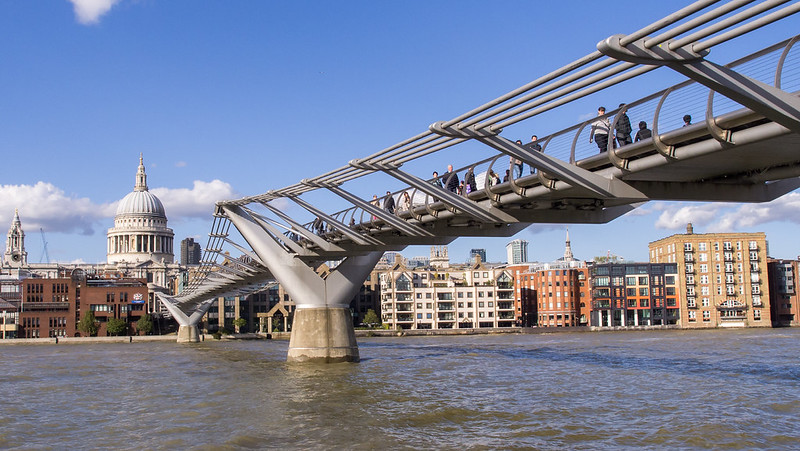
I only crossed Millennium Bridge on my most recent visit, almost by chance. Still, the short walk left a strong impression, especially as the path lines up directly with St. Paul’s Cathedral ahead.
Moving across the bridge, your eyes are pulled forward again and again. The cathedral grows larger with every step, its dome rising steadily into view. It’s one of those moments where you instinctively slow down, even if the people around you keep pushing on.
Crowds are part of the deal here, particularly during busy hours. At times, progress feels slow, but that hardly ruins the experience. The mix of footsteps, cameras, and conversation only adds to the sense that you’re walking through a well-loved slice of London rather than a quiet shortcut.
10. St. Paul’s Cathedral: A Space That Commands Attention
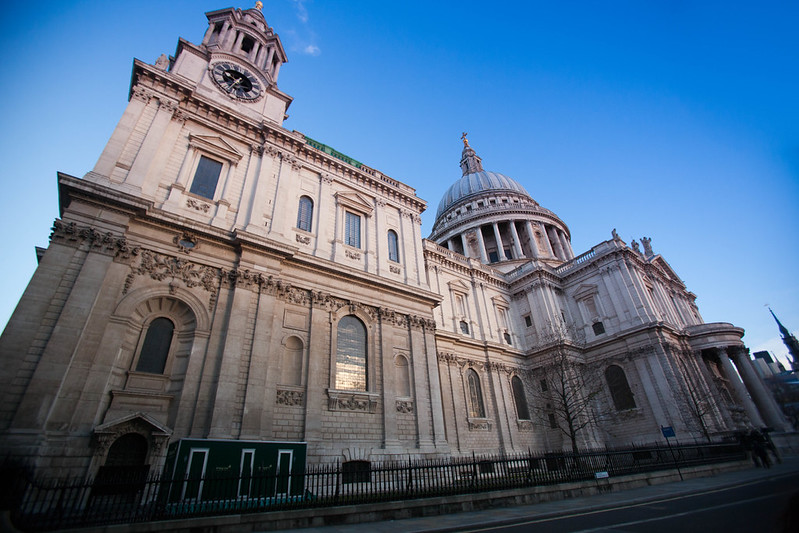
Speaking of St. Paul’s Cathedral, this is one place I genuinely enjoy, even though museums rarely hold my interest. Religious buildings tend to offer a different kind of presence—less about exhibits and more about atmosphere, scale, and quiet reflection.
Walking inside, the shift is immediate. The vast interior, the height of the dome, and the echo of footsteps create a sense of pause that feels separate from the city outside. Whether you spend ten minutes or an hour, the experience stays with you longer than expected.
If you attend a service, entry is free, which makes the visit feel more organic and unforced. Outside of service times, there is an admission fee, but for a first visit to London, stepping inside St. Paul’s feels like a worthwhile choice—one that adds depth beyond street-level sightseeing.
11. Free Museums Worth a Detour
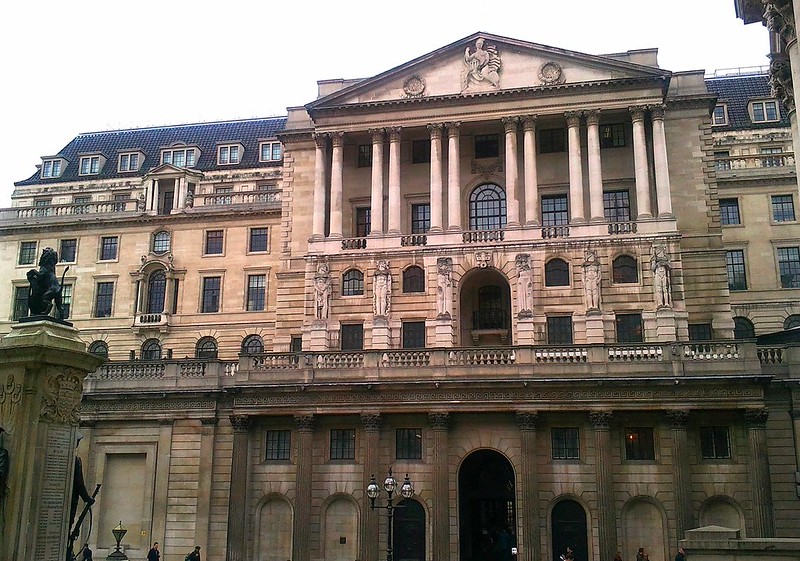
I’ll say it again—I’m rarely excited by museums. Even so, London makes a strong case with several options that don’t charge an entry fee, which lowers the barrier enough for even reluctant visitors like me.
Places such as the Bank of England Museum offer a focused experience that doesn’t demand hours of attention. It’s compact, informative, and easy to take in without feeling overwhelmed or rushed.
Then there’s the Victoria and Albert Museum, which operates on a much larger scale. You don’t need to see everything to enjoy it. Dropping into a few galleries, resting in the courtyard, or simply walking through the building can be enough to make the visit feel worthwhile—even if museums aren’t usually your thing.
12. Kensington Gardens: Green Space With Royal Ties
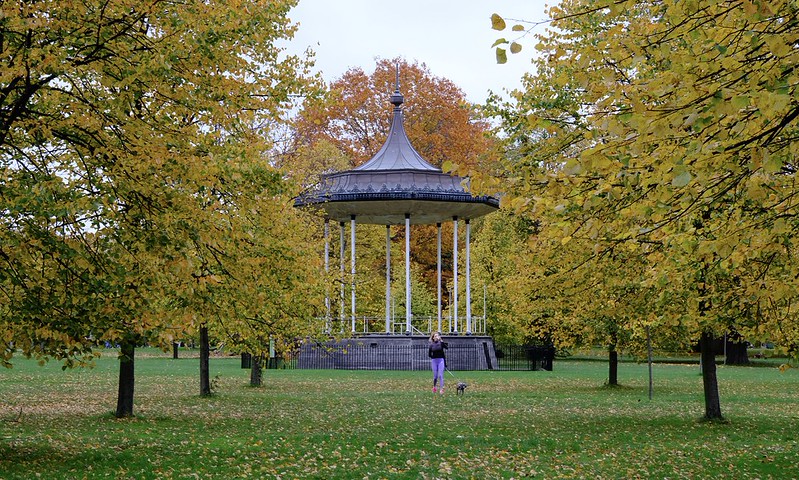
Kensington Gardens stretches out as a calm counterpoint to the city’s pace and happens to house Kensington Palace. The palace has long been linked to members of the Royal Family, including Princess Diana, as well as Prince William and Catherine, Princess of Wales.
Beyond the palace walls, the gardens open into wide paths, shaded lawns, and several playgrounds that make the area feel welcoming rather than formal. Families linger, walkers slow their pace, and it’s easy to forget how close you are to busy streets.
One small highlight sits quietly among the greenery: the Peter Pan Statue. It adds a touch of storybook charm to the walk and often catches visitors by surprise, making the gardens feel playful as well as historic.
13. Sky Garden: High Above the City
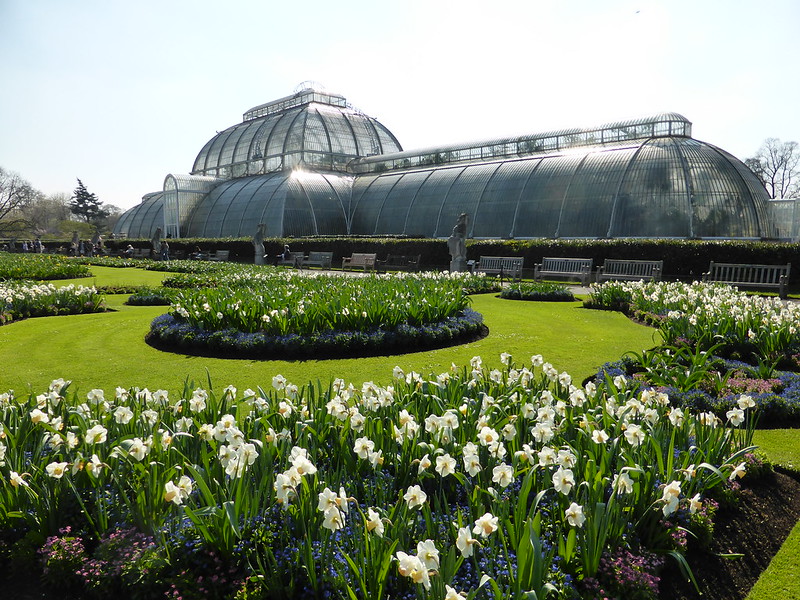
I’ll admit it—I still haven’t made it inside Sky Garden, and timing is the only reason. Every time I tried, reservations were already gone. That scarcity alone says a lot. Two things make this spot especially appealing: entry doesn’t cost anything, and the views stretch across London in every direction.
There is, however, a catch. Tickets disappear fast, often weeks ahead, because daily slots are limited. Booking two or three weeks early gives you a fair chance. If that fails, there’s a workaround—reserve a table at one of the restaurants or bars inside. You’ll still get access and enjoy the skyline with a drink in hand.
For those interested in greenery beyond Sky Garden, Gardens of Europe is another option. It isn’t free, but the layout and plant displays make it a pleasant stop, especially if you enjoy structured outdoor spaces and slower walks away from traffic.
14. Hyde Park: Space to Move, Pause, or Listen
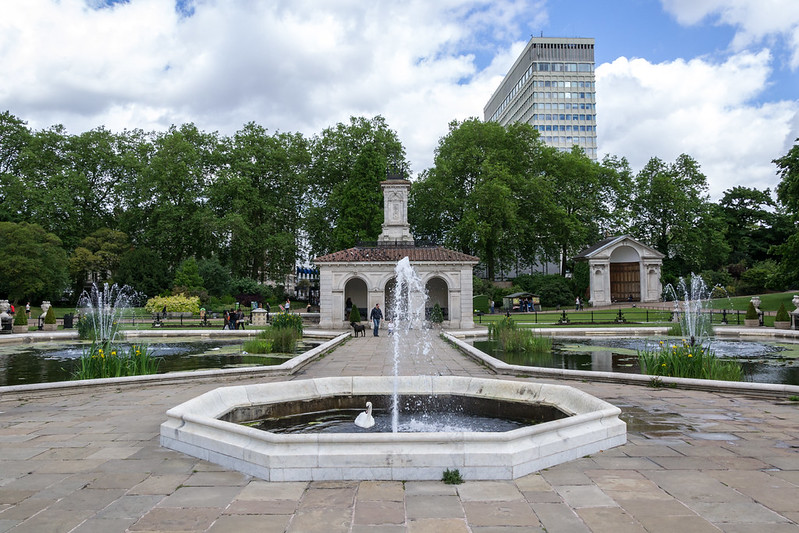
Hyde Park ranks among the largest urban parks in the world, and its scale becomes clear the moment you step inside. There’s room for almost anything—swimming in the Serpentine, jogging along long paths, cycling past open lawns, sitting with a book, or grabbing food without leaving the grounds.
I’ve only been once. It was pleasant and lively, but it didn’t completely win me over, so I never felt the pull to return. That said, first-time visitors often appreciate the sheer openness and the way the park breaks up the city’s density. It works well as a reset between busier stops.
One corner is especially worth a look: Speaker’s Corner. This is where public debate has been welcome for generations. People still stand, speak, argue, and listen—sometimes thoughtfully, sometimes loudly—turning a patch of grass into an ongoing, unpredictable conversation.
15. St. James’s Park: Wildlife and Royal Backdrop
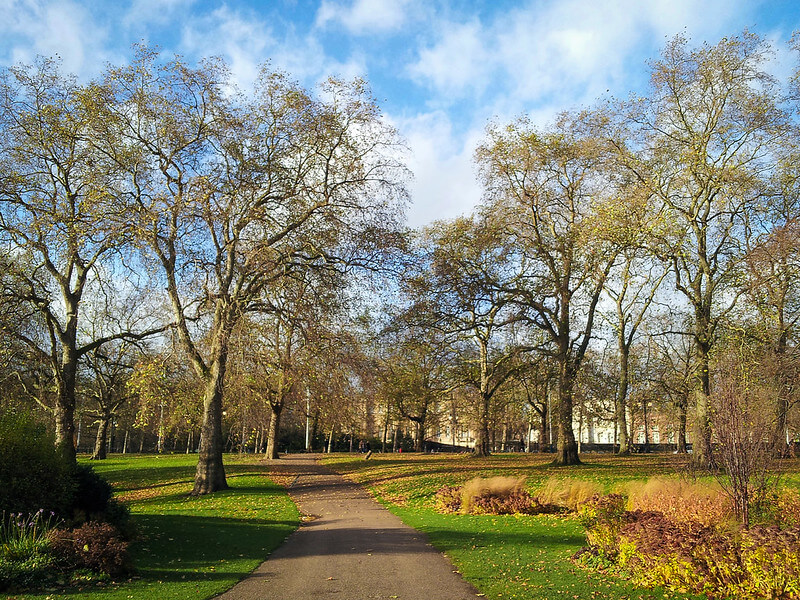
Out of all the green spaces in London, St. James’s Park is the one I enjoy the most. It feels personal rather than vast, and every walk seems to include small encounters that make the visit memorable.
The animals are a big part of that charm. Squirrels dart across paths without fear, and the pelicans—some of the park’s most famous residents—glide across the water as if they belong there entirely. Watching them adds a light, almost playful tone to the experience.
Another reason this park stands out is its location. Sitting right next to Buckingham Palace, it’s easy to pair a relaxed walk with nearby landmarks. You can move from royal surroundings to quiet paths in minutes, which makes St. James’s Park feel like a natural pause rather than a separate destination.