
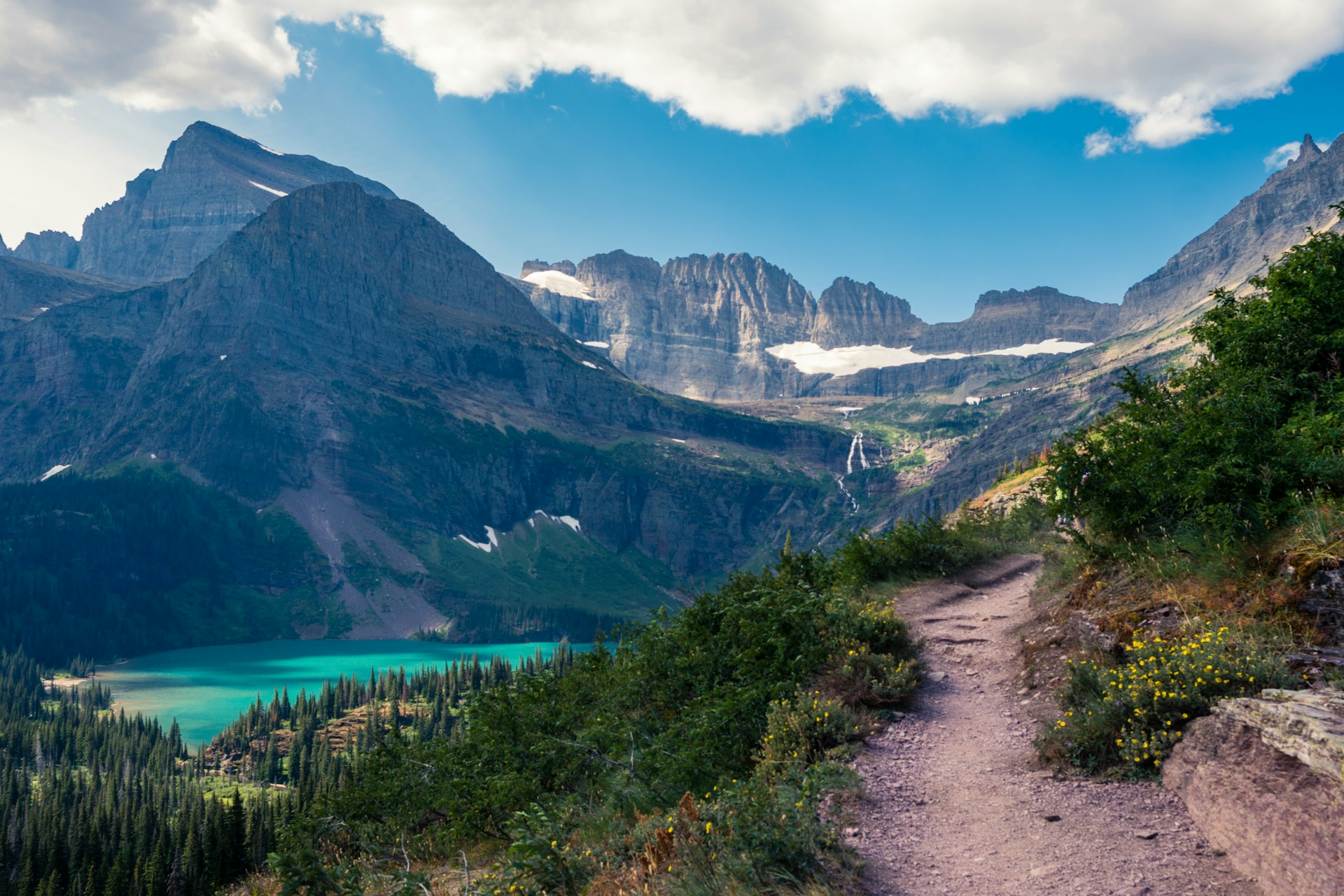
Grand Teton, Yellowstone, and Glacier National Parks create one of the most impressive travel routes in the United States. With 10 days, you can move through all three at a steady pace, taking in major highlights without feeling hurried while still having time to slow down at key viewpoints.
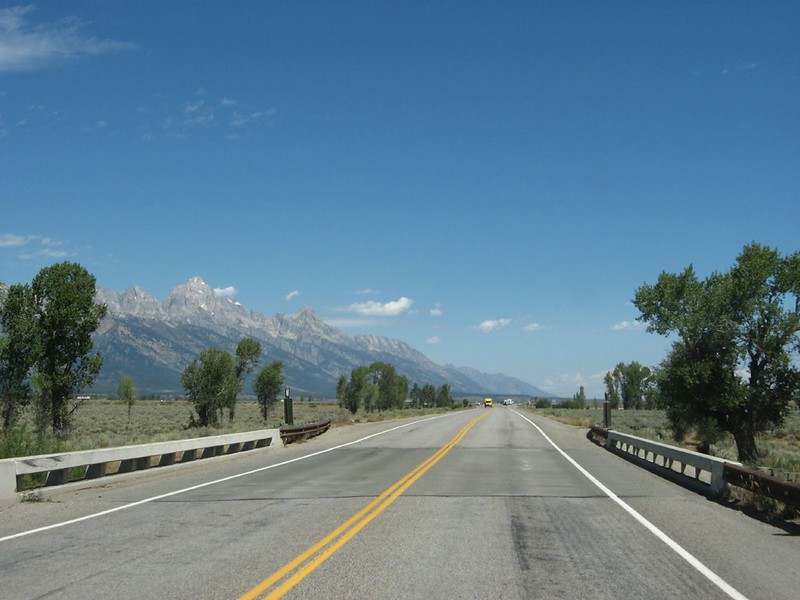
Start your journey in Grand Teton National Park, where sharp mountain peaks rise above clear alpine lakes. The contrast between rugged summits and calm water draws hikers, photographers, and anyone who enjoys open landscapes. Short trails along the lakeshore are easy to access, while longer hikes lead deeper into the range for those wanting more of a challenge. Early mornings here often bring still reflections and a quieter atmosphere.
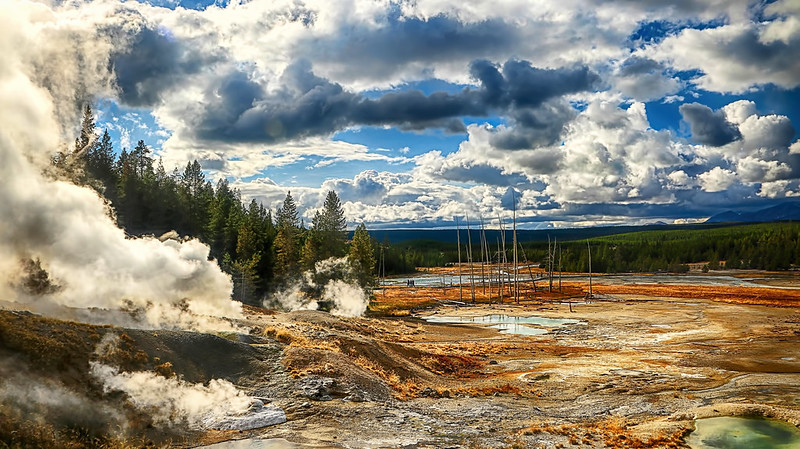
Continue north into Yellowstone National Park, a place shaped by geothermal activity beneath the surface. Steam vents, bubbling mud pots, and colorful hot springs give the park a constantly shifting feel. Stops like Old Faithful and Grand Prismatic Spring stand out for their scale and energy, while Lamar Valley is known for frequent wildlife sightings, especially in the early morning or late evening.
Finish the route in Glacier National Park, where high-altitude scenery takes center stage. One of the most memorable parts of the visit is driving along Going-to-the-Sun Road, a route that cuts through the mountains with sweeping views, steep cliffs, and glacier-shaped valleys. Trails here often lead to alpine lakes and elevated viewpoints, offering a strong contrast to the landscapes earlier in the trip.
This 10-day plan blends scenic drives, well-known landmarks, and outdoor experiences across three distinct parks. It’s based on years of travel across this region, with attention to real driving times, seasonal road access, and updated entry requirements for 2026, helping you stay organized while making the most of each stop.
Is This Road Trip the Right Fit for You?
This itinerary suits those who:
- Are visiting these three parks for the first time
- Enjoy a mix of scenic drives and famous hiking trails
- Are okay with a few long driving stretches
- Prefer staying in park lodges whenever available
If you have less time, check out our 7- and 8-day alternatives below.
February 2026 Update: This plan reflects the latest changes, including timed-entry updates in Glacier, new shuttle reservation systems within Glacier National Park, revised park fees, and current seasonal road access across all three parks.
Overview of This Itinerary
Point-to-Point Road Trip
This journey follows a one-way, point-to-point format. Feel free to follow the route as outlined or reverse the direction based on your preferences.
If you’re flying in and out of the starting or ending points, it’s worth comparing the combined cost of flights and car rentals for both directions. Availability of lodging may also play a role in your decision on which way to travel.
For those returning to the starting point, be prepared to add an extra day and drive hundreds of additional miles.
If You Have Less Than 10 Days
For a 7- to 8-day trip, we recommend narrowing your focus to just Grand Teton and Yellowstone National Parks.
When Should You Plan This Road Trip?
Seasonal weather plays a big role in shaping this route, mainly because snowfall leads to extended road closures across all three parks.
In Glacier National Park, the famous Going-to-the-Sun Road is typically accessible only during summer, most often from late June or early July until around mid-October. Outside of this window, snow makes the road impassable.
Moving south to Yellowstone National Park, road closures usually begin between mid-October and early November. Reopenings don’t happen all at once; instead, access returns gradually from mid-April through mid-May, depending on conditions.
A similar pattern applies in Grand Teton National Park. Routes like Teton Park Road remain closed from November until early or mid-May, limiting how much of the park you can reach during that time.
Because of these seasonal limits, the most reliable period for this road trip runs from early July through mid-October, when roads across all three parks are generally open. This also happens to be the busiest stretch of the year, so booking accommodations and rental cars well in advance makes a big difference. Traveling outside this window is still possible, but access becomes restricted and getting between locations takes more effort.
Grand Teton, Yellowstone, Glacier Itinerary
Day 1: Arrive in Jackson, Wyoming
Highlights: Arrival at Grand Teton/Jackson
On the Road: 15 to 280 miles (30 minutes to 5 hours), depending on the airport
Overnight: Grand Teton National Park lodging, Jackson, or Jackson Hole
Jackson, Wyoming, is served by three primary airports, each offering different travel times.
The nearest airport is Jackson Hole Airport, conveniently located within Grand Teton National Park itself. This is the only commercial airport set within a national park, which means a shorter drive to your destination.
Idaho Falls Regional Airport is a 2-hour drive, about 94 miles from Jackson. The farthest option is Salt Lake City International Airport, approximately 280 miles away, with a nearly 5-hour drive.
Important Tip: It’s a good idea to research car rental and lodging options before booking your flights. Renting a car for a one-way road trip often includes a drop-off fee, which can be costly. Be proactive in reserving your rental car as they tend to sell out months in advance, just like hotels.
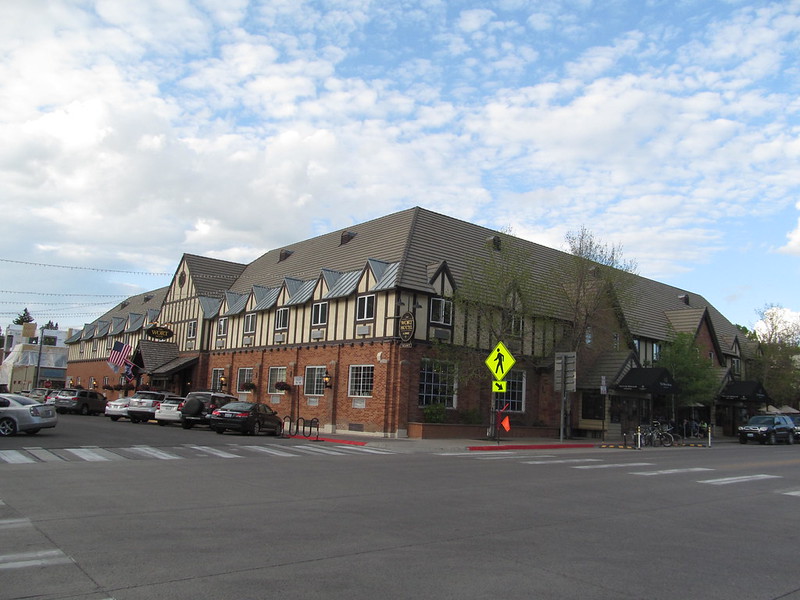
What We Did: We flew into Salt Lake City for a direct flight and lower airfare, then drove up to Jackson. After arriving, we spent the rest of the day exploring Jackson—an inviting town filled with delicious eateries, local art, and shops. Don’t miss the iconic Million Dollar Cowboy Bar and Mangelsen Images of Nature Gallery.
For dinner, we recommend visiting Gun Barrel Steak & Game House or Local Restaurant & Bar, our top choice in Jackson. Miazga’s offers a variety of food, while Persephone’s Bakery is perfect for breakfast or brunch. Other great spots include Cafe Genevieve, Bin22, Liberty Burger, and Blue Lion.
For more ideas on must-do activities in Yellowstone, including some hidden gems, check out this roundup of the best experiences to make the most of your time.
Where to Stay
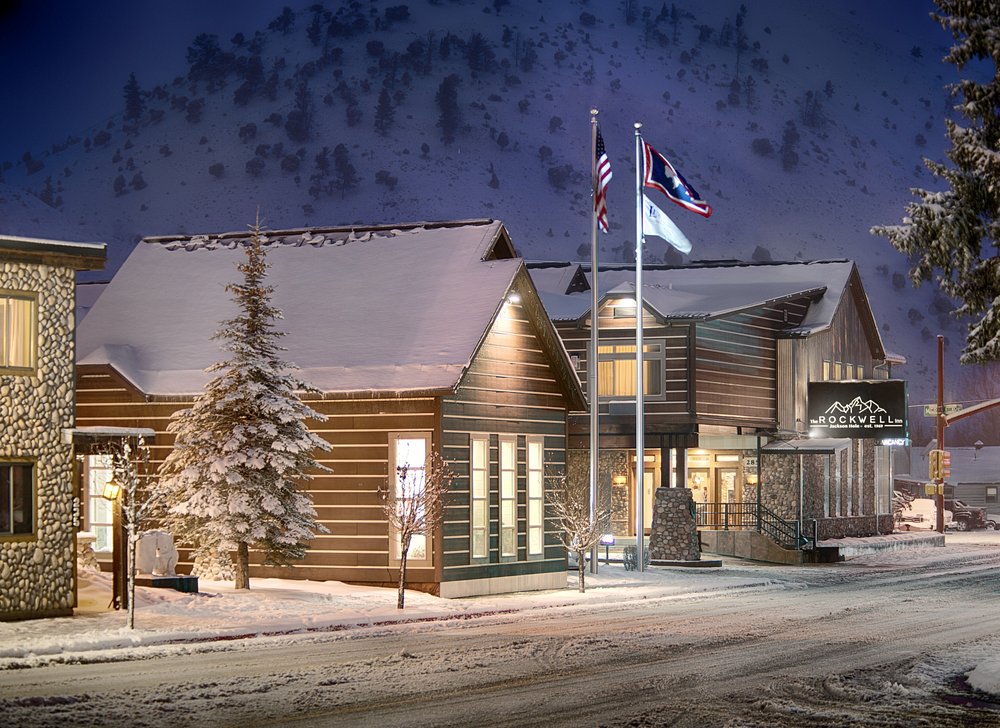
You’ll be spending two nights in and around Grand Teton National Park, with several options depending on your preferences.
Inside the Park: There are multiple lodges and campgrounds within Grand Teton. Click here to learn more about your options.
Jackson: Just a short drive from the park, Jackson offers numerous accommodation choices and is an excellent base for exploring the area. It’s only a 15-minute drive to Moose (the park’s southern entrance) and 30 minutes to Jenny Lake. Here are some options:
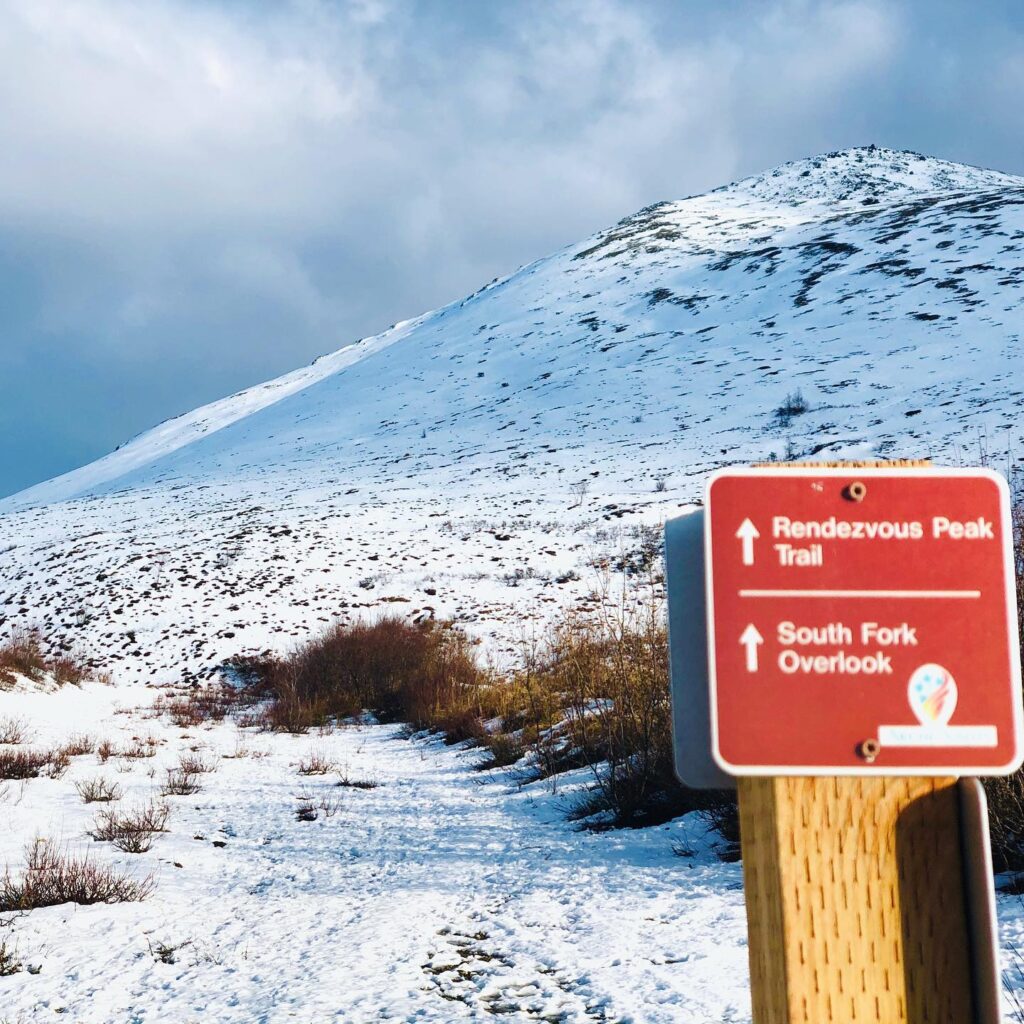
- Teton Village at Jackson Hole: A year-round resort offering both winter skiing and summer outdoor activities, Teton Village provides hotels, restaurants, and easy access to gondolas and chairlifts. The views from the top of Rendezvous Peak are stunning, and staying here offers a unique resort town experience just outside the park.
- Wyoming Inn of Jackson Hole: This highly rated hotel is located just outside the city center. It offers spacious rooms, excellent Wi-Fi, and comfortable beds. You’ll need to drive a bit to visit downtown Jackson, but we found it to be a great place to stay.
- The Lodge at Jackson Hole: Located next to the Wyoming Inn, this hotel offers clean, quiet, and comfortable rooms. While we preferred the Wyoming Inn, this hotel is a great alternative, especially with lower prices. It’s a short drive or 20-minute walk to Jackson Town Square.
- Cowboy Village Resort: For a more rustic experience, this resort offers Western-style cabins with private bathrooms and kitchenettes. It’s a charming spot for those seeking a cozy, self-contained stay.
- The Rockwell Inn: For a luxurious experience in downtown Jackson, the Rockwell Inn receives excellent reviews. This is perfect for those wanting upscale accommodations in the heart of the town.
- The Cloudveil, Autograph Collection: A new addition to Jackson’s hotel scene, The Cloudveil is located steps from Jackson Town Square. Rooms vary from standard doubles to larger suites, making it a great option for families or groups. Although it wasn’t open during our visits, it’s on our list for a future stay.
Day 2: Grand Teton National Park
Highlights: Views of the Teton Range, Jenny Lake, Inspiration Point, optional visit to Rendezvous Peak
On the Road: 42 miles on the scenic loop plus extra driving time depending on your accommodation
Overnight: Grand Teton National Park lodging, Jackson, or Jackson Hole
Day 2 brings you the best sights and hikes in Grand Teton. You’ll have the chance to visit some of the park’s most well-known spots and take in the impressive views that the park is famous for.
Starting early is key. You’ll not only beat the crowds but also experience the park at sunrise, offering quieter moments and softer light for your photos.
Road Construction in 2026: According to the National Park Service, there will be some road construction projects, particularly on the southern end of the park. However, details are still limited. Be sure to check for updates on the official website as your trip approaches.
Morning: Viewpoints and Short Hikes in Grand Teton
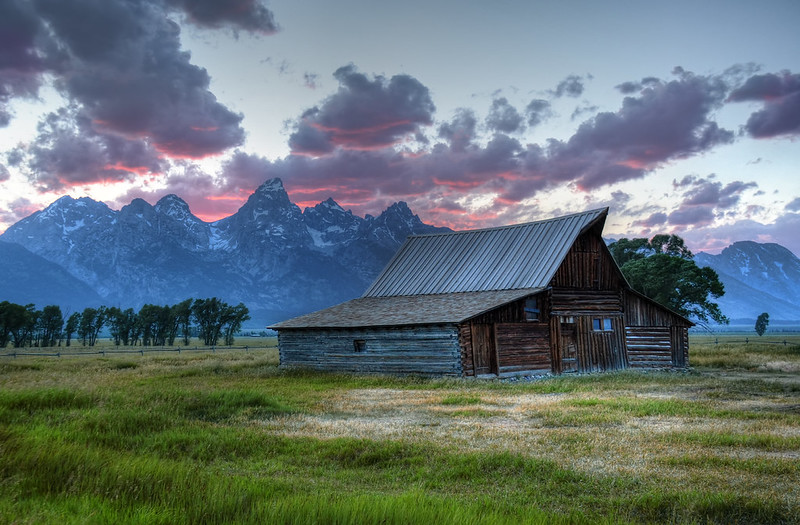
Start your day at Mormon Row, located on Antelope Flats Road. Accessible from Highway 191/89/26, Mormon Row is home to two fantastic photography spots—one listed as Mormon Row and the other as Mormon Row Historic District in Google Maps.
From there, head north on Highway 191/89/26 and stop at Schwabacher Landing and Snake River Overlook. Schwabacher Landing, in particular, is a top spot for photos, and is essential for first-time visitors to the park.
Continue north, and when you reach the junction where Highway 26 branches off from Highway 191/89, take a left onto Highway 191/89/287. You’ll pass the Moran Entrance Station before reaching Oxbow Bend, another great spot for photos.
Follow Highway 191/89/287 south and turn left onto Teton Park Road. As you drive south, consider a detour to Signal Mountain, where you’ll be treated to panoramic views over the park.
Midday: Jenny Lake Road
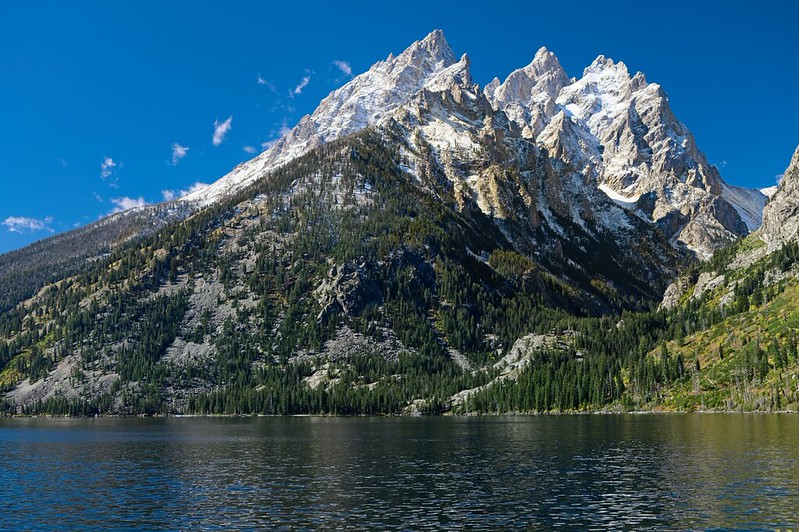
After your detour to Signal Mountain, continue south on Teton Park Road and turn right onto Jenny Lake Road. If you feel like stretching your legs, you can take a side trip onto String Lake Road. Park at the end of the road and follow the String Lake Trail to Leigh Lake. A short 1.8-mile round trip leads you to Leigh Lake, or you can walk further along the eastern shore, extending the hike to 3.7 miles.
Continue south on Jenny Lake Road, making sure to stop at Jenny Lake Overlook for one of the best views of the lake. When you reach the intersection with Teton Park Road again, turn right and continue south. The 42-mile scenic loop will bring you to a spot just over a mile before reaching Highway 191/89/26. There, you’ll find the Chapel of the Transfiguration, a rustic log chapel with a stunning backdrop of the Teton Range.
Afternoon: Choose Your Adventure
Before completing the loop, you have a few options for the rest of your day:
Option #1: Jenny Lake, Inspiration Point & Hidden Falls
Consider taking the shuttle across Jenny Lake to hike to Inspiration Point and Hidden Falls. Alternatively, you could head to Jackson for lunch and return later for this hike. Midday crowds can make parking difficult, and the shuttle line can get long, so it’s worth stepping out of the park for a few hours to avoid the crowds. After lunch, return, catch the shuttle, and complete the hike, which takes around 1 to 2 hours for the 2-mile round trip. If you’re adding Cascade Canyon, skip the lunch break in Jackson and start your hike earlier in the day to allow enough time for this longer route.
Option #2: Rendezvous Peak
After a meal in Teton Village, head into the mountains for the afternoon. Ride the Aerial Tram up to Rendezvous Peak for stunning views of the Tetons. If you’re in the mood for more adventure, you can hike the Cirque Trail, a 1.8-mile downhill path to Bridger Gondola, and take it back to Teton Village.
If you’re still eager for more, add a drive along Moose Wilson Road. This road runs from the southern part of Teton Park Road to Teton Village, with great potential for spotting moose along the way.
Day 3: Grand Teton & Yellowstone
Highlights: Jenny Lake or a hike in Grand Teton, Grand Prismatic Spring and Midway Geyser Basin
On the Road: 140 miles, 3.5 hours
Overnight: Old Faithful or West Yellowstone
Day 3 serves as a transition between Grand Teton and Yellowstone. Start your morning early in Grand Teton, so you can make the most of your afternoon in Yellowstone.
Morning: Grand Teton
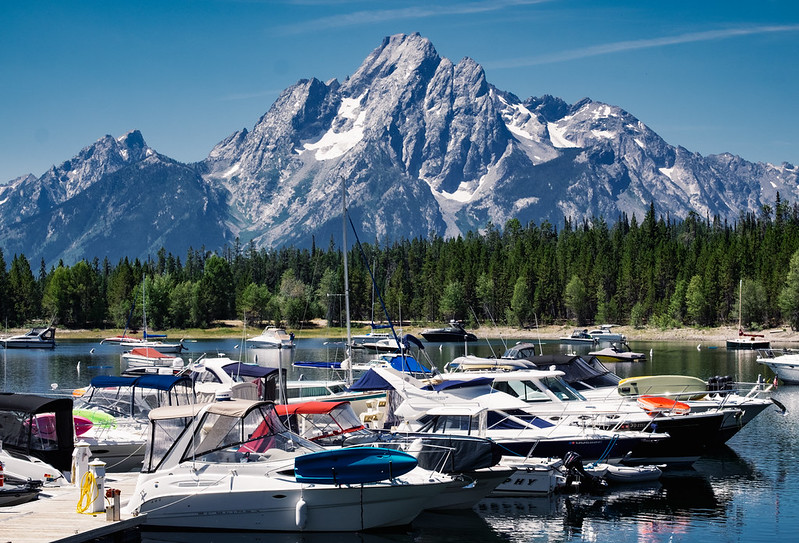
There are plenty of options for how to spend the morning in Grand Teton:
- Rent a canoe and paddle around Jenny Lake. Kara and I did this early at 7:30 AM and had the entire lake to ourselves. It was an incredible experience!
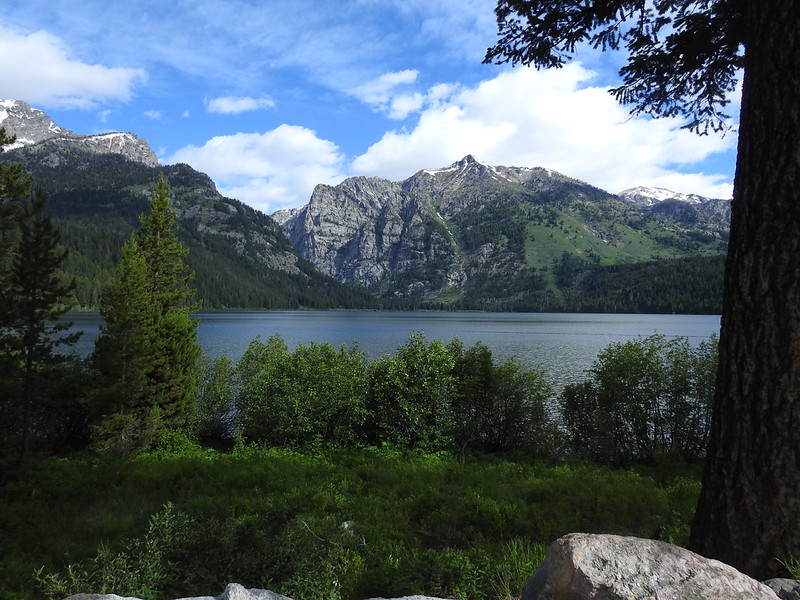
- Visit the Laurance S. Rockefeller Preserve and Visitor Center, then hike to Phelps Lake.
- Choose from a variety of longer hikes, like Cascade Canyon, Lake Solitude, or Static Peak Divide. These hikes range from 10 to 15 miles and will take a good part of the day. If you’re a dedicated hiker, it’s worth spending your morning on one of these trails, though it will cut into your time in Yellowstone.
Midday: Drive to Yellowstone
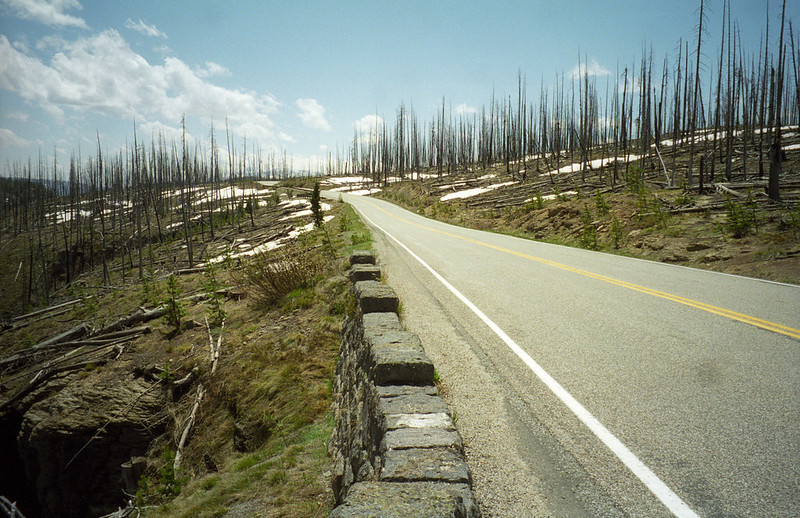
By midday, start your drive north toward Yellowstone. On your way, stop by Jackson Lake, as you’ll pass right by it before leaving Grand Teton National Park. Colter Bay Village offers a great spot to take a break with a gas station and a few restaurants to recharge both your car and yourself.
At Colter Bay, you can also walk the Lakeshore Trail. This easy, 2-mile trail will take about 45 minutes and provides nice views of Jackson Lake.
From Colter Bay, it’s just a short drive to Yellowstone’s South Entrance, less than 20 miles away (about a 30-minute drive).
Afternoon: Midway Geyser Basin
In the afternoon, head to Midway Geyser Basin, home to the famous Grand Prismatic Spring. This is the park’s most colorful hot spring, and you can get a close-up view while walking on the raised boardwalks.
Just a few miles away is the Grand Prismatic Spring Overlook. This spot offers a breathtaking panoramic view of the hot spring, making it an essential stop during your Yellowstone visit.
Where to Stay
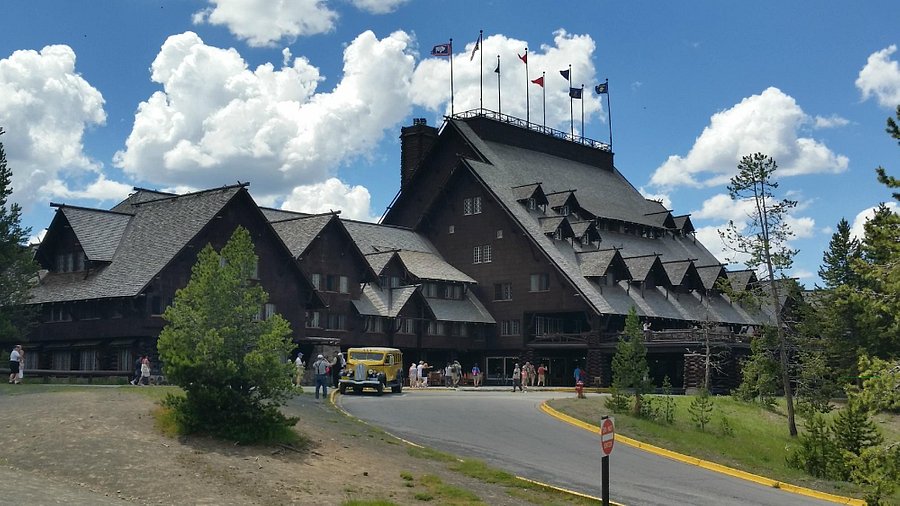
If possible, stay inside Yellowstone National Park to minimize driving. However, reservations for park lodges fill up quickly and should be made months in advance (sometimes 6 to 12 months ahead).
Pro Tip: Consider splitting your stay between two different locations in Yellowstone. The park is vast, so staying in two different spots can save you time and reduce driving. If you manage to get a room or campsite at Canyon Village, which is centrally located, you can base your entire stay there.
The Old Faithful Inn is the most convenient place to stay if you’re in the park. If you can’t get a room at the Inn, West Yellowstone offers a great alternative. This area is just outside the park, and we personally stayed at the Kelly Inn, which was a great option for the night.
For a complete list of fantastic options, don’t miss out on the top lodgings around the park that offer comfort and proximity to major attractions.
Day 4: Hot Springs, Old Faithful & Hayden Valley
Highlights: Old Faithful, Upper Geyser Basin, Hayden Valley
On the road: 75 miles, 2 hours (if staying at Old Faithful or Canyon Village); if staying in West Yellowstone, add 40 miles and 1.75 hours, totaling 115 miles and 3.75 hours
Overnight: Canyon Village, West Yellowstone, or Gardiner
Morning: Geyser Basins
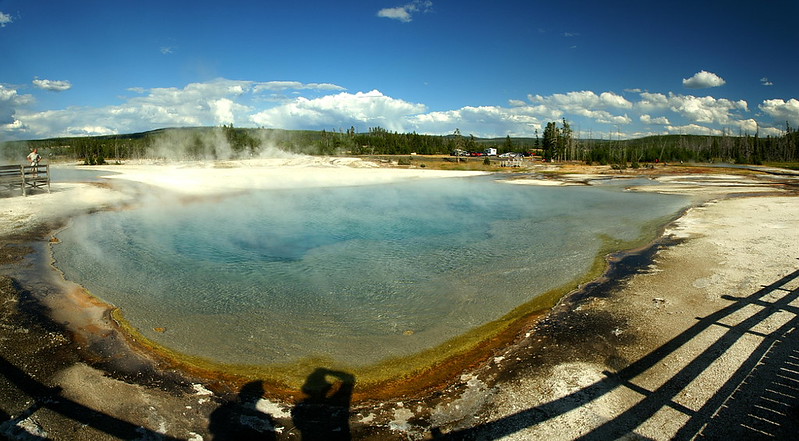
Yellowstone’s roads form two main loops through the park. Today, you’ll explore the southern loop, home to the park’s highest concentration of geysers and hot springs, including the famous Old Faithful geyser.
Start your day at Midway Geyser Basin and visit Fountain Paint Pot Trail and Biscuit Basin. These two spots are excellent introductions to Yellowstone’s geothermal wonders.
Midday: Old Faithful and Upper Geyser Basin
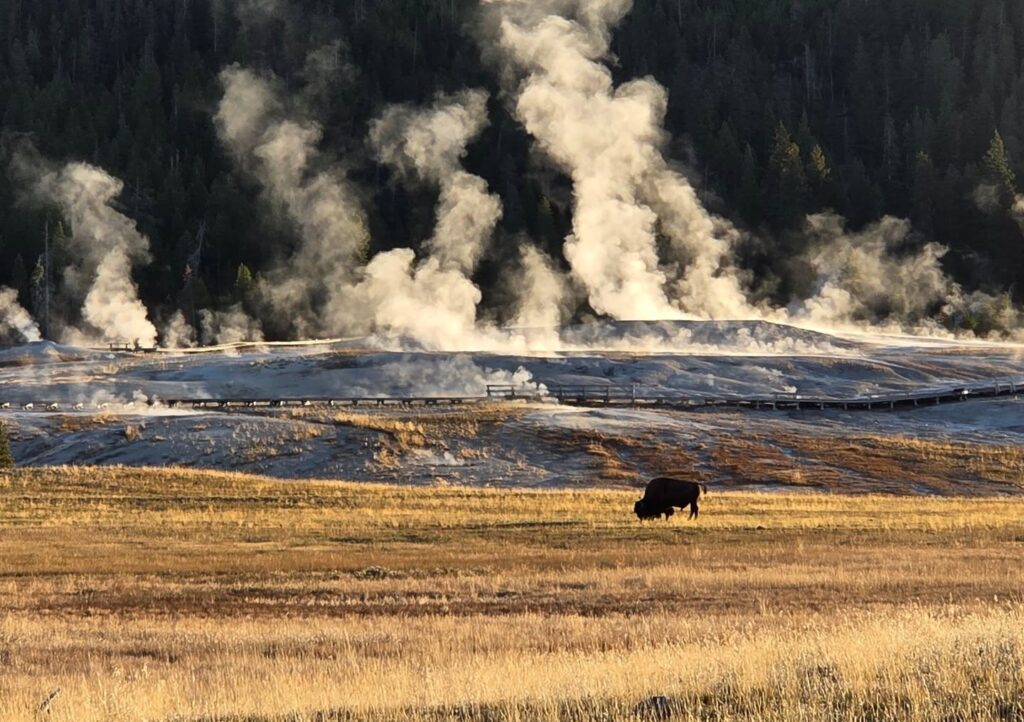
The day’s highlight is Old Faithful, the world-renowned geyser.
You have three ways to view an eruption: sit on the boardwalk surrounding the geyser, hike up to Observation Point for an aerial view, or enjoy the eruption from the viewing deck at the Old Faithful Inn.
After witnessing Old Faithful’s eruption, explore the Upper Geyser Basin and Geyser Hill. This area contains over 150 geothermal features within just one square mile, offering incredible sights of geysers, hot springs, and thermal pools. It will take about 2 hours to fully explore this area, so plan to spend some time here.
The entire visit to Old Faithful, combined with Upper Geyser Basin, typically takes around three hours. There are plenty of amenities near the Old Faithful Inn, including restrooms, gift shops, a convenience store, and dining options, making it a perfect spot to grab lunch.
If you’re eager to experience Yellowstone in-depth, check out this detailed 3-day itinerary to help you plan your wildlife and hot spring adventures.
Afternoon: West Thumb Geyser Basin & Hayden Valley
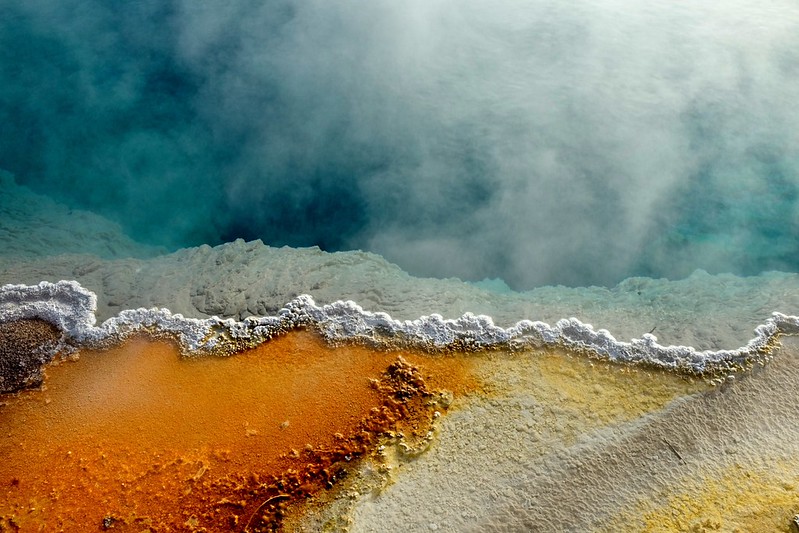
Once you’ve finished at Old Faithful, continue your drive counter-clockwise around the lower loop. Stop briefly at West Thumb Geyser Basin, then head toward Hayden Valley. Keep an eye out for bison along the roadside. The first time Kara and I drove through, we only spotted a couple of bison close by—while the rest of the herd were visible in the distance.
If the bison are near the road, expect heavy traffic. It can take anywhere from 30 to 60 minutes to drive through this area during such times.
Stay Safe: Never get out of your car to get closer to the bison. Despite their slow appearance, these animals can be quick and have been known to charge. Use a turnout to pull over and observe from a safe distance inside your vehicle. If you have an SUV with a sunroof, you can enjoy a better view by popping your head out.
Where to Stay
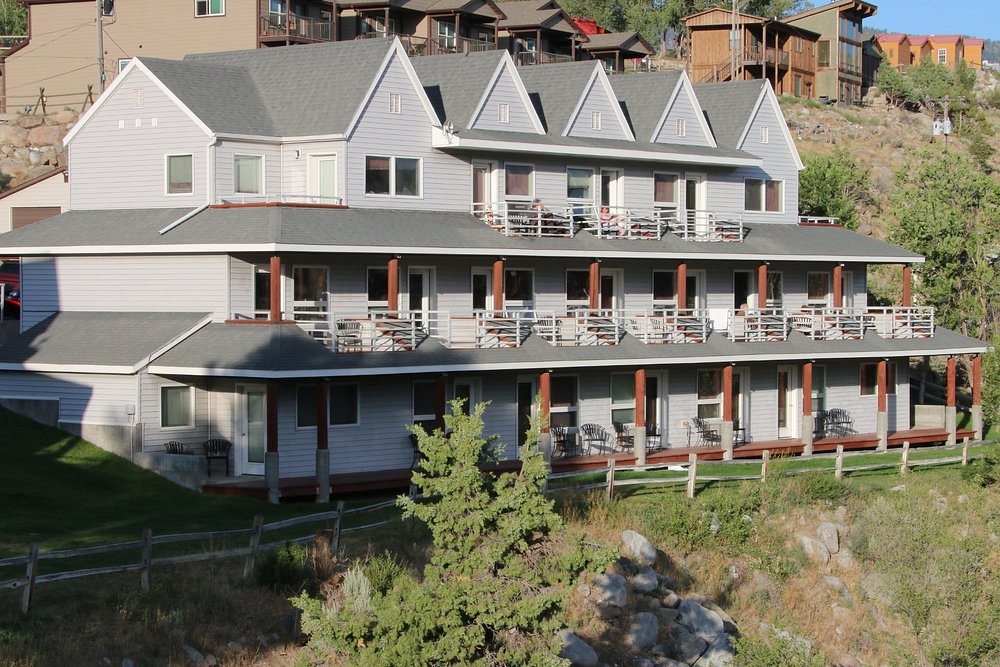
Inside the park: Canyon Village is the best option for staying within Yellowstone.
Outside the park: West Yellowstone is the ideal choice, followed by Gardiner, Montana.
Day 5: Grand Canyon of the Yellowstone, Mt. Washburn & Norris Geyser Basin
Highlights: Grand Canyon of the Yellowstone, Norris Geyser Basin, Artist Paintpots, Mt. Washburn
On the Road: 38 miles, 90 minutes if staying at Canyon Village; 90 miles, 3 hours if starting in West Yellowstone and ending in Gardiner
Overnight: Canyon Village, Mammoth, Gardiner, or West Yellowstone
Morning: Grand Canyon of the Yellowstone
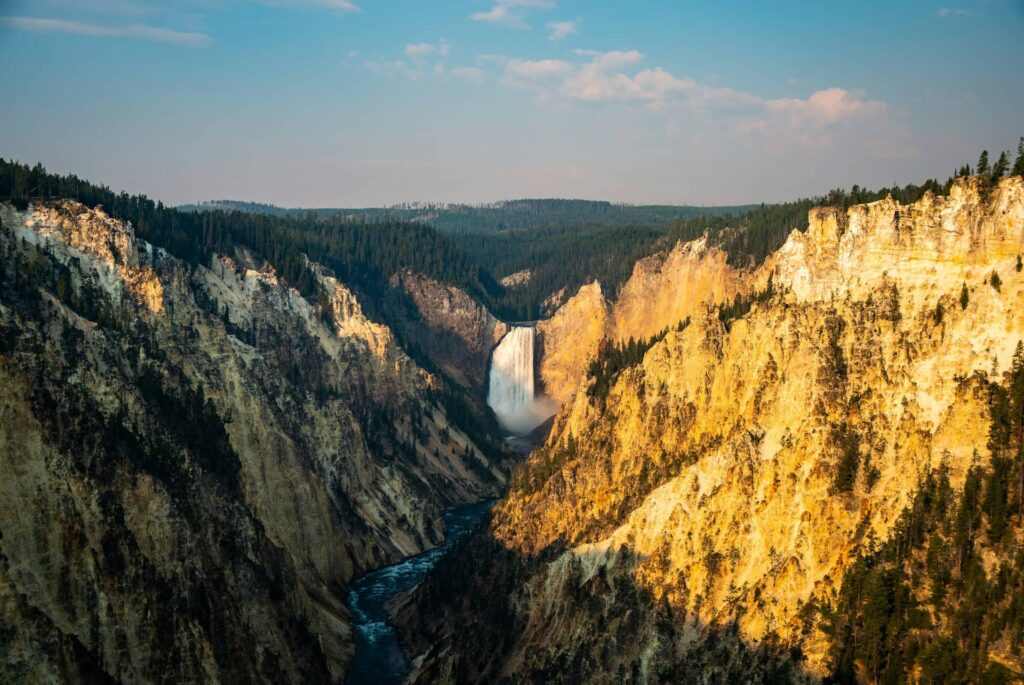
Begin your day at the Grand Canyon of the Yellowstone, a stunning natural feature carved by the Yellowstone River. Stretching along the river, you’ll find several scenic overlooks and hiking trails. You can explore by walking the rim trail or driving to the various overlooks.
I suggest starting on the North Rim. If you arrive before 9 am, traffic will be light enough to drive easily from one overlook to the next. Be sure to visit Brink of the Lower Falls, where you can get up close to the Lower Falls. On the North Rim, Lookout Point, Red Rock Point, and Inspiration Point are the highlights.
On the South Rim, make sure to stop at Artist Point, offering one of the most iconic views in all of Yellowstone.
Expect to spend the entire morning here as you explore the canyon’s beauty.
Midday: Optional: Hike Mt. Washburn
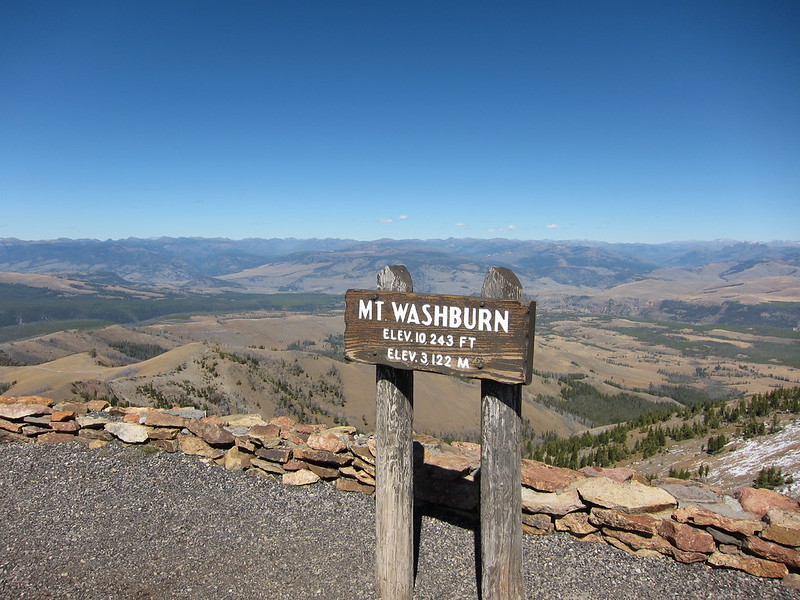
Typically, we recommend avoiding big hikes during the midday heat, but in this case, it’s an ideal time to tackle Mt. Washburn. This popular day hike provides panoramic views of the park and is a great way to avoid crowds at the Grand Canyon of the Yellowstone. The hike is 6.2 miles round trip and takes around 3 to 5 hours.
Midday: Norris Geyser Basin
After your hike, drive to Norris Geyser Basin, a geothermal area filled with hot springs, geysers, and thermal pools. It’s similar to Upper Geyser Basin and is another must-see location in Yellowstone.
Pro Travel Tip: If you’re staying at Canyon Village, consider taking a midday break at your lodge or campsite. You can head back out around 3:00 or 4:00 pm, when the crowds start to thin. If you’re staying outside the park, you’ll need to plan for more driving.
Afternoon: Artist Paintpots
Next, head south to Artist Paintpots, a smaller area with vibrant hot springs and bubbling mud pots. This 1-mile loop is an excellent spot to visit in the afternoon. As you walk, you’ll be treated to views of the colorful mud pots and geothermal features. We particularly enjoyed the view from the upper boardwalk.
Optional: If you have time left in the afternoon, consider revisiting Hayden Valley to spot more bison.
Where to Stay
Inside the park: Canyon Village is the most convenient option for staying within Yellowstone. Mammoth is also a good alternative.
Outside the park: Gardiner, Montana, is the best choice, followed by West Yellowstone.
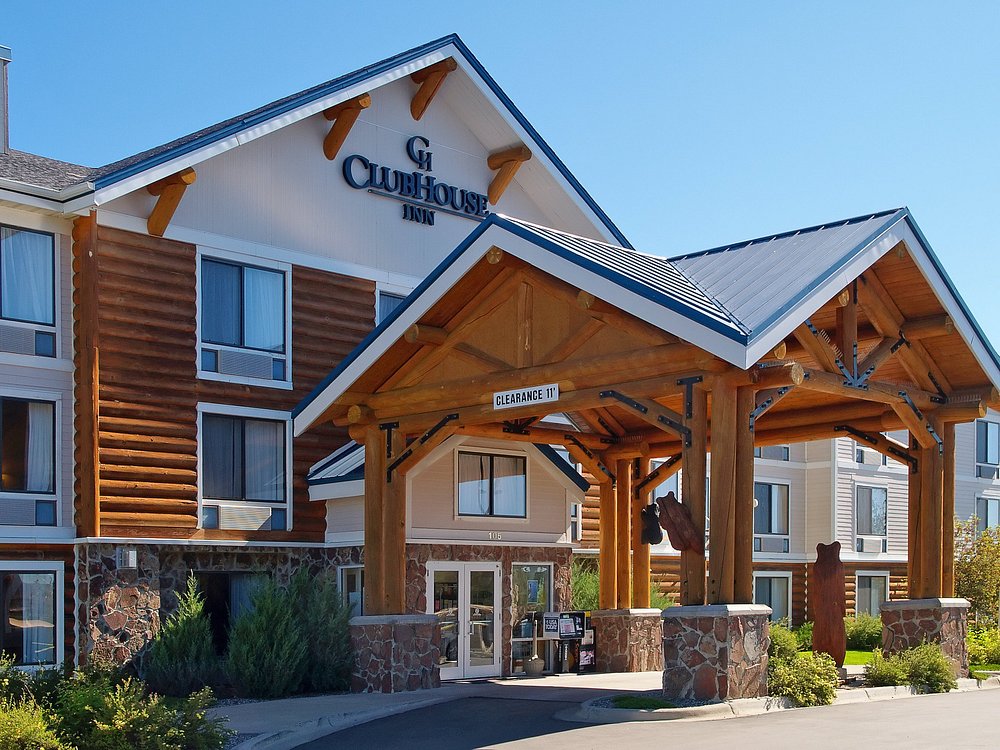
Gardiner is a charming town located just outside the park, north of Mammoth. Although it’s a bit of a drive into Yellowstone, it’s worth considering for its variety of restaurants and hotels. We stayed in Gardiner for three nights at the Yellowstone Gateway Inn and had a wonderful experience. Our one-bedroom apartment with a full kitchen was clean, quiet, and spacious—perfect for those who enjoy cooking their own meals. There’s a grocery store within walking distance of the hotel. While it might feel like a longer drive to the park, booking our stay late worked out well, and we appreciated the value it offered.
Day 6: Mammoth, Tower Fall, and Lamar Valley
Highlights: Mammoth Hot Springs, Blacktail Plateau Drive, Tower Fall, and Lamar Valley
On the road: 105 miles, 3 hours if starting at Canyon Village and ending at Mammoth; 66 miles, 2 hours if staying in Mammoth both nights; 80 miles, 3 hours if staying in Gardiner both nights
Overnight: Gardiner or West Yellowstone are best; Mammoth or Canyon Village if staying inside the park
Morning: Mammoth Hot Springs
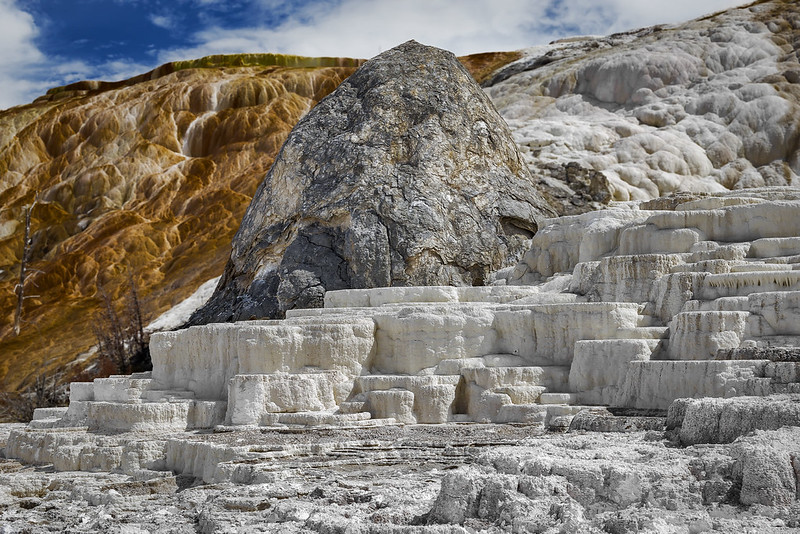
Start your day at Mammoth Hot Springs, where the landscape feels unlike any other part of Yellowstone. Instead of colorful hot springs or geysers, you’ll find mineral-rich water flowing over limestone, creating white and orange travertine terraces. The shifting mineral deposits make each visit feel different, influenced by seasonal changes and rainfall.
Plan to spend 60 to 90 minutes here, walking the Lower Terraces near the parking lot, and taking the short Upper Terrace Loop for a wider perspective. Early mornings or late afternoons are ideal for capturing the best light and avoiding large crowds.
Midday: Blacktail Plateau Drive and Tower Fall
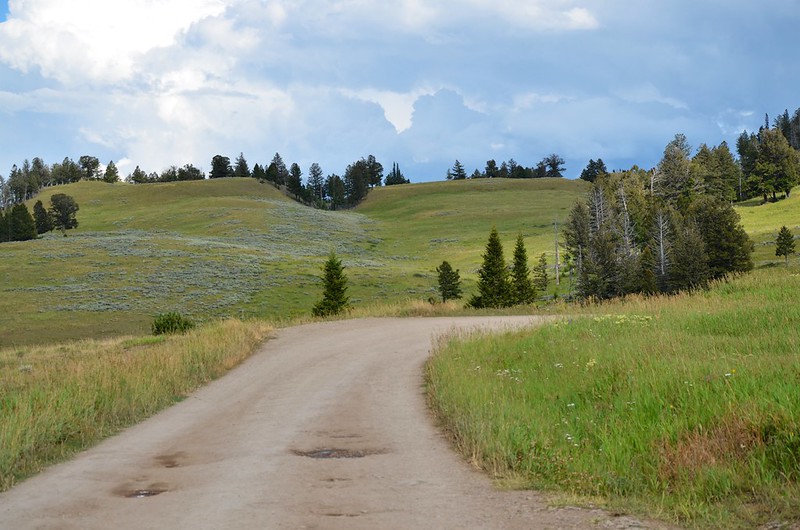
For a change of pace, take the scenic detour along Blacktail Plateau Drive. This 7-mile, one-way dirt road parallels the Grand Loop Road between Mammoth and Tower. If you’re lucky, you may spot bison, elk, or even bears along the way. It’s a peaceful ride with some beautiful landscapes to take in.
Once you reach Tower, stop to view Tower Fall. While the waterfall itself is relatively modest, it’s still worth a quick visit, especially if you manage to find a parking space nearby.
Afternoon/Evening: Lamar Valley
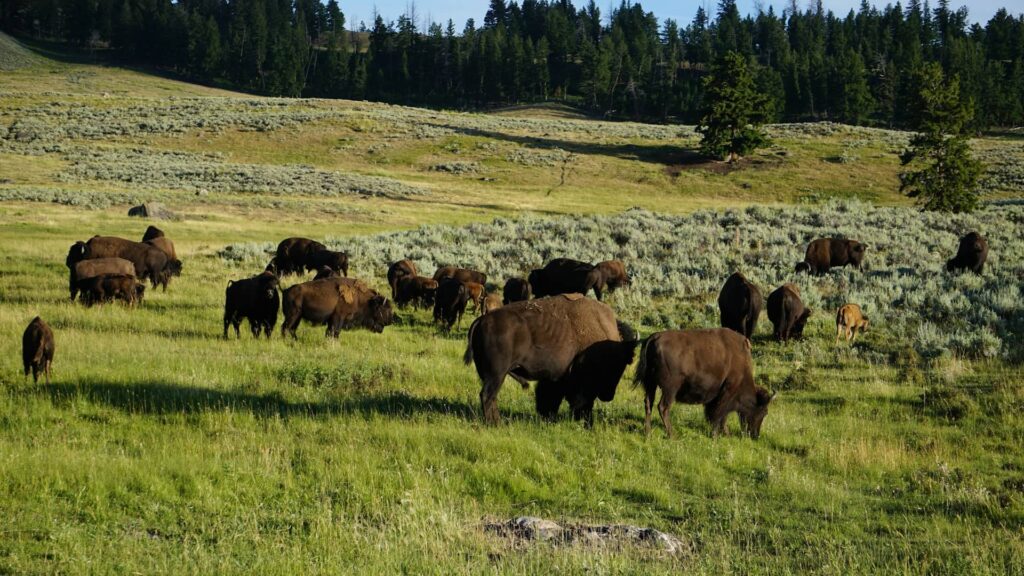
Finish your day at Lamar Valley, renowned for its wildlife. This is the place to see bison, elk, pronghorn, bears, coyotes, and even wolves. The best wildlife viewing happens in the morning and evening, so aim to visit in the late afternoon for the best chances to spot animals as they become more active.
Where to Stay
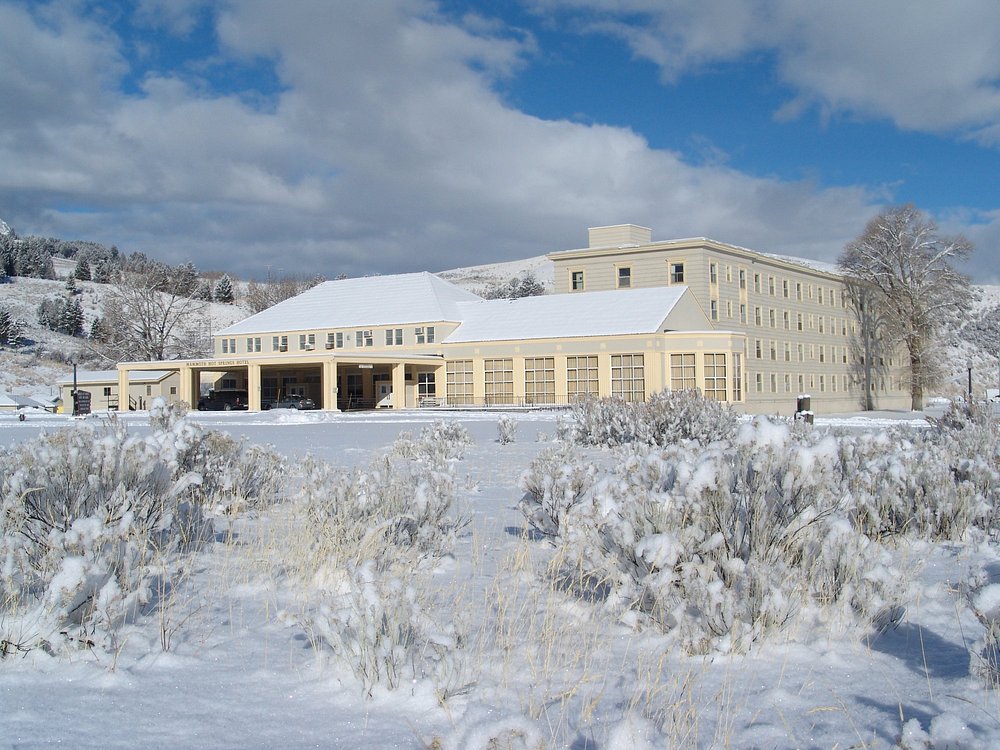
Inside the park: Mammoth is the best base for staying inside Yellowstone, especially since you’ll be heading north the next day, which means less driving. Canyon Village is another good option.
Outside the park: Gardiner, MT, is the top choice, followed by West Yellowstone for accommodations outside the park.
Day 7: Drive to Glacier National Park
Highlights: Butte, Montana, and Many Glacier
On the road: 394 miles, 6.5 hours from Gardiner, MT to Many Glacier; 394 miles, 6.5 hours from West Yellowstone to Many Glacier; the distance is the same whether starting from Gardiner or West Yellowstone.
Overnight: Many Glacier or East Glacier
Long Drive Ahead
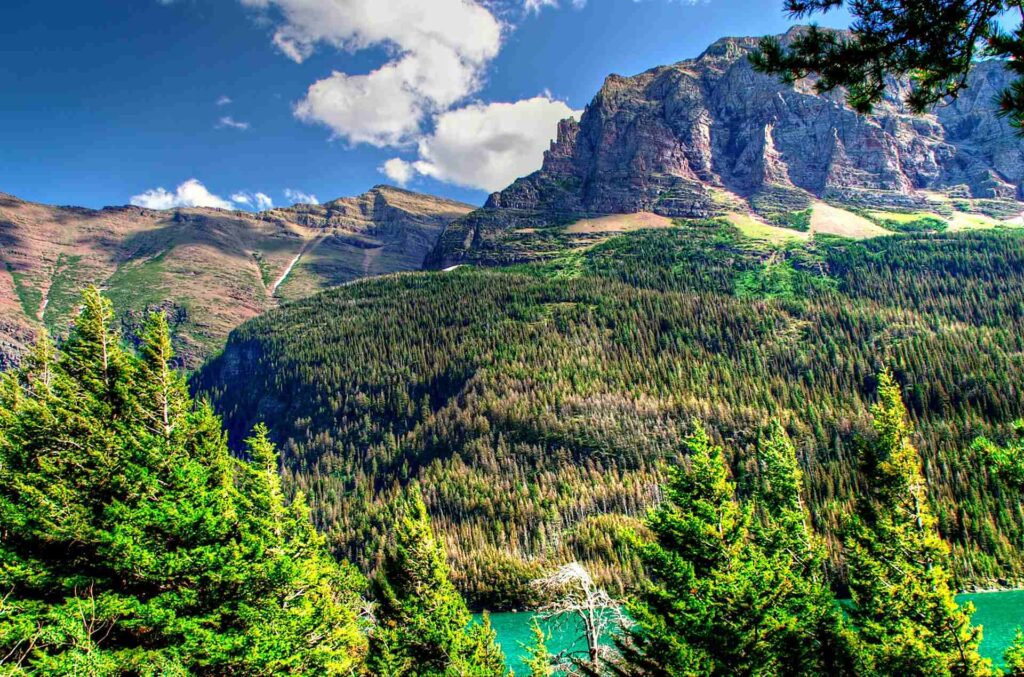
Day 7 involves the longest drive of the trip. It will take roughly 6.5 hours to travel from Gardiner or West Yellowstone to Many Glacier. If you’re staying at Canyon Village in Yellowstone, add another hour to the total driving time.
Glacier National Park has several distinct areas, and on this trip, you’ll experience two: Many Glacier and the section around Going-to-the-Sun Road. To maximize your time in the park, you’ll stay in both areas.
Why Many Glacier? This region is often overlooked, yet it offers stunning landscapes that shouldn’t be missed, especially if you’re looking for a quieter, more remote experience compared to other parts of the park. You’ll begin with Many Glacier and end near West Glacier, making it easier to access the airports in Kalispell.
The first part of the drive will be quick, mostly along highways. However, the second half offers scenic views as you transition to smaller, country roads.
Fuel and Pitstops
Gas stations are plentiful along the route, but they become less frequent once you get north of Helena. Before entering Glacier, make sure to fill up in Babb.
Optional Detour: Butte, Montana
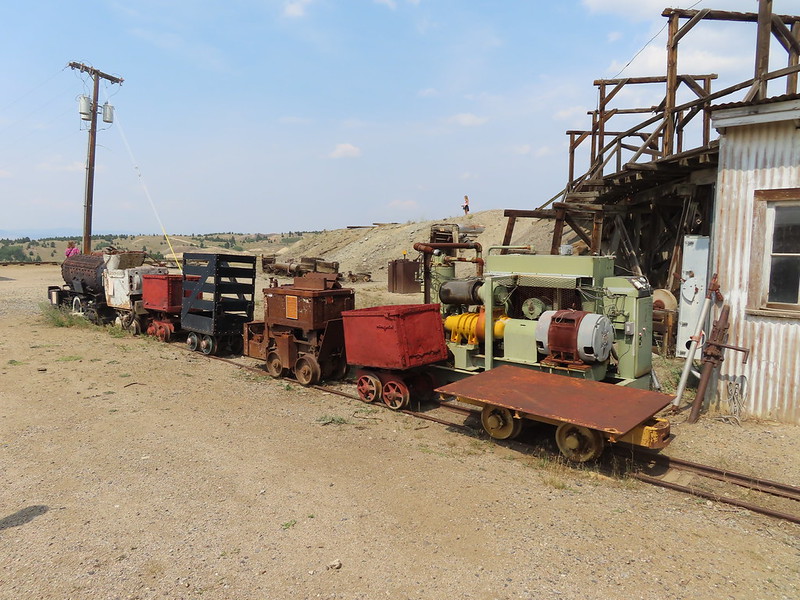
For those willing to extend the drive a bit, consider taking a detour to Butte, Montana. Stop by the World Museum of Mining, or take a bus trip up to see Our Lady of the Rockies. Don’t forget to grab a pork chop sandwich at Pork Chop John’s before you hit the road again.
Afternoon: Arrival in Many Glacier
By the time you reach Many Glacier, it will likely be mid-afternoon. Depending on how you feel, you can either relax in the Many Glacier Hotel’s lobby or take a short hike. Apikuni Falls, a 2-mile hike to a beautiful waterfall, is just a short drive from the hotel.
If you’re looking for more epic destinations to add to your next road trip, explore this list of breathtaking places that pair perfectly with your adventure through national parks.
Where to Stay
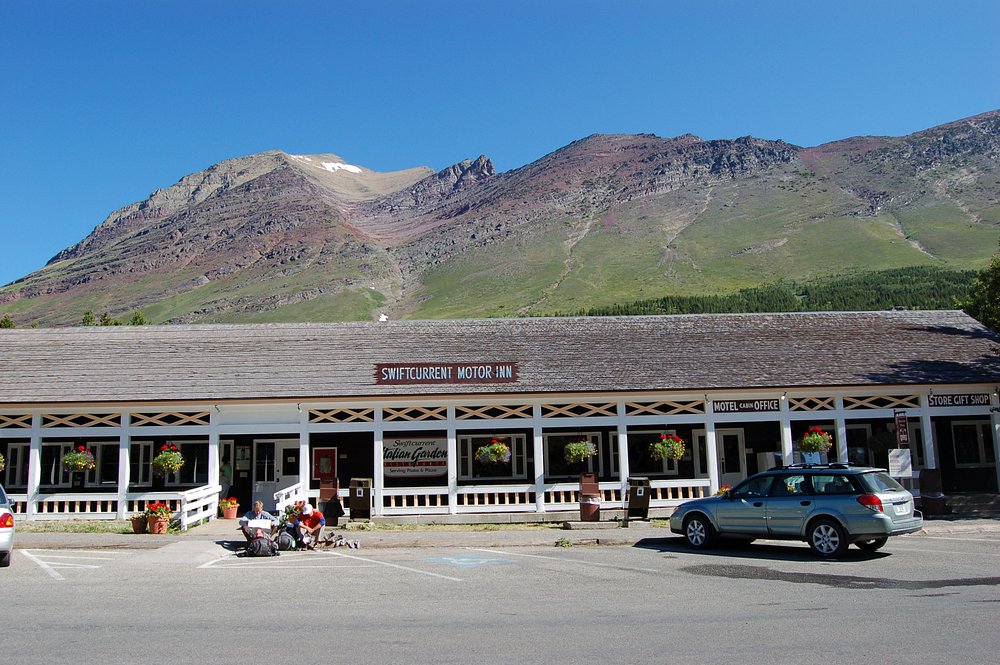
In the park (Many Glacier): Many Glacier Hotel or the Swiftcurrent Motor Lodge
Outside the park: St. Mary Village, located next to the St. Mary Entrance of Glacier National Park. It’s a 30-minute drive from St. Mary Village to Many Glacier.
Pro Travel Tip: The east side of Glacier, including Many Glacier, St. Mary Village, and Babb, is the most difficult area to find lodging, as there are few hotels or lodges available. It’s best to research lodging here first, as availability can be limited. Be prepared to adjust your dates if necessary, and aim to make reservations at least 6 months in advance.
Glacier National Park Timed-Entry & Shuttle Reservations
As of 2026, vehicle reservations are not required for Glacier National Park. However, the park is piloting a shuttle reservation system this year.
Starting July 1, 2026, parking at Logan Pass will be limited to three hours. For those planning to hike the Highline Trail, an express hikers’ shuttle will be available, with departures from both the east and west sides of the park. Tickets must be purchased online in advance and will not be available for purchase on the shuttle itself.
Shuttle tickets will be offered on a first-come, first-served basis through Recreation.gov. The tickets are free, aside from a $1 reservation fee.
There are two booking windows for tickets, The remainder will become available at 7 pm MDT for next-day entry, starting June 30. A portion will be available 60 days in advance, starting May 2, 2026, at 8 am MDT, on a rolling basis.
Day 8: Many Glacier
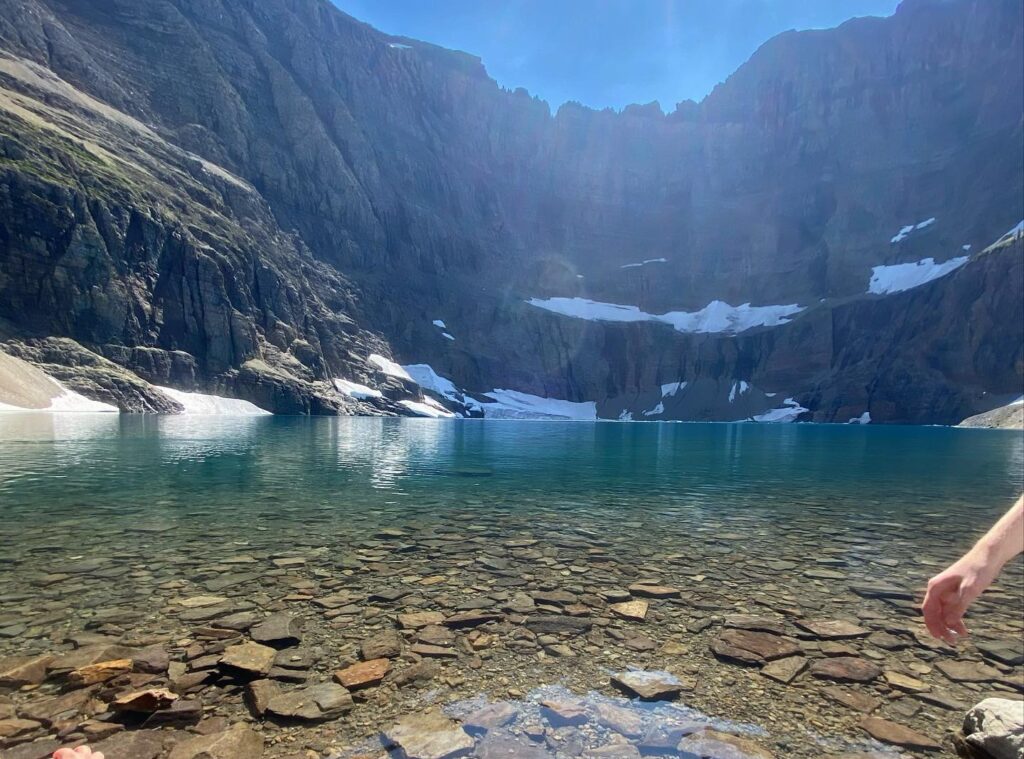
Highlights: Many Glacier, choose between hiking (Grinnell Glacier or Iceberg Lake) or taking a boat ride on Swiftcurrent and Josephine Lakes
On the road: 0 to 5 miles, if staying in Many Glacier
Overnight: Many Glacier or East Glacier
Morning: Go Hiking or Take a Boat Tour
Many Glacier is one of the top hiking destinations in Glacier National Park, offering stunning landscapes and diverse trails. Since most of these hikes are around 10 miles, you’ll have time for just one. The Grinnell Glacier and Iceberg Lake hikes are the most popular, but there are numerous other trails to explore.
Kara and I chose the Grinnell Glacier hike, and it didn’t disappoint. It’s a complete experience—alpine views, waterfalls, emerald lakes, wildflowers, and of course, the glacier itself. Along the way, we spotted moose, mountain goats, and even a black bear with her cub. The mix of wildlife and breathtaking scenery made this one of our most memorable moments in Glacier National Park.
If you’re interested in a different trail, Iceberg Lake offers another fantastic hike.
If hiking isn’t your thing, you can still enjoy the beauty of Many Glacier with a boat ride across Swiftcurrent and Josephine Lakes. You may even catch a glimpse of moose as you float across the calm waters.
Where to Stay
Stay in the same accommodation as the previous night, Many Glacier Hotel, Swiftcurrent Motor Inn, or St. Mary Village, depending on your preference and availability.
Day 9: Going-to-the-Sun Road
Highlights: Going-to-the-Sun Road, Logan Pass, Lake McDonald Valley
On the road: 70 miles, 2.5 hours from Many Glacier to West Glacier
Overnight: Lake McDonald Lodge, the Village Inn at Apgar Village, West Glacier, or Whitefish
Morning: Drive Going-to-the-Sun Road to Logan Pass
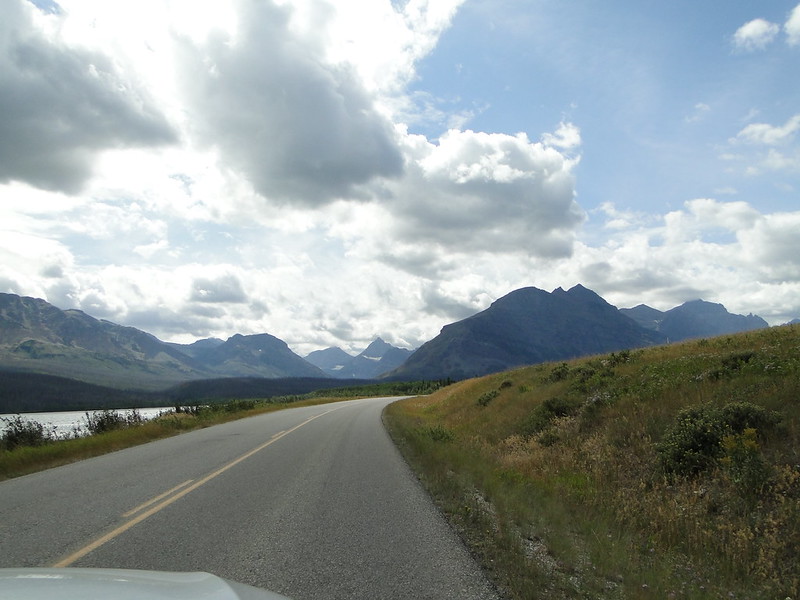
This is likely the moment you’ve been eagerly awaiting—the scenic drive along Going-to-the-Sun Road. To fully enjoy the experience, plan to start early. Arriving at Logan Pass by 7:45 am is ideal, though getting there even earlier improves your chances of securing a parking spot. During our visit, we barely managed to grab one of the last spots at 7:45 am, so the earlier, the better.
The drive from Many Glacier to Logan Pass takes about an hour, but allow an additional 15 to 30 minutes for photo stops along the way. Depart from Many Glacier by 6:15 am to ensure ample time for a leisurely drive. As you exit and re-enter the park at St. Mary, there are plenty of scenic turnouts. Don’t miss the Wild Goose Island Lookout for one of the park’s iconic views.
Morning to Midday: Logan Pass
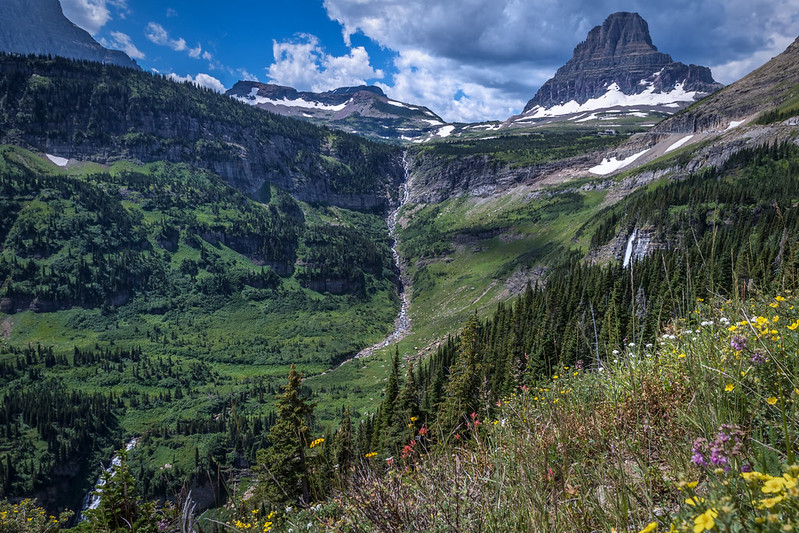
Once you arrive at Logan Pass, you’ll have several options to fill your morning.
- Hidden Lake Overlook: The most popular hike here is the 3-mile round trip to Hidden Lake Overlook, which takes about 1.5 hours. The trail is well-maintained and offers beautiful views.
- Highline Trail (+ New 2026 Rules): For a more challenging and epic hike, consider the Highline Trail. This 11.6-mile point-to-point trail clings to the cliffs above Going-to-the-Sun Road and offers some of the best views in the park. It’s our favorite hike in Glacier, but it now comes with new rules in 2026. Starting July 1, parking at Logan Pass will be limited to three hours, and since the Highline Trail takes about 5 hours to complete, you’ll need to ride the park shuttle.
To hike the Highline Trail, park at the St. Mary Visitor Center, take the shuttle to Logan Pass, and then hike down to The Loop. From there, ride the shuttle to Logan Pass and transfer to the east side shuttle. You can also add a stop at Hidden Lake Overlook if you have time. The east side shuttle will take you back to St. Mary Visitor Center to retrieve your car. Afterward, you can continue driving Going-to-the-Sun Road toward Lake McDonald Valley.
Afternoon: Going-to-the-Sun Road
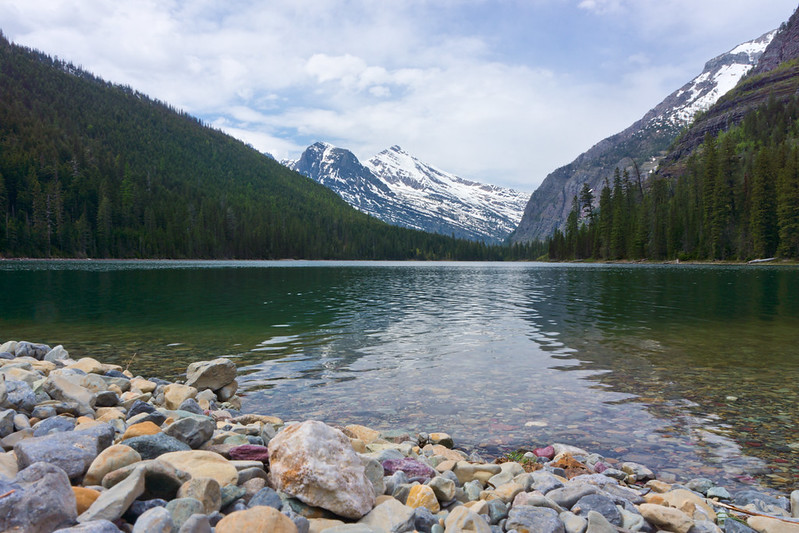
Continue your journey from Logan Pass to West Glacier. This stretch of the road, from Logan Pass to the Loop, is arguably the most stunning part. Traffic often moves slowly here, but that just gives you more time to take in the views. There are plenty of turnouts where you can stop and safely get out of your car to snap some photos.
- Avalanche Lake: As you drive towards West Glacier, you’ll pass the Trail of the Cedars and Avalanche Lake trailhead. Combining these two trails is one of the most popular hikes in the park. The Trail of the Cedars is a short, 1-mile boardwalk that winds through a dense forest of cedars. The hike to Avalanche Lake, starting at the same trailhead, is more strenuous, a 4.5-mile round trip with rewarding views.
Before exiting the park, make sure to stop at Lake McDonald for a final view of the area.
Where to Stay
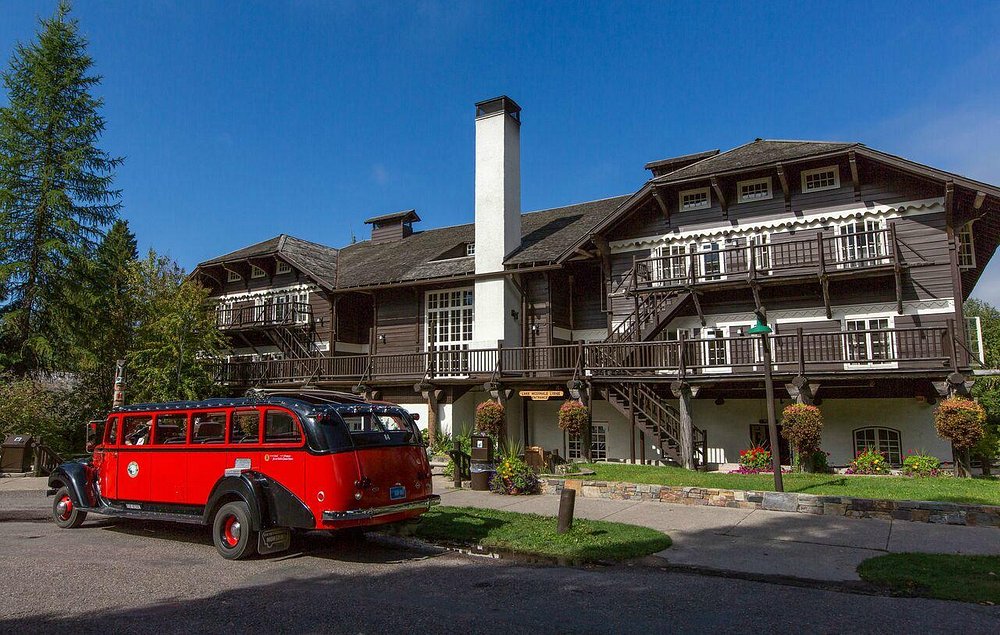
This will be a full day, especially if you decide to hike the Highline Trail. To minimize driving, stay near Lake McDonald or in West Glacier. If you have an early flight the next day, consider staying closer to Glacier Park International Airport, either in Whitefish or Kalispell.
Inside the park: Lake McDonald Lodge or the Village Inn at Apgar Village.
Outside the park: If you’re staying outside the park, we recommend the Great Northern Resort in West Glacier. We had an excellent stay with spacious rooms, air conditioning, and strong Wi-Fi. Alternatively, the Best Western Rocky Mountain Lodge in Whitefish offers great comfort and is just a short drive from the airport.
Day 10: Fly Home
Fly Home or Continue Your Journey
On your final day, you have two options: head to Glacier Park International Airport for your flight home, or extend your road trip if you have more time to explore.
If you’re flying out, the airport is conveniently located near the park and offers easy access to the major routes. For those still craving adventure, consider continuing your road trip to other nearby destinations. Either way, it’s been an unforgettable journey through some of the most stunning landscapes in the U.S.
How to Adjust This Itinerary
Reversing the Itinerary
If you’d prefer to travel from Glacier to Grand Teton, here’s how to reverse the trip:
- Day 1: Arrive in West Yellowstone, Montana
- Day 2: Drive Going-to-the-Sun Road, ending in Many Glacier
- Day 3: Explore Many Glacier
- Day 4: Travel to Yellowstone National Park
- Day 5: Visit Mammoth, Tower Fall, and Lamar Valley
- Day 6: Grand Canyon of the Yellowstone, Mt. Washburn, and Norris Geyser Basin
- Day 7: Grand Prismatic Spring, Old Faithful, and Hayden Valley
- Day 8: Yellowstone and Grand Teton
- Day 9: Grand Teton National Park
- Day 10: Drive to the airport and fly home
Reversing the itinerary can be tricky, particularly on days 2 and 8.
- Day 1: If you arrive early, hike to Avalanche Lake in the afternoon, since it’s on the west side of Glacier.
- Day 2: Drive Going-to-the-Sun Road straight to Logan Pass to secure parking for hiking Hidden Lake and/or the Highline Trail. Continue to east Glacier and check into Many Glacier later that day.
On Day 7, visit Grand Prismatic Spring and Midway Geyser Basin. Although it’s a packed day, you can then drive straight to Grand Teton on Day 8. Once there, choose an activity from Day 3 of the main itinerary, such as a visit to Jenny Lake or Phelps Lake—just be mindful that parking may be limited by midday.
With Less Time
If you’re short on time and need to reduce the itinerary:
- 9-Day Itinerary: Eliminate one day in Yellowstone. With early starts and packed days, you can still see the highlights in two and a half days if you stay in the park to reduce driving time.
- 8-Day Itinerary: Skip half a day in both Grand Teton and Yellowstone by driving directly to Yellowstone on Day 3.
- 7-Day Itinerary: Cut one day from Glacier National Park. Spend that single day on Going-to-the-Sun Road, the must-see experience for first-timers.
Sample 7-Day Itinerary
- Day 1: Arrive in Jackson
- Day 2: Explore Grand Teton
- Day 3: Drive to Yellowstone, visit Grand Prismatic Spring, Old Faithful, and Midway Geyser Basin
- Day 4: Explore Yellowstone: Grand Canyon and Lamar Valley
- Day 5: Drive to Glacier
- Day 6: Explore Glacier
- Day 7: Fly home
This 7-day itinerary will be fast-paced with significant driving, but it allows you to experience all three parks. Alternatively, consider spending a full week in Yellowstone and Grand Teton, and save Glacier for another trip.
With More Time
If you’re fortunate enough to have extra days to extend your itinerary, here’s what we suggest:
Waterton Lakes National Park, Canada
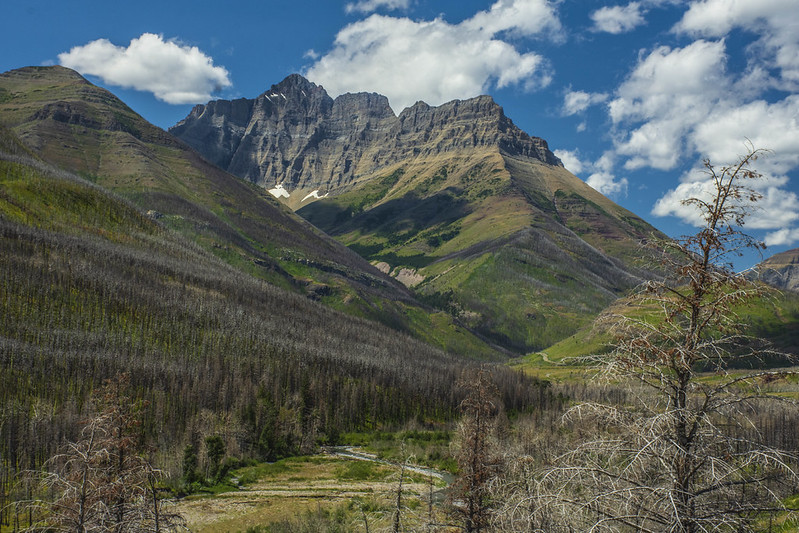
Bordering with Glacier National Park, Waterton Lakes National Parks features beautiful lakes and picturesque mountains as well as endless hiking opportunities in addition to the cute little town you can explore. It feels like a more low key Glacier National Park.
Waterton Lakes can be seen in a day. Go for a hike, hit the trails on two wheels or go take a boat ride down Waterton Lake. Get Going – Waterton from Many Glacier (overnight if you have time) Or you can take a day trip from Many Glacier to Waterton Lakes.
Extra Time in the Parks
If you have more than that, space them out between the parks. Extra days at Grand Teton and Glacier (if you are a hiker, as these parks offer some of the most jaw-dropping hikes in America).
Planning Your Trip
Hotel/Campsite Reservations
Here are my recommendations for accommodations. If you’re planning a summer trip, it’s essential to book well in advance—ideally 6 to 12 months ahead—to secure a room at any of the national park lodges.
- Day 1 & 2 (Grand Teton): Stay in Jackson, Wyoming.
- Day 3 (Yellowstone):
- First choice: Old Faithful Inn
- Second choice: Canyon Village
- Third choice: West Yellowstone
- Day 4 (Yellowstone):
- First choice: Canyon Village
- Second choice: Old Faithful Inn
- Third choice: West Yellowstone
- Day 5 (Yellowstone):
- First choice: Canyon Village
- Second choice: Mammoth
- Third choice: Gardiner, MT
- Day 6 (Yellowstone):
- First choice: Mammoth
- Second choice: Gardiner, MT
- Day 7 (Drive to Glacier):
- First choice: Many Glacier Hotel
- Second choice: Swiftcurrent Motor Inn
- Third choice: St. Mary Village
- Day 8 (Glacier):
- First choice: Many Glacier Hotel
- Second choice: Swiftcurrent Motor Inn
- Third choice: St. Mary Village
- Day 9 (Glacier): Stay in West Glacier or Whitefish.
Don’t forget to pack essential road trip items to ensure a smooth, enjoyable adventure through the parks!
National Park Fees
Here are the entrance fees for each park. Once paid, the fee covers entry for 7 days:
- Grand Teton NP: $35
- Yellowstone NP: $35
- Glacier NP: $35
Total: $105
America the Beautiful Pass
America the Beautiful Pass (Great for if you are going to Grand Teton, Yellowstone and Glacier loop) The price is $80 for an entire annual pass. It will not only save you money on this trip, but it is also valid for use at other national parks and federal recreation sites (i.e., National Forests) around the USA for an entire 365 days.
You can purchase it at the first national park you visit (which in our case, was Grand Teton) or you can get one online before your trip.