
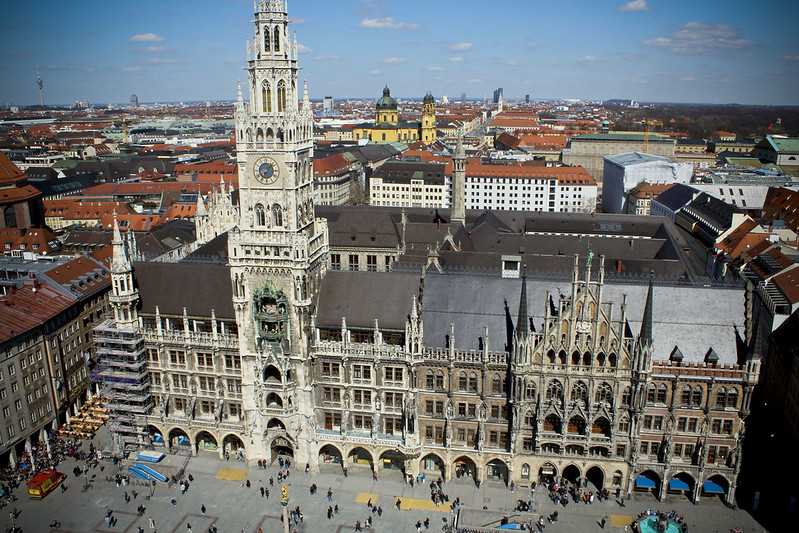
Planning a spring trip across Europe? March is a smart time to go. Crowds are thinner, prices are often lower, and many cities begin to shift from cold gray days to milder weather and early blooms. This guide highlights some of the best places to visit in Europe in March, based on repeated spring trips across several countries over multiple years, starting with a first multi-country journey back in 2018.
Traveling across Europe in early spring gives you a mixed seasonal feel. You might see snow still resting on mountain peaks while city parks start to show fresh color. Outdoor cafés begin setting up again, festivals quietly return, and major landmarks are easier to enjoy without long lines. It’s a good window for travelers who like balanced weather and breathing room at top sights.
With so many cultures, languages, and historic cities packed into one continent, choosing where to go can feel overwhelming at first. That’s why this March travel guide breaks it down into clear destination ideas and timing tips, helping you pick spots that match your interests, budget, and preferred pace.
21 Top Destinations to Explore in Europe This March 2026 | Sunny Spots & Exciting Festivals
March in Europe offers a great balance of lower prices and fewer crowds. Airfares and accommodation rates drop, making it an affordable time to travel. While crowds are smaller, it’s still festival season, so you can enjoy local celebrations, parades, and food fairs.
The weather varies by region—southern Europe enjoys mild sunshine, while northern and central regions remain cool, with snow and early spring blooms. While some cities may be busier during Easter, March remains a perfect month to explore Europe without the summer rush.
1. Edinburgh, Scotland – A Budget-Friendlier Spring Trip
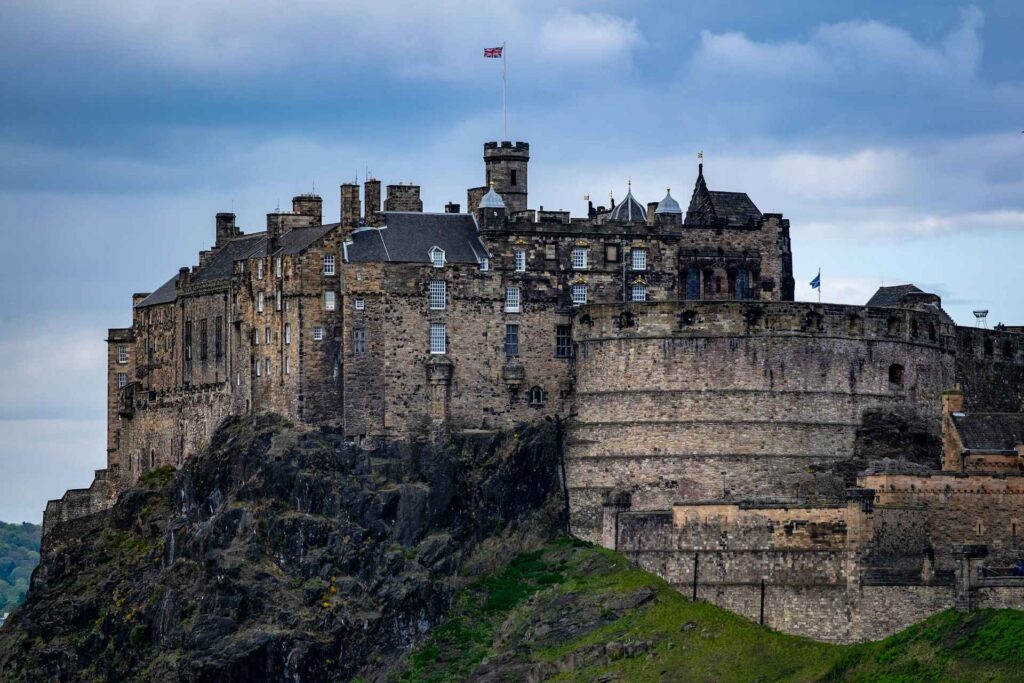
Many experienced travelers don’t list March as the top time to visit Edinburgh — but that’s exactly why it works so well. Prices are lower than peak months, flights and rooms are easier to book, and the city still delivers strong character without heavy tourist traffic. You get more space, shorter queues, and a calmer pace across major sights.
March marks the early stretch of spring here. The air stays cool and a bit windy, yet the city slowly shifts color as parks and hillsides begin turning green again. You’ll spot early blooms in public gardens and fresh grass along the slopes below the old stone skyline. The mix of gray castles and soft new growth gives the city a striking seasonal contrast.
If you arrive around March 17, you can also catch St. Patrick’s Day activity. Ireland hosts the largest celebrations, but Edinburgh’s pubs and streets still join in with live music, themed menus, and cheerful crowds. It adds a festive layer to an already lively pub culture without the peak-season rush.
Major landmarks remain open, including Holyrood Palace, Edinburgh Castle, and the National Museum. Walk through Princes Gardens for spring flowers and castle views, then climb Arthur’s Seat for a wide look over the city and coastline. Average March highs sit near 7°C (45°F). When you compare that with typical summer highs around 18°C (64°F), the gap is smaller than many visitors expect, making March a practical and lower-cost time to go.
Read More: 21 Incredible Scottish Locations Perfect for Landscape Lovers
2. Barcelona, Spain – For Easygoing Spring Weather and Lighter Crowds
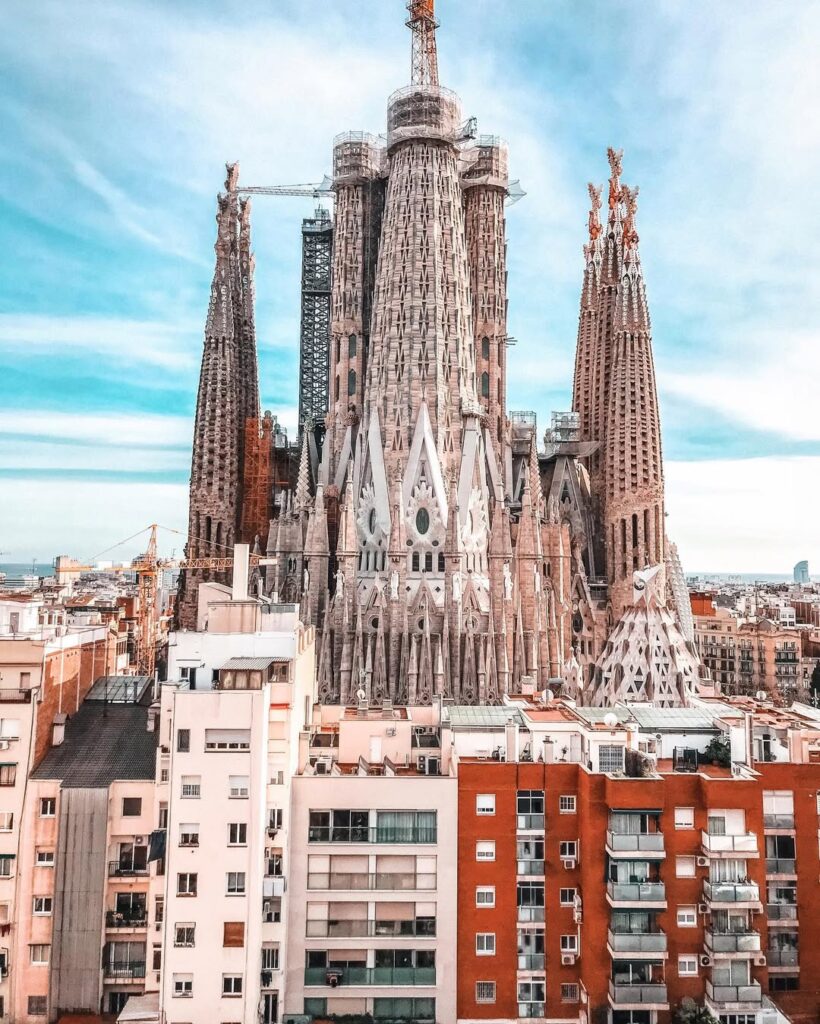
March in Barcelona sits between winter chill and summer heat. The city starts to warm up, but temperatures stay comfortable for long walks and outdoor plans. Most days fall between roughly 10–18°C (50–64°F), though cooler mornings can still show up. Compared to peak summer, this period feels calmer and easier to handle.
This mild stretch of weather makes it a good time to explore the city’s bold architecture, open parks, and long walking routes without harsh heat or packed streets. You can wander past Gaudí landmarks, spend time in public squares, and even relax by the beach. Sunbathing is possible on brighter days, but the sea still feels too cold for most swimmers.
Evenings turn cooler, and short rain spells can happen, so pack in layers. Light spring outfits work during the day, while a jacket or sweater helps after sunset. A small umbrella or rain shell will save your plans if clouds roll in for an hour or two.
Tourist lines are shorter in March, which makes visits to major sights smoother. Stops like the Sagrada Família, Park Güell, and the Gothic Quarter are easier to enjoy when entry times are more flexible. You may also catch local celebrations such as Festa de Sant Medir and Festes de Sant Josep Oriol, adding music and street events to your schedule without peak-season congestion.
Read More: Travel Spain on a Budget: 15 Inexpensive Destinations
3. Vienna, Austria – Early Spring Walks and Vienna Woods Views
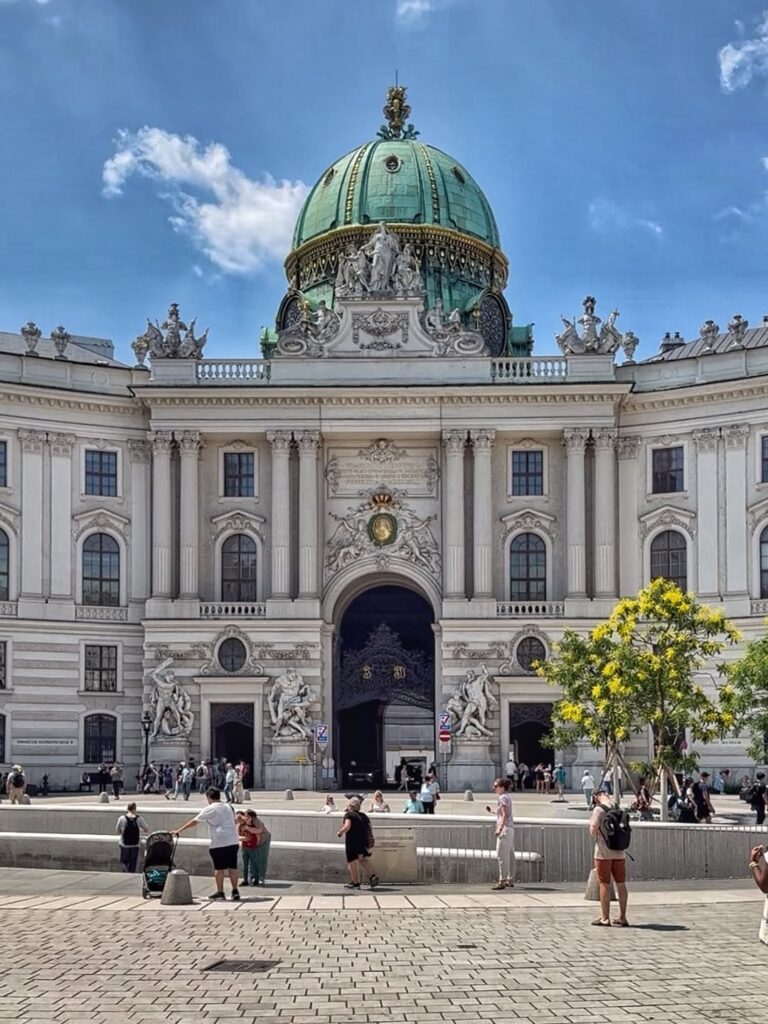
March in Vienna still feels like late winter, but that comes with a big advantage: fewer visitors across major sights. Streets, museums, and palace grounds are far less crowded than in late spring and summer, which makes city walks and photo stops more relaxed and unhurried.
Daytime temperatures average around 5°C (41°F). Some days hover near freezing, and nights often drop below 0°C (32°F). Short rain showers pass through during the month, so indoor plans fit well into a March schedule. This is a good time to attend a classical concert, step into a historic coffee house, or spend an hour warming up with pastries and hot drinks.
Large cultural landmarks stay fully open, including the Hofburg, Belvedere, and Schönbrunn Palace. Their halls and galleries offer warmth and depth on colder days, and you can move at your own pace without heavy lines. Early spring is also a fine period to head out to the Vienna Woods (Wienerwald), where trails begin to thaw and the first signs of seasonal change appear.
Guided walking tours still run in March, just with smaller groups. Dress in layers, wear solid shoes, and take your time along the old streets and grand boulevards. In the evening, cafés and traditional taverns feel extra inviting as city lights reflect on historic buildings. If Easter lands in March, markets and public squares grow busier, bringing seasonal stalls and holiday events across Vienna.
4. Amsterdam, Netherlands – Early Tulip Season and Garden Visits
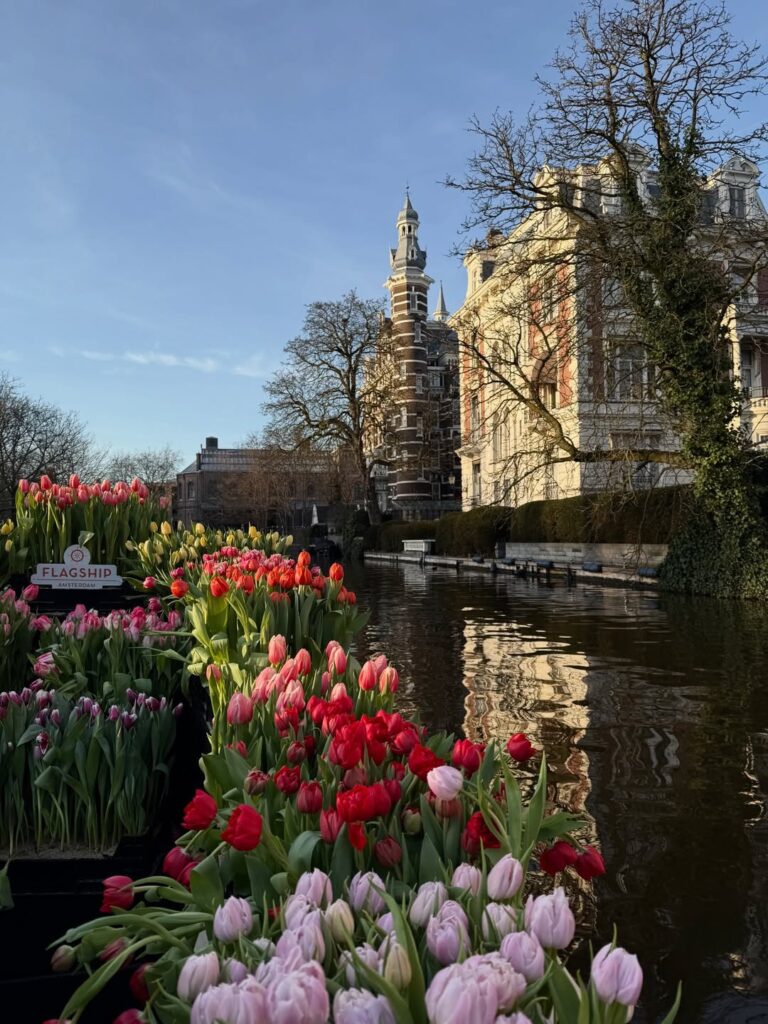
March in Amsterdam stays cool, with daytime temperatures often topping out near 9°C (48°F). Early in the month it can feel close to winter, but conditions slowly soften as the weeks pass. You won’t get summer warmth, yet you will notice the first spring signals across parks, canals, and open spaces.
A big draw in this period is the start of tulip season. Flower beds around the city begin to show color, and Keukenhof Gardens opens in mid-March for its first visitors of the year. Early blooms depend on weather patterns, so displays build gradually rather than all at once. Even so, walking through the grounds at the start of the season feels fresh and full of contrast after gray winter days.
Rain is common in March, and showers can appear without much warning. Pack a solid umbrella, waterproof shoes or boots, and a medium-weight coat. Plan a mix of outdoor walks and indoor stops so your day doesn’t depend fully on the forecast. Museum tickets are easier to book this time of year, and entry lines are usually shorter.
This month works well for gallery hopping, canal cruises with covered boats, and long café breaks between sightseeing stops. Film and arts fans can also catch Cinedans, a major international dance film festival held in the city each year. With lighter crowds and early flower displays, March gives Amsterdam a softer, slower rhythm for visitors.
5. Dubrovnik, Croatia – Lower Crowds and Mild Spring Days
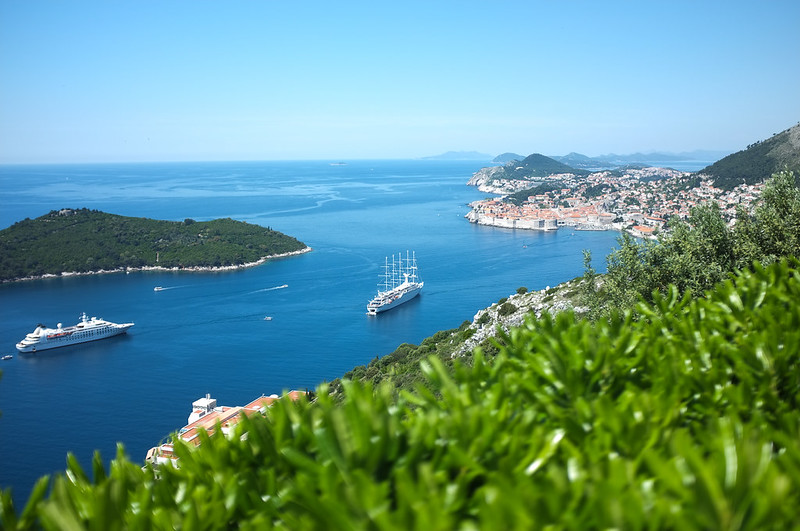
March sits in Dubrovnik’s shoulder period, which brings lighter visitor numbers and better travel deals. Flights, hotel rates, and local tours often cost less than they do in peak summer months. Some attractions and entry points that charge high fees in high season may be discounted or free during this stretch, which helps keep daily costs down.
The weather still leans cool, so many travelers postpone their trip until summer. That makes March a smart pick for those who prefer open streets and easier access to major landmarks. Walking the old city walls, wandering through stone lanes, and taking coastal hikes feel more relaxed when large tour groups are absent.
Outdoor plans still work well here. You can hike nearby trails, explore the Old Town on foot, or take a short boat ride to Lokrum Island when conditions allow. On rainy days, step inside churches, galleries, and small museums spread across the historic center. Short indoor stops mix well with weather breaks.
March temperatures often swing between about 9°C (48°F) and 15°C (59°F), depending on the week. Rain shows up regularly, with roughly 10–12 wet days during the month, but you still get several hours of daylight for sightseeing. Pack light layers, a waterproof jacket, and flexible plans so you can adjust your schedule as the forecast shifts.
Read More: 9 Off-the-Beaten-Path Croatian Destinations for Adventurers
6. Prague, Czech Republic – March Festivals and Easier Sightseeing
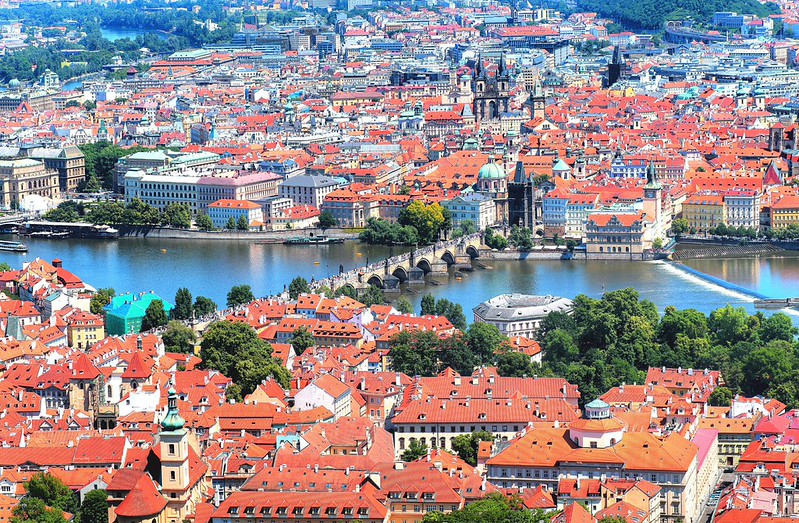
March in Prague still feels cold, much like nearby Central European cities. Daytime highs often sit near 5°C (41°F), while nights can drop close to 2°C (35°F). The air stays crisp, and early mornings often carry a late-winter feel, so warm layers matter when planning long walks across the city.
Rain shows up fairly often in March, with roughly half the month bringing light showers. The upside is that cloud cover tends to thin out toward the end of the month. When the weather turns wet, Prague gives you plenty to do indoors — from historic halls and art galleries to concerts and small theaters — so your schedule doesn’t fall apart because of a gray day.
This period is quieter for tourism. Lines at Prague Castle and other major landmarks are usually shorter, and public squares feel less packed. Bring a coat, scarf, and umbrella, and you can move around comfortably without peak-season congestion slowing you down.
March also carries a busy cultural calendar. Events such as the Young Bohemia Prague Festival, Fun Fatale, the Shockproof Film Festival, and the Spring Music Festival draw performers and audiences from many countries. With fewer crowds around Old Town, you can walk across Charles Bridge, tour St. Vitus Cathedral, and explore the castle grounds at a steady, unhurried pace.
7. Bruges, Belgium – A March Trip for Food and Old-Town Charm
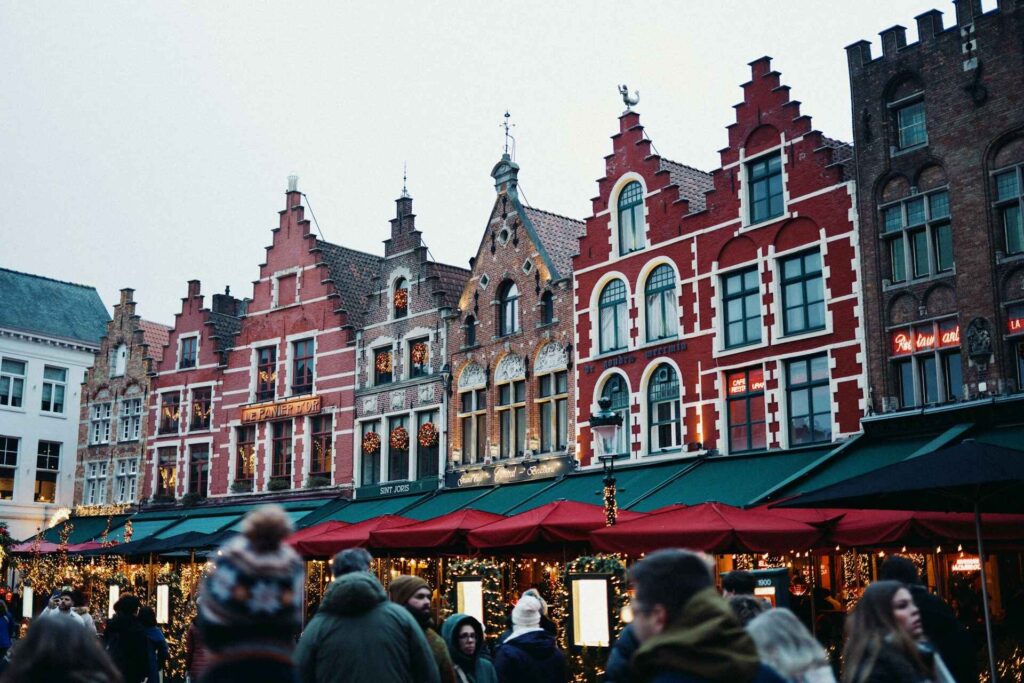
Bruges in March is a great pick for travelers who plan their days around food stops and café breaks. This is the kind of city where you move from waffle shops to chocolate makers to cozy beer halls within a few streets. Cool weather actually adds to the experience — warm desserts and hot drinks feel even better after a walk along the canals.
Even with the chill, the city remains pleasant for slow exploration. Restaurants and cafés stay busy, and local menus are easy to sample without long waits for a table. Between meals, you can step into major landmarks and museums such as the Belfry of Bruges and the Basilica of the Holy Blood, both offering indoor visits that fit well with early-spring weather.
March temperatures usually reach around 7–9°C (45–48°F) during the day. Rainfall is lower than in deeper winter, often limited to a handful of wet days across the month. That makes short walking routes and canal-side strolls more manageable, especially when you plan breaks indoors.
The city still carries a late-winter look, but small signs of spring begin to appear in parks and public squares as flowers start to open. With fewer tour groups around, Bruges feels calmer, giving you more time to enjoy its flavors, historic streets, and canal views at your own pace.
8. Athens, Greece – Lower Flight Prices and Comfortable Sightseeing Weather
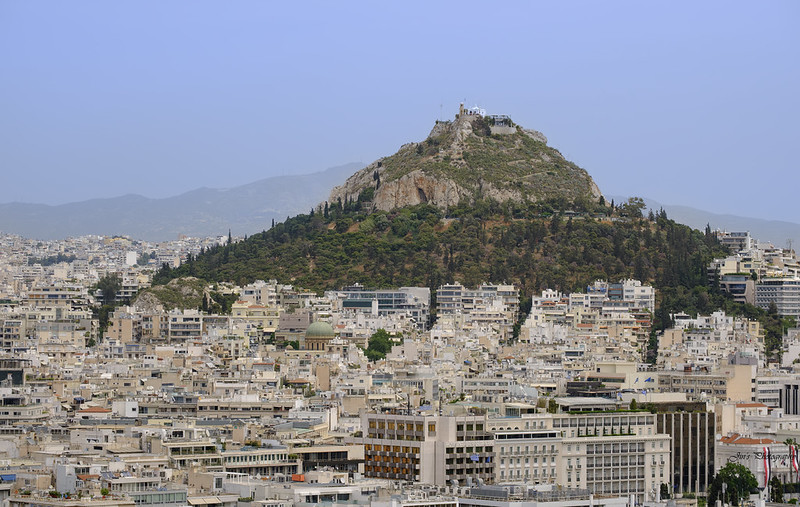
Athens in March works well for travelers who want Greece without peak-season pressure. Visitor numbers are lower, airfare often drops, and hotel rates tend to be more reasonable than in late spring and summer. If the country sits high on your wish list but busy streets and higher prices hold you back, this month offers a good entry point.
Weather in March is fairly mild for a European capital. Average daytime temperatures hover around 17°C (62°F), and nights often stay near or above 10°C (50°F). That makes long outdoor visits more comfortable than in the hot months. You can walk uphill to major landmarks without dealing with strong heat.
Conditions are suitable for open-air historical sites like the Acropolis and other ancient ruins spread across the city. Cooler air and lighter crowds make it easier to take your time at archaeological areas, viewpoints, and hilltop paths. Spring light also adds clear contrast to marble structures and city panoramas.
March is often one of the cheapest periods to book flights to Athens, and short rain spells may appear between sunny stretches. Showers usually pass quickly rather than lasting all day. It’s still too cool for swimming or beach-focused plans, but city life, historic districts, food spots, and nearby coastal views give you plenty to fill your schedule.
Read More: 21 Gorgeous Greek Locations Perfect for a Memorable Holiday
9. Paris, France – Spring Signs Across the City
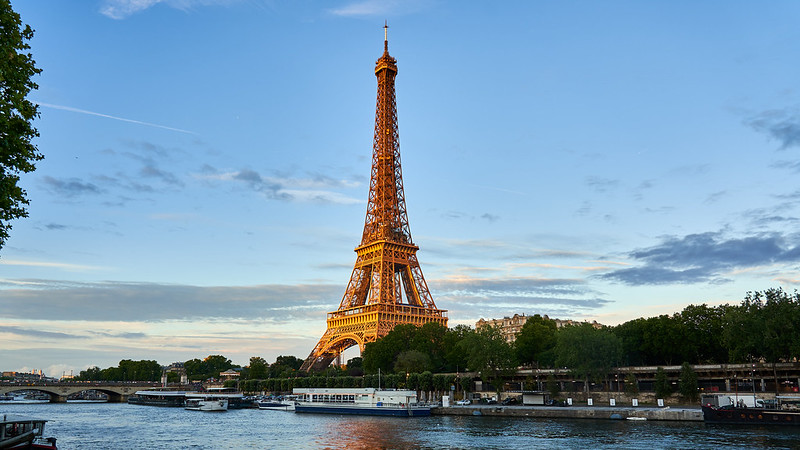
Paris draws visitors in every season, and March brings a softer version of the city. Grand buildings, historic avenues, and river views stay impressive year-round, but early spring adds fresh color in parks and gardens. Flower beds begin to open, and more café terraces start filling again on brighter afternoons.
Major landmarks remain the core of any visit. The Louvre and its glass pyramid, the Eiffel Tower, and the long boulevards around them are easier to enjoy when peak crowds haven’t arrived yet. Side streets, bookshops, and neighborhood bakeries feel more accessible, letting you slow your pace and spend more time browsing and tasting local food.
Art fans can head to the Musée d’Orsay, a former railway station turned gallery, known for its large Impressionist collection. Notre-Dame Cathedral, still marked by past fire damage, stands as a symbol of the city’s history and recovery. A Seine river cruise gives a different angle on bridges and monuments, while Montmartre offers hilltop views and a long-standing artist quarter atmosphere.
March is also a practical time for a day trip to the Palace of Versailles. Visitor numbers are lighter, so palace rooms and garden paths are easier to move through. Weather stays cool, often ranging from high single digits to low teens in Celsius. Early in the month you might see a cold snap or brief snow, but clearer, sunnier days become more common as March moves forward.
Read More: 15 Hidden Gems in France You Have to See
10. Rome, Italy – Easter Season Energy and Easier Sightseeing

Rome in summer can feel crowded and overheated, but March gives the city a different rhythm. This shoulder-season month brings lighter visitor numbers and milder weather, which makes long walking days far more comfortable. Streets, ruins, and public squares feel more open, even around the most famous landmarks.
Daytime temperatures often range between about 11–17°C (52–63°F). That’s cool enough for steady sightseeing without heat fatigue, yet mild enough for outdoor meals and extended walks. You can move between ancient sites, fountains, and neighborhoods without needing frequent breaks from the sun.
All major attractions stay open, so your sightseeing list doesn’t need trimming. The Colosseum, Roman Forum, and city museums run as usual. Vatican City is also easier to tour during most of March, with shorter lines and more breathing room inside museums and St. Peter’s Basilica.
If Easter falls in March, crowd levels rise and the city takes on a more festive tone. Religious events, special masses, and public gatherings draw visitors from many places. Even with busier streets during that period, the celebrations add color and meaning to a Rome trip at the start of spring.
Read More: 16 Hidden Gems in Italy Every Curious Traveler Should Explore
11. Reykjavik, Iceland – A Strong Chance to See the Northern Lights
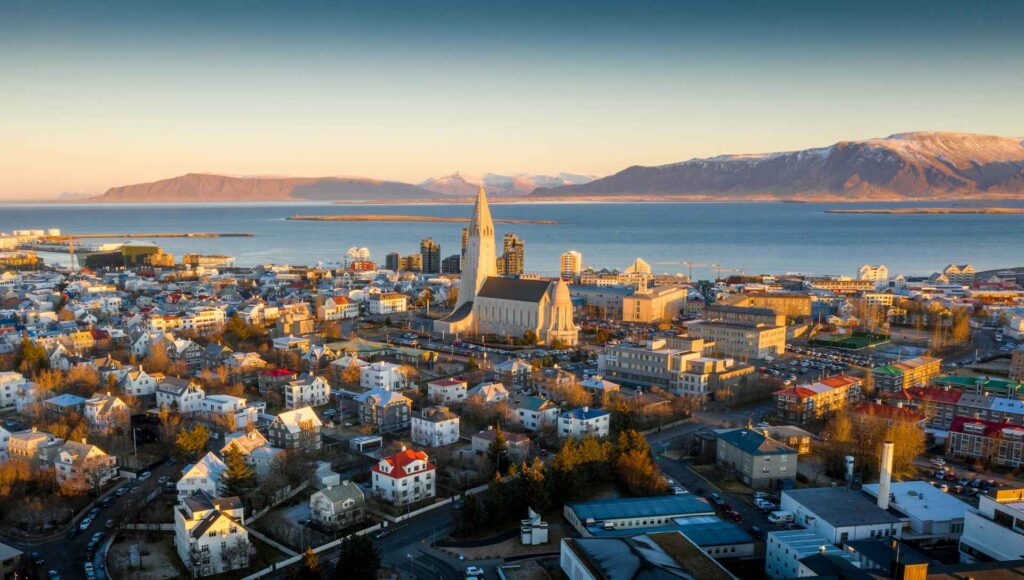
Iceland ranks high on many travel lists for Northern Lights viewing, and March is one of the better months to try. Nights are still long and dark enough for aurora activity, yet travel conditions are often easier than in deep winter. With the right sky conditions and a bit of patience, you have a real shot at seeing the lights dance overhead.
A March trip here calls for serious cold-weather gear. Thick jackets, insulated boots, gloves, and layered clothing make a big difference when you’re standing outside at night waiting for aurora activity. After evening light-hunting tours, returning to a warm hotel or guesthouse feels especially rewarding.
Average daytime temperatures usually fall between about -2 and 3°C (28–38°F). Weather can change quickly — snow, rain, wind, and brief sunshine may all appear within the same day. Flexible plans help, since tour departures sometimes shift based on road and sky conditions.
Reykjavik works as a base for year-round day trips such as the Golden Circle and the South Coast. March also supports late-winter activities like snowmobiling and glacier walks. Travel and tour prices are often lower than in peak summer months. If the cold feels like too much, you can warm up in geothermal pools such as the Blue Lagoon or Sky Lagoon and relax in naturally heated water between outings.
12. Lisbon, Portugal – Mild Spring Air and Evenings of Fado
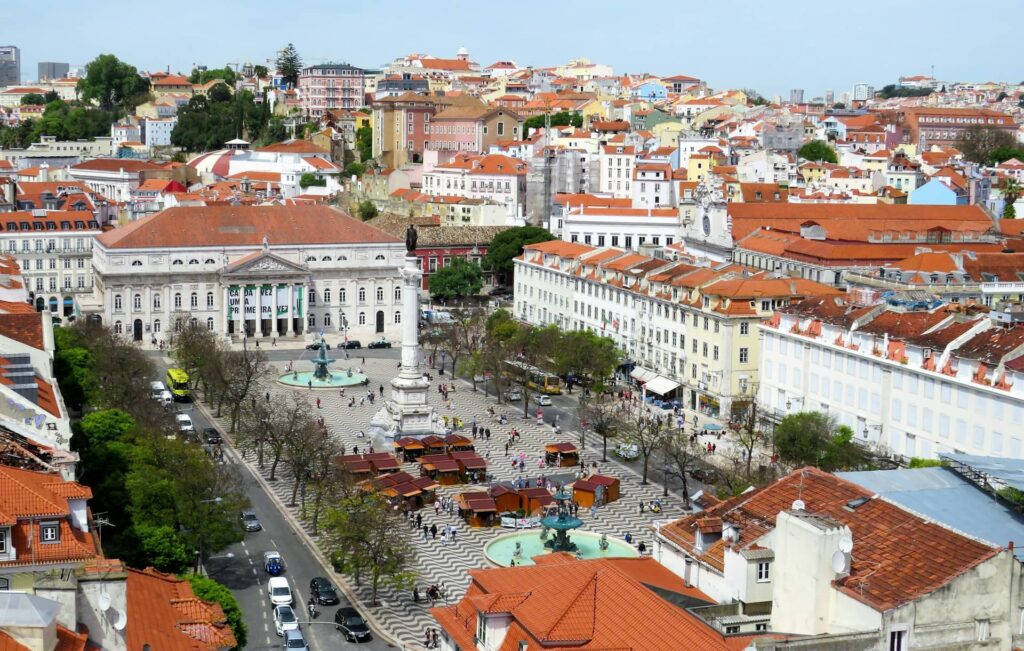
Lisbon stands out in March for its softer, warmer weather compared to much of Europe. Daytime highs often reach around 19°C (66°F), which makes outdoor plans easier and more comfortable. You can walk longer distances, sit outside at cafés, and ride the city’s hills without dealing with summer heat or winter chill.
Rainfall is usually limited to a few passing showers during the month. Most days bring a mix of sun and light clouds, giving the city a bright, open feel. You won’t need heavy winter gear, and many outdoor activities stay pleasant from late morning through the afternoon.
March works well for exploring Lisbon on foot. Join a guided city walk through historic districts, step inside Lisbon Cathedral, and spend time in Alfama’s steep lanes and stairways. The city’s many miradouros — public viewpoints — offer wide overlooks of rooftops, the river, and passing trams, and most are free to access.
After sunset, plan time for Fado music in a small restaurant or local venue. These live performances bring a strong emotional tone to the evening and pair well with a relaxed dinner. Even though days are mild, mornings and nights can feel cooler, so bring a light jacket and a compact rain layer just in case.
13. Munich, Germany – Beer Festivals and Late Winter Activities
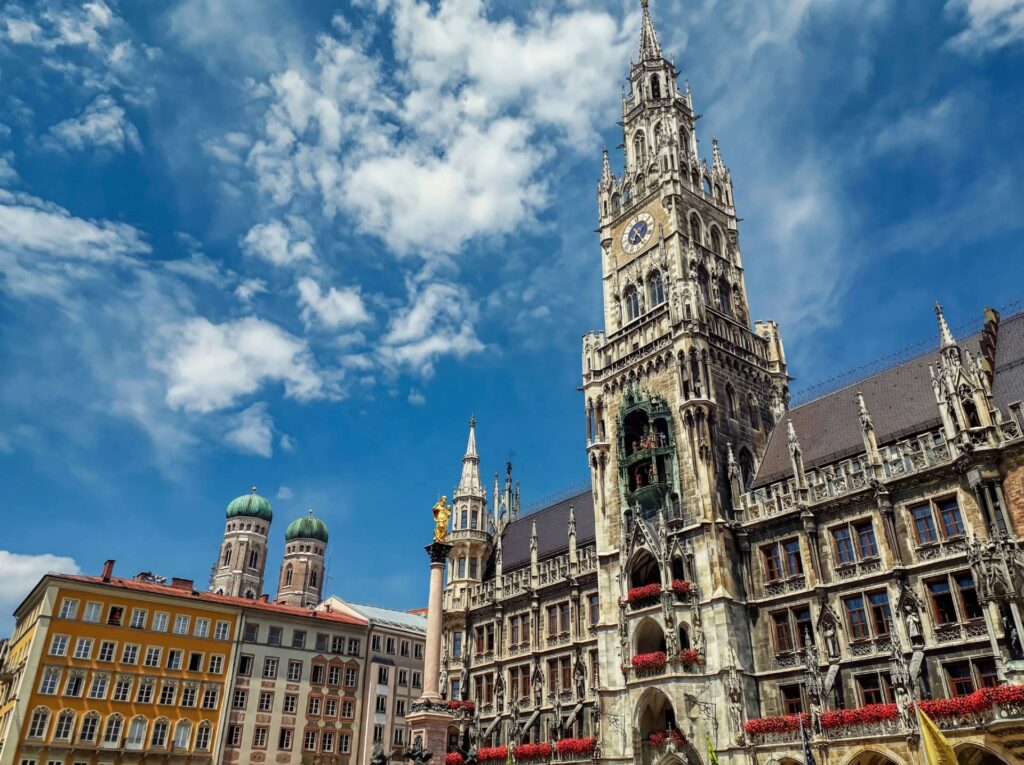
Munich in March can feel unpredictable in the best way. You might arrive to sunshine and clear skies, or you could see cold rain or even late snow. This mix keeps the trip interesting and often brings fewer visitors than peak travel months, which makes popular spots easier to access.
No matter the forecast, March works well for a Munich visit because city life runs at full pace. Beer halls stay lively, local breweries release seasonal strong beers, and St. Patrick’s Day celebrations add extra street energy. The Strong Beer Festival also takes place around this time, offering a smaller but spirited alternative to Oktoberfest.
Munich also serves as a good starting point for exploring Bavaria by road or rail. Day trips to places like Nuremberg and Neuschwanstein Castle are more relaxed with lighter crowds. Travel times are smoother, and photo stops are easier without heavy tour traffic.
Average daytime highs sit near 10°C (49°F), so colder-weather activities are still possible. Nearby mountain areas may support late-season skiing and other snow-based sports depending on conditions. Pack layered clothing, a warm outer jacket, and waterproof shoes so you’re ready for quick weather shifts.
Read More: 21 German Destinations So Beautiful They Seem Unreal
14. Nice, France – March Sunshine and Carnival Season
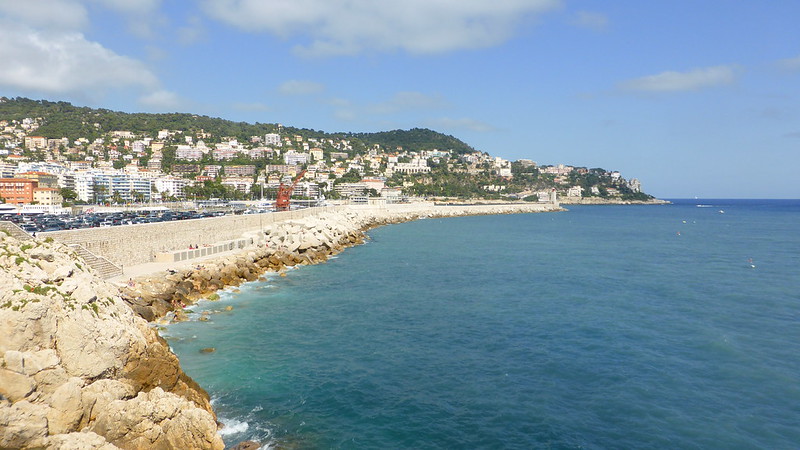
If you’re leaning toward a Mediterranean-style March trip, Nice makes a strong pick. This coastal city gets more sun than many northern destinations at the end of winter. Average daytime temperatures hover around 14°C (57°F), which feels mild enough for walking tours, harbor strolls, and outdoor lunches.
Days often bring long stretches of sunshine, while nights turn noticeably cooler. The sea remains too cold for most swimmers, but the waterfront still draws walkers and cyclists. Packing layers helps — lighter clothes for the afternoon and warmer sleepwear and jackets for evenings.
One of the main highlights in this period is the Nice Carnival, usually running from late February into early March. Parades, floats, costumes, and street performances fill the city center. Crowds grow during festival days, yet the scale and color of the event make it worth the tighter space.
Beyond the city, Mercantour National Park offers late-winter mountain scenery and snow-based activities depending on conditions. Short rain spells can pass through during March, so a waterproof jacket and solid shoes will keep your plans on track while you explore both the coast and nearby highlands.
15. Cardiff, Wales, UK – Castles, Spring Blooms, and Local Legends
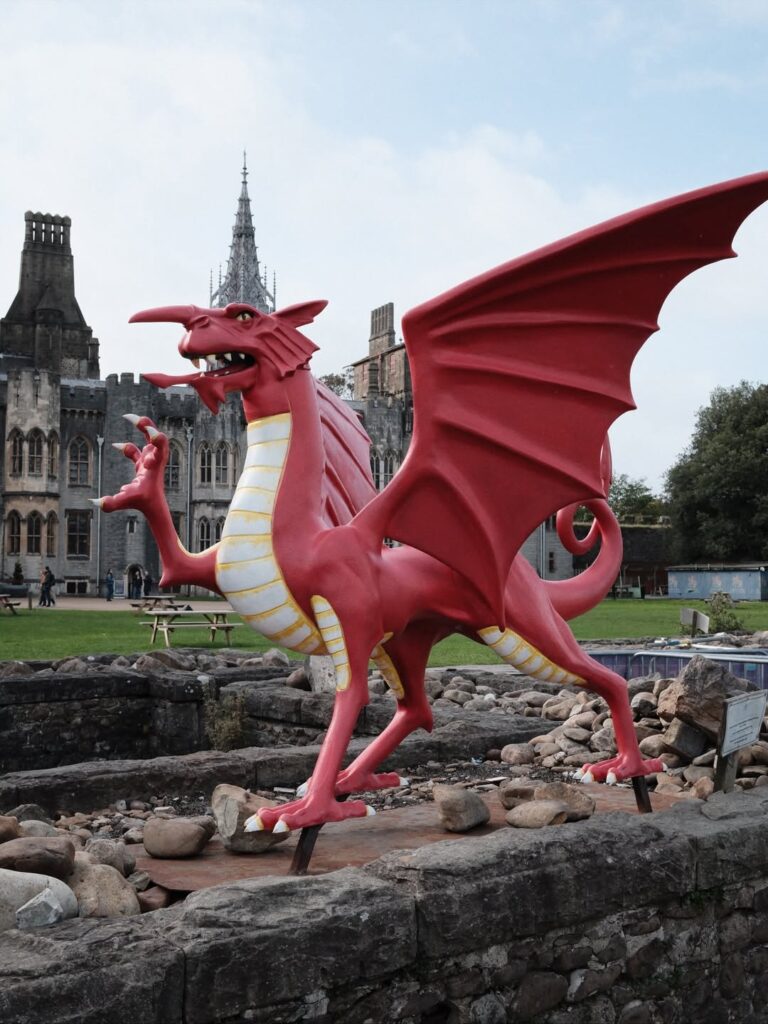
Cardiff, the capital of Wales, carries more than 2,000 years of recorded history, and March is a pleasant time to walk through it. Early spring brings patches of color to parks and public gardens, with flowers starting to open across the city. Visitor numbers are usually moderate, which makes sightseeing feel less rushed.
Compared with many large European capitals, Cardiff feels more close-knit and easy to move around. You can shift from historic landmarks to green spaces and the waterfront within a short distance. The mix of old stone structures, open parkland, and harbor views gives variety without long travel times inside the city.
Cardiff Castle stands as the headline stop, with Roman walls and later medieval additions still visible. The grounds sit right near the city center, making it simple to include in a walking route. Nearby shopping arcades and small food spots offer good breaks between visits. Local folklore and storytelling traditions also show up in museums, tours, and cultural events around town.
March weather can bring a blend of sun and cloud. Some bright days appear, but temperatures often stay in single digits, with highs around 11°C (52°F). If you’re planning a day trip from London, check the forecast and bring layers and a rain shell so changing conditions don’t cut your visit short.
Read More: 21 Stunning Places to Explore in the UK for Every Type of Traveler
16. Cinque Terre, Italy – Coastal Walks and Quieter Village Life in March
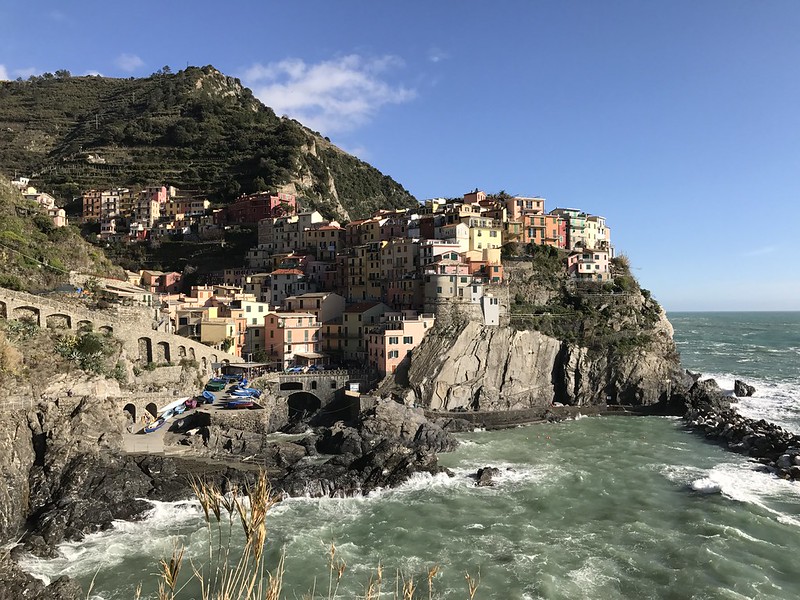
Cinque Terre is often labeled a late-spring or summer destination, but March makes a strong case for itself. Visitor numbers are lower, paths are more open, and the five coastal villages feel calmer overall. If you prefer space and slower days over peak-season buzz, this month can work very well.
Temperatures begin to climb out of winter, with averages around 11°C (52°F). Many restaurants, guesthouses, and small attractions start reopening after seasonal closures. You won’t see every place operating at full capacity early in the month, but services steadily return week by week.
Light rain showers are common and help bring fresh plant growth along the cliffs and terraces. Hiking between villages is still very doable if you’re comfortable with damp trails and cooler air. Until mid-March, several routes are often free to access, which helps keep costs down for walkers.
Prices tend to rise toward the end of the month as Easter approaches and demand increases. Early March usually brings better hotel and flight deals. During the Easter period, celebrations begin, crowds grow, and the area shifts into its busier phase. One of the best ways to spend your time here is still simple: walk between villages, pause at a café, and enjoy the sea views between climbs.
17. Interlaken, Switzerland – Snow Sports and Alpine Views in March
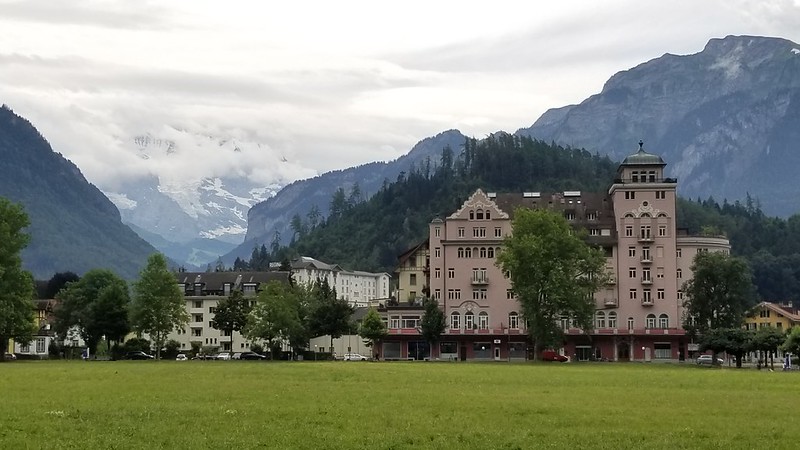
If cold weather trips are your style, Interlaken in March fits the plan. This mountain town often stays below freezing on some days, with typical temperatures ranging from about -2 to 8°C (28–46°F). Snow, sleet, and rain can all appear in the same week, so weather-ready clothing matters here.
So why go during such a chilly stretch? Because the alpine setting looks dramatic under late-winter snow. Peaks, forests, and high passes stay white, and visibility can be excellent after a fresh snowfall. Skiing and snowboarding conditions are often still strong in March, with lift systems running across nearby mountain areas.
The town also draws many couples during this period. Days often revolve around slope time and mountain trips, while evenings lean cozy — fireside seating, warm meals, and quiet hotel lounges. Longer daylight hours, close to 12 per day, give you more time to visit high points such as Jungfrau and Schilthorn.
Cold-season adventure options go beyond skiing. Paragliding and skydiving operate year-round when conditions allow, and guided winter kayaking is available on certain lakes and rivers. If you’re comfortable with low temperatures, Interlaken offers plenty of outdoor action instead of keeping you inside.
Read More: 21 Incredible Swiss Locations That Will Leave You in Awe
18. Santorini, Greece – A Calmer Island Visit in March
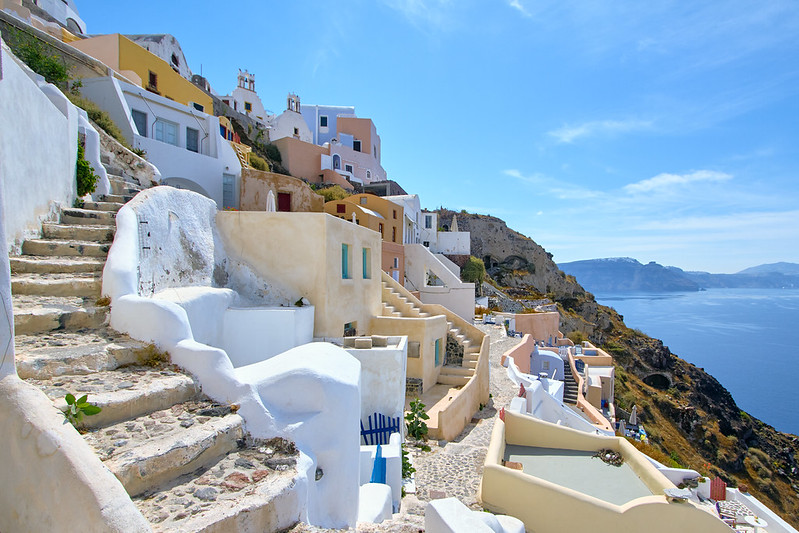
Santorini in March suits travelers who prefer mild air and lighter layers instead of heavy winter gear. The island feels far less crowded than in late spring and summer, which changes the overall experience. Streets, viewpoints, and famous photo spots are easier to access, and daily plans move at a slower pace.
Daytime temperatures often reach around 18°C (64°F) and usually stay near or above 14°C (57°F). That range works well for walking through cliffside towns and coastal paths without strong heat. A light sweater or jacket is often enough for most outings, especially in the afternoon.
With fewer visitors around, villages like Oia and Fira feel more open and relaxed. You can spend time at cafés, walk the caldera paths, and watch sunsets without heavy crowd pressure. Some hotels, restaurants, and tours may still run on limited schedules early in the month, but core services remain available.
Swimming conditions are still cool, so March is better for sightseeing and scenic walks than beach days. If your goal is island views, whitewashed streets, and quiet evenings over the sea, this period gives Santorini a softer, more peaceful mood.
19. Mostar, Bosnia and Herzegovina – A Cultural Crossroads in Early Spring
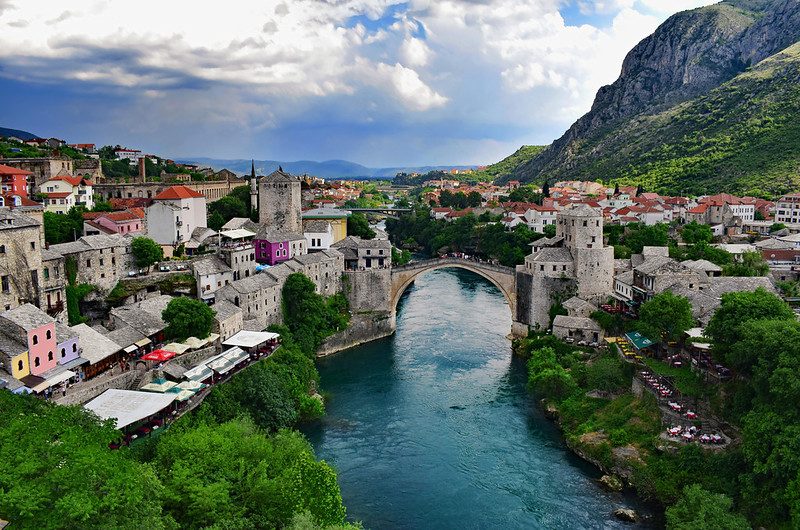
Mostar stands out for its historic stone bridge and layered cultural roots. Ottoman, Mediterranean, and Central European influences appear across its buildings and food scene, giving the city a mixed character that shows up in daily life. The Neretva River cuts through the center, adding strong color contrast between water, rock, and hillside homes.
March brings a quieter version of the city. Visitor numbers are lower, which makes it easier to walk through historic areas without crowd pressure. Late in the month, temperatures begin to rise, and greener hills start to frame the skyline. Outdoor exploring becomes more comfortable as winter slowly loosens its grip.
The Old Bridge, Stari Most, remains the focal point. It’s a UNESCO-listed landmark and a main viewpoint over the river canyon. In summer, trained divers often jump from the bridge, but in March the water is cold and these jumps are uncommon. Instead, this is a good time to pause at a nearby café and enjoy a cup of traditional Turkish coffee while watching the river flow below.
The old town area features stone lanes, craft shops, and food stalls around the Kujundžiluk bazaar. Local dishes like ćevapi appear on many menus and make an easy introduction to regional cuisine. For a wide city view, climb the Koski Mehmed Pasha Mosque minaret for a small fee. March acts as a lead-in to the warmer, drier season, giving you mild weather for long walks without summer heat.
20. Gran Canaria, Canary Islands – Warm Weather and Mixed Landscapes
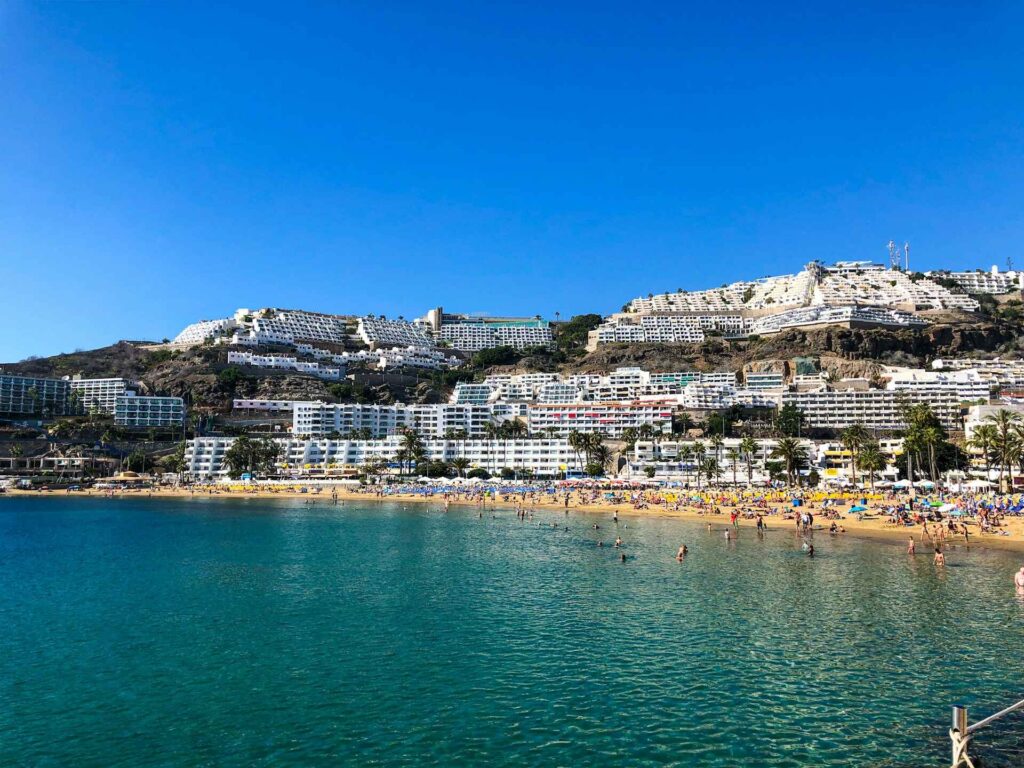
Gran Canaria keeps a spring-like feel through most of the year, and March is one of its most comfortable periods. The island combines sandy beaches, steep mountain roads, and long-standing Spanish traditions shaped by links with Africa and South America. This mix shows up in food, festivals, and daily street life.
March works well for outdoor plans because temperatures often sit in the low to mid-20s°C. Beach walks, coastal drives, and hillside hikes are all pleasant without the intense summer heat. It’s also when the tourist season begins to pick up, so more tours and activities return to full schedules.
Las Palmas de Gran Canaria is the island’s main city and offers historic districts with colonial-era buildings, busy plazas, and local markets. Walking routes through older neighborhoods reveal small museums, churches, and cafés that make good midday stops. The city gives you both urban energy and quick access to the coast.
Away from the capital, a large protected biosphere area covers much of the island’s interior. Trails pass through valleys, rocky ridges, and forested zones, giving hikers several terrain options in one trip. For history-focused visitors, the Canarian Museum and the Columbus House (Casa de Colón) present exhibits tied to early Atlantic voyages. Carnival events usually take place in February, bringing parades, music, and costume shows just ahead of the March travel window.
21. Zadar, Croatia – Sunset Views and Coastal Walks Before Peak Season
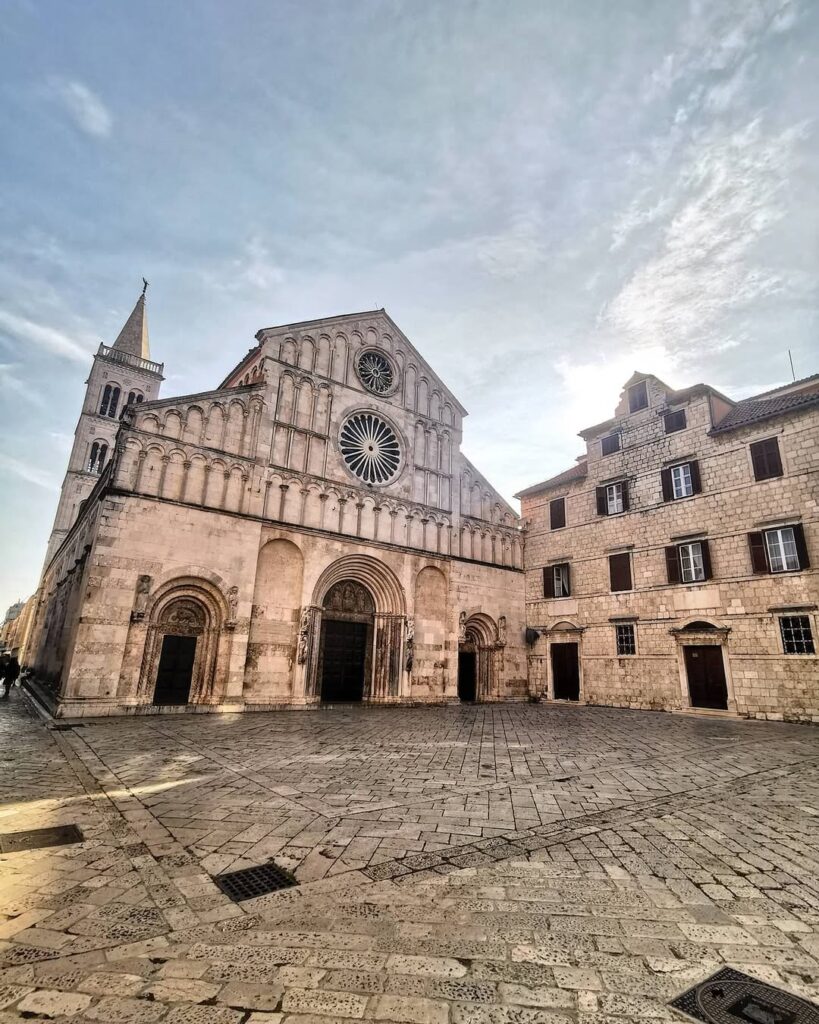
Zadar makes a strong first stop in Croatia, especially during early spring. March brings mild temperatures that work well for long outdoor days without summer heat. You can walk the waterfront, explore historic squares, and take short trips nearby without feeling rushed or overheated.
Weather during this month can shift between sun and rain. Humidity is fairly common, and passing showers may appear, but they rarely block an entire day of plans. Average temperatures hover around 13°C (55°F), with cooler evenings after sunset. A light jacket and compact umbrella usually cover most conditions.
This is a good time to visit nearby national parks known for waterfalls and rocky landscapes. Trails and viewpoints are less crowded, and city streets remain calm enough for slow wandering. Cafés and small shops are easier to enjoy when lines are short and seating is available.
Zadar’s historic landmarks add depth to a short stay. Stops include St. Mary’s Convent from the 11th century, St. Anastasia’s Cathedral from the 12th century, and the early medieval Church of St. Donatus. Along the waterfront, the Sea Organ and the Greeting to the Sun installation draw visitors at dusk, when the sky colors reflect across the Adriatic. March arrives just before the main tourist wave, which often means better prices and more open space at major sights.
March in Europe: Weather, Average Temperatures, and Essential Packing Tips
When preparing for a March trip to Europe, checking the average temperatures is essential. Ranging from freezing cold to pleasantly mild, the weather can vary greatly depending on where you’re headed. March typically features a blend of lingering winter and the first hints of spring across the continent.
In many places, you’ll encounter cool conditions, so packing light layers, sturdy walking shoes, and a rain jacket is wise. You’ll want to be prepared for varying weather, from chilly winds to moments of sunshine, so flexibility is key.
Temperatures Across Europe in March
- Western Europe: 5 to 15°C | 41 to 59°F
- Eastern Europe: -5 to 8°C | 23 to 46°F
- Southern Europe: 10 to 20°C | 50 to 68°F
- Northern Europe: -5 to 5°C | 23 to 41°F
Where to Find Warmth in March – The Best Destinations
If you’re chasing warmth, head south. Spain, Portugal, Greece, and much of Italy will be much milder than their northern counterparts. Although the official start of spring doesn’t arrive until March 21st, these regions will offer higher temperatures and sunnier days.
However, places like Germany and northern Europe can still feel chilly, with frost lingering well into the month. For those hoping to skip heavy jackets and frosty winds, consider southern Europe for a more comfortable experience.
Is Visiting Europe in March Worth It?
Absolutely. March offers an affordable, less crowded time to experience Europe, with both the last touches of winter and early spring activities available. The continent starts to bloom, and with fewer tourists around, you can visit popular spots with ease.
But, if you’re hoping for fields of flowers or beach days, you might want to reconsider destinations like Belgium or Germany. Instead, March is ideal for travelers who seek to avoid the typical summer rush and embrace the quieter charm of Europe.
Travel Tips for Europe in March
As you plan your European adventure, there are a few things to consider:
- Schengen Visa: If you require a visa, the Schengen Visa will cover most countries in Europe. Be sure to check the application process in advance.
- Travel Insurance: It’s a good idea to have travel insurance for peace of mind while abroad, as things can go wrong unexpectedly.
- Packing List: Given the varying weather, packing for Europe in March can be tricky. Be sure to pack for both winter and spring conditions.
With the right preparation, you can enjoy a wonderful trip to Europe in March, experiencing the beauty of spring while avoiding the crowds and higher prices of peak season.